Birkenstock Battle Ends—Germany’s Top Court Settles The ‘Is It Art?’ Debate
Germany’s highest court settles a heated debate: Birkenstock sandals are not legally ‘art.’ What does this ruling mean for design, fashion, and intellectual property rights?

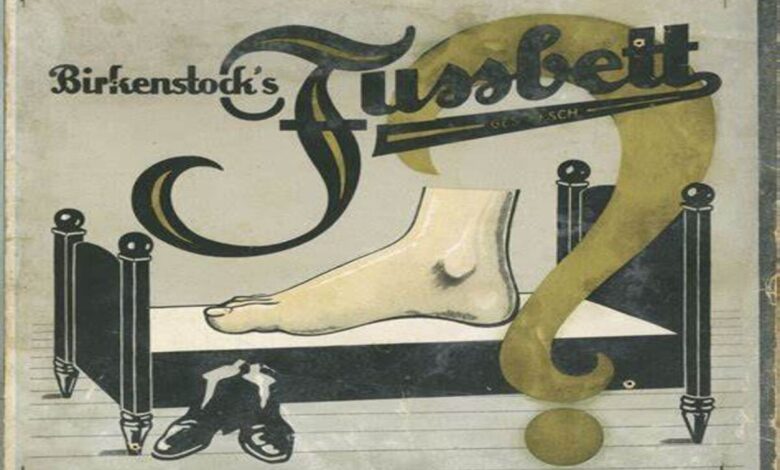
In a landmark ruling, Germany’s supreme court held that Birkenstock sandals are not a work of art, ending a fiery debate over the artistic and cultural significance of the iconic footwear. The ruling has sparked discussions on the meaning of art, design protection in law, and business implications for firms seeking their products to be treated as art pieces.
The Court’s Decision: A Defining Moment for Design and Art
The German Federal Court of Justice made a decision following a protracted legal dispute on whether Birkenstock sandals, with their straightforward style and cork footbed, qualify as an art form. Many designers and collectors who would rather see Birkenstock shoes as a work of art than a standard product brought the suit.
However, the court determined that although Birkenstock sandals might have aesthetic and innovative value, they do not qualify as art under the law. The judges ruled that for an object to be considered art, it must be primarily intended for artistic expression rather than functional use. The ruling reaffirmed the age-old principle that industrial design, no matter how it attains cultural or historical importance, does not necessarily automatically qualify as art.
The Birkenstock Legacy: More Than Just Footwear
German enterprise Birkenstock, with historical roots in 1774, has now gained global phenomenon status. Its iconic sandals, with contoured footbeds for comfort and support, have been adopted by various consumers—health-aware professionals, high-fashion designers, celebrities, runway models, and even politicians. Fashion models, celebrities, and politicians spotted them on the sandals and became lasting style icons.

Notwithstanding the verdict of the court, Birkenstock’s part in fashion and design cannot go unnoticed. Luxury fashion brands like Dior, Valentino, and Rick Owens have partnered with the company and merged luxury fashion with functionality. Because these collusions have softened the boundaries among creative craftsmanship and industrial design, the verdict by the ruling court is important as it forms a part of ongoing debate about the definition of what art is.
Defining Art: A Legal and Philosophical Debate
The case raises the core question: What is art? Art has traditionally been conceived as a work of human expression and emotion that often takes the form of paintings, sculpture, literature, and performance. Yet today, what is considered art also encompasses conceptual works, industrial designs, and even digital works.
The ruling of the German court means that art must have a different purpose than functionality. While Birkenstock sandals are well designed and culturally important, their basic function is as footwear, not art. The ruling is in keeping with previous legal precedents that distinguish functional design from fine art.
This legal stance is not unique to Germany. Similar debates have occurred worldwide, with courts and art institutions grappling with whether everyday objects—such as furniture, fashion items, and even automobiles—can be classified as art. The distinction often concerns intent: Was the item created for artistic expression, or does it serve a predominantly practical function?
Impact on the Fashion Industry
The ruling has broader implications for the fashion world, particularly for those companies that sell their products as art. Fashion has become increasingly confusing between art and commerce, with designers such as Alexander McQueen, Virgil Abloh, and Rei Kawakubo employing clothing as artistic expression.

If fashion and footwear brands cannot achieve legal protection as art, they could be restricted in how they protect their designs. Creative works have greater intellectual property safeguards, which may affect how brands market and dissuade imitation of their designs.
The decision in no way tarnishes Birkenstock’s cultural standing. It remains a smart and fashionable option for consumers. However, the action might be a warning precedent to other fashion designers who seek legal protection for their designs as works of the imagination.
Public Reactions and Cultural Perspectives
The court has received both positive and negative responses to its ruling. Many designers and attorneys have welcomed the judgment with a sense of relief, as it preserves a distinct line between industrial and art design. Others, especially within the arts and fashion community, see it as a limiting stance that doesn’t appreciate the versatility of artistic innovation.
Discussions over the decision on social media have varied from sober legal analysis to lighthearted opinions on whether other popular objects, like Apple’s iPhone, Swiss Army knives, or Levi’s jeans, could also be regarded as works of art. The argument emphasizes how design, functionality, and cultural identity increasingly overlap.
Art critics have also commented, some contending that the ruling reflects a traditionalist approach to art that does not include modern means of creativity. They point out that many objects once considered purely functional—such as Bauhaus furniture or mid-century modern design pieces—are now celebrated as artistic achievements.

Conclusion: Where Do We Draw the Line?
The German court’s decision regarding Birkenstock sandals gives a final answer to a particular legal question but allows for ongoing debate on the larger question of what art is. Although the sandals do not fit the legal definition of art, their cultural and design influence is profound.
As the lines between fashion, art, and industrial design blur, future instances can complicate legal definitions further. In the meantime, Birkenstock is still a treasured brand with a history—perhaps not legally construed as art, but certainly a masterpiece of style and comfort.