NATO On The Brink? Starmer’s Bold Strategy To Keep The Alliance Strong
As Trump and Zelensky clash over US aid to Ukraine, Keir Starmer stresses diplomacy and NATO unity.

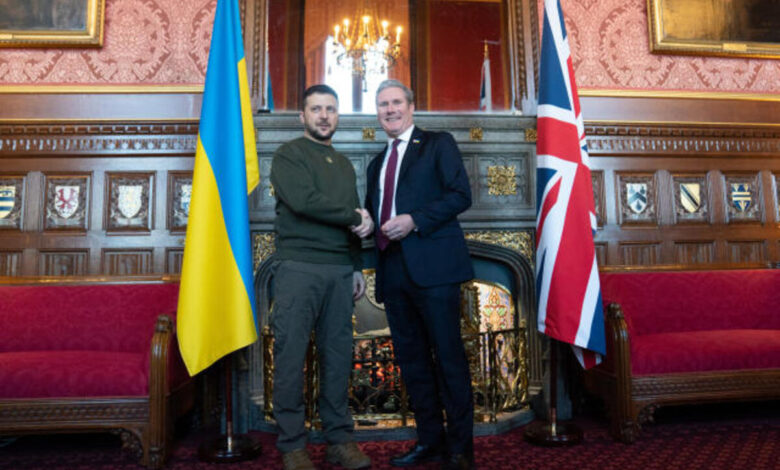
The global political scene saw another bout of tension as British Prime Minister Sir Keir Starmer spoke on recent tensions between former US President Donald Trump and President Volodymyr Zelensky of Ukraine. The much-publicized Oval Office standoff, which has been controversial, prompted Starmer to emphasize the importance of diplomatic engagement above public disagreements. With the gap between the US and its NATO partners growing with shifting stands on the Russia-Ukraine war, Starmer’s reaction captures the UK’s resolve for stability and realist diplomacy.
The Trump-Zelensky Conflict: What Went Down
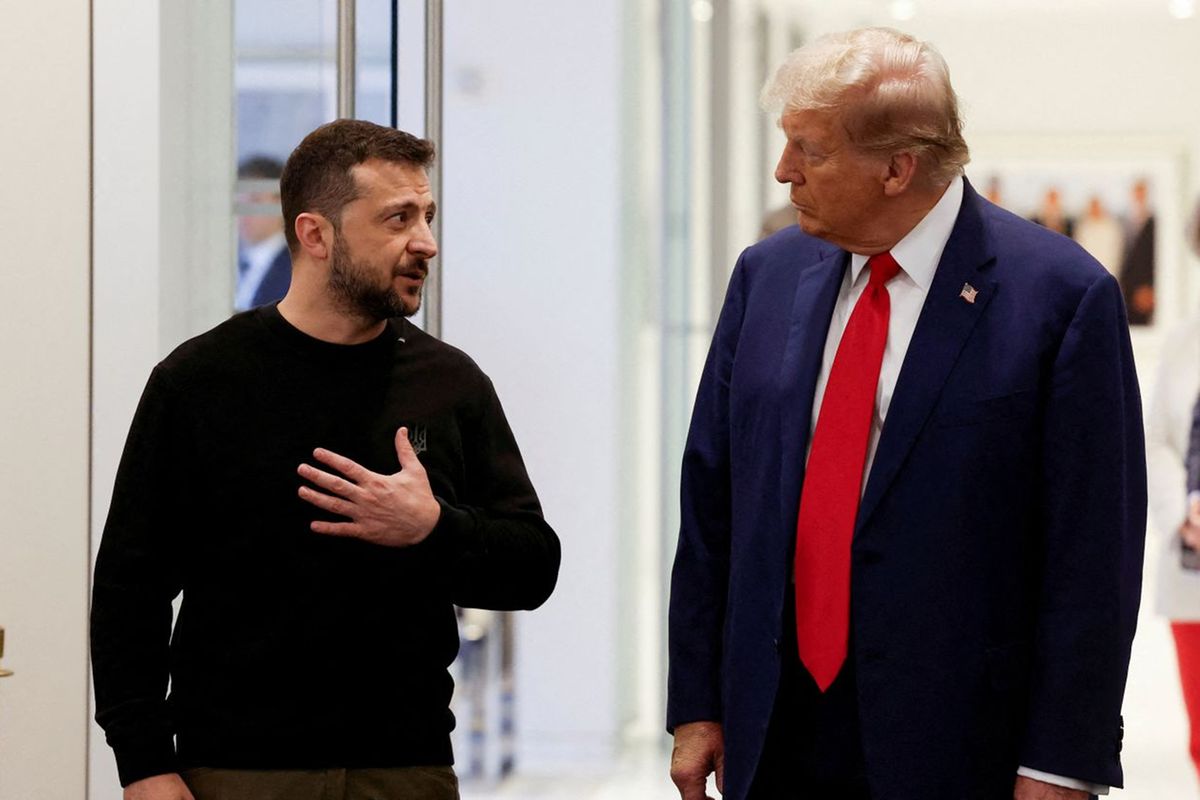
In a closely awaited Washington meeting, Donald Trump and Volodymyr Zelensky had a tense encounter over US funding for Ukraine. Accounts indicate the tone of the meeting was as far from pleasant as possible, with Trump questioning further cash and military supplies to Ukraine as he insisted more was required from Zelensky by way of an explanation. Ukrainian leader Zelensky pushed for assurances regarding the need for Western support to sustain against Russian forces.
The row, which was ‘uncomfortable’ according to various accounts, was a watershed moment for US-Ukraine relations that left tongues in knots speculating about America’s future role in the war. For European partners like the UK and France, the dispute presaged a possible issue in projecting a common front against Russia.
Keir Starmer’s Response: Diplomacy Over Division
During a BBC interview, Keir Starmer explained his position: “Nobody wants to see that.” It was typical of broader fears within NATO countries regarding wider divisions within the Western block.
Rather than raising tensions through rhetoric, Starmer chose pragmatism. He characterized his initial reaction as entailing direct engagement with major players, such as President Trump, President Zelensky, and French President Emmanuel Macron. Starmer emphasized that good diplomacy demands proactive work rather than public argumentation, pointing to his attempts to make constructive dialogue among leaders possible.
“The key is how to respond to that. There are several different paths people can take. One is to turn up the rhetoric about how angry we all are or aren’t. The other is to do what I did, which is roll up my sleeves, grab the phone, call President Trump, call President Zelensky, then invite President Zelensky for a lengthy meeting yesterday, a warm welcome, and then again pick up the phone to President Macron and President Trump subsequently.”
Starmer said this strategy was as concerned with highlighting the UK’s role as a global facilitator as it was about defusing tensions.
The UK’s Strategic Response to the Conflict in Ukraine
The broader lesson from Starmer’s reaction is the UK’s diplomatic resolve to keep Europe stable. While other politicians might react impulsively to public debate, Starmer’s call for dialogue shows a long-term strategy to maintain alliances and secure actual negotiations. The most important features of this strategy are:
- Personal Approach to Principal Actors: Starmer’s initial talks with Trump, Zelensky, and Macron indicate a hands-on style of diplomacy.
- Stopping NATO Fragmentation: With increasing ideological divergences between the US and its European allies, the UK actively strives to avoid further fragmentation in NATO.
- Prioritizing a Peace Plan: Starmer emphasized that talks are ongoing for a formalized plan with the UK, France, and Ukraine to submit to the US as a possible path towards peace.
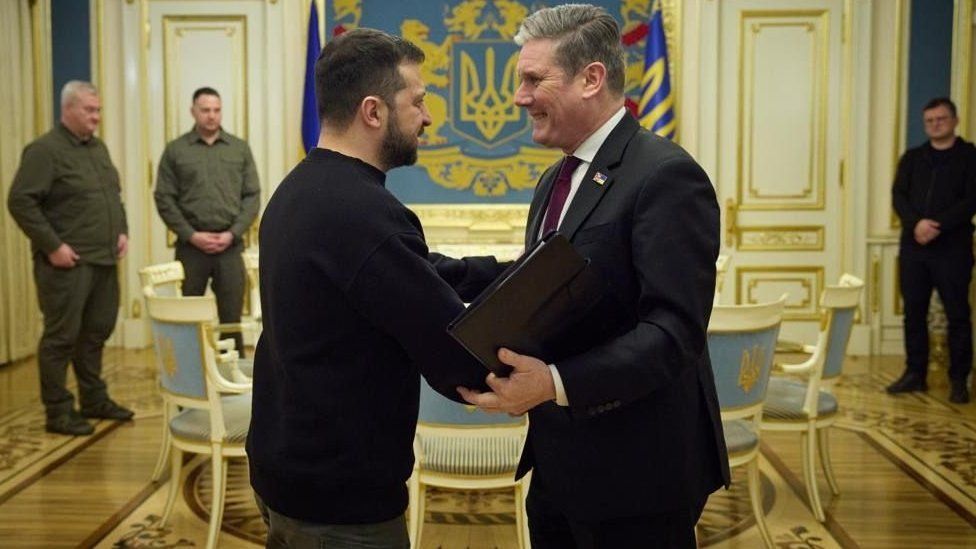
UK, France, and Ukraine’s Proposed Peace Plan
In the wake of the Trump-Zelensky exchange, the UK and France joined forces with Ukraine to draw up a peace plan to wind down the confrontation with Russia, according to the UK’s Labor Party leader Sir Keir Starmer. The plan will likely be negotiated with the US and, eventually, with NATO partners. Though few details of the plan have emerged, major priorities are:
- Ensuring a Sustainable Ceasefire: Halt further loss of life and respond to security issues.
- Gaining US Support: Regardless of differences in strategy, Starmer recognized that any peace effort would need US support to succeed.
- Long-Term Security Assurances: Creating a mechanism to avoid future Russian attacks on Ukraine.
The United States Role in Determining the Outcome
Even though European countries actively work on a peace plan, the United States’ role remains central. Since Trump hesitates to support Ukraine unconditionally, European allies’ geopolitical equations become tougher. Starmer’s foreign policy move toward Trump symbolizes an effort to close the divide and secure US support so that it will never falter ultimately. Despite that, European powers still keep an arm’s distance, considering Trump’s variable approach toward world affairs.
Wider Global Politics Consequences
The Trump-Zelensky conflict and Starmer’s response reveal today’s significant global diplomacy problems. With the growth of nationalist feelings in many Western nations, the unity of NATO and other allied blocks is questioned. Some critical lessons from this incident are:
- The Role of Stronger European Leadership: As American foreign policy grows more unpredictable, European leaders, including Macron and Starmer, must rise to preserve stability.
- The Test of Balancing Interests: The UK, France, and Germany must balance US reluctance and Ukrainian desperation for ongoing Western support.
- The Need for Consistent Diplomatic Communication: Starmer’s response shows good diplomacy involves being proactive instead of reactive.
At Last
Keir Starmer’s reaction to the Trump-Zelensky standoff reinforces the UK’s strategic engagement of diplomacy and stability. Through the embracing of diplomacy as opposed to confrontation, Starmer reinforced Britain’s status as a frontline negotiator of international affairs. While the conflict in Russia-Ukraine continues unabated, the success of any peace initiative will be left in the unified effort of NATO allies, with Britain having significant influence over steering the course. Whether or not the new peace initiative picks up speed is yet to be seen. Still, one thing is for sure—Starmer’s leadership style is all about conversation over confrontation, a necessary approach in today’s volatile geopolitical environment.