Flying In Circles: How Tejas Jet Saga Is Leaving The IAF Grounded?
Is HAL being positioned as the villain so that private companies, perhaps those with the right political connections can sweep in as saviors?

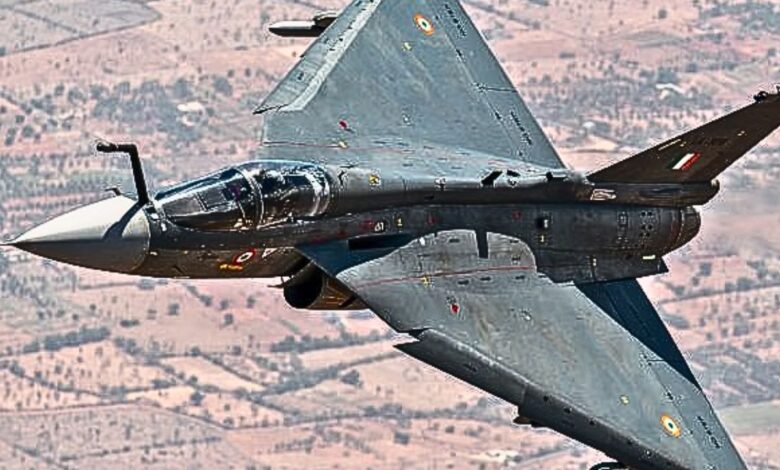
Tejas in Turmoil: From Celebration to Conspiracy
Remember when we stood together, hearts swelling with pride as our own Tejas fighter took to the skies? I do. We all do. We watched Prime Minister Modi beaming at cameras, proclaiming a new era for Indian defense. We believed him. We believed in ourselves, in our capacity to build something magnificent like Tejas that would protect our borders and our children. The aura of Tejas was so much that the present BJP Minister Ms Kangana Ranaut’s had a movie named the same.

Then, why and how quickly dreams of Tejas soured and turned into nightmares?
Today, that same aircraft, Tejas, now, sits at the center of a growing storm – one that threatens not just our military readiness but forces us to question whether we’ve been deceived all along. The whispers have grown into shouts, and the silence from those in power speaks volumes.
Air Chief Marshal Amar Preet Singh’s recent comments sent chills down the spines of defense analysts and citizens alike. When the man responsible for our nation’s aerial defense publicly expresses “lack of confidence” in Hindustan Aeronautics Limited (HAL), we should all be terrified. This isn’t some minor bureaucratic squabble – this is our sword and shield being called into question by the very warriors meant to wield them.
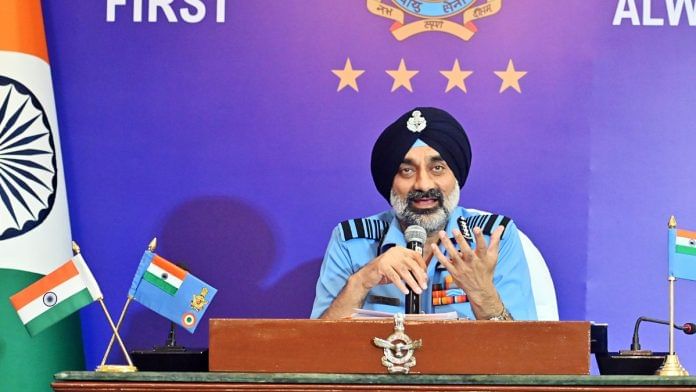
Think about what this means: The guardian of our skies doesn’t trust the makers of our planes. Let that sink in.
It’s not once, IAF chief and army veterans have been sounding alarm over a long period of time.
Retired military personnel, men and women who’ve spent decades serving our nation, manyatimes echoed similar concerns over HAL with growing alarm. They’ve seen firsthand how bureaucratic delays became directly a vulnerability. There is little awareness that nowadays, the great bulk of the aircraft and helicopters used by our military services, as well as their engines and ancillaries, are manufactured, maintained, and supported by various HAL divisions. The health, efficiency, and expansion of this aeronautics behemoth are critical not just to our military’s combat effectiveness, but also to the future of our aerospace sector. Unless we make HAL and its numerous initiatives a success, India will stay in the aeronautics backwaters and rely on imports for the foreseeable future.
They know the cost is measured not just in rupees but in blood.
What’s truly disturbing is how familiar this pattern feels. HAL continually promises and continually disappoints. Deadlines slip through fingers like sand. Budgets balloon while deliverables shrink. They cite technical challenges and shifting requirements – excuses that might hold water the first time, perhaps even the second. But after decades? The explanations ring hollow, leaving a vacuum filled by darker suspicions.
Our pilots – the sons and daughters of India – continue strapping themselves into aging aircraft, machines well past their prime, held together by ingenuity and prayer. Each time they take off, they carry not just the burden of national defense but the added weight of uncertainty. Will the controls respond? Will the systems function? Will they return to their families?
Some don’t, as seen in Mirage 2000 crash in 2019. Following the Mirage 2000 disaster and the blunt remarks made by the then Indian Air Force Chief B.S. Dhanoa, former top IAF officials have questioned Hindustan Aeronautics Limited’s capability. They have, however, also stated that the state-owned aerospace and defence company and the IAF shouldn’t play blame games.
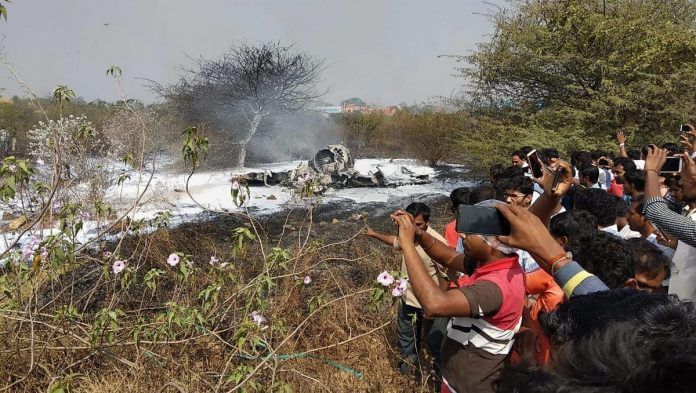
When we count the cost of these delays, we must count the faces of pilots lost in accidents that never should have happened. The pilots who took pride in laying down their lives for safeguarding the nation are being cremated just because of inefficiencies of a company. We must count the tears of families who were promised better protection for their loved ones. We must count the sleepless nights of commanders who send young aviators into the sky in aircraft they know are inadequate.
And then there’s the question that burns in the back of our collective consciousness: Is this incompetence, or is it by design?
The shadow of privatization hangs large over this debacle. We’ve seen this play before – public institutions deliberately starved, set up to fail, creating a crisis that only private enterprise can “solve.” Remember what happened with telecommunications? BSNL languished while Jio ascended, policy decisions paving the way for this transfer of power from public to private hands.
Are we watching the same script unfold with our defense industry and the government? Is HAL being positioned as the villain so that private companies – perhaps those with the right political connections – can sweep in as saviors? The pattern is disturbingly familiar.
If this conspiracy theory proves true – and we pray it doesn’t – the implications are devastating. Our defense capabilities would become hostage to profit margins and shareholder interests. National security would be subject to corporate boardroom decisions. The protection of a billion Indian lives would become a business proposition.
Who suffers? We do. All of us. The soldiers who lack proper equipment. The citizens who depend on a strong defense. The nation whose sovereignty depends on military readiness.
The Tejas was supposed to be our declaration of independence from foreign defense contractors. Instead, it has become a cautionary tale of promises unfulfilled and trust betrayed. Without accountability, without transparency, even our most ambitious national projects can become exercises in disillusionment.
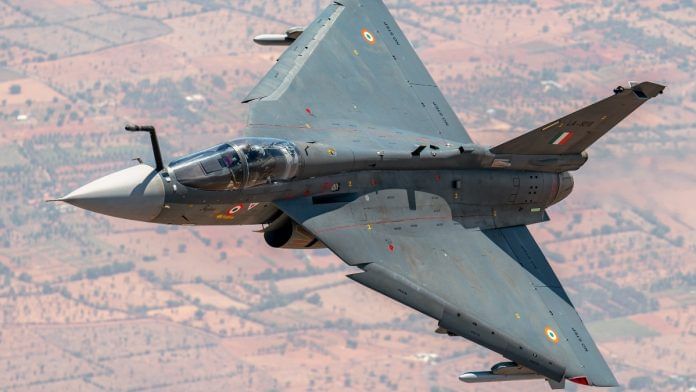
The clock ticks. Our neighbors advance their capabilities. And we wait for planes that never seem to arrive.