Tata Capital Eyes $11B Valuation – India’s Next Big IPO Boom!
Tata Capital is set to make history with a massive IPO, raising up to $2 billion. What does this mean for investors and India’s financial sector?

Tata Capital, the banking and financial services subsidiary of Tata Group, will make history in the Indian equity market with its highly awaited Initial Public Offering (IPO). The firm is said to seek a valuation of as much as $11 billion, one of the biggest IPOs in India this year. The IPO is expected to bring in as much as $2 billion via a mix of primary and secondary offering of shares.
Key Highlights of Tata Capital’s IPO
- Tata Capital‘s board has approved the listing of 230 million shares.
- The offering will include a sale of equity by existing shareholders.
- A rights issue worth Rs 1,504 crore ($172 million) has also been announced.
- The IPO is expected to be one of the largest in India’s history.
- Tata Capital has over 900 branches across India, making it a major player in the financial services industry.
- The company has roped Cyril Amarchand Mangaldas and Kotak Mahindra Capital as advisors for the listing.
Why This IPO Matters
The Indian IPO market is witnessing record growth and cannot withstand volatile stock market movements. The Tata Capital IPO is the latest example of a successful listing of large businesses such as Hyundai Motor India Ltd., which sold $3.3 billion in shares, and LG Electronics India, which has a planned IPO of $1.5 billion. Prudential Plc is also mulling a proposed $1 billion IPO for its Indian business.
Tata Capital IPO is watched closely because it indicates the financial transformation of the Tata Group, well-reputed Indian conglomerate. The firm has sound governance, reputation in the market, and a strong foundation in the financial service industry. Shareholders are keen to know how this IPO is going to forge the company’s future.

Understanding Tata Capital: A Shadow Banking Giant
Tata Capital is a Non-Banking Financial Company (NBFC), or a shadow bank. NBFCs are not banks but provide basic financial services such as loans, wealth management, and advisory services. Since they lend money to customers who might otherwise not be able to get access to normal banking services, NBFCs play an important role in the Indian economy.
Tata Capital’s Business Model
- Retail and Commercial Lending: Offers loans for personal needs, home financing, and vehicle purchases.
- Corporate and Infrastructure Finance: Provides loans for businesses and large-scale infrastructure projects.
- Wealth Management and Investment Services: Helps clients manage their assets efficiently.
- Microfinance and Rural Lending: Supports underprivileged communities with access to credit.
With over 900 branches, Tata Cap. has established a strong customer base across rural and urban India. The company’s willingness to embrace new-age financial technologies and strategic positioning of the markets make it one of the financial sector leaders.
Financial Performance and Growth Strategy
Tata Capital has recorded continuous revenue growth and is one of the most secure financial institutions in India. That being said, it has been confronted with misfortune in terms of economic depression and regulation concerns.
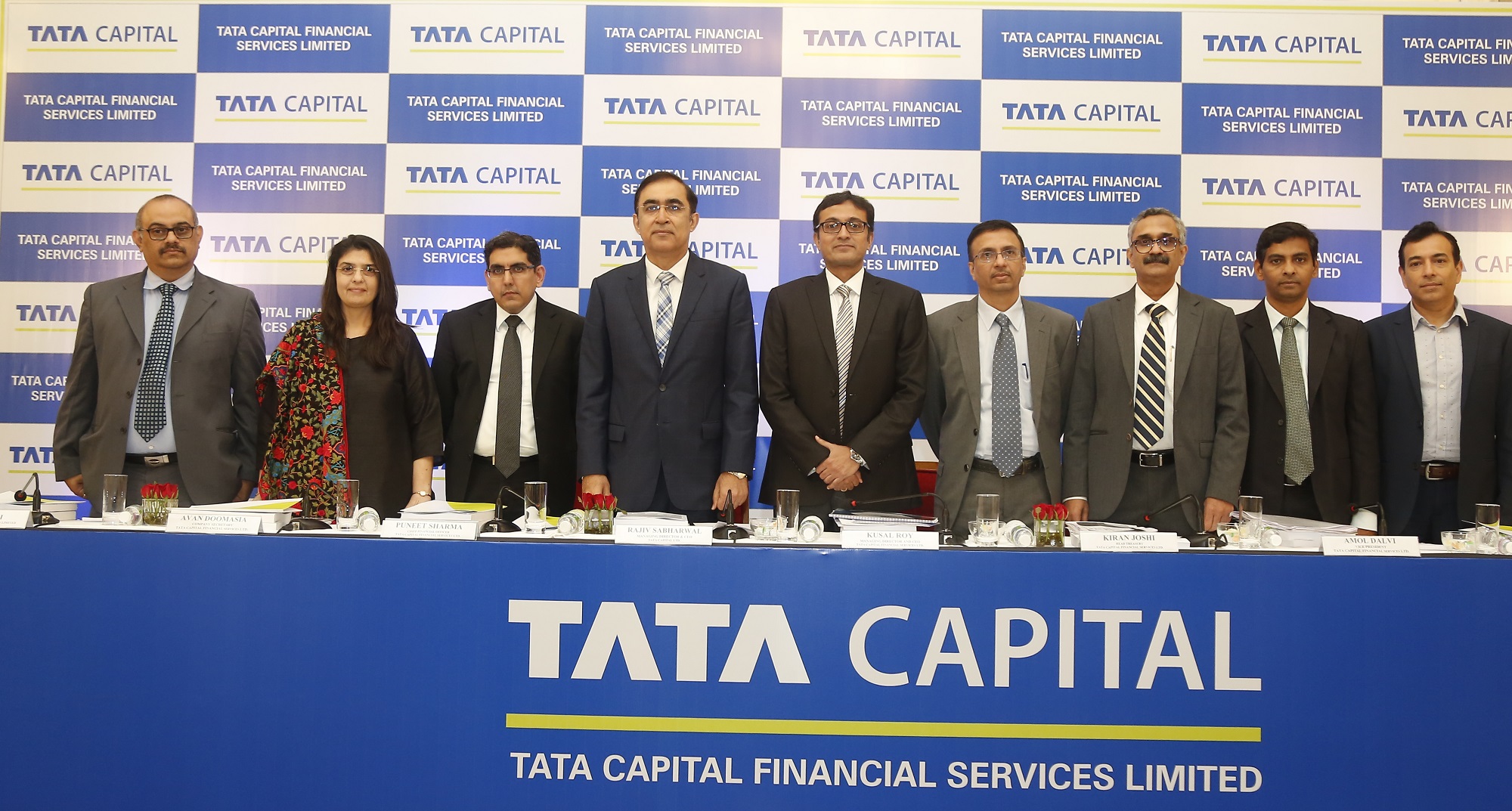
Tata Capital posted a 50% jump in losses in the December 2024 quarter, which sent alarm signals among analysts. The company’s move to list now is seen as a bid to shore up its balance sheet and accelerate business operations.
Revenue and Profitability Trends
- The firm has consistently increased its loan book, riding India’s growing credit market.
- It has had a healthy Non-Performing Asset (NPA) ratio, a sign of effective risk management.
- Strategic partnerships and acquisitions have helped Tata Capital scale its business efficiently.
The IPO funds will most likely be used for expansion, technological upgradation, and debt repayment, further solidifying Tata Capital’s position as a financial behemoth.
Challenges and Risks
While the IPO holds significant promise, there are potential challenges that investors should consider:
- Regulatory Changes: Tata Capital’s operations may be impacted by the cyclical regulatory changes that affect the financial services sector.
- Market Volatility: Fluctuations in the economy and changes in interest rates could influence investor mood.
- Competitive Landscape: With numerous fintech startups disrupting the banking industry, Tata Capital competes with digital lenders and conventional banks.
- Rising NPAs: Rising loan defaults could pressure the company’s financial health.
Investor Sentiment and Market Reaction
Market analysts are confident that Tata Capital’s IPO will have tremendous investor demand, driven by the Tata Group brand name and its history. The Indian financial services industry is expanding rapidly, and Tata Capital will largely benefit from the same.
In order to comfort long-term investors, the company needs to demonstrate its sound management and finances. The IPO will allow Tata Cap. to look for new opportunities and deal with challenges.

The bottom line
An unprecedented IPO took place in the banking sector of India. India’s banking sector will benefit greatly from the Tata Capital IPO. The IPO is expected to be one of the biggest transactions of 2025, with a potential value of up to $11 billion. Through the IPO, Tata Capital will be able to raise expansion capital and provide investors a chance to participate in one of the most reputable financial firms in India.
In the new Indian economy, the Tata Cap. listing will be a benchmark for other financial companies’ subsequent initial public offerings (IPOs). The business could be a dominant force in the financial industry if it has strong roots and well-planned development strategy.
Nowadays, the investor can put their money into a well-performing company that is capable of expanding with Tata Capital IPO. But first of all, all the advantages and disadvantages of any of these investments should be properly calculated.