Warren Buffett To Trump: “Tariffs Ain’t Free Money, That’s Cap”
Warren Buffett criticizes Trump’s tariff plans, calling them a tax on consumers and a threat to businesses.

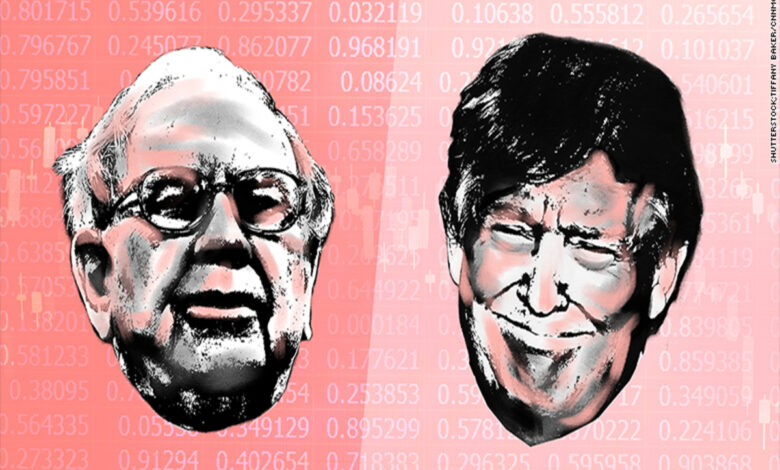
Warren Buffett, Berkshire Hathaway CEO and multibillionaire investor, has again criticized the economic policies of the US’s former President, Donald Trump. Specifically, Buffett criticized Trump’s recent threat to impose tariffs on Canada, Mexico, and China, calling the move catastrophic for the United States’ economy.
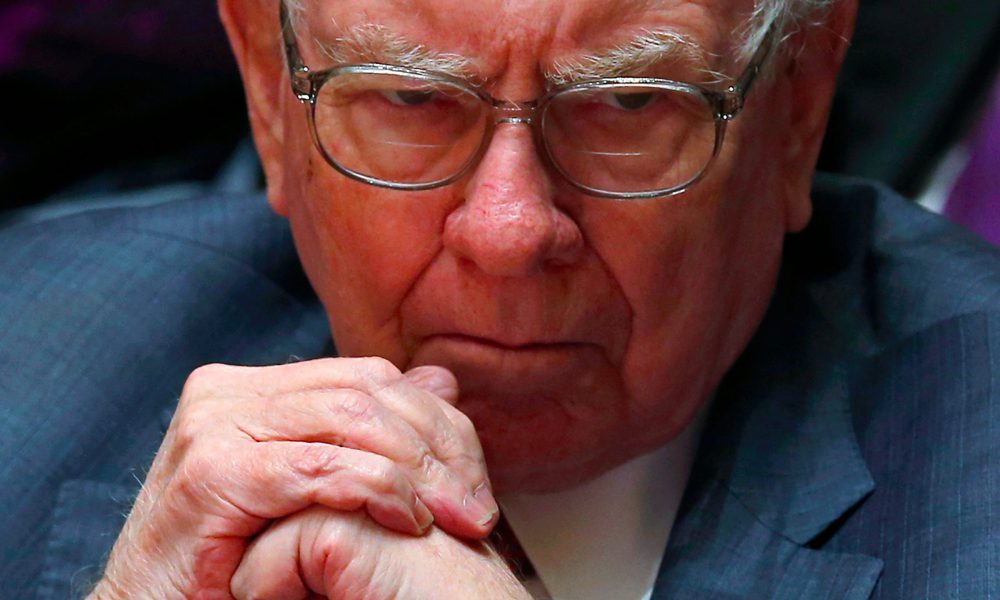
In an interview with CBS News, Buffett stressed the inflationary impact of penalizing tariffs on the American people. In his country-style tone, he humorously retorted, “The Tooth Fairy doesn’t pay ’em!”—that the cost of tariffs will be imposed upon the American nation and not governments abroad.
The Impact of Tariffs: A “Tax on Goods Over Time”
Buffett, whose Berkshire Hathaway has interests ranging from insurance to energy to retailing to manufacturing, compared tariffs to a declaration of war—an economic move with lasting effects. “Tariffs are a tax,” he said, “and that puts a charge on businesses and consumers.”.
Trump recently charged a 25% tariff on Mexican and Canadian imports to be affected on March 4, 2025. China will also be given an extra 10% tariff on the same date. All these new tariffs are part of Trump’s overall economic plan, consisting of a protectionist policy to spur local manufacturing and end trade deficits. Critics argue that such practices tend to do the opposite of increasing consumer prices and incurring retaliation from the affected countries.
How Tariffs Affect Everyday Consumers
Buffett grounds his warning about tariffs on a basic economic principle: tariffs increase the price of imported materials, which is then passed on to consumers as higher prices. This is inflationary and reduces Avas’ purchasing power.
For instance, Mexican and Canadian imports may be subject to tariffs on the purchasing power of the price of automobiles, electronics, and agricultural products because of the robust trade relation between the US and nations to its north. Similarly, additional tariffs on Chinese exports could increase the price of home appliances, cell phones, and clothing.
Buffett’s quip that “the Tooth Fairy doesn’t pay ’em!” reminds one that tariffs don’t somehow pay for the US government or economy’s free money but are fundamentally a consumer/business tax.
Buffett’s History of Trade Policy Warnings
This is not Buffett’s first warning of tariffs and trade wars. In Trump’s initial years as president, Buffett always expressed alarm at the economic implications of assertive trade policy.
Earlier Warnings of Trade Wars
- When Trump imposed tariffs on the import of steel and aluminium in 2018, Buffett warned that they could disrupt worldwide supply chains and lead to unintended economic effects.
- During the raging U.S.-China trade war in 2019, Buffett cautioned that retaliatory tariffs would devastate American firms reliant on global markets.
- During Trump’s term, Buffett consistently believed tariffs had to be imposed sparingly and strategically rather than as an overall cure-all to economic protectionism.

While worried, Buffett has not taken flights of political fancy but remained committed to his principle of economic truths guiding his investments’ direction. Be that as it may, recent statements reveal profound scepticism on whether Trump’s tariffs policy will ever pay in the long run.
The Larger Economic Context: Reasons Buffett Must Worry
Even assuming tariffs are advocated as a protection for domestic industry, history teaches us that the reverse tends to occur because unintended harmful side effects consist of:
- Increased US Business Expenses: Some US companies depend on imported components and raw materials. Higher manufacturing costs result in lower profit margins, fewer jobs, and factory closures.
- Foreign Nations’ Counter-Tariffs: Whenever the United States applies tariffs, countries that are subject to the tariffs retaliate with tariffs that make it more expensive for American companies to send goods overseas. For example, in retaliation against Trump’s previous tariffs, China retaliated with counter-tariffs on American soybeans, making American farmers billions of dollars poorer.
- Stock Market Uncertainty: Buffett is a vintage investor who knows how tariffs instil uncertainty into the stock market. Firms cut down on investment, recruitment, and expansion activities when they lack trade policy clarity and end up restraining economic growth.
- Higher Inflation: As much as inflation is already a challenge in the post-pandemic economy, additional tariffs will only aggravate it, causing rising prices of goods and services, less consumer spending, and slower economic recovery.
Trump’s Rationale: Protectionism versus Free Trade
Trump has long argued that tariffs are necessary to balance the playing field for American industries and workers. The administration claims other nations, particularly China, have engaged in unfair trade practices such as currency manipulation and intellectual property theft.
Buffett and most economists warn that tariff regimes generally have unintended consequences. They may lead to inefficiencies and distortions in international commerce rather than strengthening the American economy.

Buffett’s Defensive Investment Strategy
Buffett’s recent investment tendencies are consistent with his aversion to tariffs. Berkshire Hathaway has had a huge cash holding over the past year rather than investing large sums of money in new stock. Berkshire’s all-time record cash position is a sign of Buffett’s caution in times of economic uncertainty up to mid-2025.
Analysts also think Buffett’s resistance to spending big money is due to his inflation aversion, scepticism about trade policy, and foreign tensions. Not investing the money, Berkshire Hathaway stands poised to pounce when conditions are right, and markets are declining.
Final Thoughts: Warren Buffett’s Warning Carries Weight
Business is all ears whenever Warren Buffett has something to say. His critical comments against Trump’s trade policy, including tariffs, ring an alarm over the economic damage to be inflicted by increasing trade tensions. Tariffs are intended to protect American jobs but have spillover effects, including higher costs incurred by consumers, retaliatory trade measures, and increased market volatility.
Buffett’s remarks remind us that economic policy must be carefully devised to avoid sacrificing international stability for domestic expansion. With Trump moving ahead on his proposal to impose tariffs on imported aluminium and steel, there is doubt about how policies such as these would impact the larger economy and whether Buffett’s words of caution will prove visionary yet again.