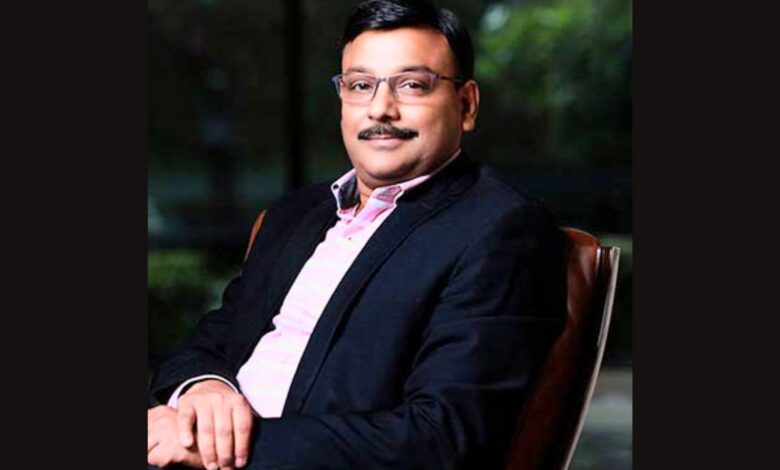
In the chapters of India’s internet revolution, few names stand as tall as Dinesh Agarwal. From humble beginnings to helming a 15,000-crore enterprise, his journey is nothing short of inspiring. Today, IndiaMART is not just a marketplace—it’s a symbol of how one individual’s foresight and perseverance can change the face of an entire industry.
The Genesis of a Visionary- Mr Dinesh Agarwal
Born in the small town of Napara, Uttar Pradesh, Dinesh Agarwal grew up in a business family that valued traditional commerce. But his path diverged early. In 1992, armed with an engineering degree and a thirst for innovation, he moved to the United States to work as a systems analyst at HCL. It was in the U.S. that Dinesh first encountered the transformative potential of the internet—a technology then barely known back home.
In 1995, Prime Minister P.V. Narasimha Rao’s announcement that BSNL would provide internet connectivity in India set the wheels in motion. For Dinesh, this was a once-in-a-lifetime opportunity. He left his stable, well-paying job and returned to India, ready to make his mark. It was a bold decision—leaving behind the comforts of corporate America to embrace the uncertainty of entrepreneurship in a country still finding its digital footing.

The Birth of IndiaMART
Back in a modest apartment in East Delhi, Dinesh Agarwal began sketching out his vision. He saw the internet as the great equalizer, a tool that could give small and medium enterprises (SMEs) a platform to connect with buyers across the globe. But there was a catch: many of these businesses lacked the technical know-how or resources to create their own online presence. So, Dinesh decided to create it for them.
With a mere Rs. 40,000 in savings, Dinesh and a small team of four launched IndiaMART in 1996. His approach was both innovative and straightforward. He mailed 1,000 stamped and sealed envelopes to various business owners, asking them to share their details. His first major client? Nirula’s, the iconic ice cream maker, who agreed to pay Rs. 32,000 for a website—a tidy sum at the time. By the end of the first year, Dinesh had signed on 100 clients and generated a revenue of Rs. 6 lakh. The concept was proving its worth.
Scaling and Surviving the Early Storms
By 1999, IndiaMART had expanded beyond its initial East Delhi base. The company had built a network of over 7,000 businesses and opened a second office in Mumbai. Its focus on free listings and export facilitation allowed it to carve out a niche in the burgeoning internet economy. However, the dot-com bubble burst and then the 9/11 attacks brought global commerce to a grinding halt. IndiaMART lost nearly 40% of its revenue, but instead of folding under the pressure, Dinesh adapted.
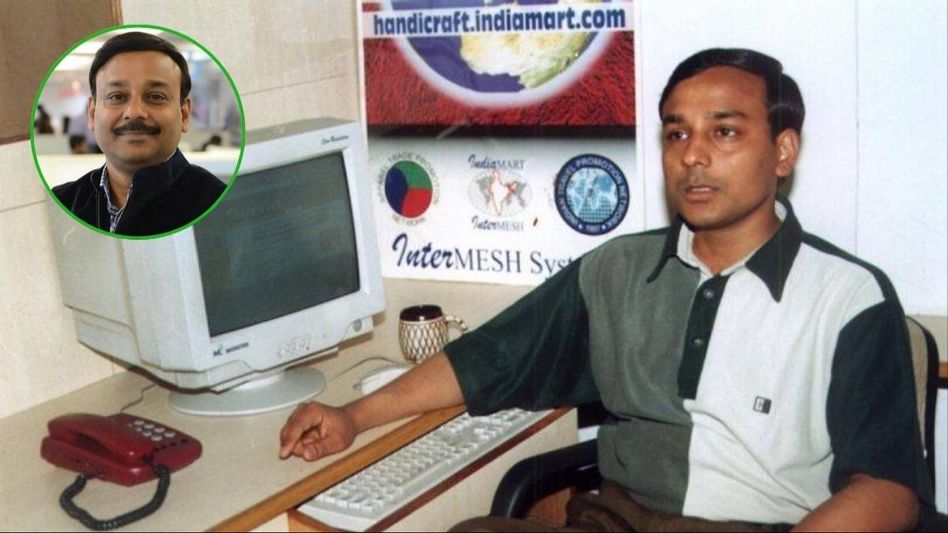
He shifted focus from exports to India’s domestic B2B marketplace, laying the groundwork for long-term resilience. By raising Rs. 45 crore from Intel Capital, he gave the company the financial muscle it needed to ride out the storm. The early 2000s were tough, but Dinesh’s persistence paid off. IndiaMART emerged stronger, with a diversified model and a renewed commitment to serving small businesses.
Breaking New Ground
In the years that followed, IndiaMART’s growth was nothing short of meteoric. By 2013, the platform had reached one crore business listings and served over 15 lakh suppliers. Dinesh’s decision to invest in digital tools—ranging from trade show management to travel commerce—helped the company stay ahead of competitors. IndiaMART also pioneered subscription-based models, allowing it to remain profitable even as it scaled rapidly.
With offices springing up in city after city, IndiaMART cemented its dominance in the domestic B2B space. By 2019, the company was earning Rs. 410 crore in revenue and posting a healthy operating profit of Rs. 46 crore. That same year, IndiaMART made headlines again—this time with a blockbuster IPO.
A Landmark IPO
The public offering of IndiaMART in June 2019 was a watershed moment. The IPO raised Rs. 450 crore, oversubscribing 36 times. It wasn’t just a financial milestone—it was a validation of the journey Dinesh and his team had embarked on 23 years earlier. Investors recognized the strength of IndiaMART’s business model, its dominance in the B2B marketplace, and its role as a critical enabler for Indian SMEs.
A Lasting Legacy
Today, IndiaMART is far more than a digital directory. It’s a critical part of India’s economic fabric, connecting millions of buyers and sellers. The platform commands a 60% market share, boasts a network of 7.4 million suppliers, and features 90 million listings. Dinesh Agarwal’s decision to return to India with nothing but a dream and Rs. 40,000 in savings has yielded a company worth 15,000 crore.
What sets Dinesh apart is not just his business acumen, but also his leadership style. Throughout the challenges—whether it was the dot-com bust, global market disruptions, or fierce competition—he never lost sight of his core mission: empowering SMEs. Remarkably, Dinesh has never laid off an employee, choosing instead to weather downturns without sacrificing his team’s livelihoods.
The Human Factor
Dinesh Agarwal’s story is more than just the tale of a successful entrepreneur. It’s a testament to what can be achieved with vision, perseverance, and a genuine desire to make a difference. In a world where many businesses focus solely on profit, Dinesh built a company that creates opportunities for others. He transformed the way Indian businesses connect, trade, and grow, proving that the internet could truly be a tool for empowerment.

In Closing
From a small apartment in East Delhi to the heights of India’s tech landscape, Dinesh Agarwal’s journey is both extraordinary and inspiring. He saw the potential of the internet when few others did, and he turned that insight into a platform that has transformed the way millions of Indian businesses operate. As IndiaMART continues to thrive, Dinesh Agarwal’s legacy stands as a shining example of what’s possible when you combine ambition with purpose.