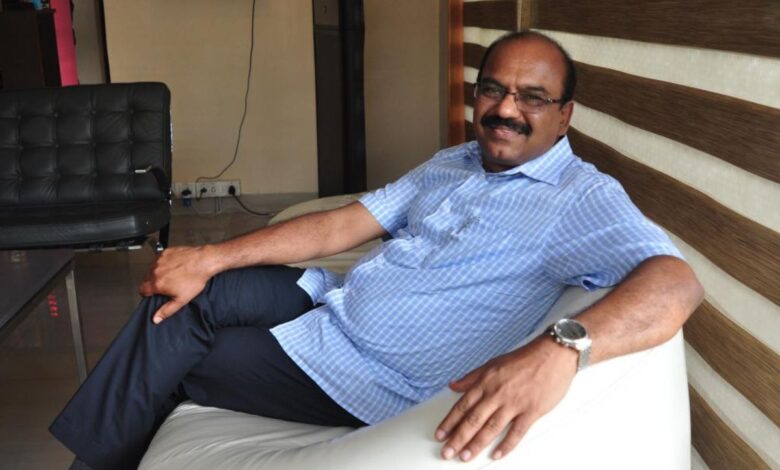
B Soundarajan’s story is not merely one of business success; it is a testament to resilience, innovation, and a profound sense of responsibility toward those who place their trust in him.
Born into a humble teacher’s family in Udumalpet village, Tamil Nadu, B Soundarajan’s early years were defined by frugality and determination. Each day, he cycled five kilometers to school, knowing that education was both a privilege and a stepping stone to a brighter future. However, life threw challenges his way at an early age. B Soundarajan’s first attempt at farming his family’s 20-acre plot did not yield the results he had hoped for, pushing him to explore other opportunities to help clear the family’s debts.
For the next three years, B Soundarajan earned a modest living by selling agricultural motors. This allowed Mr B Soundarajan to pay off his family’s debts, but it also lit a spark of entrepreneurship within him. He began to search for an idea that could not only support his family but also create meaningful opportunities for others in his community. This search led him to the poultry industry, a sector rife with potential but one that demanded innovation and resilience to navigate.
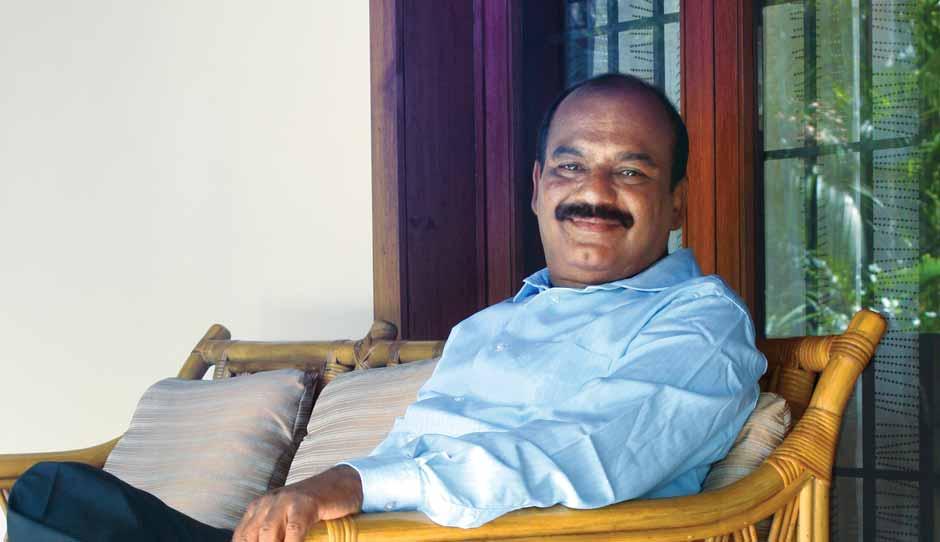
In 1986, with a mere Rs 5,000 borrowed from his mother, B Soundarajan established Suguna Poultry. The initial years were fraught with challenges. While B Soundarajan purchased chicks from hatcheries and supplied them to farmers, the traditional payment structure made it nearly impossible to stay afloat. Farmers needed significant investments—nearly Rs 1.2 lakh for an 8,000 sq. ft. chicken shelter—and could only pay Suguna after two years. This strained cash flow left Suguna Poultry in debt of Rs 10 lakh. Yet, rather than retreat, B Soundarajan thought creatively and introduced a revolutionary idea: contract farming.
The concept of contract farming was deceptively simple but remarkably impactful. Suguna provided the farmers with chicks, feed, and technical support, while the farmers managed day-to-day care. After 40 days, Suguna purchased the mature birds from the farmers, ensuring a steady income for them and timely payments for Suguna. This model not only eliminated the upfront financial burden on farmers but also allowed Suguna to maintain consistent quality and supply. Initially, only three farmers participated. By 1997, this number had grown to 35, and Suguna had achieved a revenue of Rs 7 crore.
The company’s success allowed B Soundarajan to expand methodically. By 2000, Suguna operated ten hubs in Tamil Nadu and had scaled to a revenue of Rs 100 crore. To ensure continued growth and maintain high standards, Suguna regularly provided technical training sessions and established a minimum guaranteed payment for farmers who faced challenges. This commitment to farmer welfare further solidified trust and loyalty among its growing network of partners. By 2005, Suguna had expanded beyond Tamil Nadu, partnering with 5,000 farmers across multiple states.

In 2006, the International Finance Corporation invested Rs 110 crore in Suguna, underscoring the company’s potential and the strength of its innovative model. With these additional resources, Suguna extended its reach to Andhra Pradesh and seven other neighboring states. Recognizing the opportunity to diversify, B Soundarajan rebranded the company as Suguna Foods in 2012, paving the way for ventures beyond poultry.
Under B Soundarajan’s leadership, Suguna Foods launched a range of consumer-facing products, including ready-to-eat chicken nuggets, sausages, and branded soy oil (Mother’s Delight). These expansions brought Suguna’s high standards directly to Indian households. The company’s branded eggs, sold under the Delfrez label, became a trusted staple in kitchens across the country. This strategic diversification not only increased revenue but also solidified Suguna’s reputation as a leading agribusiness that catered to a wide spectrum of consumer needs.
By 2012, Suguna’s revenue had soared to Rs 4,200 crore. Its portfolio of innovative products continued to grow, driving revenue from Delfrez and Mother’s Delight to Rs 250 crore and Rs 600 crore, respectively. Even as new challenges emerged, such as rising input costs and fluctuating market demands, Suguna’s adaptable model allowed it to maintain its growth trajectory. By 2020, the company’s revenue had reached Rs 8,740 crore, and its farmer network had expanded to include 40,000 partners across 10,000 villages.
In September 2020, Suguna Foods secured a Rs 100 crore investment from the Asian Development Bank, further solidifying its position as an industry leader. By 2021, the company had achieved revenues of Rs 9,155 crore and profits of Rs 364 crore. With a staggering 15% share of India’s poultry market, Suguna Foods had become not only a powerhouse of the Indian agribusiness sector but also a beacon of hope for farmers seeking sustainable livelihoods.

Today, Suguna Foods is a Rs 10,750 crore enterprise with a network of 40,000 farmers spanning 21 states in India. Beyond its impressive financial achievements, the company’s true legacy lies in its transformative impact on the lives of rural farmers. By providing steady income, technical support, and market access, Suguna has empowered countless families to achieve financial stability and a better quality of life.
B Soundarajan’s journey from a debt-ridden farmer’s son to the “Poultry Man of India” is nothing short of extraordinary. His vision, resilience, and unwavering commitment to innovation have not only revolutionized India’s poultry industry but have also created lasting opportunities for tens of thousands of farmers. Through his pioneering approach to contract farming and his dedication to building a better future for rural communities, B Soundarajan has shown that with determination and a commitment to doing good, it is possible to achieve greatness.