Beyond The Dollar: India’s Strategy To Boost Rupee’s Global Role
India is actively working to globalize the rupee, reducing dependence on the US dollar while enhancing its economic and financial influence.

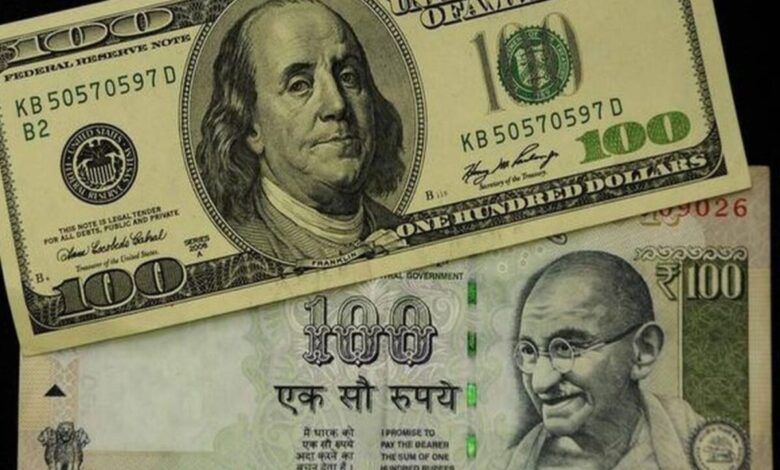
India has been actively promoting the internationalization of the rupee, a strategic move to increase the global usage of its currency in cross-border finance and trade. S. Jaishankar, the External Affairs Minister (EAM), has explained that this move does not support the US dollar as the global hegemonic currency. Rather, India wants to increase the rupee’s contribution to cross-border trade while taking a pragmatic approach to international financial trends.
This article presents the key aspects of rupee internationalization, what India has done so far, its benefits, and why it can’t replace the US dollar.
What is Currency Internationalization?
Currency internationalization is the process through which a domestic currency is used ever more in international trade, investment, and financial transactions outside of its country of origin. A completely internationalized currency is widely held as an asset for:
- Invoicing and settlement of trade: Businesses may use the money to pay for products and services worldwide.
- Cross-border financial transactions: The currency is used in cross-border lending, borrowing, and investment.
- Foreign central bank reserve holdings: Other countries keep the currency as foreign exchange reserves, a sign of confidence in its stability.
The US dollar (USD) is now the world’s leading reserve currency, dominating trade, financial markets, and forex reserves worldwide. The internationalization of the Indian rupee (INR) will reduce USD reliance and increase India’s economic presence.
India’s Attempts in Rupee Internationalisation
RBI and the Indian government have taken several steps to internationalize the rupee. Some of the key steps are:
1. Bilateral Trade Agreements in Rupees
India has encouraged business with various nations using the rupee instead of the dollar. This is applicable most where there are sanctions or foreign exchange curbs limiting USD usage. Nations like Russia, Sri Lanka, and a few Middle Eastern countries have begun using rupee transactions to clear trade. The arrangements enable Indian exporters to be paid in rupees, saving foreign exchange reserves.
2. Rupee Vostro Accounts
The RBI has allowed foreign banks to open Special Rupee Vostro Accounts (SRVAs) with Indian banks. It allows cross-border rupee payment settlement, cutting down on dollar dependence and forex risk. Russian banks have opened these accounts to enable trading without USD settlements.
3. Inclusion of Rupee in Global Forex Markets
There are efforts to introduce the rupee on more international forex market platforms so that foreign businesses and financial institutions can more conveniently hold and trade INR. The RBI has been negotiating with several financial centres to enhance rupee liquidity overseas.
4. Talks with Key Trading Partners
India is negotiating with other countries to seal rupee-based trade agreements to import crude oil, defence products, and raw materials. The increased use of the rupee for trade by other countries will further boost its global value.
5. Ease of Capital Account Restrictions
Though the rupee remains only partly convertible in the capital account, incremental progress is being sought in easing limits on capital movement to increase foreign access to Indian assets. A freer capital account would allow foreigners to invest rupee assets unencumbered and boost world demand.
Why Rupee Internationalisation Matters
The rupee internationalization demand provides a number of economic and strategic advantages:
1. Reduction in Forex Risks
By paying more important percentages in rupees, India can protect itself from exchange risk exposure, specifically from the dollar. Indian industry would be less volatile if the dollar were to fluctuate.
2. Reduced Dependence on the Dollar
With more unstable financial markets globally, India’s dollar decline can act as a shock buffer, particularly during times of uncertainty in the international economy.
3. Improved Trade Competitiveness
A globally accepted rupee can facilitate transactions, lower costs, and improve the tradability competitiveness of India. Firms will enjoy less currency risk as well as conversion cost.
4. Enhancing India’s Global Clout
A more widely used rupee indicates India’s increasing economic standing. It gives it greater bargaining power in international financial institutions and enhances India’s leverage in international economic talks.
Why the Rupee Won’t Replace the US Dollar
Even as India makes efforts, EAM Jaishankar has explicitly averred that internationalizing the rupee has no intention of replacing the USD. There are various reasons for which the dominance of the US dollar continues uninterrupted:

1. The Dollar’s Global Trust and Stability
The US dollar is unrivalled in trust across the globe because of the stability of the American economy, robust finance systems, and profound capital markets. The dollar is the safe-haven currency of choice during the economic downturn.
2. The Size of USD in International Transactions
Over 88% of total forex transactions are in the USD. The dollar is the favorite currency for worldwide investment, trade, and central bank reserves. It has a tight grip on the world’s financial system.
3. Limited Rupee Convertibility
Rupee is less convertible than the dollar in the capital account. This restricts its application in the international market as a reserve currency. Investors like currencies that they can exchange freely without government interference.
4. Current Account Deficit of India
International currencies generally have surpluses of current accounts. India’s persistent trade deficit makes it hard to substitute the USD with the rupee. An increased trade balance would provide a boost to rupee demand globally.
5. Network Effects and Market Depth
The US dollar’s supremacy is also supported by its extensive use in international trade arrangements, financial markets, and commodity pricing, making it hard for any currency, including the rupee, to replace it soon.
Future Developments for the Rupee’s Global Position
Although India’s replacement of the USD is not the aim, the country’s efforts towards the rupee internationalization are likely beneficial. Some of the significant future developments could be:
- Adding rupee trading agreements with more nations.
- Boosting rupee settlement for oil and energy imports.
- Inducing foreigners to invest and hold rupee-denominated instruments.
- Better financial infrastructure accommodates India’s further economic integration into the world economy.
- Providing international investors with more rupee-denominated financial products.

Here We Conclude
Rupee internationalization is an inevitable step towards India, as it’s placing itself in a more significant position in the world economy. Although it will not replace the US dollar, a stronger and highly traded rupee will improve the trade, financial stability, and strategic role of India. Through cautious management of regulatory reforms, trade policy, and economic diplomacy, India can incrementally move towards making the rupee a stronger currency player in the international currency universe. A carefully designed internationalization strategy will assist India in mitigating risks in global finance while strengthening its position as a rising economic giant.