Why Gatorade Is Banned In Some European Countries: The Ingredient Controversy
The Controversy Over Artificial Dyes and BVO – Why Gatorade Faces Bans in Parts of Europe

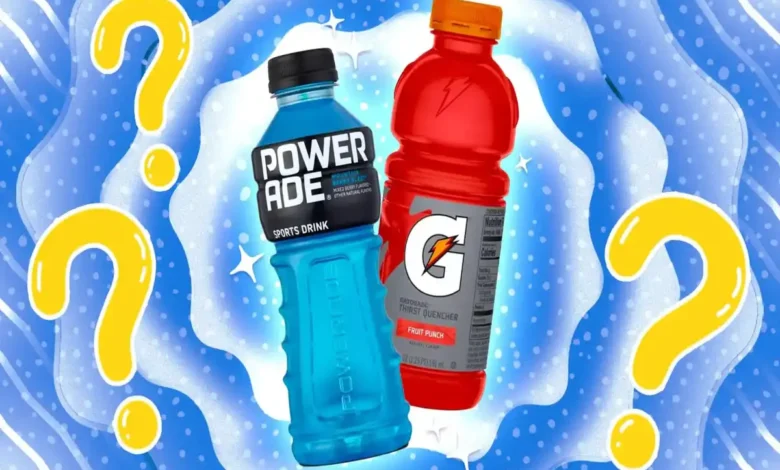
Gatorade is one of the most widely recognized sports drinks in the world. Initially developed in 1965 at the University of Florida for the Gators football team, the drink was designed to help athletes stay hydrated by replenishing lost electrolytes. Since then, Gatorade has grown worldwide and become a household name among professional players, fitness enthusiasts, and even regular consumers seeking hydration solutions.
Although it has been a worldwide success, some European nations have banned or restricted Gatorade because of health issues related to some of its components. This raises an important question: Why have some European countries removed this popular beverage from their markets?
Why Have Some European Countries Banned Gatorade?
Gatorade is banned in some European countries primarily because of its controversial ingredients, such as artificial dyes (Yellow 5 and 6) and brominated vegetable oil (BVO). While Gatorade has since removed BVO from its formula, synthetic food dyes remain a significant concern.
The Role of Artificial Food Dyes
Artificial colours such as Yellow-5 and Yellow-6 are synthetic chemicals added to colour foods and drinks. Although these ingredients have been approved in the United States, European food authorities have approached them differently. The European Food Safety Authority has established possible health threats associated with artificial food colours, particularly among children.

Studies have suggested that Yellow 5 (Tartrazine) and Yellow 6 (Sunset Yellow) may contribute to hyperactivity in children. In 2007, a study published in The Lancet found that artificial food colourings and preservatives could increase hyperactive behaviour in children. As a result, the EU has required warning labels on products containing these dyes, and some countries have banned them entirely.
Brominated Vegetable Oil (BVO) and Its Impact on Health
Another key issue surrounding Gatorade ingredients was the presence of brominated vegetable oil (BVO). BVO is a chemical additive emulsified to prevent citrus flavouring from settling in drinks. Excessive use of BVO, however, has been linked to severe health issues, such as:
- Damage to the central nervous system
- Liver toxicity
- Thyroid dysfunction
- Skin rashes
- Neurological problems like forgetfulness and loss of cognitive functioning
The US FDA and the National Institutes of Health conducted a study in 2022 that exposed the danger posed by BVO, which ultimately got banned in the United States.
Although Gatorade has since reformulated its recipe to exclude BVO, concerns over artificial dyes remain, making the drink unavailable in some European markets.
How Does BVO Impact Your Health?
BVO is a complicated blend of triglycerides from plants undergoing a bromine reaction. It is primarily used in the food and beverage industry as an emulsifier, keeping fruit-flavoured drinks consistent. The problem with BVO is that it leaves bromine residues in body fat, leading to long-term accumulation and potential toxicity.

Symptoms of bromine toxicity include:
- Headaches
- Nausea
- Loss of coordination
- Cognitive impairments
- Thyroid dysfunction
Although eliminating BVO from Gatorade is a positive move, certain European nations still prohibit the beverage due to the residual artificial colouring.
The European Union’s Approach to Food Safety
The European Union has some of the strictest food safety regulations in the world. Before allowing food additives, the EFSA assesses their safety and requires scientific research to support its findings.
For instance:
- In the EU, foods with artificial dyes such as Yellow 5 and Yellow 6 must include a warning label indicating that they “may hurt activity and attention in children.”
- In contrast, the U.S. FDA does not require such labels.
- Many European countries have outright banned artificial dyes or have encouraged manufacturers to switch to natural alternatives.
This variation in food safety philosophy explains why Gatorade is still readily available in the U.S. but restricted in some areas of Europe.
Alternative Sports Drinks in Europe
Several alternative sports drinks are available in European markets for those seeking hydration solutions without artificial additives. These include:
1. Powerade
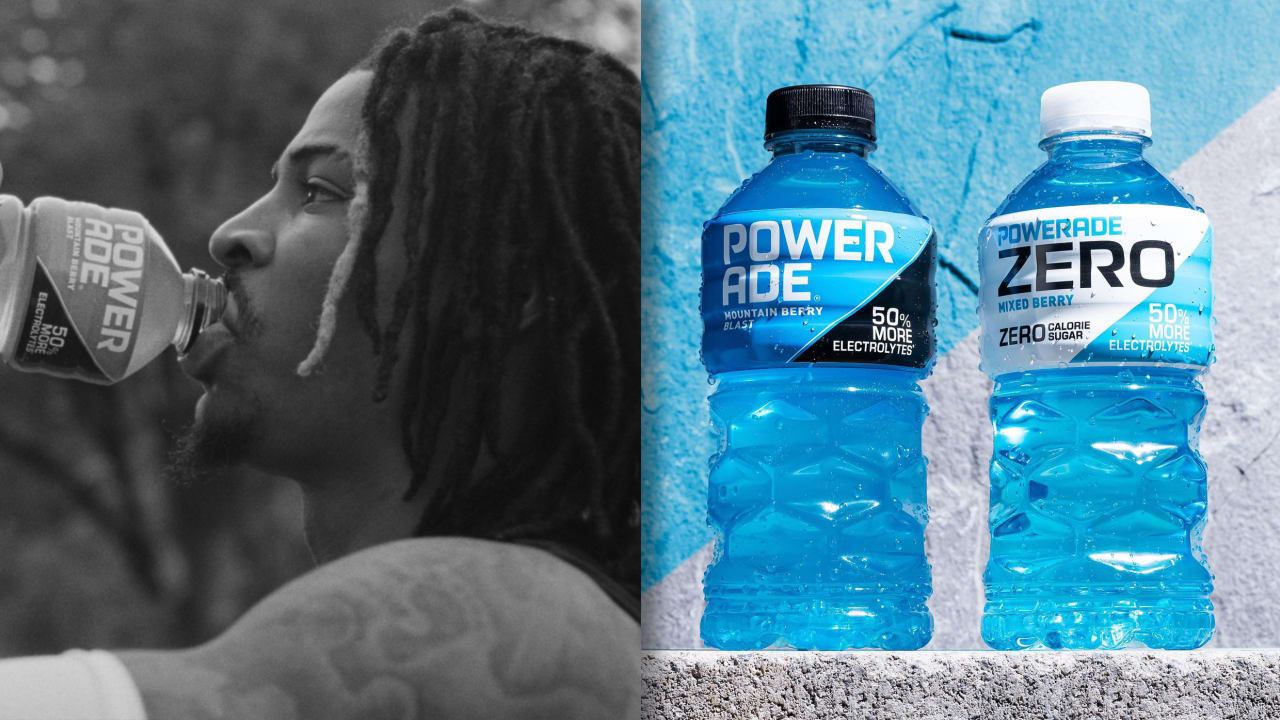
Powerade is one of the best-selling sports drinks, rivalling Gatorade. While a few varieties are still made with artificial colouring, Coca-Cola has replaced some flavours with those compliant in Europe.
2. VitaminWater
A favourite among health-aware consumers, VitaminWater has added vitamins and minerals without any artificial colouring.
3. Lucozade
A British brand, Lucozade produces a range of sports and energy drinks with natural colourings and flavourings.
4. Coconut Water
For those looking for an all-natural alternative, coconut water provides a rich source of electrolytes without artificial additives. Many athletes prefer coconut water as a natural hydration source.
The Future of Gatorade in Europe
While Gatorade remains banned or restricted in some European countries, the brand has tried to comply with international food safety standards. Dye-free or naturally coloured versions of Gatorade are available in specific European markets, but the drink has not been fully reinstated.
In the future, Gatorade may further reformulate its ingredients to eliminate artificial dyes. Meanwhile, European consumers must opt for alternatives or import Gatorade from nations where it is still widely available.
Last Lines
The prohibition of Gatorade in certain European nations points to the disparity in food safety laws between Europe and the U.S. While artificial dyes and BVO were once deemed safe in American markets, European regulators have taken a stricter approach to food additives, prioritizing consumer health and safety.
Increasingly, customers are asking for natural alternatives as they become increasingly aware of the risks of artificial ingredients. If Gatorade is to gain more ground in Europe, it might have to re-formulate its product once more to meet contemporary food safety regulations. In the meantime, European consumers will stick with safer, healthier alternatives for their hydration requirements.