Introducing “Thulla” – Before You Think It’s Just a Word? Let Me Tell You, It Is The Sound Of Disrespect We Offer To Our Esteemed Police Officers!
In the bustling lanes of Delhi, where cows meander like they own the road and auto drivers negotiate like Wall Street wolves, a peculiar word rolls off tongues with alarming ease: “thulla”. Sounds cute, right? Maybe like a cuddly snack or a long-lost Pokemon? Well, don’t be fooled. This innocent-sounding term is actually a verbal Molotov cocktail hurled straight at India’s law enforcement. Once just North Indian slang, “thulla” has now achieved the high status of being an all-purpose insult for police personnel, carried forward not just by common folks with grievances, but amplified and immortalized by India’s grandest cultural influencers: Bollywood and television.
Ah yes, because if anything screams “respectful public discourse,” it’s a three-camera sitcom mocking police or a Bollywood superstar urinating on history while slinging around slurs. Welcome to India’s entertainment industry, where the line between satire and slander is often as blurred as a Delhi traffic sign in monsoon.
What Does “Thulla” Really Mean?
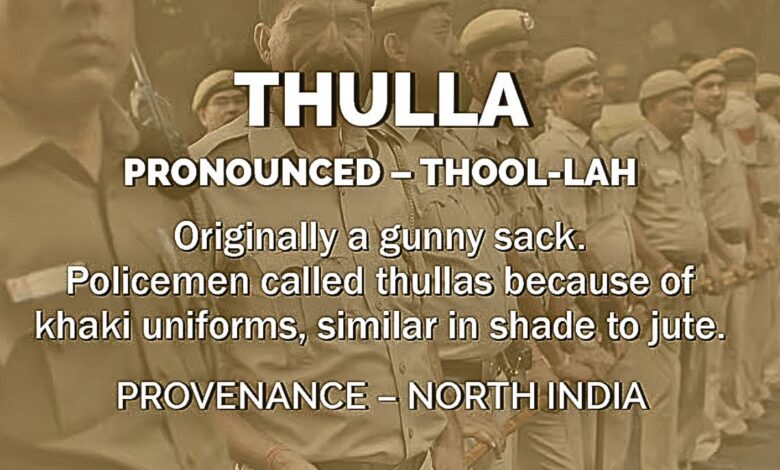
For the uninitiated, “thulla” is not a type of stuffed paratha or a new-age yoga pose. It’s a slur, mostly popular in Delhi and neighbouring states, to refer to a policeman. Its etymology is fuzzy (possibly linked to jute sacks, to represent dullness or staleness), but its intention is razor sharp: to portray law enforcement as lazy, corrupt, or borderline useless.
And here’s the kicker. It’s not just a harmless joke told over tea. It’s a label, a tag, a brand that many policemen in India wear like a chain around their necks. As if long hours, poor infrastructure, political pressure, and being the go-to punching bag for public frustration weren’t enough.
A Delhi Police constable once summed it up (probably with a heavy sigh): when celebrities or popular media use terms like “thulla,” it tells the public: go ahead, don’t respect us, we don’t deserve it. How’s that for a morale booster?
Take the case of “PK” and see the Intergalactic Insult
Let’s rewind to 2014. The film PK hit the screens with Aamir Khan playing an alien lost in translation. Cute premise. Big laughs. Until it wasn’t.

In one scene, the alien (Khan) chooses the Red Fort as his bathroom. And while we’re still processing that deeply patriotic moment, he casually drops the word “thulla” to describe a police officer.
How very post-modern. Let’s mock sanitation, history, and law enforcement in one scene. Efficiency, thy name is Bollywood.
Naturally, some people were not thrilled. Filmmaker Ullhas PR filed a complaint. Not because he hated aliens. But because he wondered, very logically: if politicians can be sued for saying “thulla,” why should a Bollywood icon with a $20M smile get a free pass?
Police officers took it seriously too. They considered pushing it to higher authorities. After all, the film was a massive hit. That’s millions of people laughing at the word “thulla” while subconsciously downgrading respect for the real people who stand guard at their intersections.
Next Comes The Prime Time Punchlines In Sumit Sambhal Lega!
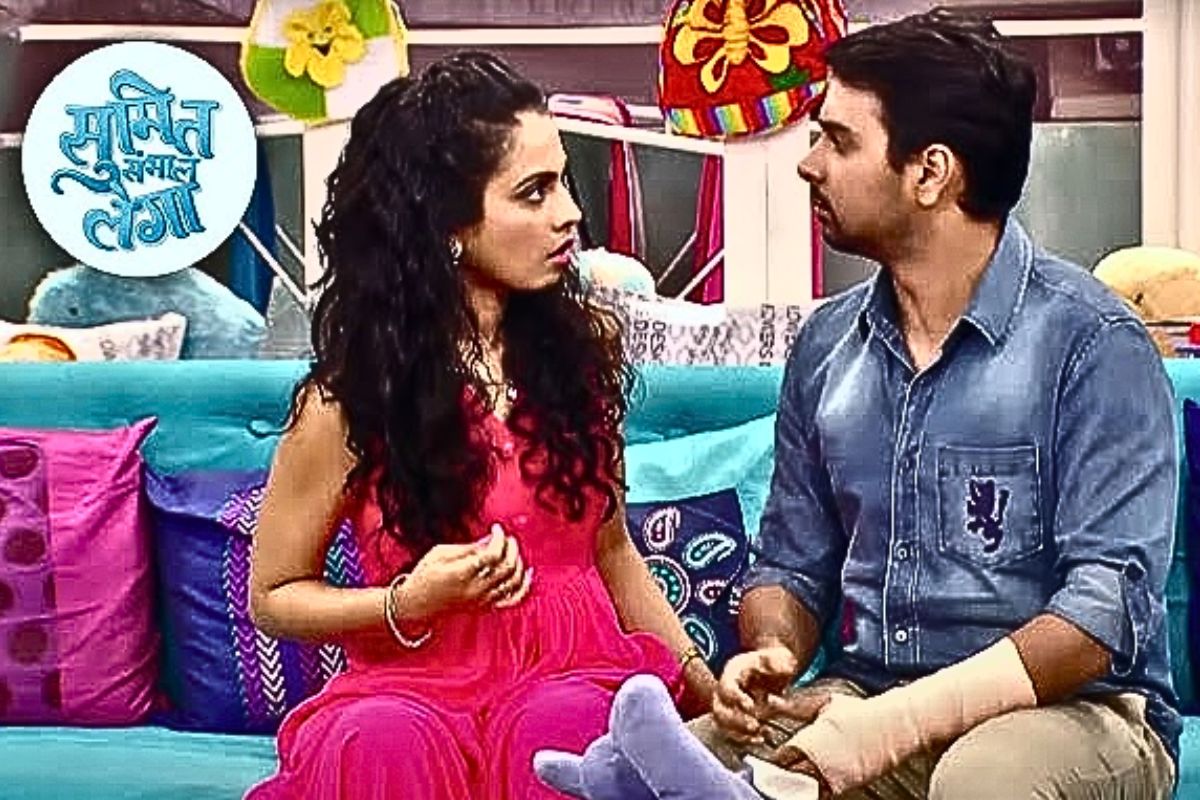
TV wasn’t far behind in picking up the baton of mockery. Enter “Sumit Sambhal Lega“, India’s attempt at creating a desi Everybody Loves Raymond. Except instead of gentle family jokes and quirky brotherly banter, it decided to spice things up with a dollop of police-bashing.
Reportedly, the show used “thulla” to refer to cops in a not-so-friendly manner. In such a case, legal notices should be issued citing violations under the Information Technology Act and the Digital Media Ethics Code, and we should demand that YouTube should remove the clips. Because apparently, the world needed fewer sitcoms teaching kids that cops are jokes.
The Broadcasting Content Complaints Council (BCCC) should also get involved, presumably shaking their heads and muttering, “Really? In a family show?” Because let’s be honest: if your 8-year-old hears “thulla” in a show sandwiched between ads for noodles and fairness creams, they’re going to think it’s an okay thing to call the guy who helps them cross the road.
The Police Clap Back (No, Not With Lathis)
Contrary to what television might suggest, India’s police force isn’t made up of bumbling, paunchy men sitting under banyan trees. In fact, they’re quite articulate when they need to be.
In 2015, Delhi Police Commissioner B.S. Bassi called the term “obscene and derogatory”; by which he meant “stop treating us like jokes”.
Then there was Deputy Commissioner Madhur Verma, who posted a picture of a Delhi cop saving a child with the caption sarcastically calling him a “so-called ‘thu**a.'” 10/10 for dry wit, sir.
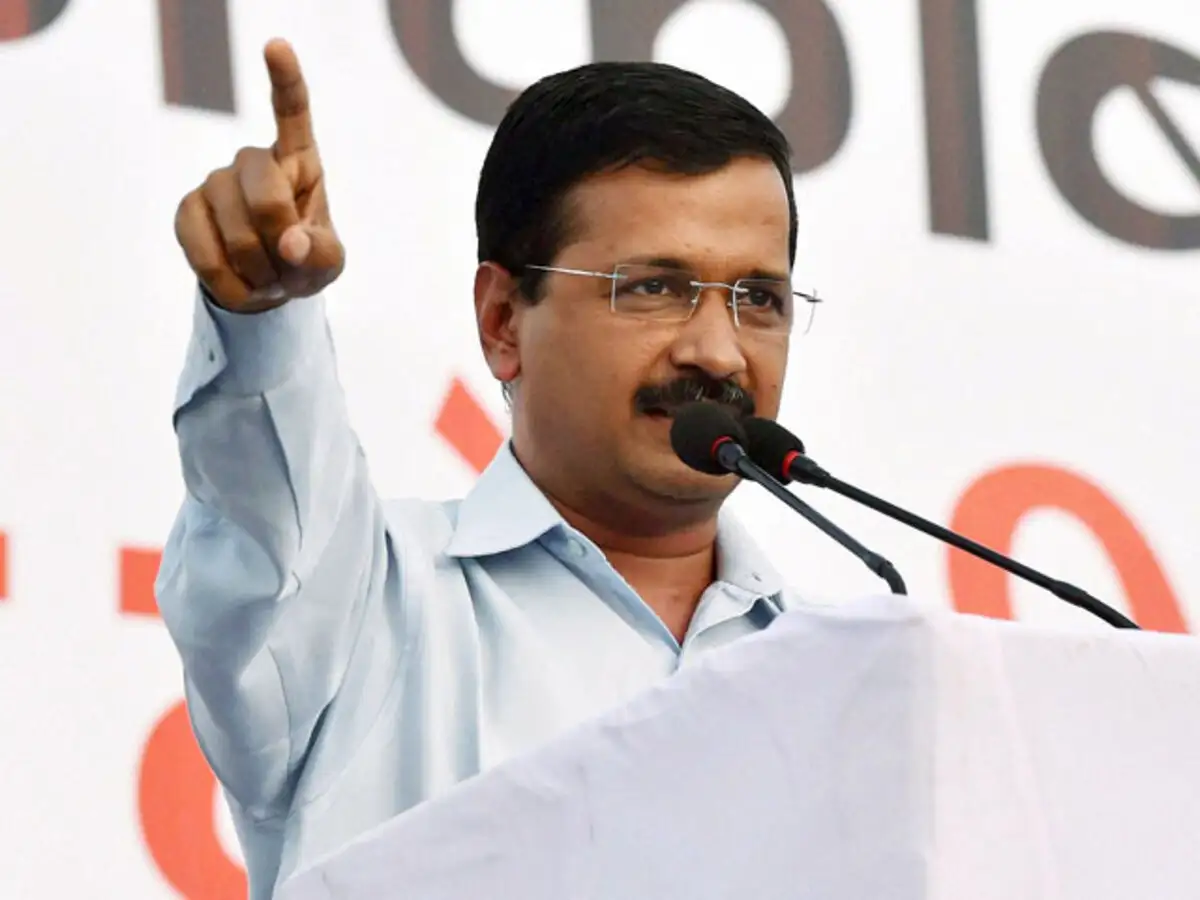
Police officers even took it to court. Ajay Kumar Taneja and Harvinder filed defamation suits against the likes of Arvind Kejriwal for throwing around the word. The Delhi High Court mulled whether an apology could settle it. Which tells you just how deeply words can wound. Even slang has legal consequences.
It’s Not Just About One Word: A Culture of Stereotyping
The term “thulla” is merely a symptom. The real disease is the entertainment industry’s obsession with portraying cops as caricatures.
From Simmba’s early portrayal of a corrupt inspector who dances more than he patrols, to the confused cops in Delhi Belly trying to outwit criminals with all the finesse of a soap opera villain, the stereotype is well-established.
You’d think police officers only exist to take bribes, bungle investigations, and deliver punchlines. What about the sleepless nights? The rescue operations? The riots managed with no backup and fewer batons?
Even shows that try to depict crime realistically often fall into the trap of making the police either tyrants or jesters. And while corruption and inefficiency are real issues, blanket mockery helps nobody.
It also creates real-world consequences. Less public trust. Youth hesitant to join the force. And an ongoing perception that the badge is a joke.
Let’s Review That Glorious Track Record in a Table, Shall We?
| Media Example | Use of “Thulla” | Context | Reaction |
| PK (2014) | Used by Aamir Khan’s character | While urinating at Red Fort; mocking police | Legal complaint filed; police considered further action |
| Sumit Sambhal Lega (2015) | Reportedly used in sitcom dialogue | Primetime family show | Legal notice issued; complaints to BCCC |
| General Media | Alongside “pandu,” “mama,” etc. | Used in crime shows, comedies, memes | Defamation cases filed; official police backlash |
But What About Artistic Freedom?
Now we hear the usual chorus: freedom of expression, yaar! It’s just a joke!
Yes. Art is important. Satire is sacred. But what about responsibility?
Isn’t it possible to depict the flaws of the system without using the same vocabulary that street hecklers use? Isn’t it braver to write a real story about the grey areas in law enforcement, instead of resorting to lazy tropes?
Movies like Ardh Satya (1983) or Article 15 (2019) manage to critique the system with nuance. They show police officers as flawed, pressured, morally torn human beings. You walk away thinking. Not giggling.
That’s what good storytelling does. It doesn’t rely on slurs to make a point.
At The End, A Word Can Be a Weapon
“Thulla” is not just a slang term. It’s a symbol of how quickly humour can turn into humiliation. Of how easily entire professions can be reduced to punchlines. And of how India’s entertainment industry needs to evolve from lazy stereotyping to layered storytelling.
Yes, critique authority. Hold institutions accountable. Make jokes, only if we allow them in a ‘democratic nation’. But make them smart. Make them kind. Or at the very least, don’t aim them at people already carrying the weight of a very broken system.
Because behind every so-called “thulla” is a human being in uniform, trying to do their job.
And maybe, just maybe, that deserves more than a punchline.