Work Hard, Pay Taxes, Watch MLAs Chill In Recliners With iPhone 16 Pros!
Paperless Paradox: When Taxpayer Rupees Vanish into Politicians’ Paradise


In a bizarre twist of priorities, India’s vaunted “paperless” governance has meant papering the pockets of politicians. The case in point is that “the Delhi Assembly recently handed every one of its 70 MLAs a brand-new iPhone 16 Pro (retail ₹1.19 lakh) for official use. That’s a lavish tech haul (₹84 lakh total) funded by you,the common man, aka the hardworking taxpaying public. Critics erupted online, noting that “people pay 24 month EMIs on iPhones, babus get them free”, and reminding us that over 80% of Indians can’t even afford these phones. Yet there they are, lighting up in legislative sessions.
The claimed rationale is for doing so is “going paperless”, but is dropping luxury gadgetry on the elite the smartest move? After all, many rural schools still struggle with chalkboards and a single shared smartphone for recording attendance. Instead of 70 luxury iPhones, that budget could have bought hundreds of affordable Android phones (₹15,000 each) for under-resourced teachers. Or 70,000 notebooks and textbooks for village schools. The stark reality: money that could have bolstered roads, hospitals or classrooms is funneled into designer freebies for lawmakers. One Twitter wag put it best: “Who needs clean water, decent schools or functioning hospitals when you can get an iPhone through taxpayers’ money?”.
iPhone Funded by Taxes: Who’s Buying What?
In Delhi, beyond iPhones, every MLA got new iPads and tablets as part of the NeVA paperless push. This case of utter disgustion is not only a matter of national capital. In 2022, in Rajasthan, Congress legislators paraded around with government-issued Apple iPhone 13s (nearly ₹90,000 a pop) immediately after the budget, despite critics warning the debt-ridden state can’t justify such expenses.
In 2025, in Karnataka, the assembly speaker decided to rent recliner chairs (15–20 of them!) so MLAs could nap after lunch during the 30-day session. And that same state hiked MLA/minister salaries by ~100% in one stroke – MLAs doubled from ₹40K to ₹80K monthly, ministers rose ~108% (e.g. from ₹60K to ₹1.25L), and the CM’s went from ₹75K to ₹1.5L – even as officials lamented a cash crunch.
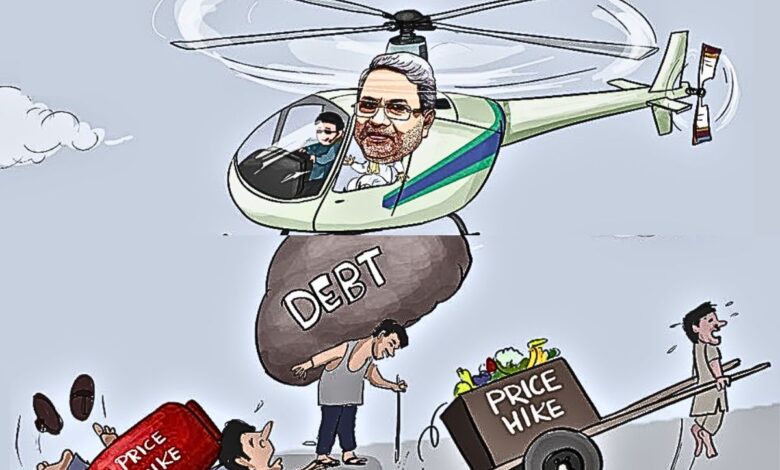
At the national level, too, fleets of luxury cars have hit the news: for example, in 2018 cash-strapped Punjab approved 400 new luxury vehicles (Toyota, Land Cruiser, Fortuner, Innova, etc.) for its politicians at a cost of ₹80 crore, drawing outrage from farmers who called it “a slap in the face” given the state’s ₹2 lakh crore debt. In short, across states the playbook is similar: lavish perks for the elite (from phones to benz to recliners) paid with the public purse.
Each bullet above is not fiction but drawn from reports; it is a patchwork of eye-popping expenditures that could have addressed real problems. Instead, they’ve entered the folklore of public outrage. As one Delhi resident fumed online, “Nice usage of our tax money. People pay 24-month EMIs on iPhone, babus get them free”. Another pointed out the national irony: India preaches “Make in India” but we’re “handing out imported iPhones to MLAs, brilliant vision for the US trade surplus”.
It’s not that digital tools can’t modernize governance, they can. But policy must be about need, not flash. Many teachers make do with ₹10–15 K Android devices to take attendance or check PDFs. The average student in a government school has never touched an iPhone. If digital transformation is the goal, critics argue, wouldn’t it be wiser to equip rural schools with basic computers or community internet kiosks that serve thousands, rather than fit a few dozen politicians with glitzy gadgets?
This isn’t a far-fetched idea: commentators note that budgets spent on MLAs’ toys could build dozens of smart classrooms or hundreds of village Wi-Fi hot-spots. Without the bling, even much cheaper hardware would meet legislators’ official needs. But alas, cash for utility often vanishes in the haze of luxury.
Who Pays the Price? Common People vs. Political Class
Meanwhile, the “common man” keeps shelling out taxes to make this happen. As one satirist quipped: “Income tax bhar diya? GST ka notice aa gaya? every time you dutifully pay, remember, some of that hard-earned money is funding these freebies”. The irony is bitter: millions of Indians struggle to afford quality healthcare, education, and basic services, yet find their funds financing MP’s iPhones.
In rural areas, primary health centers are often understaffed or closed, forcing patients to pay private fees. 63 million Indians are pushed into poverty every year by healthcare costs. Public health spending is astoundingly low, barely 2.1% of GDP as of FY23, among the lowest in the world. India’s poorest states have child mortality rates worse than sub-Saharan Africa, and it supplies a huge share of global maternal and infant deaths. Yet the leaders advocating hospital upgrades drive Toyotas on us, and sign off on iPhones while local clinics remain ill-equipped.
The disconnect is maddening: we’re told every rupee is “accounted for,” but the real-world results tell another story. Roads remain riddled with potholes, school buildings crumble, and rural electrification or internet projects lag behind schedule; precisely when politicians brag about solar-powered Assembly halls and smartphone dashboards. For the hardworking shopkeeper, farmer or teacher, this disparity feels personal.
One might hear on the street: “Main office jata hoon, computer sahi se nahin milta, lekin humare CM ke liye हमारी tax se BMW gaadi kharidi jaaye.” (I go to work and can’t even get a decent computer, but we buy a BMW for our CM from our taxes.) This sentiment isn’t far-fetched: in early 2025 the Delhi government officially raised the mobile phone allowance for its chief minister to ₹1.5 lakh (up from ₹50,000) and for ministers to ₹1.25 lakh; essentially an open invitation to buy top-end phones on the house.
This situation is emblematic of India’s stark inequality. Oxfam notes that the top 10% of Indians hold roughly 77% of the country’s wealth, while the poorest half sees almost none of the gains. Political elites have only gotten richer, producing dozens of new millionaires every day, yet public spending on essentials lags. In the place of hospitals and schools, politicians get SUVs, salary hikes, and Wi-Fi for all MPs. It would be funny if it weren’t so tragic. As one Twitter wag summed up: “More than 80% of Indians can’t afford an iPhone, and yet politicians are out here donating them. What a shame.”.

- Wasted Priorities: In the name of “digital empowerment,” we’re wiring elected officials with gadgets while ordinary citizens often lack reliable electricity or internet. Example: Delhi just touted its Assembly as the first fully solar- and e-powered legislature, complete with MLAs using iPads and iPhones for proceedings. Meanwhile, many villages don’t even have functioning basic health clinics.
- A Painful Inequality: Healthcare spending is so low that almost every medical expense pushes families into debt. Every rupee spent on one luxury phone or reclining chair for a lawmaker is a rupee less for, say, a rural hospital’s MRI machine or a teacher’s salary.
To summarize the lavish spending spree with a cold calculator: if ₹84 lakh can buy 70 high-end smartphones for Delhi MLAs, that same ₹84 lakh could build hundreds of pit toilets in villages, electrify dozens of hamlets, or supply new microscopes to dozens of primary health centers. ₹80 crore for 400 Punjab cars translates into crop insurance premiums or fertilizer subsidies for thousands of farmers, who instead see their leaders motorcade past in bulletproof SUVs. And yet, our public discourse so far has mostly been outraged tweets and editorials, little legislative accountability.
At the end…
We laugh with the outraged commentator who quipped, “Who needs clean water, decent schools or functioning hospitals when you can selfie your way through taxpayers’ money?”. But every punchline has a real sting. The “dignity” of elected office seems oddly pampered: free luxury iPhones, cushy dais seats, and pay raises, while citizens struggle to afford a single meal or a bus fare. This only highlights the unease that our taxes feed not public good, but public officials’ comfort.
In a sensitive economy where every rupee is precious for the poorest, these contrasting realities sting deeply. It isn’t just satire to say “garibon ka baap kaun hai?” (who is the father of the poor) when leaders behave as if they alone deserve lavish comforts. It is a serious question: by design or by foolish excess, whose needs are being served by policy? The pointed jest serves as a mirror: if paperless governance means the average voter is cashless, something is profoundly backward.

Ultimately, as taxpayers we deserve answers. If the government truly values public money, it should halt these extravagances and redirect funds where they matter most. There are two Indias forming here: one where bureaucrats selfie in air-conditioned halls with top-tier gadgets, and another where grandmothers pay for medicines and children study by kerosene light. For our part, we’ll keep paying our taxes, and hoping that future budgets remember us, not just them.