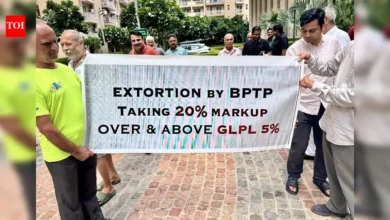
The BLS International-Aadhaar Saga: Is It A Case Of Alleged Scams, Inflated Costs, And Systemic Corruption?

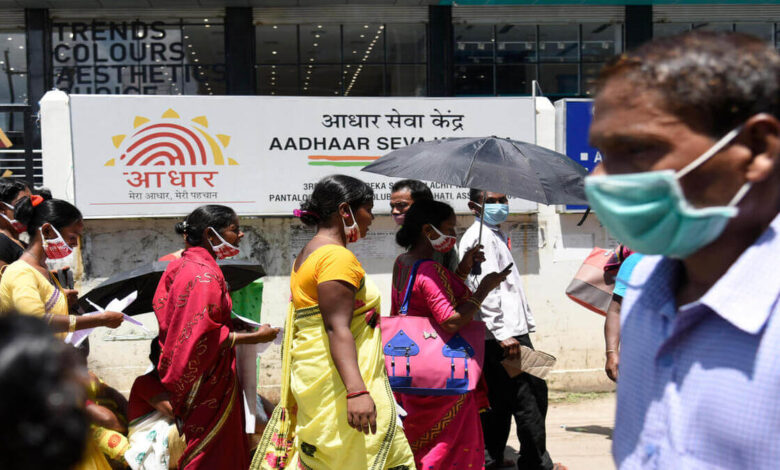
In the sprawling bureaucracy of India, where digital dreams collide with harsh realities, the Aadhaar project stands as a colossal emblem of ambition gone awry. Launched in 2009 under the Unique Identification Authority of India (UIDAI), Aadhaar was touted as a revolutionary biometric identity system that would streamline government services, reduce fraud, and empower the marginalized. Yet, over a decade later, it’s mired in controversies of data breaches exposing millions, fake cards issued to animals and deities, and now, a fresh Rs 2,055 crore contract awarded to BLS International for managing Aadhaar Seva Kendras (ASKs).
Is this just another step in modernizing India’s identity infrastructure, or a cleverly disguised mechanism to siphon public funds? Drawing from extensive research, court rulings, and parallels to other government scandals, this article investigates whether the BLS-Aadhaar nexus qualifies as a scam; not in the overt sense of embezzlement, but through the subtle art of inflated tenders, unnecessary projects, and political patronage.
We’ve pored over government reports, RTI responses, Supreme Court judgments, and similar exposes from outlets like The Wire, The Hindu, and Al Jazeera. What emerges is a pattern where Aadhaar, despite its noble intentions, has become a cash cow for contractors, with taxpayers footing the bill for a system riddled with flaws. Let’s break it down, fact by fact, analogy by analogy, to understand why critics label it a “government-sanctioned scam.”
What Is The Genesis of Aadhaar? Let’s Compare Promises vs. Reality
Aadhaar’s story begins with Nandan Nilekani, the Infosys co-founder appointed as UIDAI’s first chairman in 2009. Nilekani, fresh from building one of India’s IT giants, envisioned Aadhaar as a “unique identity” for every resident, which is a 12-digit number backed by biometrics (fingerprints and iris scans) to eliminate duplicates in welfare schemes. The project was sold as a game-changer. It would plug leaks in subsidies, ensure direct benefit transfers (DBT), and foster financial inclusion.
But the costs were compromising as official figures paint a sobering picture. According to UIDAI’s annual reports and CAG audits, the cumulative expenditure from 2009 to 2023 stands at around Rs 13,663 crore for issuing over 1.38 billion Aadhaars. A Statista report pegs UIDAI’s spending at over Rs 11,366 crore up to August 2019, with subsequent budgets adding billions more. That’s no small change, they are equivalent to funding multiple rural infrastructure projects. Yet, as critics like economist Jean Drèze have pointed out in articles for The Wire, much of this money went into outsourcing. Infosys played a key role in developing the core software, while other firms handled enrollment.
Infosys’s involvement raises eyebrows. Nilekani’s ties to the company, which he co-founded it in 1981, led to questions about conflicts of interest. A 2015 Hindu report revealed that Rs 13,663 crore in Aadhaar contracts were awarded without tenders, with Rs 6,563 crore already spent by then. Why bypass competitive bidding? Proponents argue speed was essential, but skeptics see it as a gateway to favoritism. Nilekani himself has defended Aadhaar in interviews, claiming it saved Rs 90,000 crore in fraud by 2018, but independent audits, like those from the World Bank, estimate savings at a fraction of that.
Fast-forward to today. Aadhaar is mandatory for everything from bank accounts to school admissions, yet its utility is questionable. As a 2024 Economic and Political Weekly piece notes, it hasn’t eradicated welfare fraud. Instead, it has created new vulnerabilities. Take DBT, while it streamlined payments, exclusions due to biometric failures left millions hungry during the pandemic. A Scroll.in investigation highlighted how Aadhaar-linked systems caused “a tragedy of errors,” with authentication failures denying rations to the poor.
The Cracks Emerge When We Got To Know About Data Leaks, Fakes, and Foreign Infiltrators
If Aadhaar was meant to be foolproof, reality begs to differ. Data breaches have been rampant. In 2023, cybersecurity firm Resecurity reported that personal information of 815 million Indians, including Aadhaar numbers, was sold on the dark web. This wasn’t isolated. A 2017 leak from a Jharkhand government website exposed over a million Aadhaar details. Wikipedia lists India as second globally in data breaches, with Aadhaar at the epicenter. UIDAI has blocked over 5,000 officials for unauthorized access, per a 2019 Jackson School report.
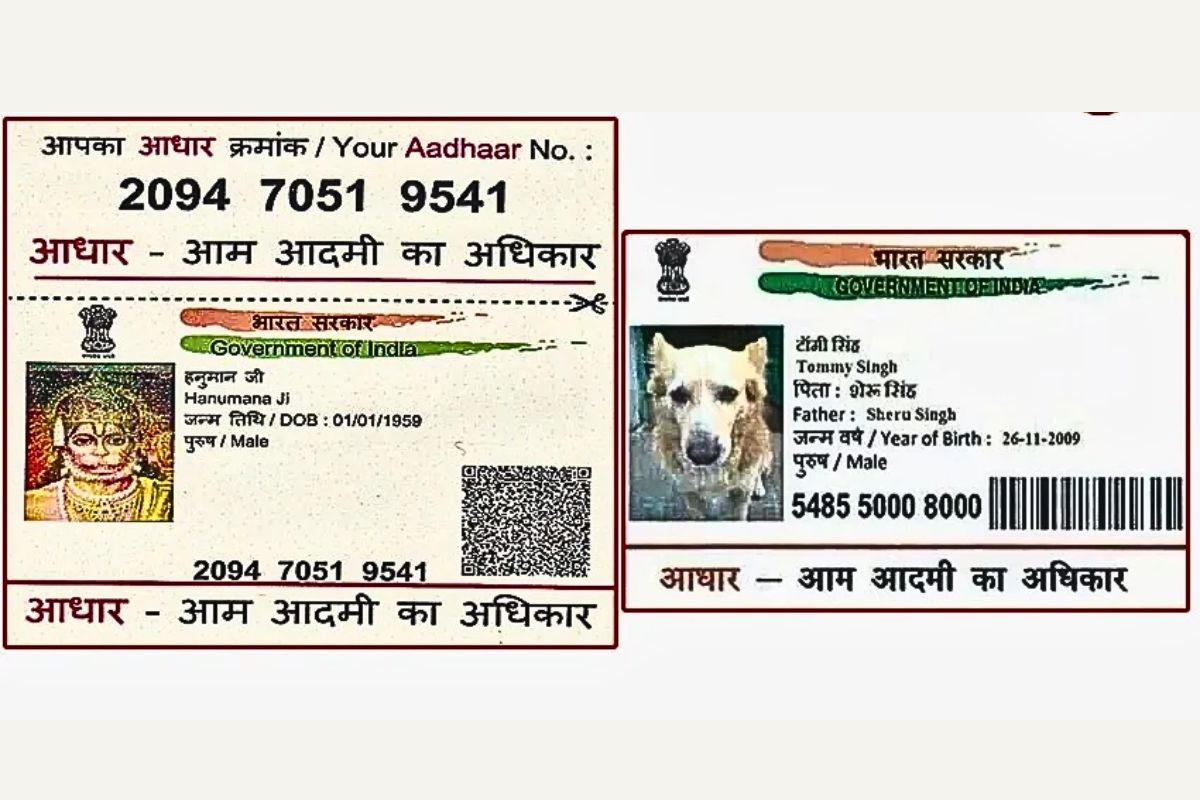
Then there are the fakes. Reports of Aadhaar cards issued to dogs, monkeys, cows, and even gods like Hanuman have surfaced repeatedly. A 2015 Hindustan Times article detailed a man arrested for getting an Aadhaar for his dog “Tommy.” Quartz India noted over a billion Aadhaars issued by 2018, including to “spies and gods,” often due to enrollment errors or hoaxes. More alarmingly, a 2024 Times of India report revealed fake Aadhaars created using animal biometrics in Rajasthan, prompting a CBI probe.
Illegal immigrants exploit these loopholes. In 2025 alone, UP police arrested eight for making fake Aadhaars for Rohingyas and Bangladeshis. BSF apprehended 10 Bangladeshis with forged cards in Tripura. Assam’s CM even halted adult Aadhaar issuance, citing infiltration risks. As a NewsClick article from 2018 warned, Aadhaar “makes identity fraud much easier.”
The Supreme Court weighed in heavily. In 2018, a 4:1 majority upheld Aadhaar’s constitutional validity but struck down sections allowing private use and mandatory linking for banking. Crucially, it ruled Aadhaar is not proof of citizenship. Recent judgments, like a 2025 Bombay High Court order, reiterated that Aadhaar, PAN, or Voter ID don’t confer citizenship. So, why pour billions into a system that’s neither secure nor definitive?
Then Comes The Elephant In The Room, Which Is Inflated Tenders and the Scam Analogy Of Roads, Bonds, and Tea Bills
Here’s where the “scam” label sticks. Understand this with an example. Governments often inflate projects to extract funds, as seen in road tenders. Suppose a road costs Rs 1 lakh to build. The tender is awarded at Rs 10 lakh, with Rs 5 lakh kicked back as bribes or party funds. The builder pockets the rest, while taxpayers suffer with fewer roads, higher taxes. This mirrors electoral bonds, declared unconstitutional in 2024. Al Jazeera’s exposé showed “corrupt” firms donating via bonds, then getting “cleansed” through contracts. The BJP, which introduced bonds in 2017 to “reduce corruption,” received the lion’s share of over Rs 6,000 crore, often from raided firms.
Apply this to Aadhaar. The project wasn’t needed standalone as there were PAN for taxes, Voter ID for elections, Passport for travel. Yet, Rs 13,000+ crore was spent, much outsourced without bids. Why? To justify withdrawals from the treasury. A similar pattern emerged in Maharashtra’s “tea scam.” In 2018, CM Devendra Fadnavis’s office claimed Rs 3.34 crore on tea, which is equivalent to 18,500 cups daily. Opposition called it a scam. Actual costs were inflated, with fake bills covering kickbacks. Fadnavis couldn’t directly fund luxuries, so “hospitality” became the excuse.

Government websites offer another parallel. Despite billions in IT budgets, sites like e-courts, MCA, and Income Tax crash during peaks. A 2018 outage hit 10 sites, including Defence and Home, due to “hardware failure.” In 2024, a power glitch downed multiple portals. NIC, with a Rs 11.5 billion budget in 2018-19, handles maintenance, yet contracts go to TCS, Infosys. Why outsource when NIC exists? Ofcourse, for inflated billing where a Rs 400 crore contract might seat interns instead of experts, with commissions flowing back.
Who Is This BLS International, The Latest Chapter In The Aadhar Saga?
BLS International, a visa outsourcing firm, entered the fray in August 2025 with a Rs 2,055 crore UIDAI contract for district-level ASKs. BLS will set up and run centers for enrollments and updates, under UIDAI supervision. On paper, it’s efficient. ASKs charge Rs 50 for updates, split between government and operator.
But is it necessary? ASKs already exist as private multi-utility centers (e.g., with PAN, tickets). Operators earn commissions without government funding. Why spend Rs 2,055 crore?
BLS’s track record isn’t spotless. A 2023 Paranjoy report detailed scams in Estonia’s e-residency and Canada visa services. Reddit users accused BLS of Toronto frauds, like overcharging for “premium” services. Trustpilot reviews slam BLS for visa scams. While not directly tied to Aadhaar, it suggests vulnerability to exploitation.
This is like the dead patient, where Aadhaar is “dead”, as it is unconstitutional, leaky, fraud-prone. Yet, more money flows. The Rs 2,055 crore could build schools or roads, but funds a flawed system. Operators might underpay staff, skim profits, with kickbacks to parties. As in electoral bonds, donations secure tenders.
Let’s See The Broader Implications, Revolving Around Outsourcing, NIC, and Political Funding
Why outsource when NIC has 400-500 experts and a multi-crore budget? Infosys built Aadhaar’s core, but maintenance went elsewhere in fragmenting accountability.
A 2023 LinkedIn post on Aadhaar vulnerabilities details AEPS scams cloning biometrics. IndiaSpend tracked 164 Aadhaar frauds since 2011. The website Article-14 exposed how Aadhaar forces the poor to pay for unwanted schemes. These echo the view that useless projects like Aadhaar are built just to drain treasuries.
In villages, where 70% live, ASKs promise jobs, but at what cost? Shown salaries inflate, actual hires are juniors. Revenue from Rs 50 fees goes private, yet the government subsidizes.
In the end, It’s High Time We Demand Accountability…
The BLS-Aadhaar “scam” isn’t about outright theft but systemic rot of inflated costs, unnecessary contracts, and political gains at public expense. Like roads built at 10x cost or tea bills masking bribes, it’s a taxpayer burden. With breaches, fakes, and no citizenship value, why Aadhaar even persist?
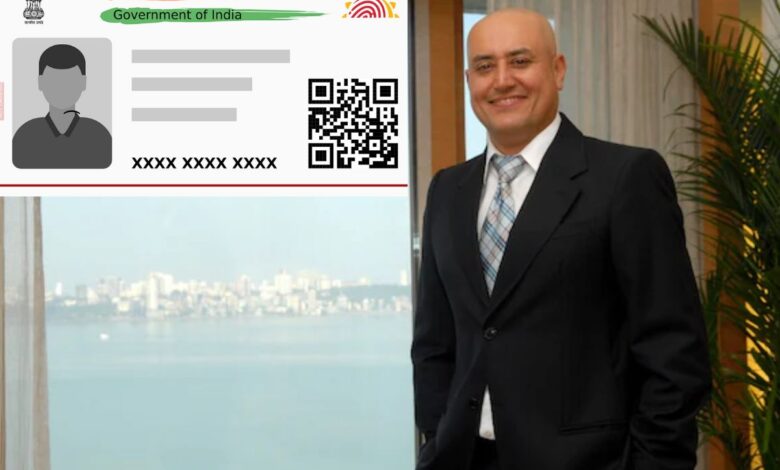
We need audits, transparent tenders, and PILs. As Sabeer Bhatia critiqued in 2025, Aadhaar could have cost $20 million, not billions. Until then, this “scam” continues, eroding trust in governance.