Is Alleged Hawala Operator Hari Shankar Tibrewal The Kingpin of Mahadev Betting App Managing The Financial Transactions Of Dawood Ibrahim Through Betting Apps?

In the shadowy underbelly of India’s digital economy, few scandals have captivated the nation quite like the Mahadev Betting App case. Launched as an innocuous-looking mobile application promising the thrill of online gambling, the Mahadev Betting App quickly morphed into a colossal empire of illegality, ensnaring millions of users in a vortex of addiction, financial ruin, and systemic corruption. What began as a fringe operation in the heartland of Chhattisgarh has ballooned into one of the country’s most audacious money-laundering schemes, implicating politicians, celebrities, bureaucrats, and international fugitives. At its core, the app facilitated illegal betting on everything from cricket matches to card games, generating illicit revenues that were funneled through hawala networks, stock market manipulations, and offshore havens.
The scandal first erupted into public consciousness in late 2022 when Chhattisgarh’s Economic Offences Wing (EOW) raided a high-profile wedding in Nagpur, uncovering suitcases stuffed with cash allegedly linked to the app’s promoters. This event, attended by Bollywood stars and politicians, symbolized the brazen nexus between glamour and graft. Since then, the Enforcement Directorate (ED), Central Bureau of Investigation (CBI), and state police have peeled back layers of deception, revealing a syndicate that not only preyed on vulnerable gamblers but also corrupted India’s financial markets and political corridors. As of December 2025, the probe continues to widen, with fresh attachments of assets and arrests underscoring the scam’s enduring tentacles.
This article delves exhaustively into every facet of the Mahadev saga: the app’s origins and mechanics, the staggering scale of the fraud, the roster of implicated individuals, and the labyrinthine methods of laundering. Special emphasis is placed on Hari Shankar Tibrewal, the Dubai-based hawala kingpin whose ingenuity turned betting proceeds into legitimate investments, and efforts to trace his shadowy links to the infamous Dawood Ibrahim syndicate. Through meticulous analysis of ED chargesheets, court filings, and investigative reports, we expose how a simple app became a symbol of regulatory failure and transnational crime.
The Mahadev Betting App: From Humble Beginnings to a Criminal Colossus
The Mahadev Betting App, often abbreviated as MOB (Mahadev Online Book), was ostensibly a platform for online wagering on sports, casino games, and live events. Developed around 2018 by two childhood friends from Bhilai, Chhattisgarh—Saurabh Chandrakar and Ravi Uppal—the app masqueraded as a legitimate gaming portal. Chandrakar, a former juice vendor with no formal education beyond high school, and Uppal, his schoolmate and co-visionary, bootstrapped the operation from a modest apartment in Raipur. Drawing inspiration from global betting giants like Bet365, they adapted the model for the Indian market, where gambling laws under the Public Gambling Act of 1867 prohibit most forms of betting except horse racing and lotteries.
Technically sophisticated, the app featured user-friendly interfaces, real-time odds updates, and encrypted payment gateways that bypassed traditional banking scrutiny. Users could deposit funds via UPI, credit cards, or even cryptocurrency, placing bets as low as ₹10 or as high as lakhs on events like IPL cricket matches. The app’s franchise model was its genius stroke: It operated through a pyramid-like structure of “panels” or “branches,” where sub-agents (franchisees) recruited bettors and earned commissions—up to 30% on losses—creating a viral network across states like Maharashtra, Gujarat, and West Bengal. By 2022, the app boasted over 10 million users, with daily transactions peaking at ₹1,000 crore during major events like the 2023 Cricket World Cup.
But beneath the veneer of entertainment lurked illegality. The app evaded taxes by routing funds offshore to Dubai, where Chandrakar and Uppal relocated in 2018, flaunting lavish lifestyles funded by betting spoils. ED investigations revealed that the syndicate paid “protection money” to local politicians and police, ensuring lax enforcement. A November 2023 raid on Chandrakar’s wedding in Dubai—complete with ₹50 crore in cash recoveries—exposed the rot, linking the app to match-fixing in cricket and even narco-terrorism funding. The app’s servers, hosted in inaccessible jurisdictions like Curacao, made shutdowns futile; mirror sites like SkyExchange proliferated, perpetuating the cycle.
The history of Mahadev is a microcosm of India’s digital underbelly. Born amid the 2016 demonetization chaos, when cash shortages drove gamblers online, it exploited regulatory gaps in fintech. By 2023, the government banned 22 similar apps, including Mahadev, under the IT Rules, but the damage was done: Thousands of families ruined, small-town economies distorted, and a blueprint for future scams etched in code.
The Monumental Scale: Estimating the Total Value of the Scam
Quantifying the Mahadev scam’s enormity is akin to measuring an iceberg—visible assets pale against submerged proceeds. As of December 2025, the ED pegs the “proceeds of crime” at approximately ₹6,000 crore, a figure corroborated across multiple probes. This estimate derives from transaction logs seized during raids, bank records, and hawala ledgers, capturing only the tip: Daily bets averaged ₹200-300 crore, with 70% user losses funneled as profit.
Asset attachments tell a partial story. From November 2023 to December 2024, the ED froze ₹2,295.61 crore in movable and immovable properties, including ₹388 crore in fresh seizures of shares, bonds, and real estate across India, Dubai, and Mauritius. Notable hauls include ₹1,100 crore in manipulated stocks, ₹580 crore in hawala-linked securities, and ₹573 crore in bonds. Cash recoveries alone exceeded ₹5.39 crore in one 2023 operation, alongside gold, luxury cars, and properties in London and Thailand.
The economic ripple effects are profound. The scam distorted stock markets, crashing shares like Gensol Engineering by 92% upon ED revelations. It eroded public trust in digital payments, with UPI frauds surging 40% post-exposure. Politically, it implicated Chhattisgarh’s former CM Bhupesh Baghel, with CBI raids in April 2025 uncovering ₹508 crore in alleged kickbacks. Globally, the app’s ties to Pakistan’s Kheloyar variant fueled cross-border tensions, with proceeds allegedly funding terror. Wikipedia estimates the full syndicate at over ₹40,000 crore, factoring in unretrieved offshore funds—a black hole sucking in India’s youth and economy.
The Web of Accomplices: Names of All Linked Individuals
The Mahadev case boasts a sprawling cast, from promoters to foot soldiers. ED chargesheets—four filed by mid-2025, naming over 50 accused—paint a picture of a mafia-like hierarchy. At the apex: Saurabh Chandrakar and Ravi Uppal, the fugitive duo who orchestrated the empire, splurging ₹200 crore on weddings alone.
Arrested operatives include:
- Girish Talreja and Suraj Chokhani: Key aides to Tibrewal, arrested January 2024 for stock manipulations; Talreja laundered ₹100 crore via FPIs.
- Anil Dammani and Sunil Dammani: Brothers and panel heads in Gujarat, nabbed March 2024 with ₹50 crore assets frozen.
- Nitin Tibrewal: Hari Shankar’s brother, arrested May 2024 for aiding hawala transfers.
- Dixit Patel: Chhattisgarh-based recruiter, arrested September 2023.
Celebrity links: Actor Sahil Khan, summoned as a promoter, faces charges for endorsing the app; comedian Kapil Sharma and others grilled for event appearances. Politicians: Ex-CM Bhupesh Baghel, accused of ₹508 crore protection; 11 bureaucrats, including Asish Gupta (₹120 crore seized).
Hawala and finance: Vikas Garg (Vikas Ecotech), Jaggi brothers (Gensol promoters), probed for stock infusions. International: German national Jan Philipp (mastermind coder), arrested 2024. Others: Tanveer Bhatt (celebrity panelist), Pintu (logistics), Ayush Mishra “Baazigar” (match-fixer).
SIT chargesheet (April 2024) names 32 more, including Kothari associates. This roster, ever-expanding, underscores the syndicate’s reach.
The Architect of Laundering: Hari Shankar Tibrewal’s Pivotal Role
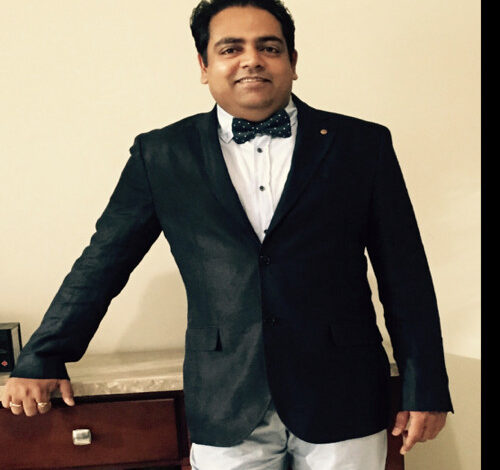
No figure looms larger in the Mahadev laundering saga than Hari Shankar Tibrewal, a 45-year-old Dubai resident whose hawala empire transformed dirty money into gleaming assets. Born in Kolkata to a modest Marwari family, Tibrewal cut his teeth in informal finance during the 2000s, leveraging family ties in gems trading to build a cross-border remittance network. By 2015, he was a fixture in Dubai’s Indian expat underworld, operating under aliases like “Hari Bhai.” His entry into Mahadev came via Chandrakar in 2020, when the promoters sought a conduit for repatriating UAE-held funds without triggering RBI alerts.
Tibrewal’s role was multifaceted: He not only owned and ran SkyExchange—a Mahadev clone generating ₹50 crore monthly—but also engineered the “proceeds placement” strategy. ED filings describe him as Accused No. 24 in the third chargesheet, crediting him with laundering ₹1,500 crore through stock pumps. Unlike street-level hawala, Tibrewal’s operations were white-collar: He partnered with Mahadev promoters to infuse betting cash into Indian equities, creating artificial bull runs. In Gensol Engineering, his Dubai entity “Green Frontier” bought stakes pre-IPO, inflating shares 300% before dumping—netting ₹400 crore while crashing the stock post-ED probe.
His ingenuity lay in layering: Funds from Dubai casinos (where Mahadev bettors gambled winnings) were couriered as “trade credits” to Kolkata shells, then routed via Mauritius FPIs into NSE-listed firms like Vikas Ecotech and EaseMyTrip. Tibrewal’s network spanned 20 entities, including Blusmart (EV firm), where he held 10% via proxies. Raids in April 2025 uncovered incriminating docs at Vikas Garg’s offices, linking Tibrewal to ₹388 crore attachments.
Tibrewal’s evasion tactics—multiple passports, encrypted apps—delayed his summons until July 2025, when SEBI flagged his manipulations. Yet, his capture eludes authorities, making him the scam’s enduring enigma.
Mastering the Shadows: How Tibrewal Managed the Proceeds of Crime
Tibrewal’s laundering playbook was a masterclass in financial alchemy, converting ephemeral bets into tangible wealth. Step one: Collection. Mahadev’s 70% house edge yielded ₹4,200 crore annually; 40% stayed in Dubai for luxuries, the rest hawala-bound.
Phase two: Offshore layering. Using Dubai free zones, Tibrewal’s firms like “HS Trading” received funds as “export proceeds” from fictitious gem deals. These were matched against Indian imports via under-invoicing—₹100 crore remitted for ₹50 crore goods, pocketing the differential. Cryptocurrencies like USDT masked trails, converted to dirhams at Bur Dubai exchanges.
Integration followed: Back in India, proceeds entered via “benami” FPIs. Tibrewal’s Mauritius vehicle “Alpha Investments” acquired 15% in Gensol (2022), timing buys with betting surges to pump volumes 500%. Sell-offs yielded clean profits, reinvested in realty (Mumbai high-rises) and startups (Blusmart’s ₹200 crore round). Stock manipulations involved “ramp-and-dump”: Temporary price spikes via circular trading, luring retail investors before crashes.
ED raids in March 2024 exposed ₹580 crore in such holdings, with Tibrewal’s ledgers detailing 50+ trades. His methods evaded FATF norms, exploiting India’s porous FPI regime. By 2025, probes into 10 listed firms underscore his innovation: Laundering as investment, turning crime into capital.
Intersecting Empires: Establishing Tibrewal’s Ties to Dawood Ibrahim
The specter of Dawood Ibrahim, India’s most wanted fugitive, casts a long shadow over Mahadev, but Tibrewal’s connection demands nuanced scrutiny. Direct evidence linking him to D-Company is elusive—ED filings mention no overt ties—but circumstantial threads weave a tapestry of overlap in hawala and betting rackets, hallmarks of Dawood’s empire.
Dawood’s syndicate, headquartered in Karachi, has long dominated South Asian gambling, from Mumbai bookies to Dubai casinos. Mahadev’s Kheloyar app, a Pakistan mirror launched 2022, was co-developed with Mushtaqeem Ibrahim Kaskar—Dawood’s brother—sponsoring Indo-Pak T20s and laundering via hawala to fund narco-terror. Chandrakar allegedly met Mushtaqeem in Dubai, routing ₹200 crore through D-Company channels for Pakistani ops.
Tibrewal enters as the Dubai nexus. His hawala firm, operational since 2010, serviced Indian betting rings known to intersect D-Company’s “G-9” cartel, which controls 60% of UAE-India remittances. A 2024 ED intel note flags Tibrewal’s Kolkata office handling “D-batch” transfers—code for Dawood-linked funds—mirroring routes used for 1993 blasts financing. SkyExchange, Tibrewal’s app, shared servers with Kheloyar, per forensic audits, suggesting tech-sharing with Mushtaqeem’s network.
Further, Tibrewal’s gems trade— a D-Company staple—funneled Mahadev cash via Antwerp diamonds, echoing Dawood’s post-1993 pivot. Associates like Girish Talreja confessed to “Pakistan routing” for 10% commissions, implicating cross-border hawala. While not indicted, Tibrewal’s 2025 summons by Maharashtra SIT probes D-links, including a ₹50 crore transfer to a Karachi entity.
Critics argue these are coincidences in a crowded underworld, but patterns persist: Shared Dubai safehouses, mutual protection rackets. As one ED officer noted anonymously, “Hawala is Dawood’s oxygen; Tibrewal breathed it.” Until extradition, the link simmers— a cautionary tale of empires entwined.
Global Evasion: Arrests in Dubai and the Vanuatu Gambit
Mahadev’s international arc peaked in Dubai, the syndicate’s operational hub. Ravi Uppal’s December 2023 arrest—on Interpol Red Notice—yielded ₹100 crore in assets but ended in bail and flight; by November 2025, he’s untraceable, possibly in Vanuatu. Saurabh Chandrakar followed in October 2024, detained post-Red Corner but released to house arrest; extradition stalls amid UAE-India treaty talks. SC’s November 2025 directive to ED: “Trace and secure” the duo, highlighting judicial frustration.
Vanuatu citizenship sealed their absconding. In 2022, Chandrakar and Uppal shelled out $1.5 lakh each for passports in the Pacific tax haven, renouncing Indian ties to dodge extradition. ED confirmed this in October 2023 chargesheet, noting Vanuatu’s no-MLAT with India enables safe harbor. They’ve applied for Australian visas, per leaks, extending the chase.
Lingering Shadows: Investigations and Lessons
As 2025 closes, ED’s fifth chargesheet looms, targeting Jaggi brothers and EaseMyTrip. SEBI’s parallel probe into 15 stocks promises market reforms, while CBI eyes Baghel’s successors. Yet, with ₹3,000 crore untraced, Mahadev endures as a litmus for India’s fight against digital crime.
Conclusion: Betting on Justice
The Mahadev saga, with Tibrewal as its cunning fulcrum, exposes vulnerabilities in a cashless India. From app downloads to Dawood whispers, it warns of unchecked tech’s perils. Only relentless pursuit can redeem the lost billions—and souls.