How Uday Kotak From Kotak Mahindra Bank Is Sucking The Blood Of The Customers & Buying Properties & Assets For Himself & Family


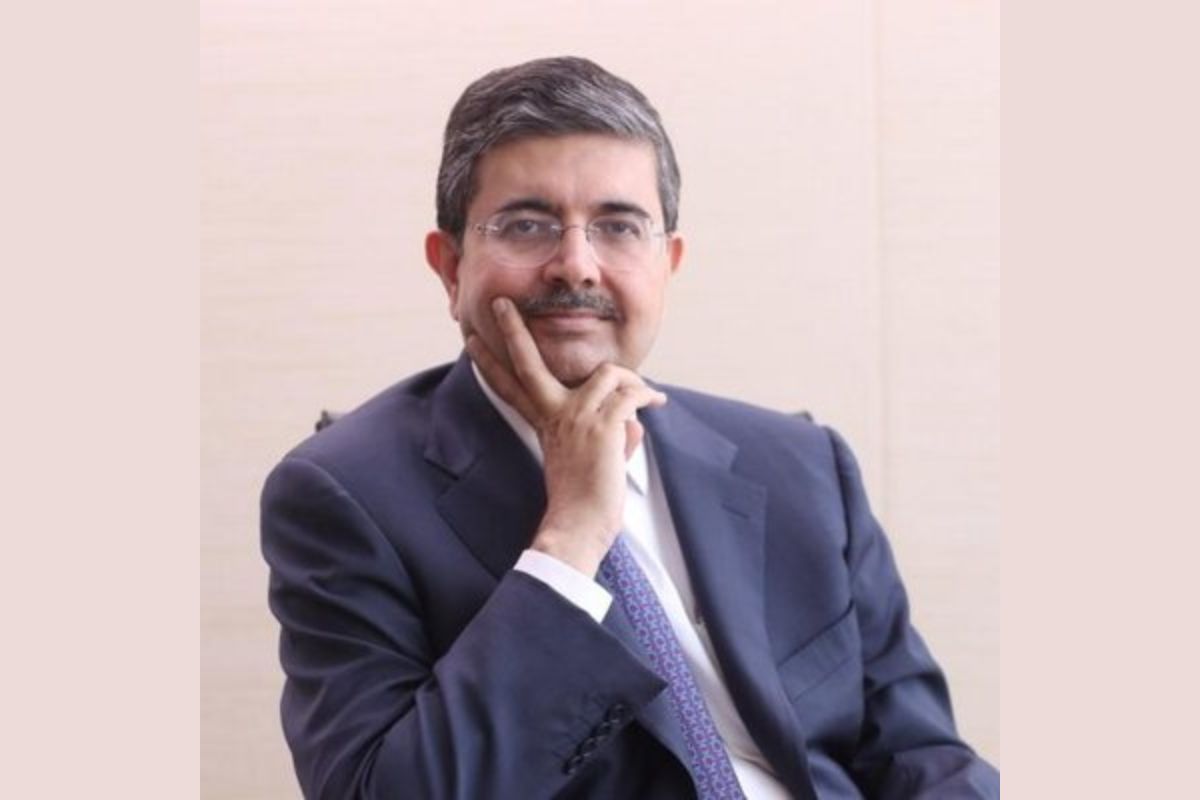
In the glittering world of Indian finance, where billionaires parade their success stories as beacons of entrepreneurial triumph, few figures loom as large—or as controversially—as Uday Kotak. The founder of Kotak Mahindra Bank (KMB), Kotak has amassed a staggering fortune, ranking as one of India’s richest individuals with a net worth that has ballooned over the years, thanks in no small part to the bank’s aggressive expansion. But beneath this veneer of prosperity lies a darker narrative: one of relentless customer exploitation, predatory practices, and a litany of scandals that paint Kotak and his empire as modern-day vampires, draining the lifeblood from ordinary Indians to fuel lavish personal acquisitions.
From harassing debt collection tactics that border on criminality to outright frauds and scams that have left customers destitute, Kotak Mahindra Bank’s wrongdoings are not isolated incidents but a systemic pattern of abuse. And while customers suffer, Uday Kotak and his family splurge on record-breaking properties and assets, turning customer pain into personal gain. This article delves deep into the heart of this exploitation, exposing how Kotak’s empire thrives on the misery of its clients, all while regulatory slaps on the wrist do little to curb the bloodletting.
Born in 1959, Uday Kotak started Kotak Mahindra Finance in 1985 with a modest Rs 30 lakh, transforming it into a full-fledged bank by 2003. Today, the Kotak Mahindra Group spans banking, insurance, asset management, and more, employing over 100,000 people and serving millions. Kotak himself stepped down as CEO in 2023 but remains a non-executive director, wielding immense influence. His net worth, as per Forbes’ 2025 India’s Richest list, places him at 14, a testament to the bank’s profitability.
Yet, this wealth is built on a foundation of customer grievances that scream of injustice. Critics argue that Kotak’s success is not just shrewd business but a calculated extraction of value from vulnerable customers, funneled directly into his family’s opulent lifestyle. Recent acquisitions, like the entire sea-facing “19 Shiv Sagar” building in Mumbai’s Worli for over Rs 400 crore, underscore this disparity—properties bought at record prices while customers battle fraudulent charges and harassment. It’s a tale of two Indias: one where the elite accumulate palaces overlooking the Arabian Sea, and another where everyday folk are hounded for pennies.
Harassing Tactics: The Relentless Pursuit of Customers
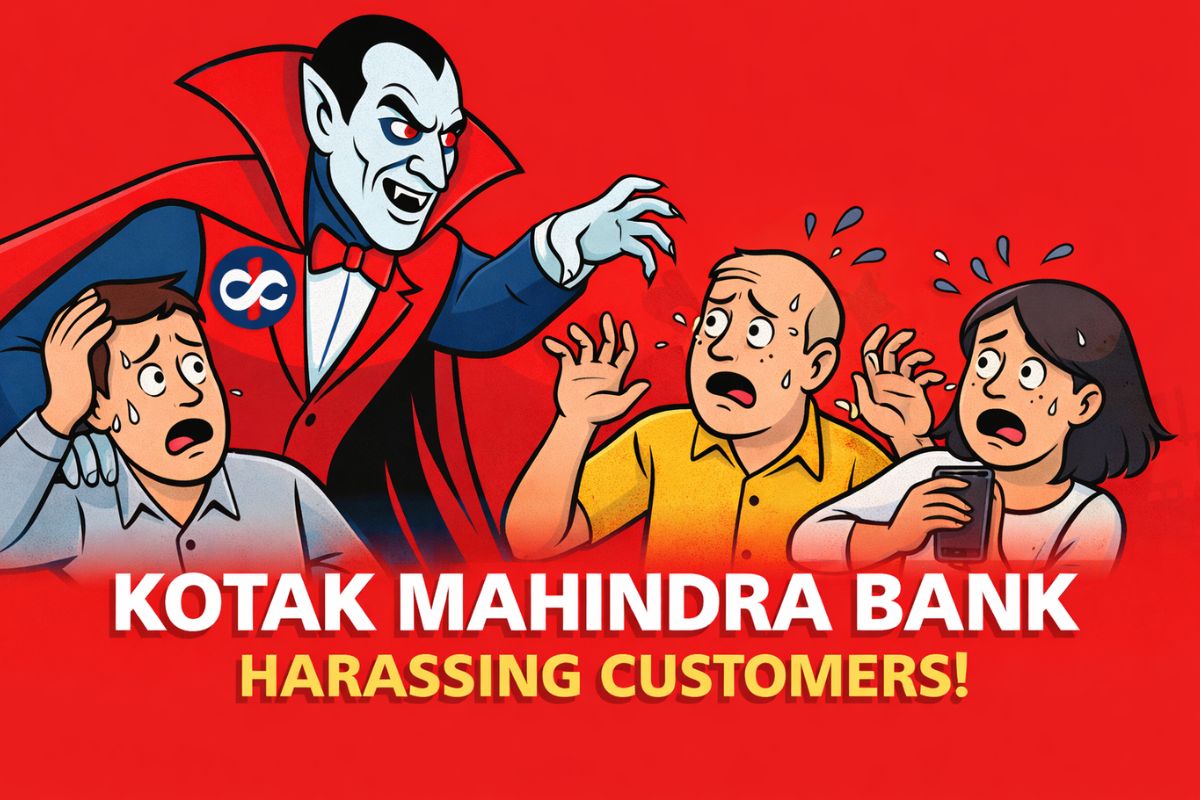
At the core of Kotak Mahindra Bank’s predatory model are its harassing tactics, which have turned debt recovery into a nightmare for countless customers. Reports from consumer forums, social media, and court records reveal a pattern of intimidation, privacy violations, and psychological torment that violates RBI guidelines and basic human decency. Recovery agents, often outsourced and poorly regulated, bombard customers with abusive calls, threats, and even unauthorized contacts with family and employers. This isn’t mere oversight; it’s a deliberate strategy to squeeze every last rupee, enriching the bank while breaking spirits.
Take the case of Anubha Tripathi, who in January 2026 took to X (formerly Twitter) to decry incessant loan recovery calls for a debt she didn’t owe. “I am NOT Ritu Yadav and have never taken any loan from your bank,” she wrote, accusing KMB of failing to verify details and harassing a woman despite repeated complaints. Tripathi’s ordeal highlights a common scam: loans issued with mismatched contact details, leading to innocent parties being terrorized.
She threatened legal action, tagging RBI and finance minister Nirmala Sitharaman, but the bank’s response was dismissive—”wait,” they said, prolonging the agony. This is no anomaly; X is flooded with similar stories. User S U posted in January 2026 about abusive calls to his contacts, violating privacy and RBI norms on call timings (no calls before 7 AM or after 7 PM). “This is a clear violation… I will escalate to RBI, Cyber Crime & legal action,” he warned.
Even more egregious are cases where harassment escalates to threats of violence. In a 2025 X post, a user detailed how KMB recovery agents threatened to “kill me and my entire family” over a blocked credit card dispute. The caller used abusive language, with recordings available as evidence. Such tactics flout the RBI’s Fair Practices Code, which prohibits coercion, yet KMB has been fined repeatedly for recovery agent misconduct—Rs 3.95 crore in October 2023 alone for outsourcing risks and unauthorized contacts. Consumer courts have ruled against KMB, like the Delhi State Consumer Disputes Redressal Commission (SCDRC) in 2024, which found the bank deficient for auctioning pledged gold without proper clauses, awarding compensation for harassment.
Workplace harassment is another weapon in KMB’s arsenal. Aashu Singh complained in January 2026 that agents called his office, risking his job, despite his willingness to settle. This echoes broader complaints on platforms like Trustpilot, where customers rate KMB poorly for fraud reporting failures—channels don’t work, leaving victims harassed while scammers roam free. Uday Kotak, as the bank’s founder and guiding force, bears responsibility for this culture. His bank’s grievance redressal mechanisms, touted on their website, are often ineffective, with users like Vishal Agarwal in January 2026 decrying “inconvenience and harassment” at branches. These tactics aren’t just bad service; they’re exploitative, designed to wear down customers into paying up, even when debts are disputed or fraudulent.
The human cost is immense. Seniors, women, and low-income earners suffer most, with reports of mental stress leading to health issues. Reddit threads discuss taking KMB to consumer court for negligence causing “mental harassment and stress.” Yet, Kotak’s empire churns on, using these blood-sucking methods to bolster profits, which in turn fund his family’s asset spree.
Scams and Frauds: A Bank Built on Deception
If harassment is the bank’s blunt instrument, scams and frauds are its sharp knives, slicing through customer trust and savings. KMB has been implicated in numerous frauds, from internal staff collusion to enabling cybercriminals, leaving customers penniless while the bank drags its feet on resolutions. These aren’t rogue acts but symptomatic of lax oversight under Uday Kotak’s watch.
A chilling example is the 2025 Chennai court conviction of KMB for criminal breach of trust and falsification of accounts. The bank was fined Rs 20 lakh after collecting excess Rs 14.3 lakh from customer R Selvaraj via dual accounts to hide funds. The legal head faced jail for perjury—a rare judicial rebuke exposing deep-rooted deceit. Similarly, in 2021-2025, a Patna branch manager siphoned Rs 31.93 crore for gambling, misusing KYC details and diverting funds abroad. FIRs followed, including money laundering probes, but customers bore the brunt. In Gurugram 2024, executives were arrested for opening 2,000 fake accounts to aid cybercriminals, siphoning crores.
Customers fall victim to these scams daily. Shivam Patil reported in January 2026 a Rs 99,000 UPI fraud on a blocked account—how, if all channels were secured? Suryaveer Singh faced a Rs 3,000 lien from police over unrelated fraud, with no bank help. X user shydev accused branch staff of tricking his dad into activating stock trading without consent, vowing consumer court action. These incidents point to a bank where fraud thrives due to poor verification, as in Piyush Dewan’s 2024 scam via online account opening leakages.
Uday Kotak’s personal controversies amplify this. Deepfake scams using his likeness promote fake investments, indirectly tarnishing the brand while real bank frauds go unchecked. In the Adani-Hindenburg saga (2023-2024), Kotak’s offshore fund was linked to short-selling profits amid fraud allegations, though denied. Such entanglements suggest a tolerance for ethical gray areas, trickling down to customer-facing scams.

Penalties Imposed: Slaps on the Wrist for Serial Offenders
Regulatory penalties are the smoking gun in Kotak’s saga of wrongdoing, with the RBI imposing over 20 fines since 2017 totaling crores for IT lapses, compliance failures, and fraud reporting delays. These aren’t deterrents but mere costs of doing business, allowing the bank to continue sucking customer blood.
The 2024 RBI ban on Kotak’s digital onboarding and new credit cards was a bombshell, citing persistent IT deficiencies—outages, data leaks, and non-compliance with corrective plans. Shares plummeted 11-13%, erasing billions from Kotak’s wealth, but customers suffered most from unreliable services. Lifted in February 2025, it exposed systemic rot. Fines followed: Rs 61.95 lakh in December 2025 for BSBD violations and inaccurate credit reporting; Rs 61.4 lakh in April 2025 for loan delivery breaches. Earlier, Rs 3.95 crore in 2023 for recovery misconduct and outsourcing risks.
GST demands add to the tally—Rs 2.32 crore in Rajasthan 2025 for ITC disallowances, all appealed but indicative of tax evasions. Subsidiaries aren’t spared: Kotak Securities fined Rs 3 lakh by SEBI in 2024; Asset Management Rs 1.6 crore in 2022 for FMP violations.
Uday Kotak’s leadership has normalized these penalties, prioritizing growth over compliance, as profits fund his Rs 426 crore Worli building buy.
Disputes and Court Cases: A Litany of Legal Battles
KMB’s disputes clog India’s courts, from Supreme Court rulings to consumer forums, revealing a bank that fights tooth and nail against accountability. Over 100 cases on Indian Kanoon involve NI Act cheque bounces, SARFAESI auctions, and IBC resolutions.
In March 2025, SC favored KMB in a loan interest dispute, but other rulings expose flaws—like 2024 SC on incomplete SARFAESI deeds. Bombay HC in 2025 upheld a trader’s Rs 1.75 crore profit from a tech glitch, highlighting IT woes. Consumer cases abound: Chandigarh dismissed a Rs 50k fraud complaint as premature in 2025; Ernakulam ruled against Kotak Prime for NOC delays in 2024.
Personal disputes for Kotak include the 2010 G.D. Foods criminal complaint and 2022 BharatPe financing row with Ashneer Grover, marked by abusive exchanges. The 2018-2023 RBI stake dilution battle, where KMB sued the regulator, was a “cold war” settled out-of-court, but it underscored Kotak’s defiance.
These disputes drain customer resources, as the bank uses legal muscle to delay justice, all while acquiring assets like the Rs 140 crore BKC office at Rs 2.75 lakh/sq ft.
Controversies: Hypocrisy and Ethical Lapses
Kotak’s controversies extend beyond the bank, tainting Uday Kotak personally. His 2019 criticism of electoral bonds as opaque rang hollow when his group donated Rs 60 crore to BJP in 2018-2024, coinciding with favorable RBI decisions. The 2023 CEO resignation sparked speculation of RBI pressure amid stake issues.
IT failures in 2024 led to the RBI ban, dubbed an “IT fiasco” that cost Kotak Rs 12,600 crore personally. Social media backlash is fierce: Aditya Kondawar in 2026 called KMB the “worst bank ever” for Sunday harassment calls. The Kaipullai’s 2024 thread lambasted KMB for threatening messages after a hard-sold card.
These scandals fuel Kotak’s wealth: His private banking arm added 2,280 high-net-worth families in 2024, while ordinary customers endure scams.
Tying It All Together: Customer Blood into Family Assets
The ultimate indictment is how customer exploitation funds Kotak’s opulence. In 2025, the family bought 22 flats in Worli for Rs 400-426 crore at Rs 2.75-2.89 lakh/sq ft—a national record—plus a Rs 140 crore BKC office and majority stake in US snack brand Go Raw. Earlier, Rs 202 crore for 12 flats. These aren’t investments but symbols of excess, adjacent to their 2018 Rs 385 crore Champagne House.
While customers like Vinayak Reddy Baskar face fraudulent Rs 1.35 lakh deductions, Kotak consolidates family holdings. This disparity is blood-sucking capitalism at its worst: penalties and frauds generate revenue, offset by fines, leaving profits for palaces.
Conclusion: Time for Accountability
Uday Kotak’s Kotak Mahindra Bank exemplifies how unchecked corporate greed sucks the blood from customers, turning harassment, frauds, and scams into personal empires. With over 4.8 crore customers at risk, it’s time for stricter regulations, class-action suits, and boycotts. Until then, Kotak’s legacy remains one of exploitation, not excellence. Customers, beware—your money funds his mansions.