Why Kabul Chawla Was Never Arrested Despite Multiple FIRs, Criminal Cases, ED Raids? Is Political Connection With Congress Saving Kabul Chawla From Authorities’ Action?
Is Legal System, Law And Judiciary So Helpless, Toothless And Powerless In Front Of Kabul Chawla

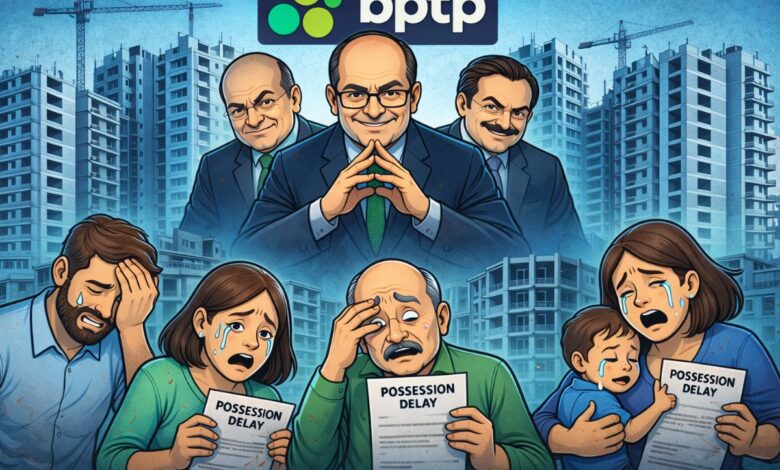
In the labyrinth of India’s real estate sector, few stories encapsulate the interplay of power, money, and alleged impunity as vividly as that of Kabul Chawla, the Chairman and Managing Director of BPTP Limited. Despite a trail of allegations spanning over a decade—including fraud complaints from thousands of homebuyers, multiple First Information Reports (FIRs), non-bailable warrants, and high-profile raids by the Enforcement Directorate (ED)—Chawla has evaded arrest. He reportedly resides in luxury in New York, far from the stalled projects and protesting buyers in Delhi-NCR.
This article delves into the systemic issues that allow such figures to seemingly operate above the law, examining how corporate tycoons exploit judicial delays, political ties, and legal loopholes. At its core, it questions whether Chawla’s purported connections to the Congress party, particularly former Haryana Chief Minister Bhupinder Singh Hooda and Robert Vadra, have shielded him from accountability. While no concrete evidence of arrests or convictions has surfaced as of January 2026, the pattern raises profound concerns about justice in India.
1. How Corporates and Big Tycoons Use the Slow Speed of Law as a Tool to Protect Themselves and Harass the Common Man
India’s legal system, often criticized for its glacial pace, serves as a shield for the powerful while becoming a weapon against the vulnerable. Corporates like BPTP exploit this “slow speed of law” by leveraging procedural intricacies to delay resolutions indefinitely. For instance, cases can languish in courts for decades due to adjournments, appeals, and overburdened dockets—India has over 50 million pending cases, with some real estate disputes dragging on for 20-30 years. Tycoons invest in top legal talent to file interlocutory applications, seek stays, or challenge jurisdiction, effectively stalling enforcement.
This tactic not only protects the accused but actively harasses victims. Homebuyers, often middle-class families who have invested life savings, face endless court dates, mounting legal fees, and emotional exhaustion. In BPTP’s case, buyers from projects like Parklands in Faridabad have waited since 2011 for possession, with complaints leading to FIRs but no swift action. The slow process discourages common people from pursuing justice, as they cannot afford prolonged battles against deep-pocketed entities. Corporates, aware of this asymmetry, continue operations—launching new projects or seeking IPOs—while victims suffer in silence. This “justice delayed is justice denied” mantra turns the law into a tool of endurance, where only the wealthy endure.
2. How Corporates and Big Tycoons Use the Judicial Process and Law to Defend Themselves and Drag Matters in Courts for Decades
The judicial process in India, with its multi-tiered appeals from district courts to the Supreme Court, is ripe for manipulation by the elite. Big tycoons employ “designated senior advocates” charging crores per hearing to exploit loopholes, such as filing multiple petitions under different jurisdictions or seeking anticipatory bail. The principle of “bail is the rule, jail is the exception” (as enshrined in Supreme Court judgments) often results in immediate relief for the accused, even in serious fraud cases.
For tycoons, dragging cases is strategic: pay 5-10% of the disputed amount as security, secure bail, and let the matter fester. Evidence can weaken over time—witnesses recant, documents go missing, or cases collapse on technicalities. In real estate, where RERA (Real Estate Regulatory Authority) was meant to expedite resolutions, delays persist due to appeals to appellate tribunals and high courts.
BPTP has faced numerous RERA complaints and civil suits, with outcomes varying from refunds in isolated cases (e.g., a 2025 Supreme Court order for one buyer) to dismissals on procedural grounds. Chawla’s companies have litigated in Delhi High Court and other forums, extending disputes for years. This not only defends the tycoon but erodes public faith, as common litigants face backlogs while high-profile cases get expedited hearings through influence.
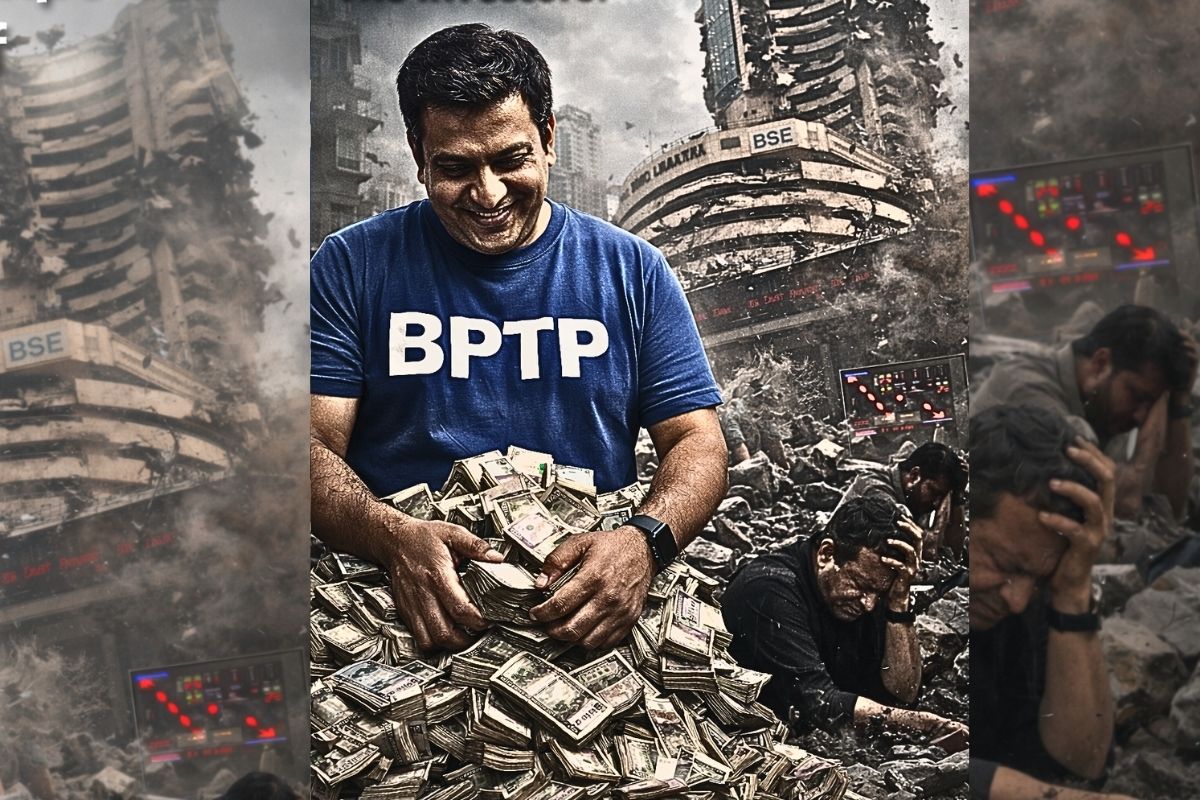
3. How Political Connections Help Big Business Tycoons to Protect Themselves and Provide Them Immunity from Any Legal Action
Political patronage is the ultimate armor for tycoons in India, offering de facto immunity through influence over investigations, appointments, and policy. Alliances with ruling parties can lead to diluted probes, transferred officers, or stalled FIRs. During favorable regimes, land deals flourish, and regulatory hurdles vanish; post-regime change, vendetta politics may ensue, but rarely culminate in arrests if cross-party ties exist.
Tycoons fund elections, provide logistical support, or enter quid-pro-quo arrangements, ensuring leniency. In Haryana, real estate boomed under Congress rule (2005-2014), with developers allegedly benefiting from land allocations. Such connections deter aggressive enforcement—agencies like ED or CBI, often seen as politically influenced, may raid but stop short of arrests. For Chawla, proximity to power has been cited as a buffer, allowing him to navigate scandals without incarceration.
4. How Justice Is Buried in India Under Money, Contacts, and Political Connections
Justice in India often succumbs to the triad of money, contacts, and politics, burying equity for the common man. Affluent accused hire “fixers”—advocates with judicial ties—to secure favourable benches or adjournments. Nepotism in the judiciary, where family legacies influence appointments, exacerbates this. Political connections amplify the issue: probes can be initiated or quashed based on regime affiliations.
Money fuels this burial—bribes to lower officials create “loopholes” in FIRs or charge sheets, leading to acquittals on “benefit of doubt” after decades. For the elite, justice is a commodity; for the poor, it’s an illusion. In real estate frauds, victims face this burial daily, as tycoons like Chawla allegedly siphon funds abroad while courts dither. This systemic rot erodes democracy, fostering a culture where power trumps law.
5. Detailed Section on the Connection of Kabul Chawla with Robert Vadra, Congress, and Bhupinder Singh Hooda
Kabul Chawla’s rise in Haryana’s real estate coincided with the Congress-led government under Bhupinder Singh Hooda (2005-2014), during which BPTP acquired vast land banks—over 2,500 acres in Delhi-NCR. Hooda’s administration is credited with a “land boom,” where developers allegedly benefited from favorable policies, including relaxed zoning and quick approvals. Chawla, described as close to Hooda, expanded BPTP rapidly, outpacing veterans like DLF. Media reports highlight how BPTP’s growth was fueled by political goodwill, with Chawla’s company securing prime plots amid rumors of Congress ties.
Links to Robert Vadra, Sonia Gandhi’s son-in-law, are more speculative but persistent. Vadra’s real estate ventures in Haryana, including deals with DLF, drew scrutiny for alleged irregularities under Hooda. While no direct BPTP-Vadra transactions are proven, reports suggest overlapping networks—Vadra’s Skylight Hospitality received licenses during the same era, and BPTP is mentioned in broader probes into Hooda’s land allocations. BPTP has denied Vadra connections, but critics allege a “nexus” where Congress proximity shielded developers. Hooda has defended such deals, calling post-2014 investigations “vendetta” by the BJP. Chawla’s in-laws’ ties to TDI Group (another Haryana developer) further embed him in this ecosystem. These connections, while not criminal per se, are seen as enabling BPTP’s unchecked expansion amid buyer complaints.
6. Detailed Section on How Despite Multiple FIRs, Police Warrants, ED & CBI Raids, Kabul Chawla Was Never Arrested
Chawla’s legal saga began in 2011 with a Faridabad FIR alleging ₹400 crore fraud against over 1,000 buyers in Sector 85 project, invoking IPC sections for cheating (420), breach of trust (406), and conspiracy (120-B). A non-bailable warrant against Kabul Chawla followed in December 2011 from Delhi’s Patiala House Court in a related ₹40 lakh cheating case. Multiple FIRs emerged across NCR police stations for similar issues—project delays, fund diversion, and misrepresentation.
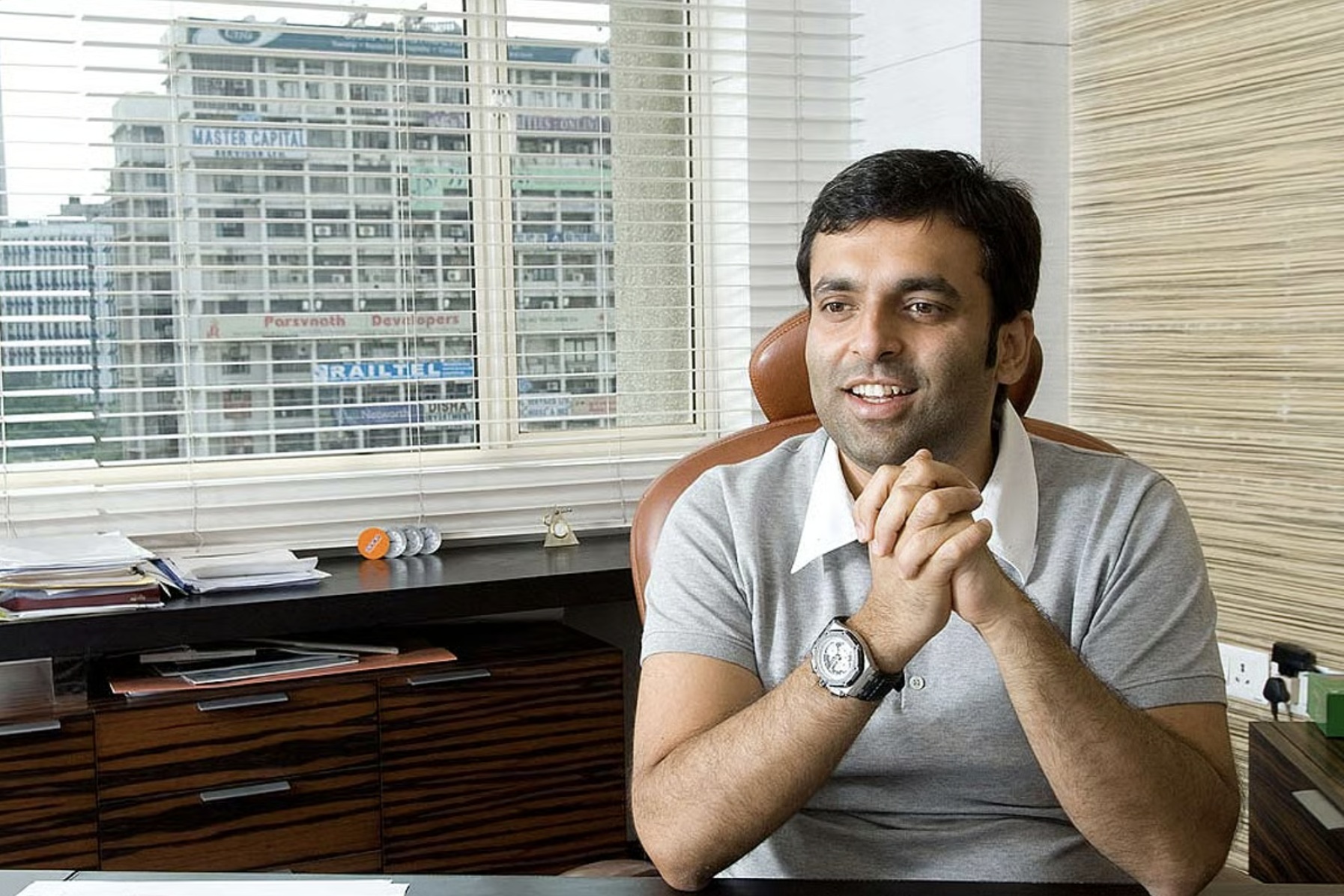
ED raids in August 2025 targeted BPTP offices and Chawla’s residences over ₹500 crore FEMA violations involving Mauritius-based FDI (2007-2008), including alleged put/swap options and undisclosed foreign assets. Documents were seized, lockers frozen, but no arrest. ED noted multiple FIRs but focused on investigation, not custody. No CBI raids are confirmed; searches for CBI involvement yield only ED references.
Additional complaints include a 2024 incident where a 5-year-old drowned in BPTP’s Park Serene pool, leading to FIRs for negligence and protests demanding Chawla’s arrest. Two staff were arrested, but not Chawla or senior management. Chawla’s US relocation since around 2015, amid a New York Times exposé on his $19 million Manhattan condo, has complicated enforcement—extradition is rare without strong evidence. Bail or anticipatory relief, combined with appeals, has kept him free.
7. How a Common Man Is Always Betrayed, Harassed, Exploited in the Name of Legal Process Which Is Lethargic, Tedious, Time and Money Consuming
The common man in India is routinely betrayed by a legal process designed for endurance, not efficiency. Tedious procedures—filing complaints, attending hearings, gathering evidence—consume time and money, with cases averaging 5-10 years in lower courts. For homebuyers duped by BPTP, this means endless RERA hearings, police complaints, and civil suits, often dismissed on technicalities. Exploitation thrives: builders collect 95-100% payments, delay delivery, and charge interest on “defaults,” while buyers pay EMIs on undelivered homes.
Harassment is systemic—victims face threats, false countersuits, or bureaucratic hurdles. In BPTP projects like Discovery Park, buyers protested for years, only to get “tarikh pe tarikh” (date after date). The lethargy betrays trust, as 90% withdraw cases due to fatigue, allowing corporates to “win without fighting.”
8. How Big Tycoons Use Loop-Holes in the Legal System and Continue Harassing the Common Man and Justice Is Always Buried for the Common Man
Tycoons exploit loopholes like weak enforcement of IPC/RERA, jurisdictional ambiguities, and bail norms to perpetuate harassment. They divert funds abroad via shell companies, as alleged in BPTP’s Mauritius case, while victims wait. Justice is buried as evidence fades, and influence sways outcomes—acquittals on “lack of evidence” after 15-20 years are common.
In BPTP’s saga, loopholes allowed continued expansion despite scandals, harassing buyers with delays and poor quality. The common man’s justice remains interred under this imbalance.
Details of Actions Taken by Authorities on Kabul Chawla and BPTP
- 2011 FIR and Warrant: Faridabad police registered FIR for ₹400 crore fraud; Delhi court issued non-bailable warrant.
- Ongoing Civil/RERA Disputes: Multiple investor suits (e.g., CPI India vs. BPTP), RERA orders varying from compensations to dismissals.
- 2024 Negligence FIR: After child’s drowning, FIR against BPTP staff; protests demanded Chawla’s arrest.
- 2025 ED Raids: Searches on August 26-27 for FEMA violations; documents seized, lockers frozen. Probe ongoing, linking to prior FIRs.
- No CBI Involvement: No raids or FIRs confirmed.
Analysis: Why Kabul Chawla Was Never Arrested—Is the Legal System, Law, and Judiciary So Helpless, Toothless, and Powerless in Front of Kabul Chawla?
Kabul Chawla’s non-arrest stems from a confluence of systemic failures and alleged protections. Political connections under Hooda likely provided initial impunity, allowing BPTP’s growth amid scandals. Post-2014 BJP rule saw ED action, but as “vendetta,” it hasn’t escalated to custody—perhaps due to cross-party influences or insufficient evidence for arrest under FEMA (a civil law). His US relocation adds barriers; India lacks robust extradition for non-extraditable offenses.

The legal system appears toothless: overburdened courts, politicized agencies, and loopholes favor the elite. While not entirely helpless—raids signal scrutiny—enforcement falters without political will. Chawla’s case exemplifies how money and connections bury justice, leaving questions: Is Congress shielding him, or is the system inherently biased? Until arrests materialize, victims’ plight underscores a powerless judiciary against the powerful.