Kotak Mahindra Bank Recorded The Highest Number Of Bank Fraud Cases. Now You Understand How Uday Kotak Became Asia’s Richest Banker.
Uday Kotak Donated Via Electoral Bonds To BJP So That No Agency Can Investigate The Matter And Take Action Against The Bank


Kotak Mahindra Bank has long been a symbol of India’s dynamic private banking sector, but its record on fraud cases has raised eyebrows. According to parliamentary reports, the bank topped the list for reported frauds in recent years, prompting debates about internal controls, employee accountability, and potential conflicts of interest at the highest levels. Uday Kotak, the bank’s founder and Asia’s richest banker with a net worth exceeding $14 billion, built his fortune through astute financial maneuvering and growth strategies.
However, critics point to a series of fraud incidents, some involving bank staff, and question whether political donations via electoral bonds influenced regulatory leniency. This article delves into these issues, drawing on available data to provide a critical, fact-based analysis of how Kotak Mahindra Bank navigated fraud challenges while its leader amassed significant wealth and assets, including multi-crore properties in Mumbai’s elite neighborhoods.

While the bank’s high fraud reporting may reflect transparency rather than inherent flaws, recurring employee-involved scandals and the timing of political contributions warrant closer examination. Amid accusations of customer exploitation and unchecked asset-building, we explore whether investigative agencies have been sufficiently proactive.
Parliamentary Reports: Kotak’s Dubious Top Ranking in Fraud Cases
As per disclosures in Parliament, Kotak Mahindra Bank reported the highest number of fraud cases among private lenders in FY22. In a written reply to the Lok Sabha, the Minister of State for Finance revealed that the bank logged 642 frauds exceeding Rs 1 lakh between April and December 2021—surpassing ICICI Bank’s 518 and IndusInd Bank’s 377. This trend persisted into FY23, with Kotak reporting a staggering 5,278 cases in the first quarter alone, far outpacing peers like SBI’s mere 9.
Critics argue this reflects systemic vulnerabilities, particularly in digital channels where phishing and vishing scams prey on customers. While the bank attributes many incidents to customers “unwittingly compromising their credentials,” the sheer volume—97% linked to cards and digital frauds—suggests lapses in preventive measures. Nationally, private banks like Kotak dominated fraud reports, contributing to over 292,800 cyber fraud cases in FY24 with losses of Rs 3,207 crore over five years. Kotak’s ranking fuels concerns that aggressive digital expansion may have prioritized growth over security, potentially cheating millions of customers through inadequate safeguards.
Employee and Manager Involvement: Collusion in Key Cases
While not the majority, several high-profile frauds at Kotak involved bank employees and managers colluding with external scammers, raising alarms about internal governance. In a notable 2025 case, a Bihar branch manager siphoned Rs 31 crore from government accounts to fund gambling addictions, forging signatures and misusing customer KYC details to open 21 fraudulent accounts. The manager, Sumit Kumar, was terminated, and the Economic Offences Unit filed charges for forgery and money laundering.

In Gurugram, three Kotak executives—two deputy managers and an assistant manager—were arrested in 2024 for opening over 2,000 fake accounts to aid cybercriminals, facilitating crores in nationwide scams. Another incident involved a sales manager in Hyderabad colluding in a Rs 2.06 crore trading fraud. In Mumbai, a relationship manager allegedly defrauded a 75-year-old U.S. citizen of Rs 2.7 crore by misusing blank documents and OTPs.
These cases, though not representative of “most” frauds (which are primarily external digital attacks), highlight a pattern of insider threats. Critics contend that such collusions enable scammers to exploit customers, eroding trust and allowing fraudulent gains to flow unchecked. Kotak has responded by terminating involved staff and enhancing vendor oversight, but the recurrence suggests deeper cultural or incentive issues within the bank.
Electoral Bonds and Allegations of Influence: Donations to BJP Amid RBI Decisions
Uday Kotak’s group entity, Infina Finance, donated Rs 60 crore exclusively to the Bharatiya Janata Party (BJP) via electoral bonds between 2019 and 2021. Some reports suggest the timing coincided with favourable RBI rulings for Kotak Mahindra Bank, including a 2020 out-of-court settlement allowing Uday Kotak to retain a 26% stake despite earlier RBI pressure to reduce it to 10%. Infina purchased Rs 35 crore in bonds in the months leading to this settlement, all encashed by the BJP.
Analysts have raised quid pro quo concerns, especially since Kotak publicly questioned electoral bonds in 2019 before his group participated. While no direct evidence links donations to avoided investigations, the opacity of bonds has fuelled speculation that such contributions may shield the bank from stricter scrutiny. Despite RBI penalties (e.g., barring new digital customers in 2024 for IT lapses), critics argue agencies like the ED have not probed deeply into employee frauds, potentially due to political ties.
Uday Kotak’s Wealth and Properties: Built on Bank Success or Enabled by Oversights?
Uday Kotak’s ascent to Asia’s richest banker, with a $14.2 billion net worth, stems from transforming a $80,000 bill-discounting firm in 1985 into Kotak Mahindra Bank, now valued at over Rs 4.3 lakh crore. Key milestones include securing a banking license in 2003 and acquisitions like ING Vysya in 2014. However, detractors link his wealth-building to the bank’s fraud vulnerabilities, suggesting unrecovered losses indirectly burden customers while executives thrive.
In 2025, Kotak and family acquired an entire sea-facing building in Mumbai’s Worli—22 apartments for over Rs 400 crore, setting a record at Rs 2.75 lakh per sq ft. This follows a 2018 purchase of adjacent “Champagne House” for Rs 385 crore. While legally acquired, critics view these multi-crore assets as emblematic of unchecked prosperity amid customer complaints of fraud and mis-selling, with little accountability from investigating agencies.
Regulatory Actions and the Path Forward
The RBI has not been idle, imposing penalties like Rs 3.95 crore in 2023 for fraud reporting lapses and a 2024 ban on new digital onboarding due to IT risks. Yet, enforcement appears inconsistent, with some fraud cases leading to arrests but broader systemic probes lacking. Kotak has invested in AI-driven detection and awareness campaigns, contributing to a 50% drop in digital frauds industry-wide in FY25.
Conclusion: Balancing Growth with Accountability
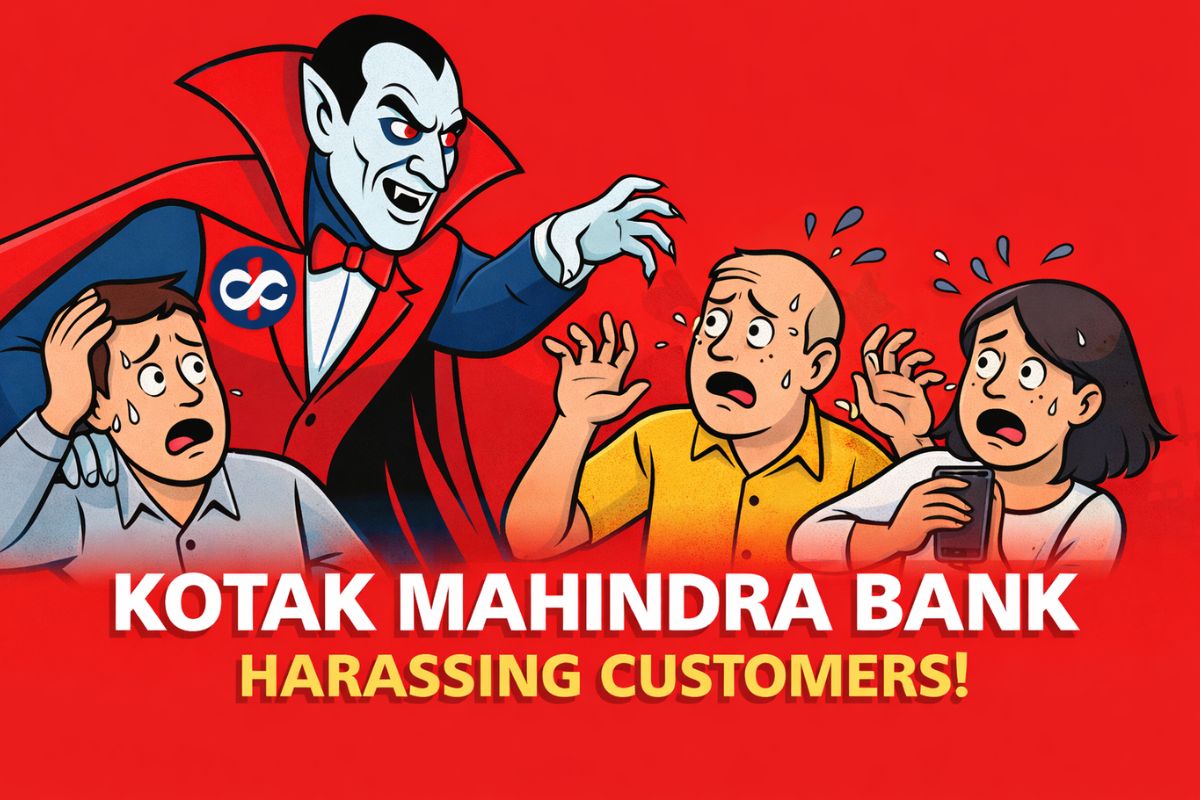
Kotak Mahindra Bank’s fraud record underscores the perils of rapid expansion in India’s banking sector. While Uday Kotak’s wealth reflects entrepreneurial success, the involvement of employees in scams, electoral bond donations, and lavish property acquisitions invite scrutiny over whether customers are being shortchanged. Without stronger action from agencies, allegations of influence and exploitation persist. For Kotak to rebuild trust, transparent reforms and rigorous internal audits are essential, ensuring growth benefits all stakeholders—not just the elite.