India’s Milk Scare. Has Food Safety Nearly Collapsed And Is FSSAI Still Fit For Purpose?
If milk - the most basic and universal staple - cannot inspire unquestioned confidence, then the problem is larger than one contaminated batch. The question remains. Is FSSAI still fit for purpose in a country where food safety can no longer afford to be aspirational?

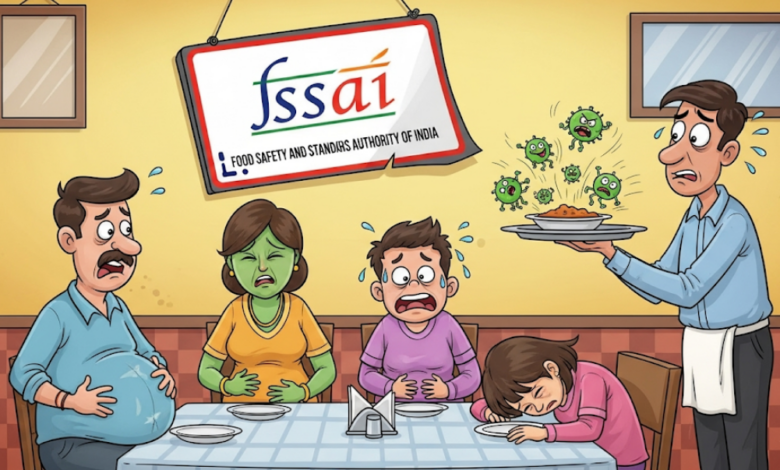
Is your milk safe to consume?
This is no longer paranoia but a legitimate national question. That question has moved from casual suspicion to serious national concern after independent lab tests reportedly found alarming deviations in packaged milk sold by leading dairy brands.
Trustified, an independent laboratory testing initiative, revealed that some samples showed coliform levels up to 98 times higher than limits prescribed by India’s food regulator. In other cases, total plate count levels – a key indicator of hygiene and microbial load – were found to be far above acceptable thresholds.
Milk is not a processed indulgence. It is a daily essential consumed by children, the elderly, and the sick. When such a staple product fails safety benchmarks, the implications extend beyond microbiology. They strike at the core of regulatory credibility.
What Coliform Really Indicates
Coliform bacteria are widely used as markers of sanitary quality in food systems. They are not automatically deadly, but elevated levels signal hygiene breakdowns somewhere in the production chain. E. coli, a member of the coliform group, can cause gastrointestinal infections when pathogenic strains are present.
In India’s dairy ecosystem, contamination can occur during manual milking where cow dung exposure is common, or through improperly sanitised equipment. Pasteurisation is meant to drastically reduce microbial load. However, if cold chain systems fail during transport or storage, bacterial multiplication can resume. This is why Indian households have historically boiled milk – a practice rooted in distrust of supply chains long before modern packaging.
Ultra-high temperature milk, heated above 135°C and sealed in sterile packaging, generally performs better in contamination tests. That contrast is telling. It suggests that processing discipline and supply-chain integrity make the difference between compliance and risk.
The Urea Allegations And Chemical Dilution
The microbial findings are only part of the concern. Rajya Sabha MP Raghav Chadha recently alleged that a significant percentage of milk samples contained urea and neutralisers such as sodium bicarbonate. He further pointed to discrepancies between milk production figures and market supply volumes, raising the possibility of systematic dilution.
If true, such practices move beyond negligence into deliberate fraud. Urea can artificially elevate protein readings in diluted milk. Neutralisers can mask spoilage. Together, they create the illusion of quality while compromising safety.
In Gujarat, authorities reportedly dismantled a unit in Sabarkantha district allegedly producing adulterated milk and buttermilk for years. Chemicals were seized. Distribution networks were exposed. Consumers had already consumed the product.
Milk is the base for ghee, paneer, sweets and infant products. If the source is compromised, the contamination multiplies across the food chain.

A Recurring Pattern Beyond Dairy
The milk scare does not stand alone. It fits into a broader and disturbing pattern.
Export consignments of Indian spices have faced scrutiny abroad over ethylene oxide contamination. Independent studies have alleged that a large proportion of honey brands are adulterated with sugar syrup. State-level inspections have repeatedly found high failure rates in paneer samples. During festive seasons, raids uncover synthetic khoa and chemically treated sweets.
The Maggi episode demonstrated how even multinational giants can become embroiled in food safety disputes. Allegations regarding added sugar in baby food products sold domestically but not in certain overseas markets have reignited debates around double standards.
Stone powder mixed into flour in Aligarh. Spurious tomato sauce containing synthetic dyes and preservatives. Animal fat contamination allegations in ghee supplied to religious institutions. These are not stray incidents. They are recurring headlines across categories.
When contamination cuts across milk, spices, honey, flour, sweets and processed foods, the issue stops being episodic. It becomes systemic.
The Regulator Under Scrutiny
The Food Safety and Standards Authority of India was created to prevent precisely this kind of erosion of public trust. Yet audit reports and disclosures suggest persistent enforcement gaps.
A 2023 report by the Comptroller and Auditor General indicated that a substantial proportion of food samples tested nationwide failed to meet prescribed standards. However, enforcement action followed in only a fraction of those cases. Detection without decisive consequence weakens deterrence.
RTI disclosures from previous years showed that while millions of food business licences were issued, revocations were rare. If licence suspension remains exceptional even after violations are recorded, regulatory authority risks becoming symbolic rather than punitive.
In May 2024, a senior official was arrested on bribery allegations, and disproportionate assets were reportedly uncovered during subsequent raids. Even if isolated, such incidents deepen public skepticism about internal accountability within the system.
Policy Delays And Industry Pushback
Enforcement is only one side of regulation. Policy direction matters just as much.
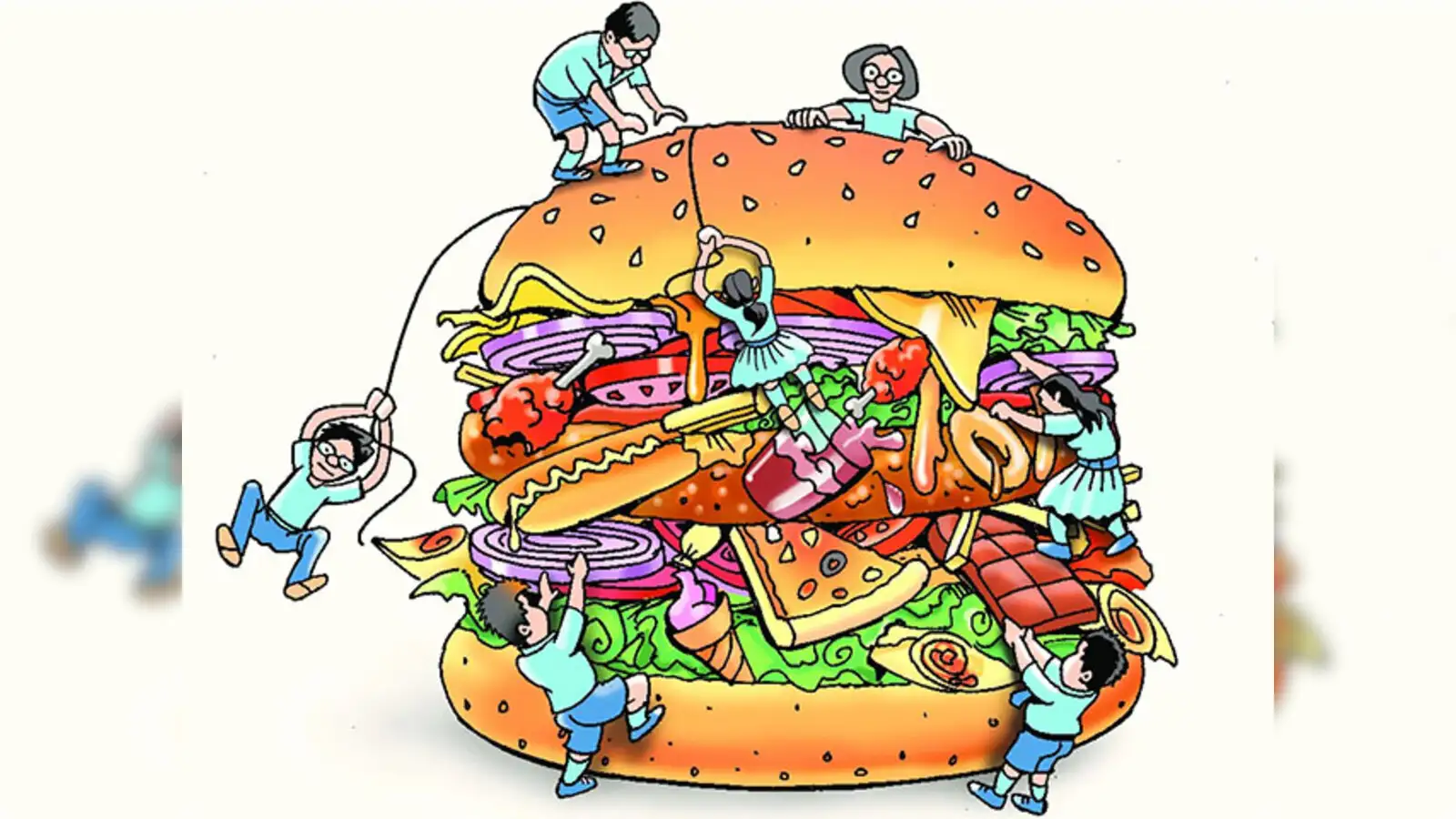
The global call to eliminate industrial trans fats gained momentum years ago. India’s implementation lagged behind international timelines. Front-of-pack warning labels designed to clearly inform consumers about high salt, sugar or fat content have faced prolonged delays. Public health advocates push for clarity. Industry stakeholders push back. Reform stalls.
Debates around the labelling and oversight of genetically modified derivatives such as cottonseed oil further expose regulatory hesitation. When transparency measures move slowly, suspicion grows faster.
How Does FSSAI Compare To Global Food Regulators?
Food safety regulation is not a uniquely Indian challenge. Every major economy struggles with contamination risks, corporate pressure, and enforcement gaps. The real question is how regulators respond when standards are breached.
The United States: The FDA Model
The United States operates under the authority of the Food and Drug Administration (FDA). The FDA has sweeping powers that extend beyond standard-setting. It can issue mandatory recalls, seize products, suspend facility registrations, and initiate criminal proceedings. Inspection findings are publicly documented, and recall notices are accessible in real time.
When violations occur, companies often face immediate reputational damage because enforcement actions are transparent and widely reported. The system is not flawless, but it is visibly assertive. Recalls are not rare; they are routine when standards are breached.
The contrast lies not merely in law, but in consequence. In the US system, regulatory action is swift and public.
The European Union: Precaution Above All
The European Union operates through the European Food Safety Authority (EFSA), working alongside national regulators. The EU follows what is known as the precautionary principle. If there is credible scientific doubt about a product’s safety, restrictions can be imposed even before conclusive long-term harm is proven.
European regulators routinely reject consignments that fail microbial or chemical standards. Ethylene oxide contamination in spices, for instance, triggered swift bans and recalls across multiple EU states. Labelling standards for genetically modified ingredients are strict and mandatory.
Transparency is embedded into the system. Consumers have access to recall databases and safety alerts. Risk communication is part of governance, not an afterthought.
The United Kingdom: Rapid Response And Clear Communication
The UK’s Food Standards Agency publishes recall alerts, inspection outcomes, and enforcement actions openly. When contamination is detected, public advisories are issued quickly. Food businesses are graded visibly through hygiene rating systems that are displayed at establishments.
The grading system creates direct consumer pressure. Poor compliance translates into immediate reputational cost.
Singapore: Zero Tolerance Enforcement
Singapore’s food regulator enforces strict compliance standards with zero tolerance for repeated violations. Licences are suspended promptly when hygiene lapses are detected. The small size of the country aids enforcement, but the underlying principle is clear: deterrence must be visible to be effective.

Where Does FSSAI Stand?
On paper, India’s Food Safety and Standards Authority has broad powers similar to many global regulators. It can suspend licences, issue penalties, and conduct inspections. Standards exist. Guidelines exist. Notifications exist.
The challenge lies in enforcement intensity, inspection capacity, and transparency.
Unlike the FDA or the UK agency, FSSAI does not maintain a widely accessible, real-time national recall dashboard that consumers actively monitor. Enforcement actions are not always visible in a consolidated public format. Licence suspensions are not routinely highlighted in a way that creates immediate deterrence.
Inspection frequency also differs dramatically. In developed regulatory ecosystems, facilities are inspected at predictable intervals based on risk categorisation. In India, the sheer scale of food businesses – from street vendors to multinational factories – stretches inspection resources thin.
Another crucial difference is consumer empowerment. In many Western systems, food safety alerts reach consumers instantly through digital platforms. In India, awareness often spreads through media exposés rather than official channels.
The structural imbalance becomes clear. FSSAI governs one of the largest and most complex food markets in the world with limited manpower, uneven state-level coordination, and political pressure from powerful food lobbies. Yet scale cannot be an excuse indefinitely. If anything, scale demands stronger transparency, not weaker enforcement.
A Matter Of Institutional Culture
International regulators are not immune to corporate influence or occasional lapses. But their institutional culture places visible enforcement at the centre of credibility. In India, enforcement often appears reactive rather than preventive. Scandals erupt. Raids follow. Seizures are announced. Headlines fade. Structural change remains slow.
The difference is not merely in law. It is in posture.
In advanced regulatory systems, companies fear the regulator. In India, the recurring nature of adulteration scandals raises a harder question: do violators fear consequences enough?
)
The Benchmark India Must Meet
India is no longer a low-income, supply-constrained economy. It is the world’s fifth-largest economy with global ambitions. Indian food products compete in international markets. Export rejections over contamination hurt not only companies but national reputation.
If Indian consignments are rejected abroad for failing microbial or chemical benchmarks, but circulate domestically without similar visibility of enforcement, a troubling asymmetry emerges. Domestic consumers deserve at least the same protection standards as foreign markets demand.
The milk scare, therefore, is not only about bacteria in pouches. It is about whether India’s regulatory framework aspires to match global best practice in transparency, speed, and deterrence.
Likewise, the question is not whether FSSAI has powers. It is whether those powers are exercised with the same urgency and visibility seen in global counterparts.
The Public Health Cost
India carries one of the highest diabetes burdens in the world. Cardiovascular disease and other non-communicable illnesses account for the majority of deaths. Childhood obesity is rising steadily.
No single regulator can be blamed for all lifestyle diseases. Urbanisation, sedentary behaviour and dietary shifts are major contributors. However, a compromised food safety ecosystem compounds every other risk factor. Chemical adulteration, excessive sugar, weak labelling and inconsistent enforcement create an environment where consumer vulnerability increases.
The Last Bit, The Question (s) That Cannot Be Ignored
When milk allegedly shows coliform levels vastly exceeding safety limits, when adulteration units are periodically uncovered, when audit reports show enforcement gaps, and when reforms stall, the cumulative effect is damaging.
India does not lack food safety laws. It lacks consistent, uncompromising enforcement.
The milk scare is not just about bacteria. It is about credibility. It is about whether regulatory institutions command enough authority, transparency and independence to protect public health in a complex food economy.
If milk (the most basic and universal staple) cannot inspire unquestioned confidence, then the problem is larger than one contaminated batch. The question remains. Is FSSAI still fit for purpose in a country where food safety can no longer afford to be aspirational?