When A Dream Home Begins To Crumble, What Does It Say About The Builder? The Price Of Trust In BPTP
A home is meant to be a place of safety, not a source of fear. But for residents of BPTP's Sector 88 in Faridabad, falling plaster, rising maintenance charges and growing safety concerns have sparked a larger question: is this an isolated failure, or another warning sign in BPTP's long history of homebuyer disputes?

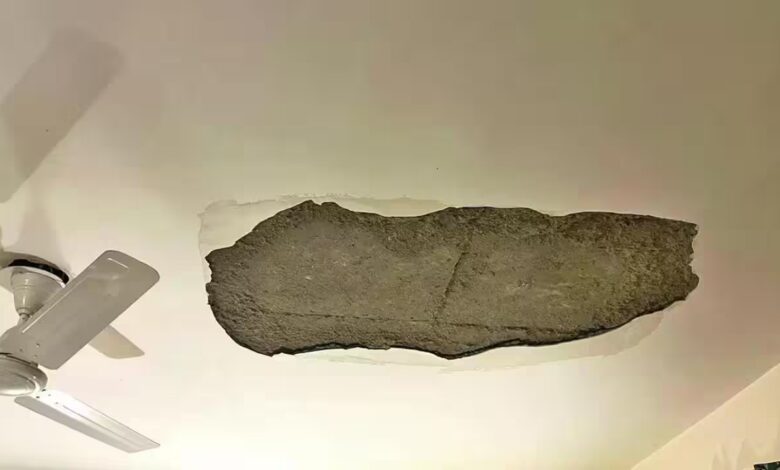
For hundreds of families living in BPTP’s residential colony in Sector 88, Faridabad, home has become a place of uncertainty rather than security. In B Block, pieces of plaster are peeling away from walls and balconies, crashing onto the common areas below without warning. The pathways where children play, senior citizens take evening walks and residents move about their daily lives have, quite literally, become potential danger zones.
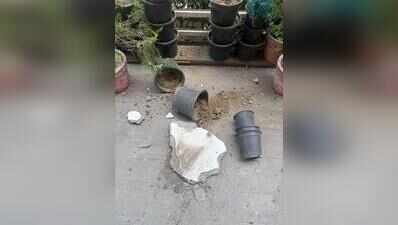
Residents say the deterioration is no longer a matter of ageing paint or routine wear and tear. Videos circulating from the society show chunks of plaster breaking away from balconies and exterior walls, exposing what many believe are deeper construction and maintenance concerns. “It falls suddenly.
One day it will land on someone’s head,” residents warn, fearing that it may only be a matter of time before a near miss turns into a tragedy.
What makes the situation particularly alarming is that the affected areas are not hidden corners of the complex but shared spaces used throughout the day. Every piece of debris that falls carries the risk of causing serious injury to a child playing below, an elderly resident out for a walk, or even a delivery worker passing through the colony. For many families, stepping outside their homes now comes with an element of apprehension that no homeowner should have to live with.
Residents say they invested their savings in what was marketed as modern, premium housing, expecting safety, quality and peace of mind. Instead, they now find themselves questioning whether the buildings they trusted to protect their families have become hazards in their own right. And as the plaster continues to fall, so too does their confidence that the problem will be addressed before someone gets hurt.
Rising Maintenance Bills, But Where Is The Maintenance?
For many residents, the falling plaster is only one part of a much larger grievance. They say that while the physical condition of the buildings has steadily worsened, the cost of living in the society has continued to rise. According to residents, maintenance charges have been increased two to three times over the years, yet they struggle to identify corresponding improvements in the upkeep of the property. They allege that despite paying substantial maintenance fees, routine repairs, preventive maintenance and structural upkeep have remained largely absent.
The frustration deepens when residents seek immediate repairs. Several claim they have repeatedly approached the builder over the deteriorating plaster, only to be told that rectification would require additional payment. To many homeowners, the response is difficult to reconcile with the maintenance charges they have already been paying.
“We feel as if we are living in rented houses,” one resident remarked, reflecting a sentiment shared by several others. “We continue paying maintenance, but when something as basic as safety becomes an issue, we’re still asked to spend more.”
For families who invested their life savings in these apartments, the dispute is no longer about amenities or aesthetics. They argue that maintenance charges should first guarantee the essentials – safe buildings, structurally sound common areas and timely repairs when hazards emerge. Instead, residents say they are being asked to shoulder rising financial obligations while simultaneously living with the fear of deteriorating buildings.
The growing disconnect between what residents say they pay and what they believe they receive has fuelled a deeper question: is Sector 88 simply suffering from poor maintenance, or is it another example of problems that have surfaced across other BPTP projects over the years? That question becomes difficult to ignore when viewed alongside a series of regulatory proceedings, consumer disputes and complaints involving the developer elsewhere in the NCR.
An Isolated Incident Or Part Of A Larger Pattern?
For residents of Sector 88, one question increasingly overshadows every new piece of falling plaster: is this an isolated maintenance failure, or does it reflect a broader pattern?
Their concerns have only intensified following a similar incident at another BPTP development. In June 2026, a seven-year-old boy was injured after a chunk of plaster fell from a second-floor balcony at BPTP Amstoria in Sector 102, Gurugram.
The child suffered a head injury, prompting residents to demand an immediate structural audit of the township. Several residents alleged that the accident exposed deeper concerns about construction quality and long-term maintenance, warning that such incidents should never occur in residential communities marketed as premium housing.
The Amstoria incident was not the only warning. In another nearby residential society, Royal Heights, a delivery executive reportedly escaped injury by mere inches after plaster came crashing down close to him. While that incident did not involve BPTP, it reinforced a growing concern across parts of NCR over ageing residential structures, inadequate maintenance and the risks posed by deteriorating buildings.
For homeowners in Sector 88, these incidents make it difficult to dismiss the falling plaster as an isolated episode or a matter of cosmetic neglect. They argue that the similarities are striking: deteriorating exterior walls, repeated complaints from residents, fears over public safety and demands for structural inspections before a more serious accident occurs. Whether those similarities point to a wider systemic issue is a question that only detailed structural assessments can answer.
What is already on record, however, is that concerns involving BPTP have not been confined to construction quality alone. Over the years, the developer has faced a series of disputes before regulators and consumer forums over issues ranging from maintenance practices and delayed possession to additional financial demands and project delivery.
Together, those proceedings provide a broader context for the questions now being raised in Sector 88.
When Homebuyer Disputes Reach The Regulators
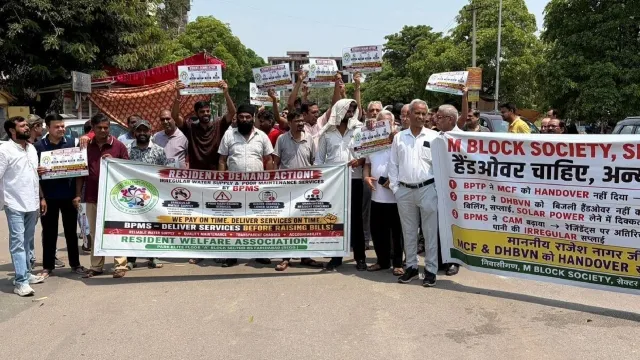
The concerns being raised by residents in Sector 88 do not exist in a vacuum. Over the years, BPTP has repeatedly found itself before regulatory authorities and consumer forums over disputes involving maintenance charges, delayed possession, additional financial demands and project delivery. While each case relates to a different project and turns on its own facts, together they reveal a history of homebuyers seeking legal intervention after failing to resolve their grievances directly with the developer.
One of the most significant recent rulings came in June 2026, when the Haryana Real Estate Regulatory Authority (HRERA) directed BPTP to refund more than ₹1.16 lakh collected as maintenance charges from a homebuyer before possession of the apartment had been handed over. The Authority held that the charges had been collected without legal backing and ordered the developer to refund the amount with 11% annual interest. It also awarded ₹1 lakh as compensation for mental agony and ₹50,000 towards litigation costs.
BPTP, according to published reports, stated that it had not yet been formally served with the order and would examine it before deciding on its legal course.
For residents of Sector 88, the ruling carries particular significance. Their principal grievance is not merely that maintenance charges have risen over the years, but that they continue paying those charges while alleging that essential repairs and preventive maintenance have not kept pace. Although the HRERA order concerns a different project and should not be treated as evidence of conditions in Sector 88, it demonstrates that disputes over maintenance practices involving BPTP have already attracted regulatory scrutiny.
The regulatory record is accompanied by a series of consumer disputes. In one 2026 judgment relating to BPTP’s Next Door project, the Delhi State Consumer Commission examined allegations of prolonged delays in possession, unilateral contractual changes, disputed maintenance calculations and additional financial demands. After considering the material before it, the Commission held the developer deficient in service and directed a refund exceeding ₹43 lakh with interest. In another matter involving the Park Terra project, HRERA ordered BPTP to refund more than ₹18 lakh with interest after rejecting the company’s objection regarding the limitation period for the complaint.
Taken individually, none of these proceedings establishes the condition of the buildings in Sector 88. Collectively, however, they show that disputes involving maintenance practices, project delivery and buyer grievances have repeatedly reached regulators and judicial forums. That broader record is now impossible to ignore as residents in Faridabad ask why the homes they purchased as long-term investments have become a source of growing anxiety.

Beyond Sector 88, A Pattern Of Homebuyer Disputes
Taken together, the disputes involving BPTP extend far beyond complaints of falling plaster or inadequate maintenance. Across different projects and over several years, homebuyers have approached regulators, Consumer Commissions and courts over a familiar set of grievances: delayed possession, disputed maintenance charges, additional financial demands, changes in super area and allegations that promised standards of delivery were not always met.
While every case rests on its own facts and BPTP has contested allegations in several proceedings, the repetition of similar issues across multiple forums has inevitably raised questions about the developer’s approach to project execution and customer service.
For many buyers, the relationship with the developer did not end when they signed the agreement or received possession. Instead, it evolved into years of correspondence, legal notices and litigation. Some complained of waiting well beyond promised possession timelines. Others challenged additional demands raised after booking, while several disputes centred on maintenance charges and the condition of properties handed over to buyers. In many instances, homebuyers turned to regulatory authorities only after claiming that attempts to resolve their concerns directly had failed.
What emerges from the available record is not one defining controversy but a series of recurring disputes that span different stages of the homebuying journey – from booking and possession to maintenance and long-term upkeep. That distinction is significant. A delayed possession case may differ from a maintenance dispute, and neither automatically proves deficiencies in construction quality. Yet together, they point to a recurring cycle of conflict between the developer and sections of its customers that has repeatedly required intervention by regulators and judicial bodies.
It is against this backdrop that the concerns emerging from Sector 88 take on greater significance. Residents are not merely complaining about peeling plaster or demanding repairs to their buildings. They are asking whether the problems they face today reflect the same disconnect between promises and delivery that has surfaced in disputes involving other BPTP projects. That question remains contested, but the developer’s regulatory and litigation history ensures it cannot be dismissed as speculation alone.
The Last Bit, BPTP’s Dismal Record
For the families of B Block, the debate over BPTP’s record is no longer an abstract discussion about regulatory orders, consumer litigation or contractual disputes. Their concern is immediate and tangible.
Residents say their demands are neither unreasonable nor complicated. They want an independent structural audit of the buildings, immediate repairs to areas showing signs of deterioration, greater transparency over how maintenance charges are being utilised, and a clear assurance that safety concerns will be addressed before another accident occurs.
They also want accountability – from both the developer responsible for maintaining the property and the authorities entrusted with enforcing building safety standards.
The questions raised by Sector 88 extend beyond one residential colony in Faridabad. They touch upon a larger issue confronting India’s rapidly expanding housing market: what happens after the keys are handed over? For homebuyers, purchasing a flat is often the single biggest financial decision of their lives. The expectation is not simply that possession will be delivered, but that the buildings will remain safe, properly maintained and worthy of the trust placed in the developer.
BPTP, for its part, has contested allegations in several disputes before regulatory and judicial forums, and each case has been decided on its own facts. Equally, the concerns being raised by residents in Sector 88 deserve careful examination rather than dismissal. Whether the current condition of the buildings stems from construction deficiencies, maintenance failures or a combination of both is ultimately a matter that independent technical assessments and regulatory scrutiny must determine.
What is beyond dispute is that pieces of plaster have already fallen from buildings where families continue to live. The danger is real enough for residents to fear that the next incident may not end with a close call.
Thus, the challenge before the builder and the authorities is straightforward: act before that fear becomes reality. Because when people invest their life savings in a home, they should never have to wonder whether the walls around them will remain standing or whether the next piece of plaster will be the one that changes a family’s life forever.