From Five-Star Hotels To Domino’s : Expensive Plates Dirty Kitchens India’s Premium Food Problem Is Getting Hard To Ignore
You pay more, expect more and assume the kitchen matches the price tag. But recent raids across Bengaluru and Maharashtra are exposing a very different reality. From five-star hotels and premium pubs to Domino’s and Pizza Hut, regulators are finding rotten food, expired ingredients, pests and basic hygiene failures.

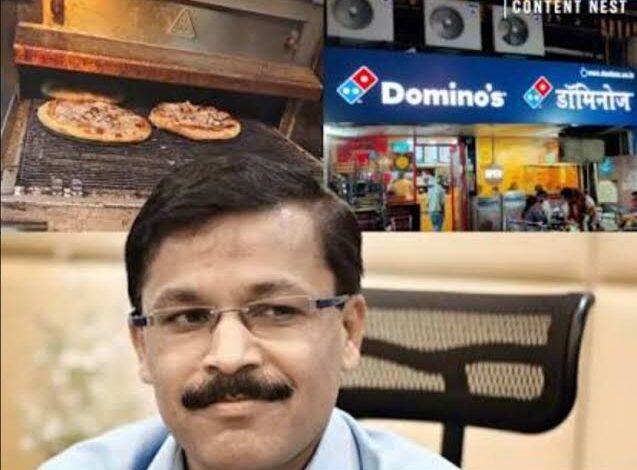
Four Domino’s Pizza outlets in Maharashtra have had their food-business licences suspended after state food safety officials found multiple violations during inspections, including problems with hygiene, sanitation, food storage and pest control.
Three of the outlets are in Mumbai, at Vile Parle West, Borivali West and R-City Mall in Ghatkopar, while the fourth is in Malkapur in Satara district. The action came as part of a wider Maharashtra Food and Drug Administration drive targeting major restaurant chains across the state.
At the Vile Parle outlet, officials flagged deficiencies involving potable water, food storage, pest control and hygiene facilities. The outlet was also directed to improve temperature monitoring of frozen food, segregate food and non-food items and strengthen rodent and pest prevention measures.
The Borivali outlet was found to have 15% non-compliance, with the FDA seeking corrective action on food storage, temperature monitoring, food testing, cleanliness and pest control. Officials also called for better segregation of raw and cooked food, vegetarian and non-vegetarian food, along with regular sanitisation of equipment and utensils.
At the Ghatkopar outlet, inspectors found deficiencies in cleanliness, sanitation scheduling and pest control, as well as failures around FIFO and FEFO practices and temperature control in food storage. The FDA also flagged missing food-grade certificates and records relating to equipment maintenance, calibration and food and water testing.
The findings extended beyond Domino’s. Maharashtra also suspended the licence of a Pizza Hut outlet in Karad after inspectors found that separate ovens and pans were not being used for vegetarian and non-vegetarian pizzas. Another Sapphire Foods outlet in Akola had 55 kg of frozen paneer seized after officials classified it as misbranded and substandard.
The scale of the operation was considerably larger. The FDA inspected 104 chain restaurant establishments across Maharashtra, covering brands including KFC, Pizza Hut, McDonald’s, Subway, Burger King, Starbucks and Monginis. Two establishments were ordered to stop operations, 95 received improvement notices and five licences were suspended.
The latest operation comes amid a broader crackdown led by Maharashtra FDA Commissioner Tukaram Mundhe, with officials stepping up inspections of food establishments across the state. On one day alone, food officers inspected more than 100 outlets and issued improvement notices to 95.
The action has also produced some unsettling visual evidence. Footage circulated by Indian media appeared to show heavy rust and accumulated food and grease inside at least one Domino’s pizza oven. For a chain that has built its business on consistency and scale, the inspections have put an unexpected spotlight on what happens behind the counter.
Bengaluru’s Five-Star Kitchens Are Not Escaping The Crackdown
While Maharashtra was going after major restaurant chains, Bengaluru was dealing with its own food-safety shock. Karnataka’s Food Safety and Drug Administration deployed 30 teams to inspect 26 three-star and five-star hotels across Bengaluru, following complaints about food safety and hygiene. What inspectors found inside some of the city’s most expensive kitchens was far removed from the polished dining rooms outside.
At The Lalit Ashok, officials destroyed 76 kg of meat, 200 kg of vegetables and 32 litres of expired milk. At Radisson Blu, 105 kg of expired food was destroyed. Inspectors also seized 15 kg of meat at Shangri-La Bengaluru and 19 kg at Four Seasons Hotel Bengaluru, while Taj Yeshwantpur had 72 kg of meat and fish seized. Vivanta Bengaluru Whitefield was found with expired bakery products.
The violations were not limited to expired food. Officials reported rotten meat, fungal growth on vegetables, poor storage practices and inadequate segregation of vegetarian and non-vegetarian food at some of the hotels inspected. Food samples were also collected for testing, while establishments were issued notices and directed to address the violations.
The inspections then moved beyond luxury hotels. In a fresh round of raids covering restaurants and pubs, authorities seized or destroyed 132 kg of food and 15 litres of used cooking oil. At Hotel Sky in UB City, officials found 45 kg of rotten chicken and beef along with vegetable cutlets and used cooking oil that were deemed unfit for consumption.
The Karnataka government subsequently issued stricter food-safety guidelines for hotels, restaurants, dhabas and other food businesses, covering kitchen hygiene, food storage, staff health, water quality, waste disposal and pest control.
The Bengaluru inspections have therefore widened the scope of the problem. The scrutiny is no longer confined to roadside vendors or small neighbourhood eateries. Three-star hotels, five-star properties, premium restaurants and pubs are now finding themselves under the same food-safety microscope.
Maharashtra’s Food Safety Crackdown Is Getting Bigger
The action against Domino’s and Pizza Hut is only one part of a much wider crackdown underway across Maharashtra. Since Tukaram Mundhe took charge as the state’s Food and Drug Administration commissioner in May, the department has stepped up raids on hotels, restaurants, bakeries, food businesses and other establishments across the state.
The inspections have already reached some of Mumbai’s better-known eateries. In one recent operation, officials found rats, cockroaches, expired food and other hygiene violations at six establishments, including a restaurant in the upscale Nariman Point area.
The department has also been moving beyond private restaurants. Following questions from the Bombay High Court about whether government and semi-government food establishments were being subjected to the same scrutiny, FDA officials inspected canteens inside the High Court premises. Two canteens were subsequently shut for operating without valid food licences.
The scale of the wider campaign is significant. Maharashtra FDA says its enforcement drive has covered hotels, restaurants, dairies, warehouses and manufacturing units, while recent reporting puts the value of unsafe food and other seized material during the two-month crackdown at more than ₹55 crore. The department has also suspended 165 food-business licences during the campaign.
The inspections have also spread beyond Mumbai. In Pune, FDA teams inspected 70 hotels and restaurants over three days in July and suspended seven establishments after finding unhygienic conditions, expired food and other violations.
That makes the Domino’s action harder to dismiss as an isolated case involving one chain. The same enforcement drive is moving through neighbourhood restaurants, established hotels, bakeries, canteens and major food brands and repeatedly finding that the problems are not always visible from the dining room.
The Raids Are Now Making Restaurants Inspect Themselves
The intensity of the crackdown is beginning to have an effect beyond the establishments that have already been raided. In Maharashtra, hotels and restaurants are reportedly hiring former FDA and FSSAI officials as private consultants to conduct mock inspections of their kitchens, identify compliance gaps and prepare them for possible government raids.
The development is a sign of how seriously the industry is taking the latest enforcement drive. Former food officials are being brought in to examine kitchens, storage areas and documentation, with restaurant operators trying to identify problems before government inspectors do.
The concern is not limited to smaller establishments. The recent Maharashtra action has involved well-known restaurants and food chains, while Bengaluru’s inspections have swept through luxury hotels, premium restaurants and pubs. In Bengaluru, officials have also widened their inspections to other food businesses, including warehouses and dark stores.
The raids have also exposed how varied the violations can be. They range from expired ingredients and rotten meat to poor storage, pest-control failures, fungal growth, improper labelling and the use of old cooking oil. At some establishments, the problem was not one bad batch of food but basic failures in how kitchens were being maintained.
The Problem Is No Longer Confined To Restaurants
The scrutiny has also reached the supply chain. Food-safety teams have inspected warehouses and dark stores, widening the crackdown beyond the kitchen where a meal is finally prepared.
That matters because the recent findings are no longer isolated examples of a restaurant failing to maintain one refrigerator or dispose of one expired ingredient. Across the inspections, officials have reported rotten meat, fungal growth, expired dairy products, unsafe storage, used cooking oil, pest infestations and other basic hygiene failures.
And now, with Maharashtra and Karnataka conducting aggressive inspections at the same time, the pressure is spreading across the food-service industry. Restaurants and hotels in neighbouring districts have already begun reviewing their own hygiene practices as they prepare for possible inspections.
The result is an uncomfortable question for consumers. If the same problems can turn up inside five-star hotels, premium pubs, international chains, hospitals and government canteens, how much can a restaurant’s price tag, brand name or polished interiors really tell us about what is happening in its kitchen?
When The Price Goes Up, The Hygiene Should Too
For years, food-safety concerns in India have been closely associated with roadside stalls, small eateries and informal food vendors. The latest inspections are challenging that assumption.
The recent raids have also begun to raise a different concern for the restaurant industry: consumer trust. When customers walk into a five-star hotel, a premium lounge or a familiar international chain, they are not simply paying for the food. They are paying for the assumption that the kitchen behind it meets a higher standard.
Industry executives are now acknowledging that restaurants need to do more to reassure customers. Divya Aggarwal, chief growth officer at fine-dining chain Impresario Entertainment & Hospitality, said the industry needs greater transparency and accountability to rebuild consumer confidence amid the current enforcement drive.
The problem is that food safety is largely invisible to the customer. A diner can see the dining room, the furniture, the plating and the service. What they cannot see is whether the meat sitting in the kitchen is fresh, whether the milk has expired, how long an ingredient has been stored or whether the refrigerator is being maintained at the right temperature.
That gap between what the customer sees and what regulators find is becoming the uncomfortable part of the current crackdown. And with inspections now reaching premium hotels, pubs, branded chains and even institutional kitchens, the industry is being forced to confront a basic question: how much of the trust attached to an expensive meal is actually earned behind the kitchen door?
Why Are We Suddenly Seeing So Many Raids?
The number of recent inspections may make it look as though India’s restaurants suddenly became unhygienic. That is unlikely to be the case. What has changed is the intensity of enforcement.
The simultaneous action in two major food markets is important because it suggests this is not one city reacting to one scandal. Regulators are simply looking harder, and once they start opening kitchen doors, the problems become difficult to miss.
The food and hospitality industry has broadly backed stronger food-safety enforcement. But the manner in which Maharashtra is carrying out its crackdown has also triggered pushback from restaurant and hotel associations.
The Hotel and Restaurant Association of Western India, the National Restaurant Association of India and the Indian Hotel and Restaurant Association have jointly appealed to the Prime Minister, Maharashtra Chief Minister and FSSAI chief over the ongoing FDA drive.
The associations said they support inspections and enforcement, but raised concerns about licences being suspended or cancelled without giving operators adequate notice or an opportunity to correct deficiencies.
The dispute is therefore not about whether restaurants should maintain hygiene. It is about how regulators should enforce the rules.
That distinction matters because food-safety violations can range from a paperwork failure to something far more serious, such as rotten meat or pest infestation. The recent raids have produced examples at both ends of that spectrum.
The industry bodies have argued that enforcement should follow the procedures laid down under the Food Safety and Standards Act, including consultation with representative bodies and giving businesses an opportunity to address deficiencies where the law requires it.
But Maharashtra’s food-safety administration, led by FDA Commissioner Tukaram Mundhe, has shown little sign of slowing down. The inspections have expanded across restaurants, hotels, food-service businesses and even government-run establishments, while the commissioner has publicly maintained a strict position on food quality and safety.
That creates an unusual moment for India’s hospitality industry. Restaurants are being told that the old assumption of “we’ll fix it if we get inspected” is no longer enough. Regulators, meanwhile, are being asked to make sure that a tougher enforcement regime remains fair as well as effective.
For consumers, however, the argument ultimately comes down to something much simpler: whatever happens between the regulator and the restaurant, the food on the plate still has to be safe.
This Is About More Than A Dirty Kitchen
It is easy to look at a pile of rotten meat, an expired carton of milk or a grease-covered oven and reduce the problem to poor housekeeping. But food-safety violations can have consequences well beyond an unpleasant meal.
The concern becomes even sharper when the same violations appear in places serving large numbers of people every day. The Karnataka crackdown has now reached hospitals and government canteens, with officials finding expired food and cockroach infestations at Vidhana Soudha and the Health Department headquarters, and expired ingredients and stale bread in an Apollo Hospitals kitchen.
And the problem is not restricted to what happens on a chopping board. Food safety depends on the entire chain – how ingredients are purchased, transported, stored, labelled, refrigerated, prepared and finally served.
The Real Problem May Be What Happens Between Deliveries
One of the clearest patterns emerging from the raids is not simply that restaurants had bad food. It is that some establishments appear to have lost control over the basics of inventory and storage.
Expired food does not suddenly become a problem on the day of an inspection. Meat does not develop fungus overnight. Vegetables do not become rotten between the kitchen door opening and an FDA team walking in. These are failures that can build up over time when stock is not properly checked, stored, rotated or discarded.
The problem also appeared in the equipment and storage systems meant to prevent such failures. Authorities have flagged improper storage, temperature-control issues, segregation problems and poor hygiene practices across establishments. Karnataka has now issued more detailed food-safety guidelines covering storage temperatures, pest control, food-handler hygiene, waste disposal and related kitchen practices.
Food safety does not collapse only when a restaurant deliberately serves something dangerous. Sometimes it collapses quietly – one missed expiry date, one poorly maintained refrigerator, one ignored pest problem and one neglected kitchen check at a time.
The Last Bit, The Premium Food Promise Is Taking A Hit
The appeal of premium dining has always gone beyond the food itself. A well-known hotel, an international chain or an expensive restaurant comes with an implied promise of better standards. The branding, the service and the price all reinforce that expectation.
The latest inspections are putting that promise under pressure.
For the customer, that distinction is almost impossible to verify. The dining room can be spotless. The food can be beautifully presented. The brand can be one of the biggest in the world. The kitchen, however, remains behind a closed door.