Minister Orders Probe into BPTP Projects as Buyers Pay the Price For Unfinished Infrastructure
A 100-word subtitle Thousands of families in Greater Faridabad bought into BPTP’s promise of planned, fully developed communities. Years later, many residents say they are still confronting crumbling roads, unfinished infrastructure, unreliable basic services and a cycle of complaints that has finally triggered government intervention. Haryana Minister Rajesh Nagar’s five-member committee now has 15 days to examine the extent of the development failures and identify those responsible. The investigation raises a larger question about accountability: after buyers have paid for homes, plots and promised infrastructure, why should residents still be waiting for basic facilities, and will this inquiry finally deliver consequences rather than another shallow, broken promise by BPTP?


Haryana Food, Civil Supplies and Consumer Affairs Minister Rajesh Nagar has ordered a five-member joint investigation committee to examine long-pending incomplete development works across BPTP areas in Greater Faridabad. The committee, which includes officials from the Faridabad Metropolitan Development Authority and the Municipal Corporation of Faridabad, has been given 15 days to conduct a detailed survey and submit a report. The move follows sustained complaints from Resident Welfare Associations and local residents about unfinished roads, infrastructure left incomplete, and roads that have deteriorated far earlier than expected. The minister has stated that any negligence by contractors or agencies will attract strict action so that basic facilities can finally reach the people.
Why is BPTP at Fault?
BPTP is the primary developer of the large plotted and residential colonies in the Greater Faridabad sectors under scrutiny. As the licensee and builder, it carries the core responsibility for completing internal development works, roads, and basic infrastructure according to the approved plans and the commitments made to buyers. Residents and RWAs have repeatedly pointed to these unfinished and substandard works. The ministerial intervention and the specific focus on BPTP-area projects indicate that the developer’s delivery has fallen short of both regulatory requirements and buyer expectations. While individual contractors may share operational blame, the ultimate accountability for incomplete colony development rests with BPTP.
Where it all started?
In Greater Faridabad, thousands of families who bought plots and homes from BPTP continue to live with the daily reality of incomplete development. Roads that should have been durable have already crumbled. Basic infrastructure remains unfinished years after possession began. Resident Welfare Associations have complained for a long time. Local people have protested. Only now has a Haryana minister ordered a formal investigation.
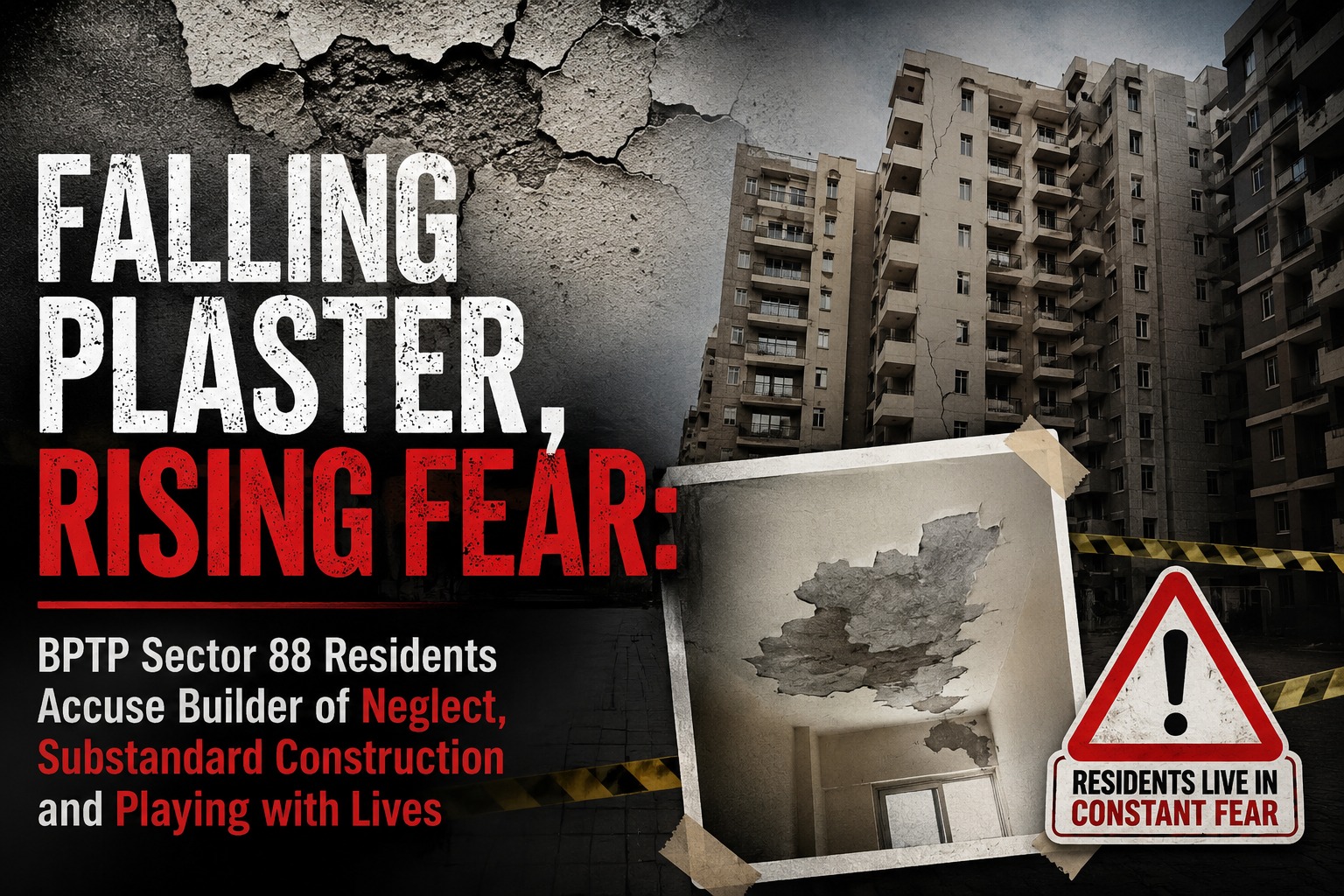
The five-member committee formed under the directions of Minister Rajesh Nagar has 15 days to survey the BPTP areas, identify every incomplete work, measure the shortfall against approved standards, and name the parties responsible. The minister has promised strict action against any contractor or agency found negligent. The question that hangs over the entire exercise is simple: why did it take so long, and why were residents forced to live with half-finished colonies while the developer moved on?
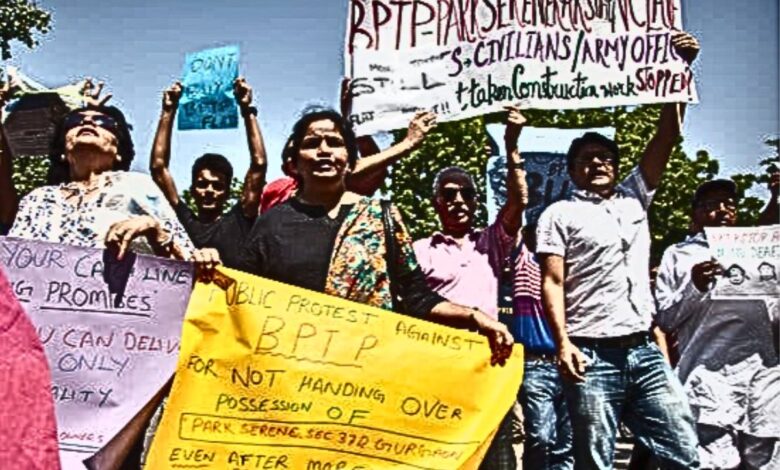
BPTP developed large stretches of Greater Faridabad, particularly the plotted colonies spanning multiple sectors. Buyers paid substantial amounts on the promise of planned infrastructure, proper roads, drainage, and civic facilities. What many received instead was a patchwork of incomplete works. Roads laid with inadequate base or thin surfacing began failing within a few years. Some stretches remain unfinished. Water supply, electricity connections, and other basic services have been sources of repeated protest. Residents have marched to the builder’s offices and to the minister’s office demanding solutions. The pattern is familiar across many Indian real estate projects: the developer collects the bulk of the money, hands over possession, and then treats remaining internal development as a secondary obligation.
The formation of the committee is an admission that the complaints were serious enough to require official intervention. The panel has been tasked with a clear brief. It must map every incomplete development work, record how much remains unfinished at each location, and determine whether the construction that was carried out met the prescribed standards. The 15-day deadline is tight. If the committee works thoroughly, its report should leave little room for ambiguity about the scale of the shortfall and the identity of those responsible. The minister has already indicated that negligence will not be excused. That statement will only carry weight if the report leads to concrete consequences rather than another round of assurances.
BPTP’s responsibility is not abstract. As the original developer holding the licenses for these colonies, it was obligated to complete the internal development works to the standards approved by the Town and Country Planning department and reflected in the agreements with allottees. When roads fail prematurely or remain incomplete, the failure is not merely technical. It is a breach of the basic expectation that buyers would receive a functional living environment in return for their payments. Residents have already spent years navigating potholes, water shortages, and unreliable services. Many continue to pay maintenance charges while the underlying infrastructure stays deficient. The gap between what was sold and what was delivered has eroded trust.
Previous protests in BPTP blocks revealed the depth of frustration. Residents spoke of water supply arriving only after long gaps, unannounced power cuts, and roads that had turned into obstacles rather than assets. Some demanded that maintenance responsibility be transferred to the municipal corporation so that the builder could no longer remain the sole point of contact for unresolved problems. These demands did not arise overnight. They accumulated over years of delayed responses and incomplete work. The fact that a minister has now stepped in shows that local pressure finally reached a level that could no longer be ignored.
The investigation must go beyond listing incomplete items. It needs to establish timelines. When were the development works supposed to be finished? What percentage remains undone? Were quality standards compromised to cut costs or speed up handover? Which agencies or contractors executed the works, and under what supervision from BPTP? Only clear answers will allow meaningful accountability. If the report finds that the developer failed to enforce standards or left works incomplete after collecting payments, the consequences should match the scale of the inconvenience caused to residents.
There is a larger pattern at work. Across the National Capital Region, large plotted developments have often left buyers with possession of plots or houses while the surrounding infrastructure lagged. Roads, drainage, parks, and utilities become afterthoughts once the primary revenue has been secured. Regulatory oversight has frequently been reactive rather than preventive. Buyers are left to organize, complain, and wait. The Faridabad case is another example of this cycle. The committee’s report will test whether the system can still deliver correction after years of neglect.
Residents of the BPTP areas have already paid once through their purchase money. They continue to pay through daily inconvenience and through maintenance fees that do not deliver corresponding quality. The 15-day investigation is a necessary step. It must not become another procedural exercise that produces a report and then fades.
The minister’s assurance of strict action will be measured by what follows the submission of findings. If negligence is established, the responsible parties, beginning with the developer that sold the vision of complete colonies, must be held to account. Anything less will confirm to residents that their years of complaints were heard only when political attention briefly turned their way, and that incomplete development remains an accepted cost of buying into such projects.
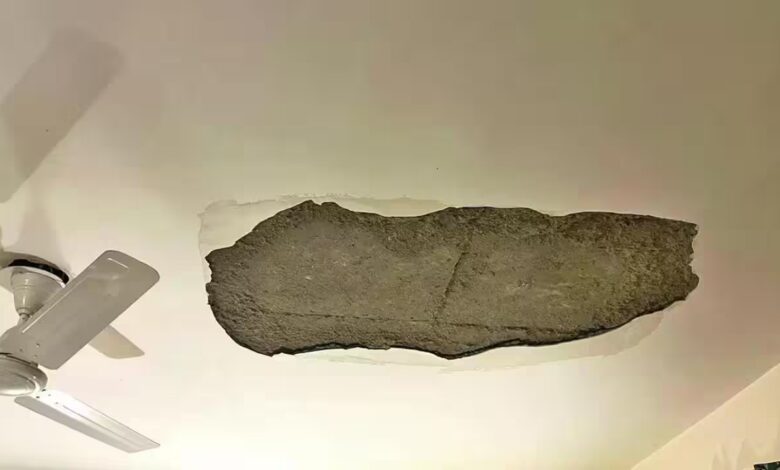
The roads that failed early and the works that remain unfinished are not minor defects. They are evidence of a delivery failure that has affected thousands of families. The committee now has the opportunity, and the obligation, to document that failure with precision and to clear the path for actual completion. Residents have waited long enough.