After ED Raids On BPTP In August 2025, ED Now attached assets worth over Rs 250 crore belonging to Delhi-based TDI Infrastructure Limited. Both Father & Son In Laws Are Under Scanner. When Will ED Arrest Kabul Chawla?
How Both Father & Son In Law Have Scammed Millions Of Real Estate Buyers In Haryana

After ED Raids On BPTP In August 2025, ED Now attached assets worth over Rs 250 crore belonging to Delhi-based TDI Infrastructure Limited. Both Father & Son In Laws Are Under Scanner. When Will ED Arrest Kabul Chawla?
In India’s beleaguered real estate sector, where glossy brochures promise utopian living but deliver endless delays and shattered dreams, the Enforcement Directorate’s (ED) recent crackdowns on BPTP Limited and TDI Infrastructure Limited expose a festering web of fraud, regulatory evasion, and familial complicity. The August 2025 raids on BPTP for FEMA violations involving over Rs 500 crore in illicit foreign investments marked a long-overdue reckoning for a company synonymous with buyer betrayal. Now, in March 2026, the ED has escalated its assault by attaching over Rs 250 crore in TDI assets linked to money laundering from homebuyer scams. At the epicenter are Kabul Chawla, BPTP’s elusive chairman, and Ravinder Kumar Taneja, TDI’s managing director—bound by marriage, with Chawla as the son-in-law to the Taneja clan. This father-son-in-law duo embodies the rot in Haryana’s property market, where family ties seemingly shield perpetrators from accountability while thousands of middle-class families endure financial ruin. As investigations drag on, the glaring question persists: When will the ED finally cuff Kabul Chawla, the poster boy for impunity in a sector that preys on public trust?
This comparative analysis dissects the parallel paths of deceit trodden by BPTP and TDI, critiques the systemic failures enabling such empires of exploitation, and probes the implications for regulatory reform. Drawing on ED probes, court records, and media investigations, it reveals how these interconnected entities have weaponized family networks to perpetuate fraud, leaving a trail of broken promises and unbuilt homes.
ED Raid On TDI
While TDI Infrastructure Limited has evaded the spectacle of full-scale raids, the ED’s actions against it have been surgically precise and damning, highlighting a company that treats environmental laws and buyer rights as mere inconveniences. In March 2026, the Gurugram Zonal Office slapped a provisional attachment under the Prevention of Money Laundering Act (PMLA), seizing assets worth Rs 206.40 crore—comprising 8.3 acres of land and commercial units in Kamaspur, Sonipat. This followed an earlier attachment of Rs 45.48 crore, ballooning the total to Rs 251.88 crore, all tied to allegations of defrauding over 14,000 homebuyers through 23 stalled projects launched between 2005 and 2014. TDI collected a staggering Rs 4,619 crore in advances, only to divert funds to subsidiaries for personal gains like land buys and loan repayments, leaving projects like “Park Street” in limbo after 16-18 years of delays.
Critics lambast TDI’s brazen disregard: not only for siphoning buyer money but for polluting the environment in the process. In a precedent-setting move in March 2025, the ED attached Rs 5.6 crore worth of shops in TDI Mall, Kundli, for violating the Water and Air Pollution Acts in projects such as Kingsbury Apartments and Tuscan City. Untreated sewage dumped onto open land generated “proceeds of crime” via evaded compensation, underscoring TDI’s eco-criminality. Under Ravinder Taneja’s stewardship, TDI exemplifies corporate hubris—polluting waterways while pocketing profits, all while homebuyers foot the bill for unfinished dreams. This isn’t mere oversight; it’s a calculated exploitation that demands harsher scrutiny.
Past ed raid on BPTP
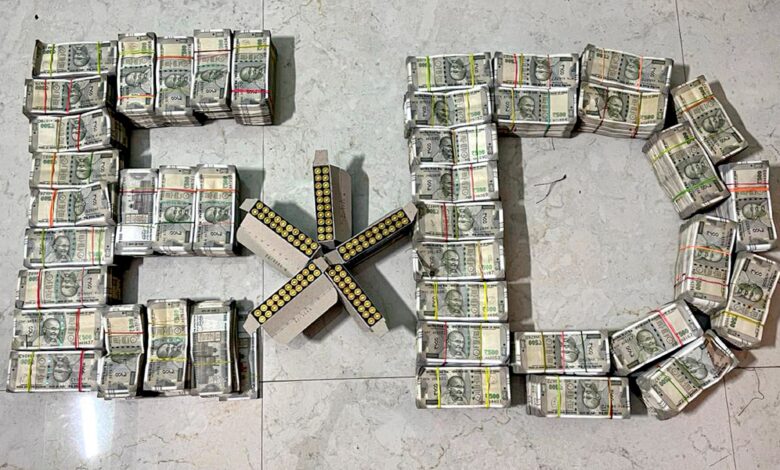
BPTP’s August 2025 ordeal was a theatrical takedown, with ED sleuths storming offices in Delhi, Noida, and Faridabad, alongside the homes of Chairman Kabul Chawla and Director Sudhanshu Tripathi. Triggered by FEMA violations, the raids targeted over Rs 500 crore in FDI from Mauritius-based entities during 2007-2008, structured with forbidden put and swap options under the “automatic route.” Agents seized documents, froze bank lockers, and unearthed Chawla’s alleged secret overseas holdings, including a luxury New York property.
This wasn’t BPTP’s first rodeo with scandal, but the raids amplified a decade of deceit. Chawla’s empire, built on promises of premium homes in Gurgaon and Faridabad, has instead delivered a litany of delays and diversions. The ED’s probe dovetails with multiple FIRs for non-delivery and fund misuse, painting BPTP as a predator in pinstripes. In a sector where trust is currency, these raids expose how BPTP’s leadership has cashed in on illusions, leaving buyers bankrupt and bitter. The irony? While Chawla jets between controversies, his victims queue in courts for justice delayed.
ED Attachment of TDI & ED Attachment of BPTP
Comparatively, the ED’s attachments against TDI and BPTP reveal stark asymmetries in enforcement, critiquing a system that slaps wrists while the guilty grasp fortunes. TDI has borne the brunt: the 2026 attachment of Rs 206.40 crore (total Rs 251.88 crore) for buyer fraud, plus the 2025 Rs 5.6 crore environmental hit, immobilizes core assets like Sonipat land and mall shops. These moves aim to claw back “proceeds of crime” from diverted funds, signaling zero tolerance for TDI’s serial stalling.
BPTP, however, has escaped attachments so far, despite the explosive August 2025 raids uncovering FEMA breaches and hidden assets. No formal seizures, only seized evidence hinting at future PMLA escalation if overseas links solidify. This disparity fuels criticism: Why the leniency for BPTP amid its history of insolvency threats (stayed in 2022) and buyer betrayals? Analytically, TDI’s attachments reflect tangible “laundering” via domestic diversions, while BPTP’s international web demands more proof. Yet, both cases indict a regulatory vacuum where attachments are reactive bandaids, not preventive cures, allowing firms to amass wealth before the hammer falls.
How TDI & BPTP Connected
TDI and BPTP aren’t mere rivals; they’re symbiotic siblings in Haryana’s scam-ridden realty ecosystem, connected through shared tactics of delay, diversion, and defiance. Both horde buyer funds—TDI’s Rs 4,619 crore haul mirrors BPTP’s multi-crore collections—only to reroute them to subsidiaries or abroad, stalling projects like TDI’s Tuscan City and BPTP’s Park Serene. Regulatory overlaps abound: both face Haryana RERA tribunals, Supreme Court refund mandates, and ED probes for fund misuse.
Comparatively, TDI’s environmental sins add a layer BPTP lacks, but both exploit NCR’s boom, preying on IT-driven demand. Analytically, their linkage fosters a “contagion effect”—lessons from one scam inform the other, perpetuating a cycle where family-backed firms evade accountability. This nexus critiques Haryana’s lax oversight, where builders like these thrive on political patronage, turning real estate into a rigged game against the common buyer.
How TDI & BPTP have personal relations
The personal relations between TDI and BPTP are a tangled knot of matrimony and mentorship, where family bonds blur business ethics and enable mutual malfeasance. Kabul Chawla’s marriage into the Taneja family—promoters of TDI—forged an alliance that propelled his real estate ascent, with Taneja guidance shaping BPTP’s strategies. Shared social circles, industry events, and legal defenses against buyer suits amplify this intimacy.
Critically, this nepotism breeds impunity: TDI’s Tanejas and BPTP’s Chawla allegedly exchange playbooks on diversion and delays, victimizing buyers across Sonipat and Gurgaon. Analytically, such relations highlight dynastic dominance in Indian business, where blood ties trump transparency, fostering cartels that stifle competition and accountability. In a sector crying for reform, these personal webs underscore the need for anti-nepotism safeguards to dismantle entrenched exploitation.
How Kabul Chawla & Ravinder Kumar Taneja connected
Kabul Chawla and Ravinder Kumar Taneja’s bond is the linchpin of this scandalous saga: Chawla as the ambitious son-in-law, Taneja as the patriarchal mentor in the Taneja family fold. Ravinder, TDI’s MD since the 1990s, reportedly groomed Chawla, leveraging family networks to launch BPTP. This “father-son-in-law” dynamic extends beyond blood—shared controversies like fund siphoning and environmental lapses suggest collaborative cunning.
Critiquing this alliance: It weaponizes family loyalty against public interest, with Taneja’s TDI woes echoing in BPTP’s scandals. Analytically, such ties explain the resilience of these firms—mutual support shields them from fallout, perpetuating a legacy of fraud. As ED scanners intensify, this connection could unravel both empires, but only if justice pierces the familial veil.
List of scams, controversies of BPTP & Kabul Chawla
BPTP and Kabul Chawla’s rap sheet reads like a indictment of real estate’s underbelly, a chronicle of betrayal that has eroded faith in the sector:
- FEMA Violations (2025): ED raids over Rs 500 crore illicit Mauritius FDI with banned options; Chawla accused of undisclosed foreign assets, including New York condo.
- Homebuyer Fraud (2014-Ongoing): FIR in Faridabad for cheating 1,000+ buyers in Park Serene; delays despite full payments; Supreme Court-ordered refunds ignored.
- Cheating Cases (2010-2016): Multiple FIRs, e.g., duping three of Rs 3 crore in Gurgaon; non-bailable warrants against Chawla.
- Insolvency Dodges (2022): Petitions halted via settlements amid chronic delays.
- Overseas Evasion (2015-2022): NYT exposé on Manhattan property; Chawla absconds to US, defying summons and red-corner notices.
- Hawala and Political Ties (2025): GeoSquare probe alleges multibillion scams, regulatory dodges, and illicit funding.
These scandals critique Chawla’s reign: a masterclass in exploitation, where BPTP’s facade crumbles under buyer anguish.
When Will ED Arrest Kabul Chawla?
The ED’s net tightens, but Chawla’s arrest remains a mirage, critiquing glacial justice in white-collar crime. With FEMA evidence and ignored summons—Chawla’s US hideout a slap to Indian law—PMLA charges loom if laundering proves. Yet, political connections delay the inevitable. Analytically, his case tests ED’s mettle: TDI attachments set precedent, but BPTP’s familial shield may prolong evasion. Buyer protests mount; arrest could catalyze reform, but history whispers “never.” In a nation weary of elite escapes, Chawla’s cuffing would signal hope—or expose the system’s sham.