When Saving ₹300 Costs Us Our Soul: A Tale Of Bookstores, Vegetables, And Our Convenient March Via App, Towards A Soulless Future

Ah, the modern consumer’s dilemma: stand in a cozy bookstore holding an ₹800 book while your phone smugly informs you it’s ₹500 on Amazon. It’s the kind of moment that makes your wallet do a little happy dance while your conscience quietly weeps in the corner.
Let me paint you a picture of this battlefield where our souls wage war against our savings accounts. On one side, we have a charming 50-something bookstore owner, sitting behind his counter like a guardian of printed wisdom, surrounded by wooden shelves that probably remember more stories than he does. The air is thick with that distinct perfume of aging paper and wisdom – you know, the smell that no “book-scented” candle has ever quite captured.
On the other side?
A sleek app offering you the same book for 30% less, probably delivered faster than you can say “death of retail.”
The choice seems obvious, right? Save money, save time, maybe even save yourself from that guilty feeling when you walk past the bookstore owner without buying anything.

But here’s where the plot thickens, like a well-written novel reaching its climax. My friend, bless her soul-over-savings mentality, chose to pay the extra ₹300. Not because she’s bad at math (though I’m sure she’d appreciate me clarifying that), but because she’s apparently better at calculating the true cost of convenience than I am.
You see, we’re all unwitting voters in the daily election of what our future will look like. Every rupee we spend is a vote, and lately, we’ve been voting for a world that looks suspiciously like the dystopian novels sitting on those endangered wooden shelves.
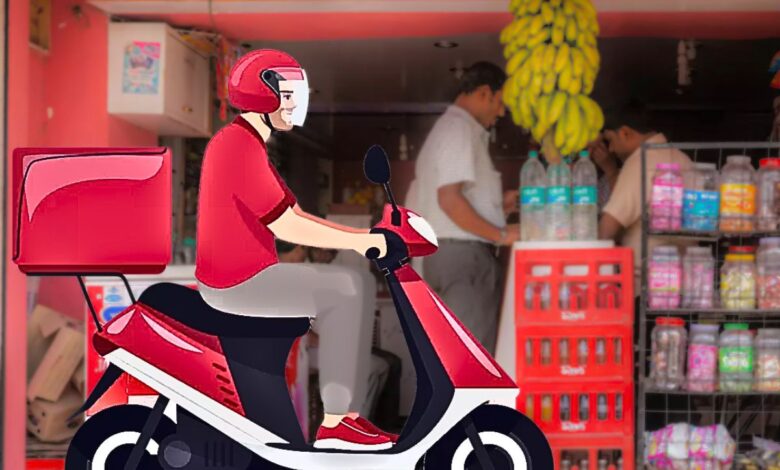
Think about it: we’re collectively architects of our urban landscape, designing it one transaction at a time. Want to know why that charming little kirana store where the uncle knew exactly how you liked your chai became a soulless delivery hub? Check your phone’s order history for clues. Missing that vegetable vendor who always snuck an extra dhania in your bag? Well, someone’s 10-minute delivery addiction probably helped write that obituary.
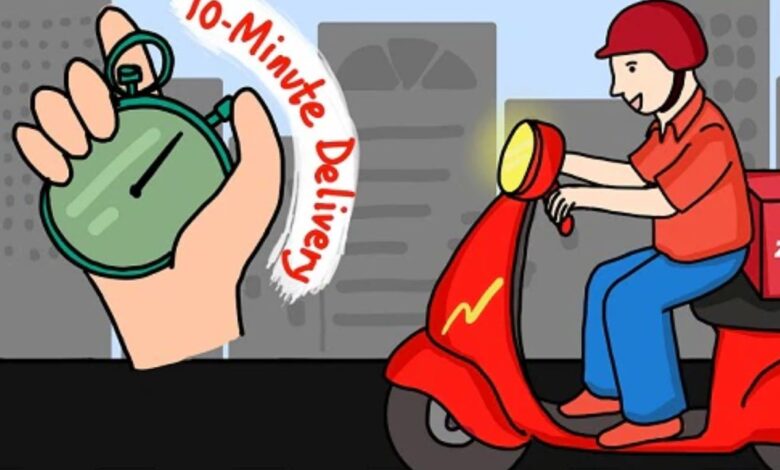
But here’s the truly ironic part: we’ll sit in our climate-controlled homes, ordering everything from toothpaste to tomatoes through apps, and then write passionate social media posts about how the city is losing its character. We’ll reminisce about the good old days when shopping meant conversations, not clicks, all while our fingers automatically tap “Buy Now” for the best deal.
Speaking of vegetables (because apparently, I’ve become that person who brings up vegetables in casual conversation), I’ve discovered something revolutionary: walking to the local vendor early in the morning. Yes, walking – that ancient form of transportation our ancestors used before scooters started zigzagging through footpaths delivering paneer.
There’s something beautifully anachronistic about haggling over the price of tomatoes while getting your daily steps in. The vegetable vendor and I have developed what I can only describe as a fresh-produce-based friendship. He overcharges me slightly less than his other customers, and I pretend not to notice when he sneaks extra curry leaves into my bag. Sometimes he tells me about his son’s upcoming exams, and I genuinely care about the result. Try getting that kind of emotional investment from a delivery app.
This isn’t just about books or vegetables though. It’s about choosing the kind of world we want to live in. Do we want a city where every street corner has the same corporate logo, where human interaction is limited to delivery confirmation messages? Or do we want one where small businesses add their unique flavors to our daily lives, where shopping isn’t just a transaction but a social activity?
Every time we choose convenience over community, we’re voting for a future where algorithms know us better than our local shopkeepers. We’re trading stories for savings, relationships for ratings, and human connections for hassle-free returns.
So maybe, just maybe, that extra ₹300 at the bookstore isn’t just paying for a book. It’s an investment in maintaining spaces where serendipity still exists, where recommendations come from humans who’ve actually read the books, not from an AI that’s analyzed your browsing history.
And yes, I realize the irony of probably typing this on a device that represents everything I’m arguing against. But perhaps that’s exactly why we need to fight harder to preserve these analog spaces in our increasingly digital world.
The next time you’re standing in a local shop, phone in hand, comparing prices with online giants, remember: you’re not just deciding where to buy something. You’re voting for the future you want to live in. Choose wisely – that ₹300 you save today might cost us all a lot more tomorrow.

And if you need me, I’ll be at the vegetable market, getting my steps in while learning about the vendor’s son’s exam results. Because sometimes, the best bargains in life aren’t measured in rupees saved, but in stories gained.