In the decades following India’s independence, a country rediscovering its roots began yearning for products that felt authentically Indian. Amidst a market dominated by foreign carbonated beverages, one man saw a gap—and an opportunity—to offer something refreshingly different. Areez Khambatta, a bright young boy from Gujarat, didn’t just spot that opportunity; he turned it into a cultural phenomenon, one sip at a time.
A Spark of Innovation- The Rasna Man of India
Growing up in Gujarat, Areez’s entrepreneurial spirit was evident early on. As a teenager, he was already helping out in his father Phiroze’s small-scale soda concentrate business. But Areez wanted to do more than deliver products to other companies. He wanted to create a drink that Indian families could enjoy in their homes—something tasty, affordable, and easy to make.
In the 1970s, India was in a peculiar place. Imported and bottled carbonated drinks were making their mark, but they weren’t exactly child-friendly. Areez noticed the lack of a truly Indian beverage that kids could enjoy. Drawing inspiration from his father’s work and his own insights into Indian tastes, Areez developed a soft drink concentrate that could be diluted at home. After early success selling his product under the brand “Jaffe,” Areez made a bold choice: he wanted a name that resonated more deeply with Indian families. And so, in 1979, Rasna was born.
A Drink for the People
Rasna was designed to be a beverage for everyone. Unlike its more expensive competitors, it was affordable and versatile. A single sachet—costing only a few rupees—could produce multiple glasses of a flavorful, refreshing drink. Families loved the idea. It allowed them to customize the sweetness, control the strength of the flavor, and serve up something special to their guests.
But Areez didn’t stop at affordability. He tapped into India’s diverse culinary traditions, introducing flavors that felt both familiar and innovative. While the Western world sipped on cola and lemon-lime sodas, Indians were enjoying the comforting notes of kesar, elaichi, and jaljeera. Rasna wasn’t just a drink; it was a celebration of Indian taste buds.
The Birth of a Cultural Icon
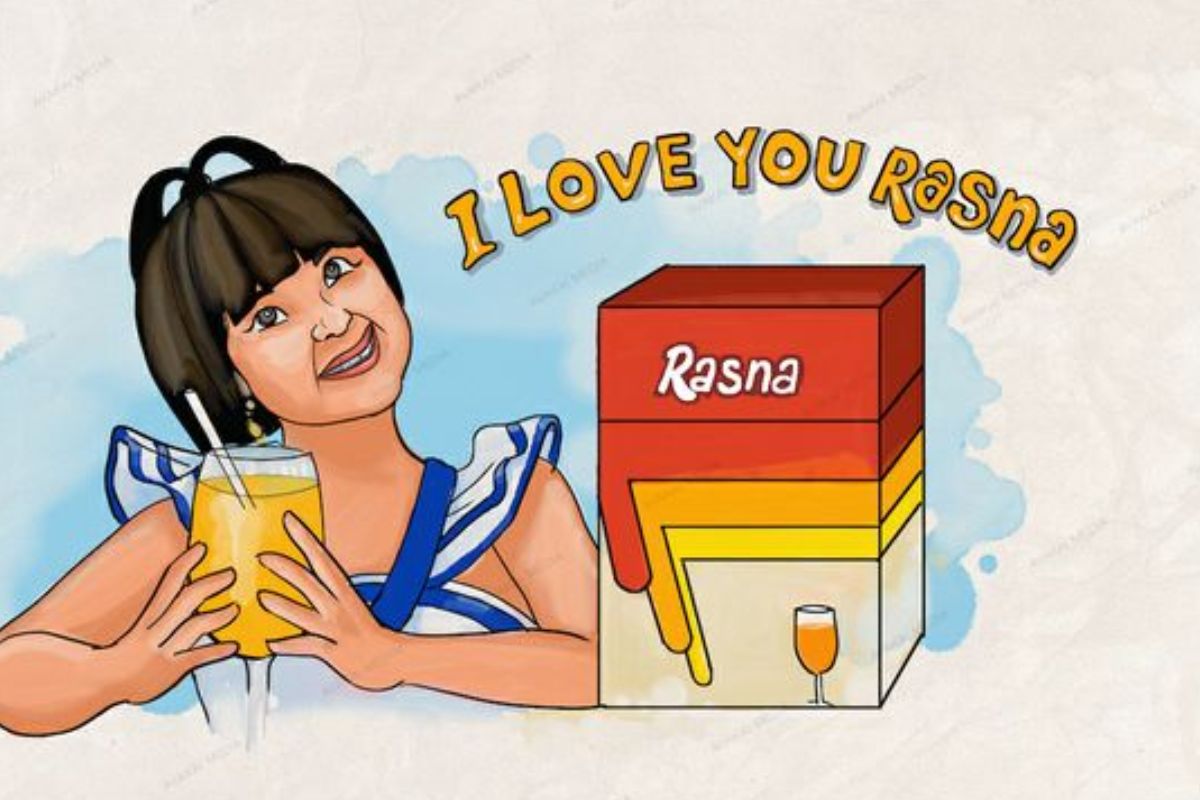
What really set Rasna apart wasn’t just the product—it was the emotional connection it forged. In the early 1980s, Areez launched one of the most memorable ad campaigns in Indian history: “I Love You, Rasna.” Featuring endearing child actors and cheerful jingles, the advertisements didn’t just sell a drink; they sold an experience. Children became the face of the brand, and Rasna quickly turned into a staple at birthday parties and family gatherings.
By the end of the decade, Rasna had achieved what few Indian brands could: a dominant market share in a segment teeming with international giants. Despite fierce competition from global names like Pepsi and Coca-Cola, Rasna held its ground, capturing the hearts—and taste buds—of millions.
A Legacy of Resilience
The 1990s brought new challenges as international beverage giants ramped up their presence in India. Coke re-entered the market and acquired several local soft drink brands, while Pepsi doubled down on its marketing. But Areez Khambatta remained steadfast. Instead of directly competing with the big cola brands, Rasna stayed true to its roots. It focused on the core audience it had always championed: Indian families.
As the new millennium approached, even global behemoths like Coca-Cola tried their hand at launching powdered drink mixes to rival Rasna. Yet, with its deep understanding of Indian preferences, Rasna maintained its stronghold. By the early 2000s, competitors like Sunfill and Tang were unable to unseat it. Rasna’s innovation in flavors, its unbeatable affordability, and its strong emotional branding proved too formidable.
Today and Beyond
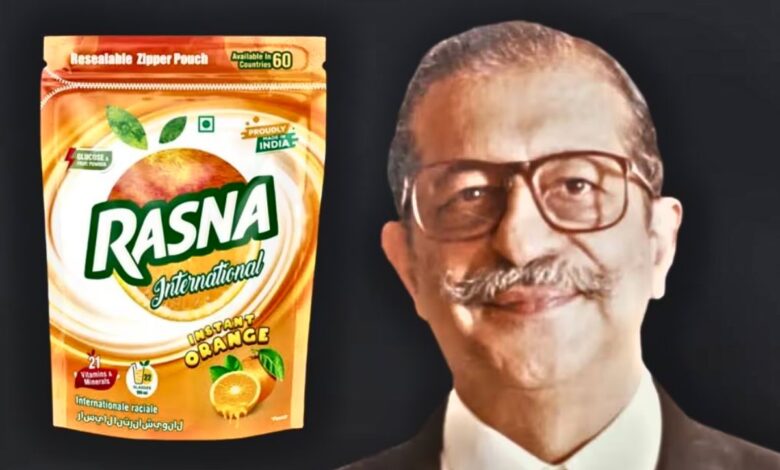
Under Areez Khambatta’s leadership, Rasna grew from a modest family business into a 1,000 crore brand sold across 60 countries. It became the world’s largest soft drink concentrate manufacturer, a title that speaks volumes about its global reach and domestic dominance. Even as competition continues to evolve, Rasna remains synonymous with childhood memories, family celebrations, and quintessentially Indian flavors.
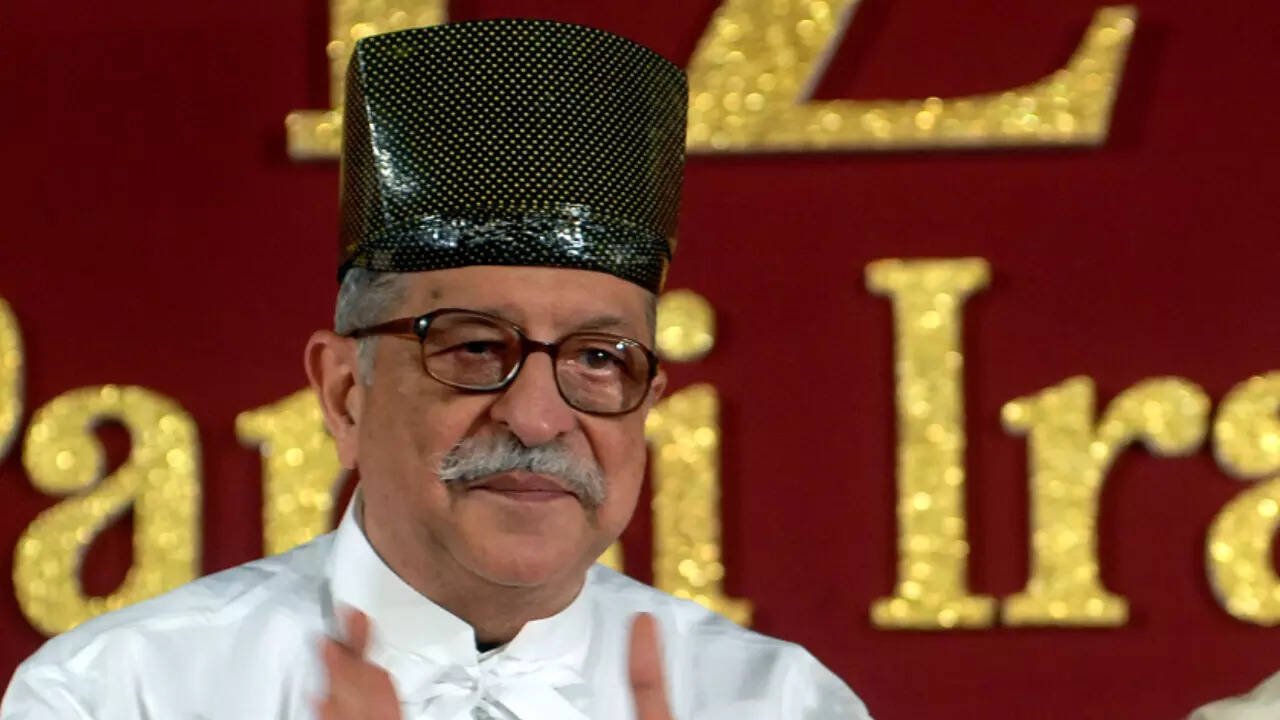
Though Areez Khambatta is no longer with us, his legacy endures. He didn’t just build a company; he built a part of India’s cultural identity. For millions of Indians, Rasna isn’t just a drink; it’s a cherished memory of carefree summers and joyful gatherings.
Areez Khambatta’s story is a testament to vision, resilience, and an unwavering belief in the power of an idea. He took a simple concept—a drink for Indian families—and turned it into a household name. His journey from a small local business to an international success will continue to inspire entrepreneurs for generations to come.
A Pioneer and a Legacy
Areez Khambatta wasn’t just the man behind Rasna; he was the architect of a beloved tradition. Through his innovation and determination, he brought Indian flavors to the forefront, demonstrating that a homegrown brand could stand tall in the face of global competition.

Today, as we raise a glass of Rasna, we don’t just enjoy a refreshing drink. We celebrate the vision of a man who believed in India’s tastes, its people, and its potential. Thank you, Areez Khambatta, for making us all say: “I love you, Rasna.”