Building A Legacy Of Shree Cement: The Vision And Perseverance Of Benu Gopal Bangur

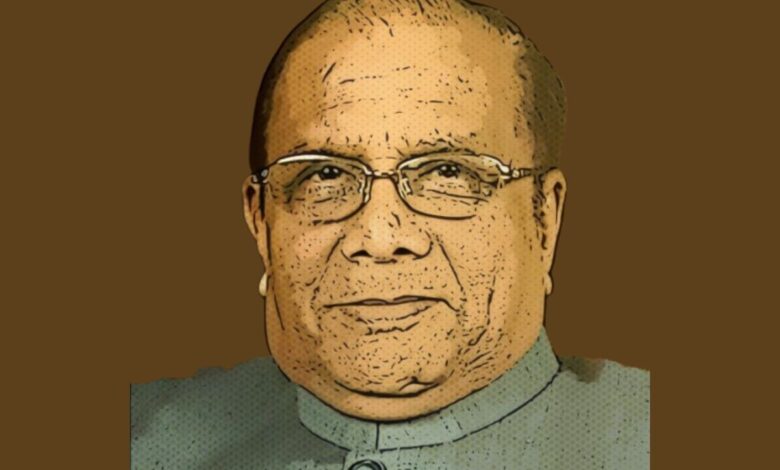
In the realm of Indian industry, few names command as much respect as Benu Gopal Bangur, the visionary behind Shree Cements—now rebranded as Bangur Cement.
His journey from the storied corridors of Kolkata’s business community to the heights of one of India’s most successful cement enterprises is nothing short of inspiring. Benu Gopal Bangur grew up in a family steeped in tradition, industry, and an entrepreneurial spirit. Born into the renowned Bangur clan of Kolkata, he displayed an early knack for both academics and commerce. As the first graduate in his family, with a degree in commerce from Calcutta University, he could have easily followed a comfortable path. Instead, Bangur chose to carve his own way, embracing challenges and consistently setting new benchmarks for success.
By the 1960s, the Bangur family was already a household name, their empire spanning jute, tea, paper, and cotton. It was among India’s wealthiest industrial houses at the time. Against this backdrop, Benu Gopal Bangur was entrusted with establishing a new cement business in the family’s ancestral home region of Beawar, Rajasthan. He was tasked not only with expanding the family’s legacy but with ensuring that Shree Cement became a name synonymous with quality and innovation.
Incorporated in 1979, Shree Cements broke ground with its first integrated plant in 1985. Rather than relying on traditional methods, Bangur pushed for state-of-the-art technology, such as the dry process method and air-swept roller mills for raw material and coal grinding. The result was a facility that not only minimized fuel and power consumption but also set a new standard for efficiency in the industry.
Bangur’s foresight paid off. Within a decade, Shree Cement had become one of North India’s leading cement producers. By the late 1990s, the company’s production capacity had swelled, with additional plants coming online and new markets opening. Even when the larger Bangur business group split in 1997, Benu Gopal Bangur stayed the course. With steadfast determination, he guided Shree Cements forward, turning adversity into opportunity.
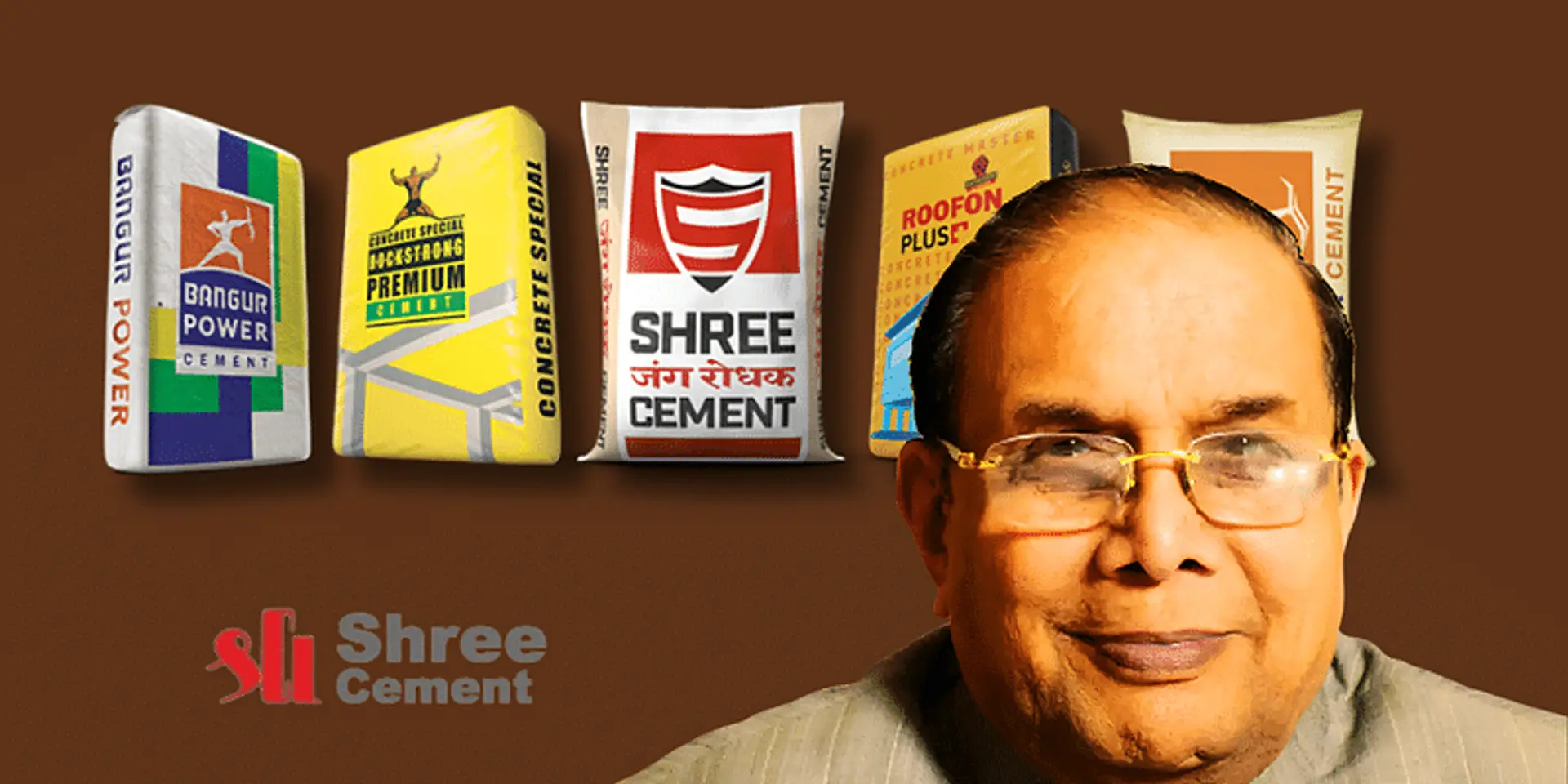
Under Bangur’s leadership, Shree Cement consistently embraced innovation and expansion. The company diversified its product offerings, introducing multiple brands and cement grades tailored to various applications, from construction-grade Shree Ultra OPC to specialized products designed for durability and rust prevention. Recognizing the power of brand differentiation, he introduced premium lines like Roofon and Bangur Power to cater to a rapidly modernizing India.
The numbers alone tell a remarkable story. By 2012, Shree Cements was grossing over Rs 4,500 crore in revenue. Fast forward a few years, and the company had reached Rs 12,588 crore in revenue with profits exceeding Rs 4,400 crore. Today, the company boasts a cement production capacity of 53.4 million tonnes annually and operates 23 plants worldwide. At a valuation of over Rs 100,000 crore, it is now the third-largest cement company in India.
However, Benu Gopal Bangur’s contributions go beyond the boardroom. His commitment to corporate social responsibility is both profound and deeply personal. Through Project NAMAN, Shree Cement has touched the lives of over 10 million people across 255 villages in India. The initiative tackles critical social issues, emphasizing education, healthcare, and sustainable livelihoods. It reflects Bangur’s belief that true success lies not only in financial metrics but in the positive impact a company can have on society.
Today, even at 93, Benu Gopal Bangur stands as a towering figure in Indian industry. His name is synonymous with resilience, foresight, and a relentless pursuit of excellence. Under his stewardship, Shree Cements has not just flourished; it has set benchmarks that other companies aspire to reach. Benu Gopal Bangur’s legacy is firmly cemented—an enduring testament to the power of vision, determination, and leadership.