Certified Hawala Operator Hari Shankar Tibrewal Who Is Absconding From India and In The Good Books Of ED For 50,000 Crore Mahadev Betting App Has Filed A Defamation Suit On Inventiva
The Fun Part Is That He Has Not Made ED A Party Where As ED Was The First Organization To Call Him A Hawala Operator


Introduction: The Irony of Selective Justice
In the labyrinthine world of India’s financial scandals, few stories capture the absurdity of power and evasion quite like that of Hari Shankar Tibrewal. Dubbed a “hawala operator” by none other than the Enforcement Directorate (ED) in its official press releases, Tibrewal has become a symbol of how the ultra-wealthy can navigate legal systems with audacious flair.
As of January 2026, this Dubai-based businessman, accused of laundering billions in illicit betting proceeds through the Mahadev Online Book (MOB) scandal, remains at large. Yet, in a twist that borders on farce, Tibrewal has filed a defamation suit against Inventiva, an independent journalism platform, for publishing articles that echo the very allegations leveled by the ED. Remarkably, he has not made the ED a party to this suit, despite the agency being the first to publicly brand him a hawala operator.
This move raises profound questions about accountability, press freedom, and the selective application of justice. How does a man implicated in a scam estimated at over Rs 50,000 crore—generating daily earnings of Rs 200-450 crore through rigged online betting—have the temerity to sue journalists while fleeing Indian investigators? And what of Tibrewal’s alleged ties to Dawood Ibrahim’s underworld network, where betting apps purportedly funnel funds for “public services” (a sarcastic nod to the terror financing allegations that swirl around such operations)? This article delves end-to-end into Tibrewal’s saga, drawing from ED investigations, media reports, and court filings, to unpack one of India’s most brazen financial fugitives.
The Mahadev scandal, which exploded into public view in 2023, exemplifies the dark underbelly of digital gambling in India. Launched around 2019, it operated as an “umbrella syndicate” for illegal betting on sports like cricket (including the IPL), elections, and casino games. Rigged algorithms ensured users lost over time, amassing staggering proceeds of crime (POC). Tibrewal’s role?
Allegedly the mastermind of its laundering apparatus, routing funds through hawala, cryptocurrencies, and manipulated stock investments. His flight to the UAE, acquisition of Vanuatu citizenship, and now this defamation suit against Inventiva highlight a pattern of evasion and intimidation. As Inventiva itself noted in a December 2025 article, “The Game Of Defamation In The Biggest Democratic Nation: When Telling the Truth Gets You a Lawsuit!“, such tactics presume defamation without addressing truth, effectively weaponizing the courts against truth-tellers.
Who Is Hari Shankar Tibrewal? A Profile of the Alleged Mastermind
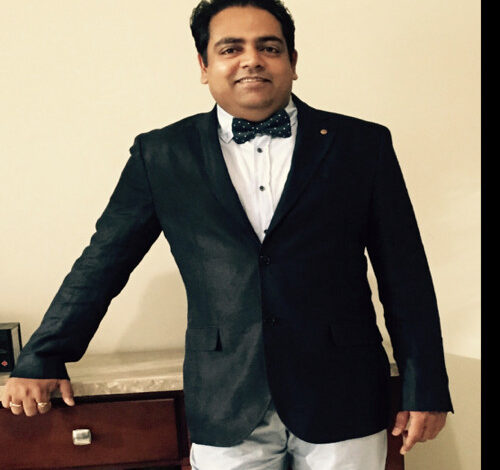
Hari Shankar Tibrewal, often spelled Harishankar Tibrewal in some reports, hails from Kolkata, West Bengal, where he began his career in relatively modest business ventures. Born into a family with ties to traditional trading, Tibrewal transitioned into the shadowy realms of international finance, establishing a base in Dubai by the early 2010s. Public records portray him as a shrewd operator in hawala networks—informal value transfer systems that bypass formal banking to move money across borders. Hawala, while sometimes used legitimately in regions with limited banking access, is notorious for facilitating money laundering, tax evasion, and funding illicit activities.
Tibrewal’s ascent coincided with the boom in online betting platforms, which exploited India’s ambiguous gambling laws (betting is illegal in most states under the Public Gambling Act of 1867, but offshore operations often evade scrutiny). By 2019, he had allegedly partnered with Saurabh Chandrakar and Ravi Uppal, the primary promoters of the Mahadev Online Book app. ED investigations reveal Tibrewal as the owner/operator of Skyexchange.com, a sister platform to Mahadev, integral to the syndicate’s operations. His Dubai entities, such as Zenith Multi Trading DMCC and Exim General Trading – GZCO, served as conduits for laundering POC.
Beyond betting, Tibrewal’s portfolio included stakes in legitimate businesses, like Gensol Engineering and BluSmart, which came under ED scrutiny for alleged fund diversions. Media reports, including those from Business Standard and Times of India, describe him as a “huge hawala operator” who manipulated Indian stock markets via Foreign Portfolio Investments (FPIs). For instance, he allegedly created temporary price surges in small-cap stocks to withdraw funds at peaks, a classic pump-and-dump scheme. Associates like Suraj Chokhani and Girish Talreja handled the ground-level operations, laundering Rs 423 crore and Rs 50 crore monthly, respectively.
Tibrewal’s personal life remains opaque, but his evasion tactics speak volumes. After ED raids intensified in 2024, he renounced Indian citizenship and acquired Vanuatu nationality through a citizenship-by-investment (CBI) program, costing around US$130,000. Vanuatu, a Pacific island nation with no extradition treaty with India, has become a haven for economic offenders. An Inventiva article from November 18, 2025, titled “Why Alleged Hawala Operator Hari Shankar Tibrewal… Renounced Indian Citizenship And Got Citizenship Of Vanuatu,” details how this move shields him from extradition, mirroring strategies used by fugitives like Nirav Modi or Mehul Choksi. As of January 2026, Tibrewal is believed to reside in Dubai, using safe houses and untraceable P.O. Boxes, evading arrest despite known locations.
The Mahadev Online Book Scam: End-to-End Details
To understand Tibrewal’s role, one must grasp the full scope of the Mahadev Online Book (MOB) scandal, India’s largest illegal online gambling operation to date. Launched in 2019 from Dubai to evade Indian jurisdiction, MOB functioned as a backend platform supporting multiple front-end apps like Mahadev, Skyexchange, Lotus365, Tiger Exchange, Gold365, and Laser247. Users placed bets on cricket matches (especially IPL), tennis, elections, and virtual casinos, with the system rigged via algorithms to ensure long-term house wins.
The operation’s scale was staggering: over 3,200 panels (franchises) nationwide, distributed on a 70-30 profit split. Daily turnover reached Rs 200-450 crore, culminating in POC exceeding Rs 50,000 crore by some estimates (initial ED figures pegged it at Rs 5,000 crore, but investigations ballooned it to Rs 40,000+ crore). Funds were collected via benami bank accounts (opened with fake KYC), pooled, and laundered through a multi-layered network.

Money Laundering Mechanics
- Collection Phase: Users deposited via UPI, net banking, or cash to panel operators. These funds funneled into dummy accounts.
- Cross-Border Routing: Proceeds moved abroad via hawala (informal remittances) or cryptocurrencies. Tibrewal’s Dubai firms played a pivotal role here, converting dirty money into “clean” assets.
- Reinvestment and Layering: Funds re-entered India as FPIs or FDI. Tibrewal allegedly invested in SMEs via Mauritius-based Tano Investment Opportunities Fund, manipulating stocks in companies like Salasar Techno Engineering and Tiger Logistics. A “cashback” racket saw promoters return 30-40% in cash.
- Stock Manipulation: ED uncovered how Tibrewal used capital to inflate share prices temporarily, withdrawing at highs. Frozen assets included Rs 580 crore in Indian securities and Rs 606 crore in foreign FPIs.
The scam’s exposure began with Saurabh Chandrakar’s Rs 200 crore Dubai wedding in February 2023, attended by Bollywood stars paid via hawala. ED raids followed, uncovering ties to politicians, police, and celebrities.
Key Timeline of the Scam
| Date | Event | Details |
|---|---|---|
| 2019 | Launch of MOB | Chandrakar and Uppal start operations from Dubai. Tibrewal joins as hawala partner via Skyexchange. |
| Feb 2023 | Chandrakar’s Wedding | Extravagant event draws ED attention; hawala payments to celebrities like Ranbir Kapoor. |
| Sep 2023 | First ED Raids | Searches in Kolkata, Mumbai; Rs 417 crore seized. |
| Oct 2023 | Red Notices | Issued for Chandrakar and Uppal; first chargesheet names 14 accused. |
| Dec 2023 | Detentions in Dubai | Chandrakar and Uppal held; Uppal later released and goes missing. |
| Mar 2024 | Tibrewal Named | ED press release identifies Tibrewal as hawala operator; Rs 580 crore frozen. |
| Apr 2024 | More Seizures | Rs 573 crore in securities; raids on EaseMyTrip. |
| Dec 2024 | Tano Fund Attachment | Rs 388 crore seized, linked to Tibrewal. |
| Mar-Apr 2025 | CBI Involvement | Raids on former CM Bhupesh Baghel; FIR names him for Rs 508 crore payoffs. |
| Nov 2025 | Supreme Court Directive | Orders ED to trace Uppal; raids on Vikas Garg. |
| Jan 2026 | Latest Attachments | Rs 91.82 crore (Dubai properties) and Rs 21.45 crore (India/Dubai). Total: Rs 3,002 crore seized. |
This timeline, compiled from ED press releases and media like Times of India, illustrates the scam’s evolution from a betting app to a politico-financial nexus.
Hari Shankar Tibrewal’s Central Role in the Scam
Tibrewal wasn’t a peripheral player; ED materials position him as a core conspirator. In a March 1, 2024, press release, the ED explicitly named him as owning Skyexchange and partnering with Chandrakar/Uppal for illegal betting. His network laundered POC through Dubai mini-companies, providing logistics and visas for betting staff. Associates like Gagan Gupta (Rs 98 crore cashback beneficiary), Suraj Chokhani (arrested for Rs 423 crore laundering), and Girish Talreja (Lotus365 stakeholder) formed his inner circle.

ED froze Rs 580.78 crore in his assets in March 2024, describing sophisticated layering: benami accounts, trade-based laundering, and FPI injections. By April 2025, searches revealed MOB as an “umbrella syndicate,” with Tibrewal’s investments in Indian equities as a key laundering route. A January 2026 attachment order added Rs 21.45 crore, bringing totals over Rs 2,600 crore.
Tibrewal’s hawala operations, per ED, handled massive volumes, intersecting with broader criminal ecosystems. His evasion began post-2024 raids; instead of cooperating, he fled, settling in UAE while securing Vanuatu citizenship. An open letter from Inventiva to Vanuatu’s government in December 2025 urged citizenship revocation, citing his fugitive status.
Absconding from India: Flight, Citizenship, and Evasion Tactics
Tibrewal’s decision to abscond epitomizes the challenges of cross-border enforcement. After ED’s March 2024 identification, he vanished from Indian radar, relocating to Dubai where he operates under the radar. Dubai’s lax extradition processes (despite a 1993 treaty with India) and his use of shell companies have stalled efforts. In 2025, he renounced Indian citizenship for Vanuatu’s, a move that exploits the island’s CBI program—no residency required, just investment.
Why Vanuatu? No extradition treaty, minimal scrutiny, and passport perks for visa-free travel. Court judgments, like in Sourabh Chandrakar vs. Directorate of Enforcement (2025), note similar tactics among Mahadev accused, signaling intent to evade trial. Tibrewal’s whereabouts? Inventiva’s November 2025 piece speculates Dubai safe houses, with no confirmed arrest despite known addresses. This flight underscores systemic failures: despite Red Notices and Supreme Court directives (November 2025 for Uppal), absconders like Tibrewal roam free.
The Defamation Suit Against Inventiva: Audacity Amid Evasion
In November 2025, Tibrewal escalated his defense by filing an ex-parte injunction in Delhi’s Dwarka District Court against multiple media outlets, including Inventiva, TICE Media, Nine Network, and Business Standard. The suit demands article removals, redactions, and cessation of “defamatory” reporting. TICE News reported on November 11, 2025, that Tibrewal claimed unverified allegations harmed his reputation.
The fun part, as the user aptly notes? Tibrewal omitted the ED as a party, despite the agency’s press releases being the primary source of the “hawala operator” label. ED’s March 8, 2024, release explicitly calls him a partner in illegal betting and laundering. Inventiva’s December 2025 response article mocks this oversight: “Will an injunction now be filed against the ED’s website itself?” This selective suing smacks of intimidation, especially against an independent platform like Inventiva, known for exposés on financial scams.
Critics argue this is part of a broader trend: using defamation laws to silence journalism. India’s criminal defamation provisions (Section 499 IPC) allow jail terms, unlike many democracies. Inventiva’s June 2025 piece, “Another Mukesh Chandrakar In The Making?“, highlights how such suits curtail press duties. After a Rs 50,000 crore scam, Tibrewal’s audacity to target Inventiva—while ignoring ED—reveals a playbook for the powerful: evade justice, sue the messengers.
Connections to Dawood Ibrahim: Underworld Ties and Sarcastic “Public Services”
Adding intrigue are allegations linking Tibrewal to Dawood Ibrahim, India’s most wanted terrorist-fugitive. Dawood’s D-Company, infamous for the 1993 Mumbai blasts, has evolved into digital rackets. ED sources and media like New Delhi Post claim Mahadev promoters collaborated with Dawood’s brother, Mustaqim Ibrahim Kaskar, for “Kheloyar,” a Pakistan-targeted app. Funds from such ventures allegedly finance terror— or, in sarcastic parlance, Dawood’s “public services” like community aid in Mumbai slums, a euphemism for laundering influence.
Tibrewal’s connection? Circumstantial but damning. Inventiva’s December 13, 2025, article posits him as the “kingpin” managing Dawood’s transactions via betting apps. His hawala firm reportedly handled “D-batch” transfers, coded for Dawood, intersecting with the “G-9” cartel controlling UAE-India remittances. A December 15, 2025, Inventiva piece compares it to Casino Royale, where gambling funds terror. YouTube exposés from 2025 highlight Mustaqim’s Mahadev involvement.
However, official ED releases don’t directly tie Tibrewal to Dawood; allegations stem from investigative journalism. If true, it elevates the scam from financial fraud to national security threat, with betting profits funding “public services” that mask extortion and terror.
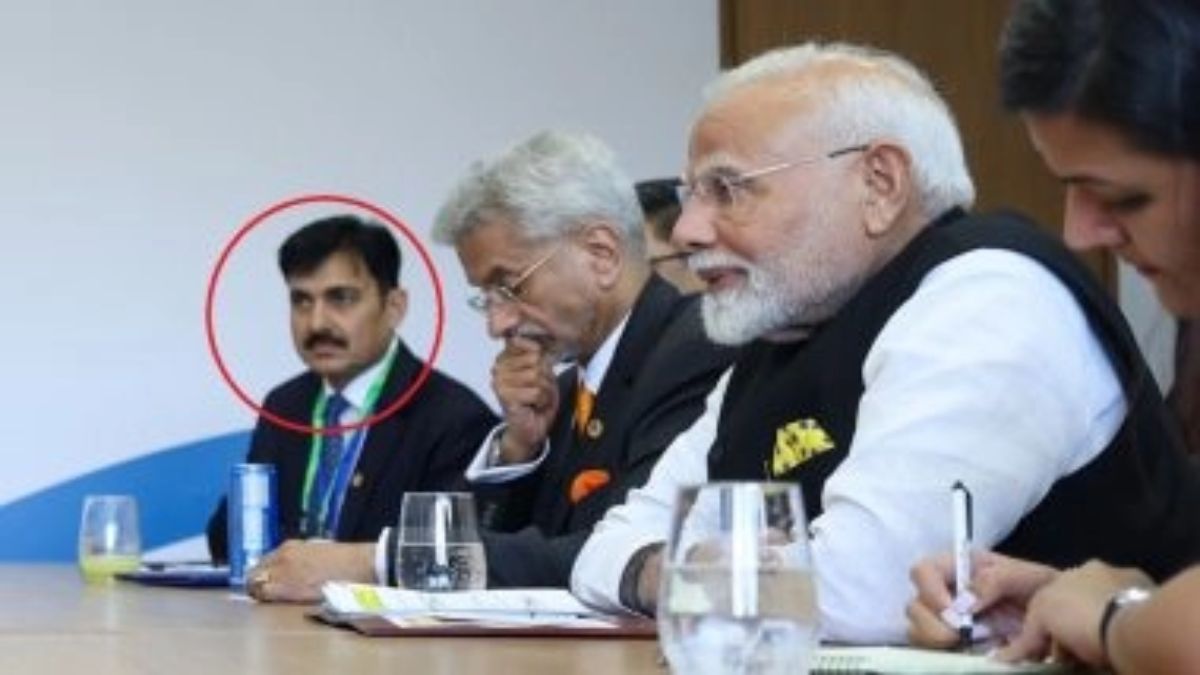
Rumors of PMO connections (via Hiren Joshi, a Modi aide) add layers, though unsubstantiated. Inventiva’s December 14, 2025, article questions why ED/CBI can’t arrest him despite known locations—perhaps high-level protections?
Implications: Press Freedom, Enforcement Gaps, and Broader Lessons
Tibrewal’s case exposes cracks in India’s fight against financial crime. Cross-border evasion, via havens like Vanuatu, frustrates agencies. Political ties—e.g., Rs 508 crore to Bhupesh Baghel—suggest protection rackets. For journalism, suits like this chill reporting; Inventiva’s resilience, via open letters and exposés, is commendable.
Critics argue slow enforcement stems from influential backers. Total arrests: 13 by ED, plus state police. Extraditions stall; Chandrakar remains in UAE custody.
Conclusion: A Call for Accountability
Hari Shankar Tibrewal’s story—from Kolkata trader to absconding hawala operator—is a cautionary tale of unchecked ambition. His defamation suit against Inventiva, bypassing the ED, epitomizes hypocrisy. Amid Dawood links and a Rs 50,000 crore scam, his evasion mocks justice. As investigations continue, one hopes for breakthroughs that prioritize truth over intimidation.