Deshbandhu Gupta: The Visionary Chemist Who Built A 73260 Crore Pharmaceutical Empire


When one thinks of pioneering contributions to healthcare and global pharmaceutical standards, Deshbandhu Gupta’s name shines brightly. A chemist, a visionary, and a man deeply committed to addressing critical health challenges, Deshbandhu Gupta turned a humble beginning into a legacy that spans continents. His story is one of relentless pursuit—of solving problems that others ignored and turning challenges into opportunities. From his academic roots at BITS Pilani to his profound impact on combating tuberculosis, Deshbandhu Gupta’s journey is nothing short of extraordinary.
A Chemist’s Calling in Deshbandhu Gupta
Born with a knack for science, Deshbandhu Gupta began his career not in a corporate lab, but in the lecture halls of BITS Pilani. Maharaja Brajendra Singh of Bharatpur was so impressed by Gupta’s intellect that he personally recommended him for an associate professorship at the prestigious institution. At just 20 years old, Gupta’s ability to teach and inspire was already clear. But beyond teaching chemistry, he felt a deeper urge—to create solutions, not just explain them.
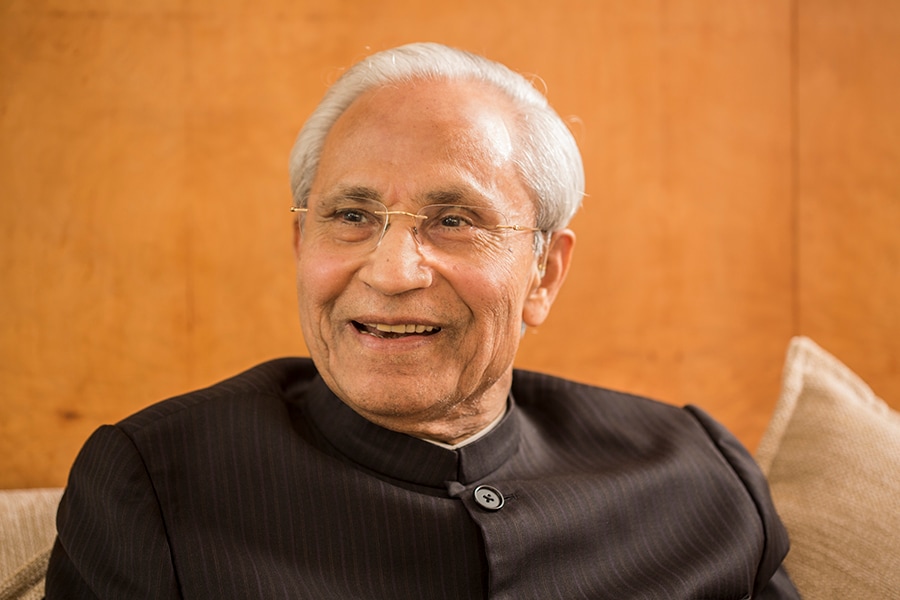
In the mid-20th century, India was grappling with an overwhelming tuberculosis epidemic. TB was a leading cause of death, yet pharmaceutical companies largely ignored it due to the meager profit margins associated with its treatment. Deshbandhu Gupta saw the suffering, the lack of accessible medication, and the apathy of the market. It was then that he decided to leave the security of his teaching job. Borrowing just Rs 5,000 from his wife, he set out to address this unmet need.
The Birth of Lupin
In 1968, Deshbandhu Gupta founded Lupin from a small, rented office in Mumbai. He started with a lean team—just a peon who doubled as a packer and a part-time typist. While his long-term goal was to tackle TB, he first addressed another pressing issue: iron deficiencies. His big break came when the Indian government placed an order for folic acid and iron tablets to support its Mother and Child health programmes.
However, producing these essential medications required capital, and Gupta faced rejection after rejection. After being turned down by more than 50 potential financiers, he finally secured an Rs 8 lakh loan from the Central Bank of India. With that crucial funding, Lupin’s production began.
Taking on Tuberculosis
By the late 1970s, Lupin had established its first formulation and R&D center in Aurangabad, Maharashtra. Gupta was finally able to focus on the battle that had inspired his journey: tuberculosis. He developed ethambutol and built multiple production plants to scale up the supply of anti-TB medications. Over the next decade, Lupin’s efforts directly contributed to a 2.5% reduction in TB cases in India—a remarkable achievement that showcased the company’s commitment to public health.
A Global Standard-Setter
Deshbandhu Gupta’s vision extended far beyond India’s borders. He understood that in order to truly make an impact, Lupin had to meet the highest international standards. He established a joint venture in Thailand, received U.S. FDA approvals for manufacturing facilities in Ankleshwar and Mandideep, and expanded Lupin’s portfolio to include a range of high-quality generics.
The 1993 public listing of Lupin on the Indian stock exchange was a testament to the company’s growing stature. Exports surged, and by 2003, Lupin had entered the competitive U.S. market. Not content to rest on his laurels, Gupta boldly took Lupin into Japan, acquiring the well-established Kyowa Pharmaceutical. This move solidified Lupin’s reputation as a global player and opened doors to the lucrative Japanese market—something no other Indian pharmaceutical company had managed to achieve.
Relentless Growth and Innovation
Lupin’s journey from a single-room office to a global pharmaceutical powerhouse was marked by continuous innovation. By the early 2000s, Lupin had become a top-tier generic player in the U.S. and one of the leading names in Japan. The company’s revenues soared to thousands of crores, fueled by a portfolio of over 100 patented drugs and a robust pipeline of new products. Gupta’s leadership ensured that Lupin invested heavily in research and development, dedicating nearly 6% of its turnover to new drug discovery.
A Lasting Legacy
Even after his passing in 2017, Deshbandhu Gupta’s impact on the world of medicine and his contributions to society remain enduring. Today, Lupin boasts a market capitalization of over 73,260 crore, employs more than 20,000 people, and operates 18 state-of-the-art manufacturing facilities across the globe. Its products reach 100 countries, offering affordable, high-quality medications to millions.
Beyond business success, Gupta’s philanthropic initiatives continue to benefit millions of lives. The trust he established in 1988 has made a tangible difference in 1.45 million people’s lives across 5,000 Indian villages, reflecting his unwavering commitment to social betterment.
A Visionary for Generations
Deshbandhu Gupta was more than a businessman—he was a chemist with a heart, a teacher with a vision, and a leader who proved that dedication to public welfare could go hand in hand with global success. His story serves as an inspiration to entrepreneurs, scientists, and anyone who believes in the power of determination and innovation.

Today, Lupin stands as a towering example of how one individual’s resolve can bring about meaningful change. Deshbandhu Gupta’s legacy is not just the creation of a thriving pharmaceutical giant; it is the profound impact on health outcomes, the elevation of Indian pharmaceutical standards on the global stage, and the reminder that every challenge carries within it the seed of opportunity.