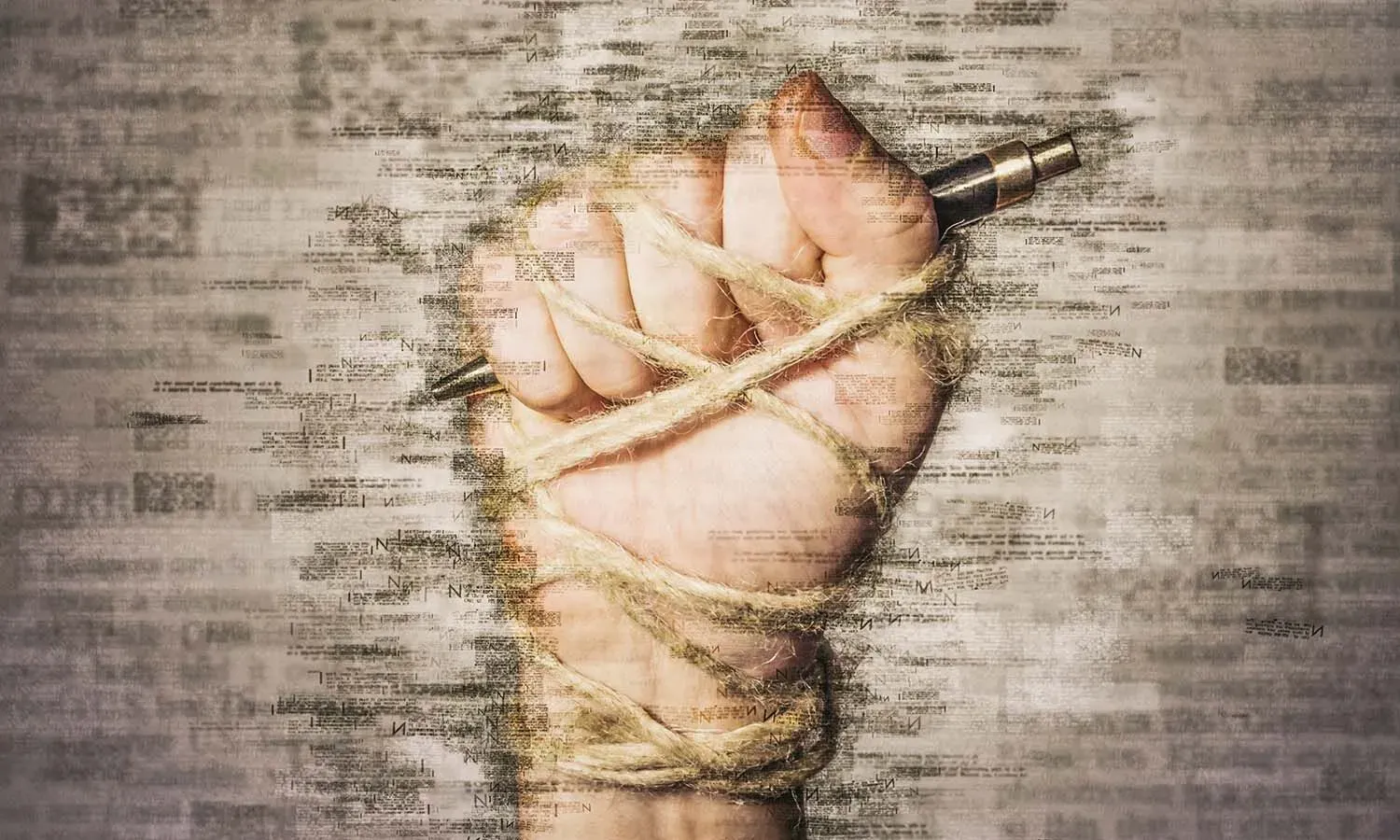
How Companies Like BLS International Are Using The Judiciary As A Weapon To Harass Independent Journalism And News Media Companies?

In an era where corporate giants wield unprecedented power, the judiciary—intended as a bastion of justice—has increasingly become a tool for suppression. Strategic Lawsuits Against Public Participation (SLAPPs) are the weapon of choice for companies facing scrutiny, allowing them to bury inconvenient truths under mountains of legal fees and intimidation.
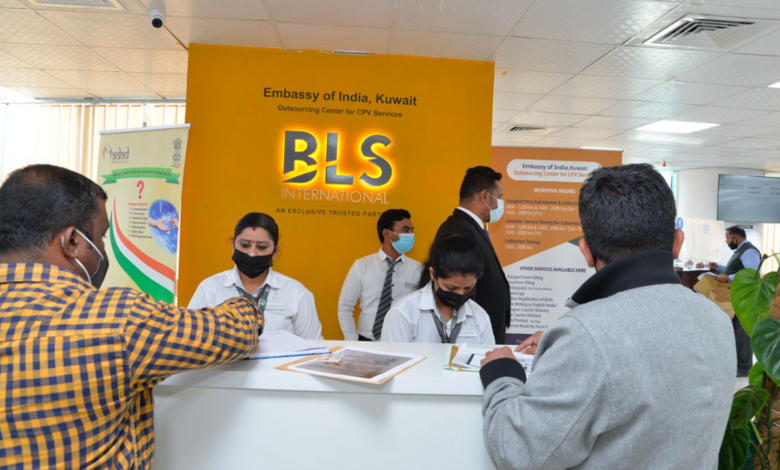
BLS International Services Ltd., a multinational outsourcing firm specializing in visa, passport, and consular services, exemplifies this troubling trend. With a market capitalization once hovering around ₹15,000 crore, BLS has built an empire on government contracts, but its rise is marred by a litany of controversies involving extortion, malpractice, and ethical lapses. When independent media outlets like Inventiva (published by Nine Network Pvt. Ltd.) dare to expose these issues, BLS responds not with transparency or reform, but with defamation suits designed to silence critics and protect its lucrative monopolies.
This article delves into BLS’s extensive history of controversies, provides an end-to-end account of its defamation lawsuit against Nine Network, and offers a comprehensive opinion on how such tactics weaponize the law to harass journalism, stifle truth, and undermine democracy. Drawing from court records, investigative reports, and global complaints, it paints a damning picture of a company that prioritizes profit over people and accountability.
Overview of BLS International: A Monopoly Built on Outsourcing and Opacity
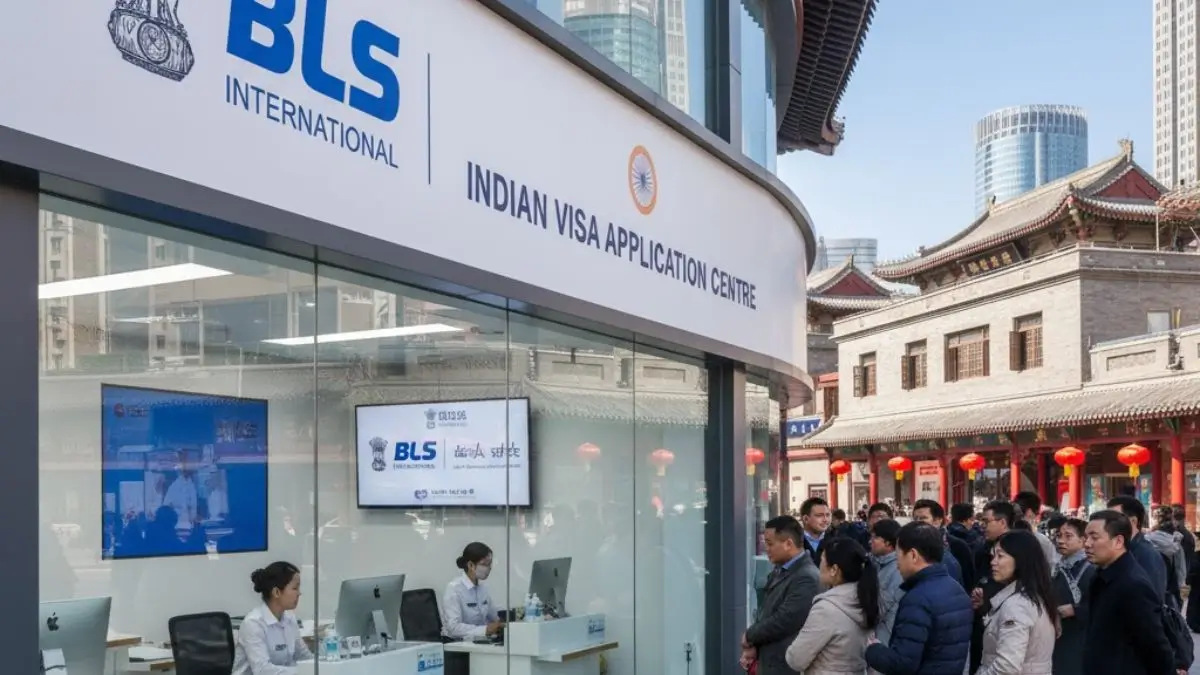
Founded in 1983, BLS International Services Ltd. operates in over 66 countries, handling visa processing, passport services, and consular outsourcing for governments worldwide. It boasts contracts with entities like the Indian Ministry of External Affairs (MEA), UIDAI (for Aadhaar Seva Kendras), and foreign embassies. In fiscal year 2025, BLS reported revenues exceeding ₹1,500 crore, largely from these public-private partnerships. However, critics argue that BLS’s success stems from aggressive tender underbidding followed by predatory revenue recovery through hidden fees, upsells, and extortionate practices. As the sole provider in many regions, BLS enjoys near-monopolistic control, enabling systemic abuses that have drawn ire from applicants, regulators, and courts alike.
This dominance has not gone unchallenged. BLS’s operations have sparked thousands of complaints, multiple lawsuits, and even government sanctions, revealing a pattern of misconduct that prioritizes shareholder gains over ethical service delivery. Yet, when media outlets highlight these issues, BLS deploys legal artillery to deflect scrutiny, as seen in its aggressive suit against Nine Network.
A Comprehensive Chronicle of Controversies: BLS’s Global Trail of Misconduct
BLS International’s controversies span continents, involving everything from consumer exploitation to regulatory violations and internal scandals. Far from isolated incidents, these form a systemic pattern of abuse, often shielded by BLS’s legal maneuvers. Below is a detailed, exhaustive list drawn from verified reports, court documents, and investigations.
1. MEA Debarment and Ethical Violations in India (2025)
In October 2025, the Indian Ministry of External Affairs (MEA) issued a bombshell two-year debarment order against BLS, barring it from all future tenders for MEA and Indian missions abroad. The order cited a “history of complaints and unethical practices,” including:
- Extortion and Overcharging: Applicants reported being coerced into paying exorbitant fees (₹3,000–₹6,000) for minor form corrections, premium services, or fabricated deficiencies. Tactics included “deficiency loops”—repeated rejections to extract extras—and mandatory upsells like “premium lounges.”
- Malpractice and Service Deficiencies: Damaged passports, withheld documents, and biometric blackmail led to over 20 lawsuits in Indian courts between 2023–2025. Consumer forums fined BLS for “deficiency in service,” such as ruining passports during processing.
- Unfair Trade Practices: BLS was accused of underbidding tenders to secure monopolies, then recovering costs through hidden surcharges (10–20% on currency conversions) and no-refund policies (denying 95% of claims).
- Monopolistic Behavior: The MEA highlighted BLS’s pattern of filing frivolous lawsuits against competing bidders to scuttle tenders, impairing fair competition.
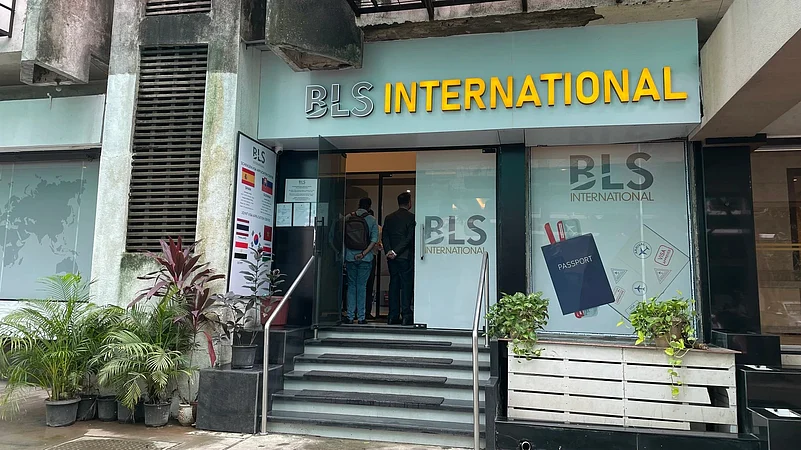
The debarment wiped out ₹3,500 crore in market value, with shares plummeting 18%. BLS dismissed it as a “procedural development” and challenged it legally. In December 2025, the Delhi High Court quashed the order, restoring BLS’s tender eligibility. However, the ruling did not absolve BLS of the underlying allegations; it merely found procedural flaws in the MEA’s process. Critics argue this highlights how BLS uses judiciary to evade accountability, prolonging its controversial practices.
2. Extortion and Harassment in Canada (2023–2026)
As the exclusive provider of Indian consular services since 2023, BLS faced a torrent of complaints in Canada. A CBC investigation in July 2025 exposed:
- Pressure Tactics: Applicants were forced to pay extra fees (CAD $20–$50) for trivial errors like abbreviations (“ave.” vs. “Avenue”), CAD $100 for resubmissions, or CAD $45 for unnecessary courier services—even for in-person pickups.
- Harassment and Delays: Rude treatment of non-English speakers, 6–12 month delays, and “scare tactics” like threats of blacklisting. Victims included grieving families (e.g., Prashant Vashista paid CAD $135 amid personal loss) and time-sensitive applicants (e.g., Shivam Nehra coerced into premium services under PR deadlines).
- Internal Incentives: Ex-employees revealed commission-based rewards (e.g., gift baskets) for upsells, fostering a culture of exploitation.
Over 10,000 X posts under #BLSscam, petitions with 7,000+ signatures, and five class-action probes demanded CAD $10M+ in damages. Canada’s Competition Bureau called for tender reforms, while the Better Business Bureau rated BLS “F.” Operations were briefly suspended in 2023 amid India-Canada tensions, exacerbating delays. BLS retained contracts but denied systemic issues, blaming “isolated incidents.”
3. Irregularities in Estonia’s E-Residency Program (2021–2023)
Contracted in 2021 to issue digital IDs, BLS faced probes in 2023 after Estonian authorities uncovered unauthorized issuances in Bangkok by rogue employees. This “serious breach” violated protocols and exposed vulnerabilities linked to scams (e.g., exit scams via e-resident firms). The contract was terminated amid legal proceedings; BLS blamed “internal politics” and fired staff, but no penalties were imposed.
4. Data Protection Breach in Spain (2025)
Fined €50,000 by Spain’s AEPD for GDPR violations, including data breaches and mishandling applicant info. This underscored BLS’s lax data security, especially ironic given its ₹2,055 crore Aadhaar contract handling sensitive biometrics for millions.
5. Suspension in the UAE (2025)
A six-month ban on attestation services followed audits revealing premium slot manipulations, artificial shortages, and overcharging. The suspension was lifted, but it highlighted BLS’s scarcity tactics to upsell.
6. Complaints in the United States (2023–2025)
Allegations of “drip extortion” via repeated deficiencies (costing USD $300+), unmandated fees (USD $87 for printing), and slot caps forcing premiums. Yelp reviews and a 2,000-signature petition cited harassment and delays; surveys showed 85% of applicants deterred. Ongoing fraud suits persist.
7. EU Probes on Bid-Rigging and Fees (2025)
Investigations in Slovakia, Hungary, and Poland into bid-rigging, unmandated fees (€50–€100), and bot-driven appointment shortages. Student protests decried the practices; probes continue without resolutions.
8. Issues in China and Philippines (2025)
- China: Similar harassment and overcharging sparked backlash on a new contract.
- Philippines: Government distanced itself from BLS amid irregularities, clarifying no direct ties.
Globally, patterns include monopoly abuse, hidden bundling, surcharges, and whistleblower suppression via NDAs/firings. In Canada, 78 consultants linked to BLS partners faced CBSA charges (2020–2025). Over 10,000 global X complaints amplify the outcry.
9. Vendor Cheating: Digicall Global Case (2021)
In a Delhi High Court judgment (O.M.P. (COMM) 128/2020), BLS was exposed for withholding payments to vendor Digicall for call-center services. BLS raised frivolous counterclaims, including unsubstantiated fines and “third-party penalties,” to avoid dues. The court ruled against BLS, highlighting misleading tactics and lack of evidence—a microcosm of its global vendor exploitation.
10. Sexual Harassment Scandal and Counter-Defamation (2024–2025)
A former employee accused BLS’s CHRO of harassment in a May 2024 FIR. BLS countered with its own FIR alleging extortion, data theft, and defamation (IPC Sections 408, 500, 34). The company publicly branded her a “disgruntled ex-employee” orchestrating a “retaliatory counterblast.” Reviews on AmbitionBox and Glassdoor (rating 2.8/5) lambasted BLS for mishandling, eroding trust. The case was disposed via police closure, but it exemplifies BLS’s use of defamation to discredit whistleblowers.
These controversies reveal BLS as a serial offender, exploiting vulnerabilities in outsourced public services while evading meaningful reform.
End-to-End Account: BLS International’s Defamation Lawsuit Against Inventiva and Nine Network
The defamation suit against Nine Network Pvt. Ltd. (publisher of Inventiva) epitomizes BLS’s strategy of legal harassment. Filed in late 2025 at Delhi’s Karkardooma District Court, it targeted investigative articles on BLS’s ₹2,055 crore Aadhaar Seva Kendra contract with UIDAI. The pieces scrutinized procurement irregularities, inflated costs, favoritism, and policy flaws, labeling it a potential “government-sanctioned scam.” BLS claimed defamation, seeking damages and a permanent gag on further reporting.
Timeline and Proceedings
- Pre-Filing (Mid-2025): Inventiva publishes exposés on Aadhaar, linking to BLS’s global controversies (e.g., MEA debarment, vendor cheating in Digicall case, sexual harassment mishandling). Articles emphasize public interest: taxpayer funds, transparency in government contracts.
- Initial Filing (Late 2025): BLS sues for defamation, alleging malice and reputational harm. It fabricates claims of “street pamphlets” distributed by Nine Network (unproven). Secures an ex-parte temporary injunction—a gag order granted without Nine Network’s input—prohibiting coverage of Aadhaar or related issues.
- October 2025 Hearing: Court refuses to extend ex-parte order without hearing Nine Network, citing natural justice. BLS argues contempt (from prior articles) bars Nine Network from defense; judge rejects this.
- November 2025 Full Hearing: BLS pushes for permanent blanket ban, framing articles as “malicious” attacks. Nine Network defends under Article 19(1)(a) (free speech), arguing public-interest journalism on policy without personal malice. Judge notes BLS’s filings admit no malice in articles; reports focus on facts, not defamation.
- November 2025 Decision: Court lifts gag entirely, classifying suit as SLAPP—lacking defamation evidence. No damages awarded; Nine Network resumes reporting. Ruling emphasizes injunctions require post-trial proof, not preemptive censorship.
Arguments and Tactics
- BLS’s Position: Articles caused “irreparable harm” to global reputation. Sought gag to “protect business interests” amid MEA debarment (quashed later). Used ex-parte tactic to muzzle without debate, a common SLAPP ploy.
- Nine Network’s Defense: Reports grounded in evidence (court judgments, complaints); no malice, just scrutiny of public funds. Compared to Adani/Reliance SLAPPs, highlighting corporate silencing.
- Court’s Observations: Suit presumed defamation without proof; lacked exceptional circumstances for prior restraint. Echoed precedents like Adani’s 2025 gag quashed for violating justice.
Outcome and Implications
As of January 2026, the main trial may linger, but the gag’s lifting was a victory for journalism. BLS’s tactics—ex-parte orders, unsubstantiated claims—mirror its broader pattern: deflect rather than address. The case ties into others, like counter-defamation in the harassment scandal, showing BLS’s reflexive use of law to intimidate.
Opinion: The Law as a Weapon of Mass Destruction—How Companies Like BLS International Harass Journalism and Bury the Truth
In the arsenal of corporate power, the judiciary has become a nuclear option: not for seeking justice, but for waging war on truth-tellers. Companies like BLS International exemplify this perversion, transforming defamation laws into tools of harassment that drain resources, instill fear, and prevent exposure of systemic wrongs. This opinion dissects how such entities weaponize the legal system, the devastating impacts on independent journalism, and why this “law as weapon of mass destruction” threatens global democracy.
The Mechanics of Legal Weaponization
SLAPP suits, as deployed by BLS, follow a predictable playbook: File aggressively, secure ex-parte relief to silence immediately, and prolong proceedings to bankrupt opponents. In the Nine Network case, BLS’s ex-parte gag—granted sans hearing—exemplifies this. By alleging “malice” without evidence, BLS shifted the burden onto a smaller media outlet, forcing defensive litigation costing lakhs in fees. This isn’t defense; it’s offense—using courts to launder reputations while evading scrutiny.
BLS’s history amplifies this: In the Digicall case, it raised frivolous counterclaims to delay payments; in the harassment scandal, a counter-FIR branded a victim an extortionist. Globally, BLS sues competitors to rig tenders, as noted in the MEA debarment. These aren’t isolated; they’re strategic. Defamation laws in India, with potential jail terms (unlike most democracies), amplify the chill: Journalists face not just fines, but imprisonment, deterring investigations into corporate-government nexuses like Aadhaar.
Harassing Independent Journalism: A Calculated Assault
Independent outlets like Inventiva—lacking the deep pockets of conglomerates—are prime targets. BLS’s suit wasn’t about truth; it was retaliation for exposing Aadhaar’s “scam” potential: inflated contracts, favoritism amid controversies. By gagging coverage, BLS prevented amplification of complaints (e.g., Canada’s #BLSscam), shielding revenues from public backlash.
This harassment erodes journalism’s core: accountability. When media fears lawsuits over factual reporting, self-censorship ensues. In BLS’s case, Inventiva’s articles—rooted in court docs and complaints—were public-interest gold; yet BLS framed them as “defamatory” to suppress. Broader patterns (Adani’s 2025 suits, Ambani’s 2018 barrages) show giants like BLS normalizing this, turning courts into PR battlegrounds. The result? Truth buried, public uninformed, corporations unchecked.
Preventing Truth from Reaching the World: Broader Ramifications
By weaponizing law, companies like BLS create information blackouts. In a globalized world, BLS’s misconduct—extortion in Canada, breaches in Estonia—affects millions. Yet, SLAPPs delay exposure: The Nine Network gag temporarily halted Aadhaar scrutiny, potentially allowing unchecked data mishandling for crores. This “weapon of mass destruction” destroys trust in institutions: When judiciary favors the powerful (e.g., procedural wins like debarment quash), it signals impunity.
Economically, it stifles competition: BLS’s tender lawsuits maintain monopolies, inflating costs for governments and applicants. Socially, it perpetuates exploitation: Vulnerable groups (immigrants, low-income) suffer overcharges, delays, harassment without recourse. Democratically, it’s catastrophic: Free press is democracy’s oxygen; SLAPPs suffocate it, fostering corruption.
A Call for Reform: Dismantling the Weapon
To counter this, India needs anti-SLAPP laws (like California’s), mandating early dismissals for public-interest suits with fee-shifting to deter abusers. Stricter defamation thresholds—requiring malice proof upfront—would curb frivolous filings. Regulators must enforce transparency: MEA’s debarment, though quashed, signals need for independent oversight of outsourcers.
Ultimately, BLS’s tactics expose a rot: When law serves the mighty, truth becomes collateral damage. Journalism must persist, but society must disarm these corporate weapons—lest democracy fall to judicial artillery. In BLS’s saga, the real scandal isn’t the exposés; it’s the system’s complicity in silencing them.