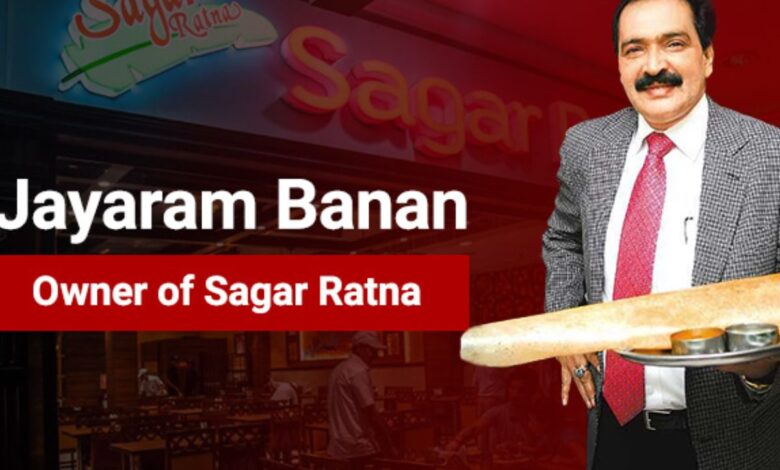
Born in the quaint coastal town of Udupi, Karnataka, Jayaram Banan’s journey to building a ₹300-crore South Indian restaurant empire is nothing short of extraordinary.
His life story is a testament to resilience, resourcefulness, and relentless determination. Today, the name Sagar Ratna is synonymous with authentic South Indian cuisine across India and beyond—but its roots trace back to a boy who faced unimaginable hardships before rising to unimaginable heights.
Jayaram’s childhood was fraught with difficulties. His father, known for his harsh discipline, once subjected him to cruel punishment for failing an exam by putting red chilli powder in his eyes. When Jayaram Banan failed another exam, he couldn’t bear the thought of facing his father again. At just 13, he made a daring decision: with ₹200 stolen from his father’s wallet, he boarded a bus to Mumbai, leaving behind his abusive home. A kind fellow traveler on the bus took pity on the crying teenager and offered him a job at a South Indian canteen in Panvel.
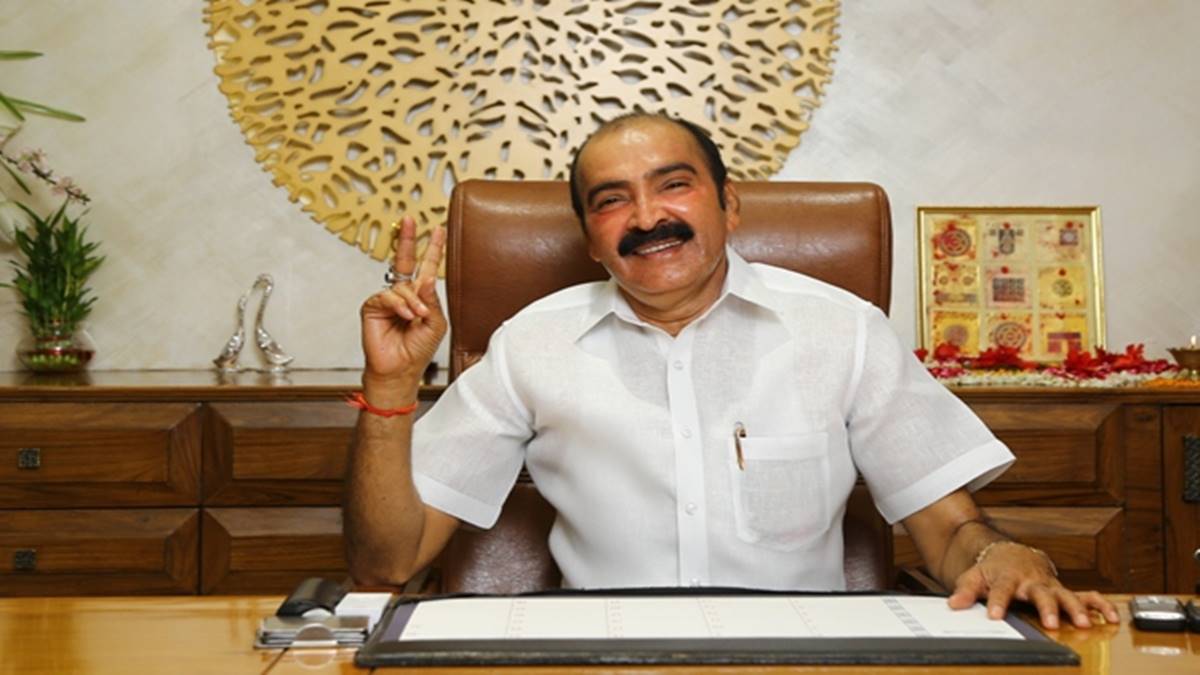
It wasn’t a glamorous start. Jayaram worked as a dishwasher and waiter, earning a meager ₹18 a month. The members of the Udupi community who ran the canteen were not always kind; he endured physical abuse and harsh treatment. But this time, Jayaram Banan refused to run. He worked tirelessly, learning the intricacies of the food business from the ground up. Over six years, he rose through the ranks, eventually becoming the manager and earning ₹200 per month—a sum that gave him his first taste of financial independence.
By the early 1970s, Jayaram had outgrown his role at the canteen and dreamed of opening his own South Indian restaurant. Recognizing that Bombay’s market was saturated with Udupi eateries, he set his sights on Delhi—a city with few South Indian options but a growing appetite for them. In 1973, with a modest investment of ₹5,000, Jayaram Banan opened a 40-seater restaurant in Defence Colony. On December 4, 1986, the first Sagar restaurant was born.
Success didn’t come immediately. On the first day, Sagar made just ₹408—hardly enough to cover the weekly rent of ₹3,250. The financial challenges were daunting, but Jayaram Banan refused to compromise on quality. His carefully prepared sambar and perfectly cooked dosas soon won over customers. Within a few years, Sagar Ratna gained a reputation for serving the best North Indian-style sambar in Delhi. Jayaram’s unwavering commitment to quality and authenticity set his restaurant apart from larger competitors like Haldiram’s and Woodland.
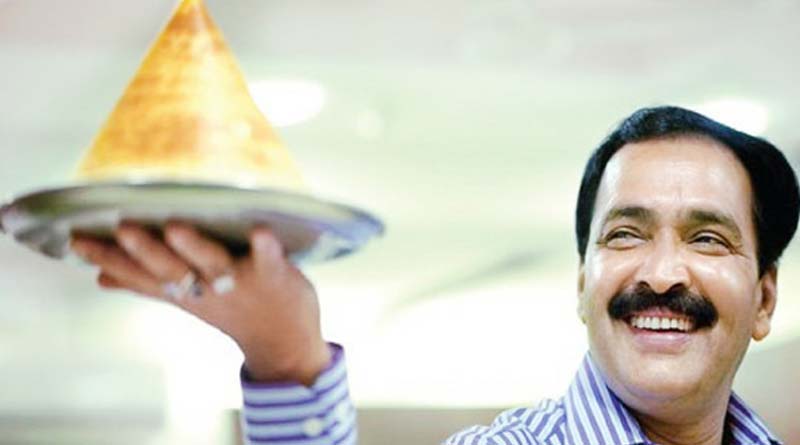
A turning point came when Sagar Ratna secured a coveted spot at the prestigious 5-star Lodhi Hotel, replacing Woodland. Jayaram Banan invested ₹50,000 in furniture, upgraded the ambiance, and rebranded the restaurant as Sagar Ratna in 1991. The name change, coupled with a modest price increase, solidified the brand’s image as a premium dining destination. By the end of the 1990s, Sagar Ratna had over 35 locations across North India and even opened its first franchise in Ludhiana’s Hotel Maharaja Regency—earning a remarkable ₹60 lakhs in franchise fees.
Jayaram’s keen business sense and adaptability helped Sagar Ratna achieve ₹12 crore in revenue by 2000, a figure that doubled to ₹25 crore by 2005. The brand’s explosive growth led to the launch of Swagath in 2001, catering to customers who craved authentic seafood alongside Sagar Ratna’s classic South Indian fare. In just five years, Swagath outperformed Bombay’s famed seafood chain Trishna, proving Jayaram’s knack for spotting market opportunities.
By 2011, Sagar Ratna had expanded to 90 restaurants, earning the attention of Indian Equity Partners (IEP), who purchased a 75% stake in the company for ₹180 crore. However, the deal eventually turned sour. In 2013, Jayaram Banan regained control of his business by buying back the shares for ₹90 crore. This bold move allowed him to steer the brand’s future without external interference. He diversified into new areas, including hotels, industrial canteens, packaged snacks, and ready-to-eat meals, transforming Sagar Ratna into a ₹300-crore enterprise with franchises as far as Canada, Singapore, and Bangkok.
Despite his immense success, Jayaram Banan never forgot his roots. In a gesture that speaks volumes about his character, he opened a restaurant in Karkala, Udupi, named after his father. This establishment serves a full South Indian meal for just ₹12—a humble price that reflects Jayaram’s enduring connection to his beginnings.
Today, Jayaram Banan is celebrated as the “Dosa King of India.” His story is a shining example of how resilience, dedication, and an unwavering belief in one’s vision can turn even the most humble beginnings into a legacy that transforms an industry. Jayaram Banan didn’t just build a restaurant chain; he built a brand that embodies the spirit of innovation and excellence in Indian cuisine.