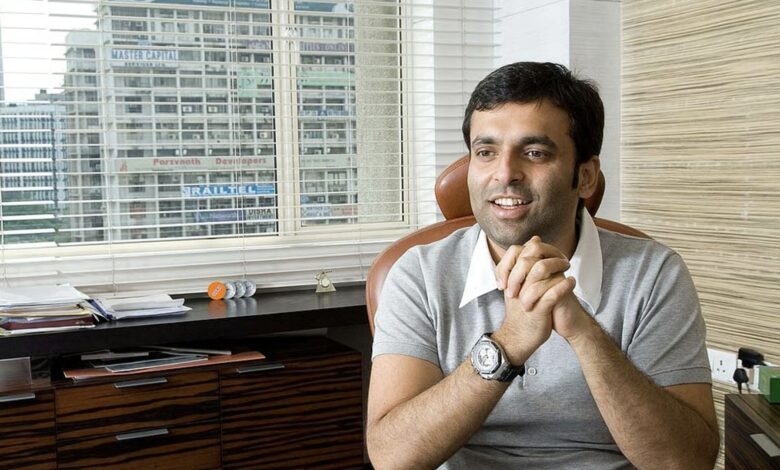
In the sprawling real estate landscape of Haryana, where dreams of homeownership often collide with the harsh realities of corporate greed, two names stand out as symbols of systemic exploitation: BPTP Limited and TDI Infratech Limited. BPTP, a Faridabad-based giant founded in 2003 by Kabul Chawla, has long been infamous for its trail of broken promises, regulatory violations, and outright fraud. Now, TDI Infrastructure—primarily operating in Sonipat and other North Indian regions—appears to be following in its footsteps, earning the dubious title of “the new BPTP of Sonipat.”
What makes this comparison even more poignant is the familial tie: Kabul Chawla is married into the Taneja family, the promoters of TDI, creating a web of interconnected operations that have collectively defrauded millions of homebuyers. This article delves deep into the disputes, scams, and controversies plaguing both companies, exposing how they systematically scam the hard-earned money of real estate buyers in Haryana, leaving them financially drained and emotionally shattered—like vampires sucking the blood from their victims.
The Rise and Rot of BPTP: A Blueprint for Exploitation
BPTP Limited, short for Business Park Town Planners Limited, started as a promising player in Haryana’s booming real estate sector. Under Kabul Chawla’s leadership as Chairman and Managing Director, the company lured thousands of middle-class buyers with visions of luxurious townships in areas like Faridabad, Gurgaon, and Greater Noida. Projects such as Park Serene, Spacio, and Terra promised modern amenities, timely possession, and high returns on investment. However, over two decades, BPTP has transformed into a synonym for deceit, amassing a staggering record of legal battles, enforcement actions, and buyer grievances.
Enforcement Directorate Raids and Money Laundering Allegations
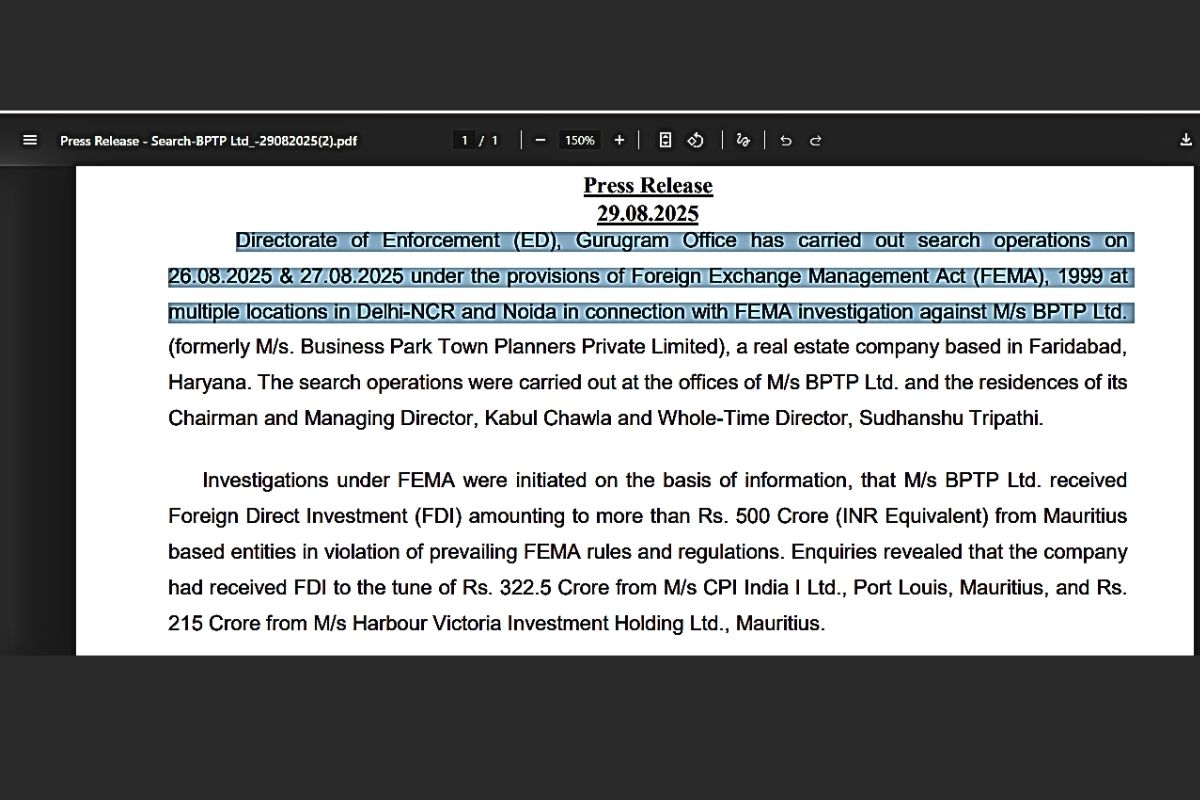
The Enforcement Directorate (ED) has been a constant thorn in BPTP’s side, conducting multiple raids since 2010, with the latest in 2025 uncovering alleged violations of the Foreign Exchange Management Act (FEMA) worth over ₹500 crore. Investigators seized documents, bank locker details, and digital evidence pointing to fund diversion, money laundering, and misrepresentation to investors.
These actions stem from broader probes into land acquisition irregularities, where BPTP allegedly colluded with political figures like former Haryana Chief Minister Bhupinder Singh Hooda to acquire agricultural land at throwaway prices, only to flip it for massive profits while delaying projects. In one infamous case tied to the ₹20,000 crore Haryana real estate scam during Hooda’s tenure (2005-2014), BPTP benefited immensely from manipulated master plans and illegal land conversions, causing financial losses to the state and buyers alike.
FIRs and Criminal Complaints: A Litany of Fraud
BPTP’s legal troubles extend to numerous First Information Reports (FIRs) filed across Delhi-NCR police stations. In 2014, Faridabad police booked Chawla for fraud and criminal conspiracy in a housing scam affecting over 1,000 buyers who paid upfront but received neither possession nor refunds.
Another 2021 FIR highlighted non-payment disputes worth ₹9.65 crore, where BPTP misled investors on project approvals and siphoned funds. The company has faced charges under sections like IPC 406 (criminal breach of trust), 420 (cheating), and 120B (conspiracy), mirroring tactics used to collect payments without delivering on promises.
Consumer Disputes and RERA Violations: The Human Cost
The most heart-wrenching aspect of BPTP’s operations is the avalanche of consumer complaints—numbering in the millions across platforms like consumercomplaints.in. Buyers allege delays spanning a decade, substandard construction, missing amenities (like water, electricity, and roads), and arbitrary changes to project specifications. In projects like Park Serene and Spacio, over 5,000 units remain incomplete, forcing buyers to pay EMIs on loans for undelivered homes while renting elsewhere.
The Haryana Real Estate Regulatory Authority (RERA) has intervened multiple times, listing hundreds of complaint matters against BPTP and imposing penalties for non-compliance. A landmark Supreme Court judgment in Prabhat Kumar vs. BPTP Limited (2025) upheld homebuyer rights, mandating refunds with interest for delayed possession, highlighting BPTP’s abuse of dominance and anti-competitive practices. Despite this, BPTP’s planned 2026 IPO—aiming to raise ₹5,000 crore—has been labeled the “biggest real estate scam of India,” as it seeks fresh capital to mask insolvency threats and unresolved disputes.
Broader Controversies: Political Nexus and Systemic Corruption
BPTP’s scandals are intertwined with Haryana’s political landscape. During Hooda’s regime, the company allegedly received undue favors, including expedited licenses and land allotments, in exchange for kickbacks. This nexus facilitated illegal constructions and land frauds, as detailed in petitions to the Supreme Court accusing Hooda of a ₹20 lakh crore scam involving builders like BPTP and DLF. Homebuyers have staged protests, but BPTP’s impunity—Chawla has evaded arrest despite non-bailable warrants—speaks volumes about the power dynamics at play.
TDI Infrastructure: Echoing BPTP’s Dark Legacy in Sonipat
If BPTP set the template for real estate malfeasance in Faridabad and Gurgaon, TDI Infratech Limited—formerly Taneja Developers & Infrastructure Ltd—has replicated it in Sonipat and beyond. Founded by the Taneja family (Ravinder Kumar Taneja as Chairman, Kamal Taneja as MD, Devki Nandan Taneja, Ved Prakash, Akshay Taneja, and Renu Taneja as directors), TDI focuses on projects like TDI City (Mohali), Wellington Heights (Mohali), Kingsbury Apartments (Sonipat), My Floor 2 (Sonipat), Tuscan City (Sonipat), and TDI Mall (Kundli, Sonipat). Like BPTP, TDI’s operations are marred by ED actions, criminal charges, and endless consumer woes, positioning it as the “new BPTP” in Sonipat’s real estate scene.
ED Attachments and Money Laundering Probes
TDI has faced aggressive ED scrutiny, with provisional attachments totalling ₹51-52 crore. In June 2024, assets worth ₹45-46 crore (including a clubhouse, vacant land, and bank accounts) were attached in a money-laundering probe linked to duping homebuyers in Gurgaon projects. By March 2025, ED targeted eight shops in TDI Mall (Kundli, Sonipat) valued at ₹5.61 crore, deeming them “proceeds of crime” from environmental violations.
This stemmed from Haryana State Pollution Control Board (HSPCB) complaints in August 2020, accusing TDI of failing to install sewage treatment plants (STPs) and discharging untreated effluent in projects like Kingsbury Apartments, My Floor 2, and Tuscan City—violations of the Water Act (1974) and Air Act (1981). Earlier, in the 2020-2021 Manesar land scam, TDI was named in an ED charge sheet for illegal land acquisitions, with attachments exceeding ₹280 crore across entities.
Criminal Complaints and Charge Sheets: Patterns of Deceit
TDI’s criminal record includes HSPCB’s three complaints in 2020, leading to ED actions. A charge sheet dated August 2, 2024, was filed against TDI and directors under IPC 406, 420, and 120B for criminal breach of trust, cheating, and conspiracy. A 2016 Punjab FIR summoned directors for fraud in a real estate deal, while a 2021 case positioned TDI as a complainant in a ₹9.65 crore non-payment dispute—ironically highlighting their own entanglements.
Consumer Grievances: Delays, Non-Delivery, and “Mental Agony”
TDI’s consumer disputes mirror BPTP’s, with consolidated complaints in State Consumer Disputes Redressal Commissions (SCDRC) and District Forums for delays, non-delivery, and unfair practices. In Asha Puruthi v. TDI (2025), courts ordered refunds with 9% interest and ₹50,000 for “mental agony and harassment” due to delays in TDI City (Mohali).
Similar rulings in Rajesh Kumar Jindal v. TDI (2020), Manu Sehgal v. TDI (2018, seven consolidated cases), and others awarded compensations ranging from ₹50,000 to ₹3 lakh per complainant for non-delivery in Wellington Heights and other projects. Haryana RERA and High Court dockets are flooded with appeals, reflecting TDI’s failure to obtain approvals, acquire land, or develop amenities.
Other Controversies: Environmental Neglect and Familial Ties
Beyond finances, TDI’s environmental lapses—avoiding STP costs to pocket ₹5.61 crore—underscore a disregard for public welfare. The Taneja-Chawla family link amplifies suspicions of shared tactics, with both firms criticized in broader Haryana scams involving builders like DLF.
How BPTP and TDI Are Scamming Buyers: A Blood-Sucking Modus Operandi
These companies operate like a well-oiled machine of exploitation, preying on the aspirations of Haryana’s middle class. The scam begins with aggressive marketing: Glossy brochures promise world-class amenities and timely delivery, enticing buyers to pay 80-100% upfront via loans. Funds are then diverted—often laundered through shell companies or foreign channels—as revealed in ED probes. Projects stall due to “regulatory delays” (self-inflicted via illegal land deals), leaving buyers burdened with EMIs, rent, and legal fees.
In Haryana, where real estate boomed under political patronage, BPTP and TDI exploited lax oversight to overcharge (e.g., VAT/EDC hikes), alter plans without consent, and ignore environmental norms. Buyers face “mental agony”—a legal term in judgments—but the real toll is financial ruin: Life savings vanish, families endure stress-induced health issues, and dreams shatter. The familial connection suggests coordinated strategies, with both firms named in multi-builder probes. RERA and courts offer some relief, but enforcement is slow, allowing these vampires to continue feeding on fresh victims.
Conclusion: A Call for Accountability
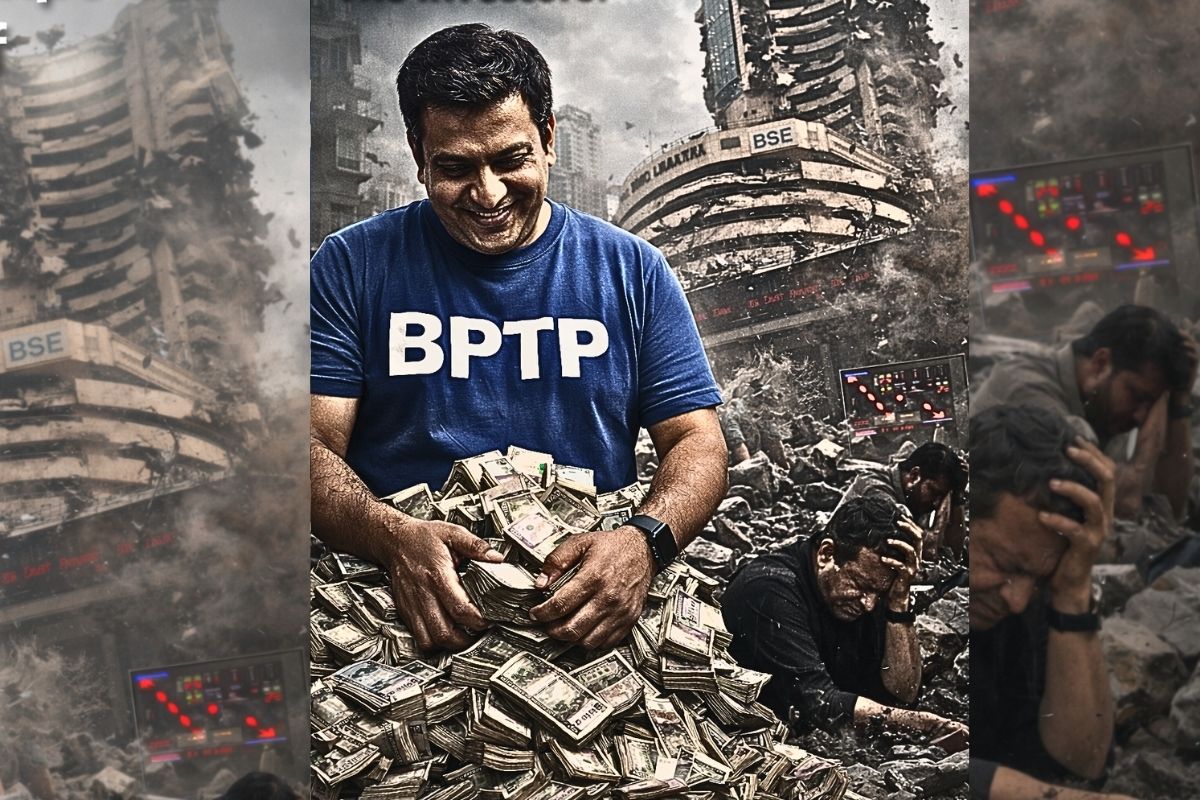
BPTP and TDI exemplify Haryana’s real estate rot, where corporate impunity drains the blood of innocent buyers. With ED attachments, FIRs, and court orders piling up, it’s time for stricter regulations, swift prosecutions, and buyer protections. Until then, potential investors beware: These companies aren’t building homes—they’re constructing empires on the ruins of your hard-earned money.