It’s said that every success is built on a mountain of failures, and Pavan Guntupalli’s journey stands as a living testament to that truth.
From repeated setbacks and investor rejections to becoming the co-founder of a thriving enterprise valued at 6700 crore, Pavan Guntupalli’s story is as much about resilience and vision as it is about innovation.
Born in the southern Indian state of Telangana, Guntupalli displayed an early aptitude for technology. Fascinated by computer programming from a young age, he secured a seat at IIT Kharagpur in electrical engineering. While most might view an IIT degree as a golden ticket to a lucrative corporate career, Guntupalli had other plans. He envisioned building something of his own, something that could change the way people navigate their cities.
Early Failures and Unyielding Determination
In his initial foray into entrepreneurship, Guntupalli dove into the payments space when IMPS services were introduced in India. But within nine months, the idea crumbled. Undeterred, he pursued a role at Samsung, developing software and honing his technical skills. Even then, the thought of creating something groundbreaking never left his mind.
The turning point came when he teamed up with Aravind Sanka Sridhar, a friend from IIT. Together, they turned their attention to intracity logistics. In April 2014, the pair launched “theKarrier,” a platform to manage deliveries via mini trucks. Unfortunately, the concept proved to be capital-intensive and difficult to scale, leaving Guntupalli once again searching for answers.

Instead of giving up, Guntupalli saw an opportunity. Why focus on trucks when smaller, more agile vehicles like bikes could potentially revolutionize urban transportation? Along with two fellow graduates from IIT and PESU, he decided to take one last shot at his dream. And so, in November 2014, Rapido was born.
Building a Business Against All Odds
The timing couldn’t have been more challenging. At that point, ride-hailing giants Uber and Ola had already established a dominant presence in India’s car taxi market. Introducing a bike taxi service meant stepping into an unregulated space and taking on competitors with deep pockets and strong brand recognition.
Rapido began modestly in Bangalore, offering affordable fares starting at Rs 15 and Rs 3 per additional kilometre. The idea was straightforward—provide a quick, convenient alternative for city commuters. However, things quickly became complicated.
Within a month of Rapido’s launch, both Uber and Ola rolled out their own bike taxi services, eroding any potential first-mover advantage. Guntupalli and his team faced rejection after rejection—75 investors turned them down, citing concerns over competition and doubts about the viability of the model. For three years, Guntupalli struggled to gain traction.
But rather than walk away, he doubled down on what set Rapido apart. Unlike the established players, Rapido focused on two key customer segments: people without access to personal vehicles and those seeking flexible income opportunities. This dual-pronged approach gradually began to bear fruit.
Breaking Through and Scaling Rapidly
In April 2016, the tide finally turned. Rapido attracted early backers, including Pawan Munjal of Hero MotoCorp and AdvantEdge Partners. The infusion of funds allowed the team to scale their operations. By the end of the year, Rapido’s fleet had expanded to 400 bikes across multiple cities, and its user base had grown exponentially—from 5,000 in January to 150,000 by December.
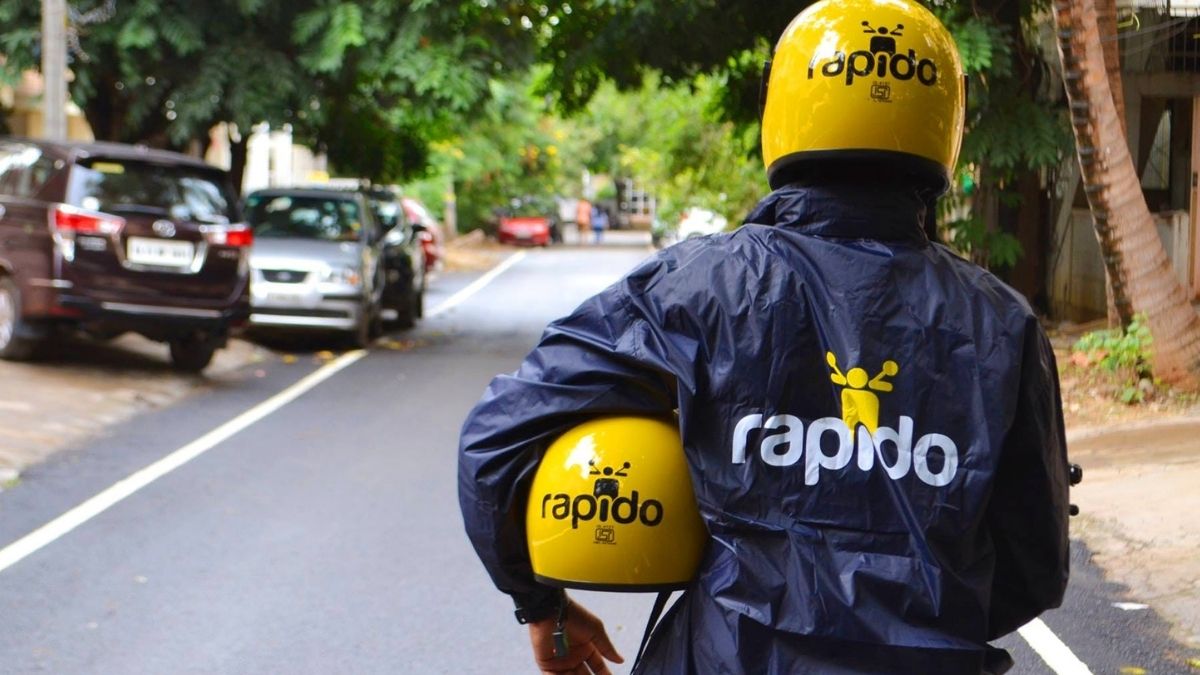
Guntupalli’s innovative approach to driver partnerships, branding them as “captains” and providing a fair commission structure, ensured steady growth. Captains were allowed to use their existing vehicles, and they received 80% of their earnings immediately, along with access to safety monitoring software. These measures not only made Rapido an attractive platform for riders, but also helped cultivate a loyal, motivated network of drivers.
By early 2019, Rapido was completing 70,000 trips daily with an average fare of Rs 50. The company raised significant funding—150 crore from Nexus Venture Partners and Integrated Capital Growth—and continued to expand. By the end of the year, it was present in 12 cities and had raised an additional 391 crore from West Bridge Capital.
Revolutionizing Urban Transportation
While many startups struggled to stay afloat during the pandemic, Rapido thrived. In late 2020, the company introduced auto rickshaw rides at metered prices. Within just five months, they hit the milestone of 10 lakh completed auto rides. This adaptability, combined with a deep understanding of the urban mobility landscape, allowed Rapido to pull ahead of even larger competitors.
As of today, Rapido serves over 50 million app users in 100 cities. With 1.5 million captains on board, it’s become a trusted name in last-mile connectivity. In its latest funding round, the company raised 1370 crore, with Swiggy leading the investment, propelling Rapido’s valuation to 6700 crore.
The Legacy of Resilience and Vision
What makes Pavan Guntupalli’s journey so remarkable isn’t just the impressive numbers or the rapid growth of Rapido. It’s the sheer determination and resilience he showed in the face of adversity. After being rejected 75 times by investors and experiencing multiple business failures, many would have given up. But Guntupalli refused to let setbacks define him. Instead, he learned from them, adapted his strategies, and kept pushing forward.
His story is a reminder that success is rarely a straight path. It’s built on grit, adaptability, and the courage to keep going even when the odds seem insurmountable. Today, Pavan Guntupalli stands not just as the co-founder of a thriving urban mobility company, but as an inspiration to countless aspiring entrepreneurs who dream of turning their ideas into reality.