Understand The Chronology Of Aadhaar Card Seva Kendra Project Worth 2055 Crore Given To BLS International

The Aadhaar Debacle: A Monumental Waste of Taxpayer Money on a Flawed, Unnecessary Project
Introduction: Pouring Good Money After Bad
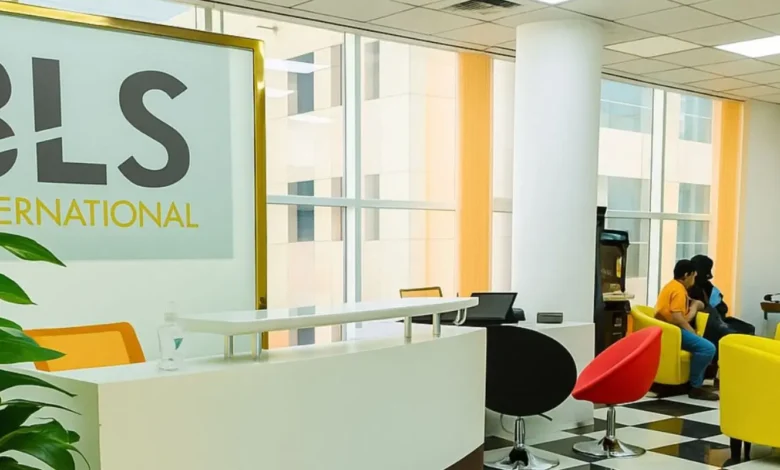
In a move that has left taxpayers scratching their heads and critics fuming, the Indian government, through the Unique Identification Authority of India (UIDAI), awarded a whopping ₹2,055.35 crore contract to BLS International Services on August 25, 2025, for establishing and managing district-level Aadhaar Seva Kendras (ASKs). This six-year deal, announced publicly on August 26, 2025, aims to set up around 300 such centers to handle enrollments, biometric updates, and demographic changes, supplementing the existing network of over 66,000 Aadhaar Kendras operated by banks, post offices, and state entities. As of early 2025, only 88 ASKs were operational across 72 cities, yet the government sees fit to inject billions more into what many describe as a “dead” project.
This isn’t just any expenditure—it’s the latest chapter in a saga that has already drained an estimated ₹60,000–70,000 crore from public coffers, according to a 2018 McKinsey study factoring in full implementation, maintenance, and integrations. Official figures peg cumulative spending at ₹13,663 crore by 2023, but that’s a conservative underestimate excluding indirect costs like subsidies and tech integrations. And for what? Aadhaar, the 12-digit biometric ID launched in 2009, hasn’t replaced a single existing document—no Voter ID, no passport, no ration card, no PAN. It’s merely a “proof of identity” that’s been mired in privacy breaches, exclusion errors, and constitutional battles.
Compounding the outrage, just as this contract was inked, UIDAI hiked update fees: demographic changes (name, address, DOB, gender) jumped from ₹50 to ₹75, while biometric updates (fingerprints, iris, photos) rose from ₹100 to ₹125. With 142.76 crore Aadhaar numbers generated as of September 16, 2025, even a modest uptake on updates could net the government and its partners billions—potentially ₹7,100 crore if a fraction of holders update biometrics once, based on rough arithmetic (142 crore × ₹125 / 2, assuming half update). Critics call this extortion, a sneaky revenue stream from a system that’s de facto mandatory despite Supreme Court rulings insisting otherwise.
This article dissects the Aadhaar quagmire: from BLS International‘s sordid history of scandals to Aadhaar’s inherent flaws, the judiciary’s repeated rebukes, and the baffling persistence of funding a project that delivers zero tangible replacement value. Why pour taxpayer money into a black hole? Why hand it to a firm with a rap sheet longer than a visa queue? And with entrepreneurs like Hotmail co-founder Sabeer Bhatia labeling it a “$1.3 billion misstep,” is this not the epitome of fiscal irresponsibility? As India grapples with a tax-to-GDP ratio of just 18.8%, diverting funds from healthcare and education to prop up a surveillance-prone database raises profound questions about governance, accountability, and the true cost of “digital India.”
The Shadowy Past: A Litany of Allegations Against BLS International
BLS International, the lucky recipient of this ₹2,055 crore windfall, isn’t some squeaky-clean tech giant—it’s a Delhi-based firm founded in 1983, specializing in outsourced visa processing, consular services, and e-governance projects across 66 countries. With a global footprint comes a global trail of controversies, making its selection for Aadhaar’s sensitive biometric ecosystem all the more perplexing. A deep dive into its history reveals a pattern of overcharging, operational failures, ethical lapses, and outright terminations—issues that should have disqualified it from handling India’s most intimate personal data.
Start with Estonia in 2023: BLS’s contract for e-Residency ID card issuance was abruptly terminated amid allegations of unauthorized and irregular distributions. Reports surfaced of cards being issued in unauthorized locations like Bangkok, blamed on “errant employees,” but the damage was done—Estonian authorities cited breaches of protocol, leading to a full audit and blacklist. This wasn’t a one-off; it echoed broader concerns about BLS’s lax oversight in high-stakes identity services.
Closer to home and abroad, customer complaints have dogged BLS like a bad reputation. In Canada, from 2023 to 2025, diaspora communities reported rampant overcharging: attestation services billed at $47 when official fees were $7–8, coupled with coercion into premium slots and interminable wait times. CBC News documented these grievances, with Indian-origin MP Chandra Arya demanding accountability, accusing BLS of exploiting vulnerable immigrants. Similar tales emerged in other diasporas—alleged agent collusion to manipulate bookings, denying access unless “facilitation fees” were paid, turning consular services into a racket.
India itself hasn’t been spared. In 2024, an FIR was lodged against BLS’s Chief Human Resources Officer, Gautam Aggarwal, for sexual harassment, prompting a company denial and a counter-filing for alleged data theft as “retaliatory.” While the case simmers, it underscores a toxic internal culture unfit for a firm entrusted with biometrics. Then there’s the Punjab e-governance debacle (2017–2018): BLS, owed ₹145 crore for services, faced salary defaults for employees and crippling cash flow issues, leading to project delays and state investigations. In Algeria (2024), social media erupted with claims of visa graft, while Spain’s visa appointments in India (2024) were plagued by UI bugs and non-refundable fees, stranding applicants.
Wider scrutiny paints BLS as emblematic of outsourced vendors’ pitfalls. Media probes in multiple jurisdictions— from disciplinary actions in the UK to contract reviews in Australia—highlight irregularities, with outlets like The Guardian and local papers flagging systemic overreach. Even in less controversial gigs, like Punjab’s digital services, BLS has been accused of inflating costs and underdelivering, amassing a portfolio of probes that scream “high risk.”
Why, then, entrust Aadhaar—a system linking biometrics to SIMs, banks, taxes, and welfare—to such a firm? The tender process, presumed competitive, cited BLS’s “experience” in e-gov like Punjab projects, but critics smell favoritism. With electoral bonds funneling ₹5,272 crore to the BJP (often from contract winners), whispers of quid pro quo abound. BLS’s low bid? Perhaps, but at what cost to data security? In a project already scarred by leaks, handing reins to a controversy magnet is fiscal roulette.
The Core Rot: Allegations and Controversies Plaguing Aadhaar Itself
If BLS is the questionable executor, Aadhaar is the flawed blueprint—a “unifying key” critics warn could unlock mass surveillance, aggregating biometrics with banking, telecom, welfare, and tax data into a dystopian profile. Launched via executive orders in 2009 before the Aadhaar Act of 2016, it bypassed parliamentary scrutiny, fueling charges of overreach. By 2025, with 142.76 crore enrollments, it’s ubiquitous, but so are the scandals.
Privacy and data protection gaps loom largest. Aadhaar lacks a robust, enforceable privacy law; the Personal Data Protection Bill remains stalled. Leaks abound: In 2018, millions’ details spilled; 2023 saw 81.5 crore Indians’ PII hit the dark web. Cyber risks amplify this—the world’s largest biometric database is a hacker’s dream, with architecture flaws allowing bogus entries. Fraudsters have manipulated docs or tech for identity theft, issuing fakes to animals, deities (Lord Hanuman got one), and non-citizens like Bangladeshi immigrants, with 2024–2025 arrests uncovering rackets charging ₹2,000–40,000 per card.
Critics decry mass surveillance potential: Deep integrations enable pervasive tracking, eroding autonomy. Consent? Often illusory—Aadhaar’s “voluntary” tag rings hollow when services hinge on it. Exclusion risks hit hardest: Biometric failures (bad fingerprints, connectivity woes) deny marginalized folks essentials like food subsidies, causing deaths and hardship. A 2019 EPW analysis typologized these “tragedies of errors,” from mandatory linkages starving the poor to tech glitches in welfare.
Economics? Overclaimed. Projected savings from fraud reduction and efficiency—₹2.7 lakh crore via DBT—rest on rosy assumptions, doubted even by World Bank insiders. Proportionality falters: Why biometrics for a mere ID when cheaper alternatives exist? Legal woes compound: As proof of identity only (not citizenship), misuse in voter lists or NRC is rife, blurring welfare/non-welfare lines despite rulings.
In sum, Aadhaar’s controversies—breaches, exclusions, surveillance—paint a project more liability than asset, yet it soldiers on, now with fresh billions.
Supreme Court’s Rebukes: A Judicial Firewall Against Overreach
India’s apex court has been Aadhaar’s reluctant referee, issuing a series of observations that underscore its flaws while trying to salvage a “balanced” version. These aren’t endorsements; they’re damage control, repeatedly affirming voluntariness and privacy amid government pushes for mandates.
It began in 2013 with interim orders: Aadhaar can’t be mandatory for services; no denials for lack thereof. By August 11, 2015, the Court directed publicity campaigns clarifying this, rebuking agencies for insistence and mandating clarifications. The watershed was August 24, 2017’s K.S. Puttaswamy judgment: A nine-judge bench enshrined privacy as fundamental under Article 21 (and 14/19), overruling prior denials—a direct shot at Aadhaar’s intrusive design.
The 2018 September 26 constitutionality verdict (five-judge bench) upheld the Act partially but struck hard: Valid for subsidies/welfare, but Section 57 (private entity authentication) down; no mandates for banks, mobiles, schools. Linking to PAN/IT is okay, but biometrics failing? Alternatives like enrollment ID mandatory. Children? No Aadhaar for education rights. Post-2018: Private firms can’t insist; it’s no standalone citizenship proof, rejecting voter/NRC elevations.
The Money Bill tag—bypassing Rajya Sabha—remains contested, dubbed constitutional overreach. Safeguards like fallbacks depend on implementation, often lax. The Court punted deeper fixes to legislatures, calling for data protection laws. In 2025 rulings, it reiterated limits on private uses, questioning validity anew amid leaks.
These observations expose Aadhaar’s coercive creep: “Voluntary” in theory, mandatory in practice. The judiciary’s balance—welfare yes, overreach no—hasn’t stemmed blurring lines or agency pushes, leaving a system constitutionally hobbled yet fiscally bloated.
No Replacements, Just Regrets: Why Spend on a “Useless” ID?
Here’s the kicker: Aadhaar replaces nothing. Election Commission: Not Voter ID. Passports? Proof of address/identity, but no substitute. Ration cards? Seeded for auth, but they persist. PAN? Linked for taxes, but separate. No single doc ousted—it’s an add-on, not overhaul.
So why ₹60,000–70,000 crore squandered? Government touts efficiency, leak-plugging (₹2.7 lakh crore DBT savings), but sans replacements, it’s phantom value. Taxpayers’ hard-earned cash funds a redundant layer atop existing IDs, ballooning costs without streamlining. Critics argue it’s ideological—centralized control masked as progress—diverting from real needs like infrastructure. In a nation where 70% rural folk struggle with connectivity, biometrics exacerbate exclusions, not solve them. This “useless thing” isn’t innovation; it’s extravagance, a fiscal sinkhole justified by unproven ROI.
Voices of Dissent: Entrepreneurs Slam Aadhaar as Extravagant Folly
Even titans of tech decry Aadhaar as profligacy. Foremost: Sabeer Bhatia, Hotmail co-founder, who in February 2025 blasted it as a “$1.3 billion misstep”—₹11,385 crore “ill-spent,” buildable for ₹136 crore (~$20 million) using voice/video recognition on smartphones. “Aadhaar took all your biometrics, but where is that being used?” he quipped, proposing airport check-ins via facial/voice scans—no physical ID needed. Bhatia’s critique: Biometrics are outdated; ubiquitous phones offer cheaper, superior auth.
He’s not alone—though Bhatia dominates discourse, echoes resound from global watchers. Yale Insights (2020, prescient) warned of “deaths, breaches, fraud” from digitizing a billion identities. Carnegie Endowment flags consent erosion; Tech Policy Press, economic overclaims. Indian entrepreneurs, per podcasts like PGX, whisper similar: UPI shines, but Aadhaar? Overrated waste. These acclaimed voices—Bhatia as archetype—expose Aadhaar as “extra expenditure,” a lesson in hubris over pragmatism.
Doubling Down on Failure: The ₹2,055 Crore Enigma
Despite zero replacements, Supreme rebukes, leaks, and Bhatia’s barbs—plus ₹60,000–70,000 crore torched—why another ₹2,055 crore on ASKs? Government claims “last-mile connectivity” for rural 70%, backlog clearance, DBT bolstering. BLS projects ₹2,000 crore revenue over six years via fees, offsetting costs.
But failure’s toll? Exclusions kill; breaches expose; no doc displaced. It’s a “dead” project, per Inventiva’s scathing September 2025 takedown, with funds better for healthcare (India’s 1.3% GDP spend lags). Corruption shadows: Inflated tenders, bonds to rulers. Persistence? Political inertia—scrapping admits error—or surveillance enticement. Taxpayers foot a zombie initiative, zombie-fied by denial.
Zero Value, Infinite Costs: What “Benefits” Justify This?
Benefits? Elusive. DBT savings? Questioned—optimistic, per Quartz. Efficiency? Biometrics fail 12% rural users, per PMC. Surveillance “perk”? Unconstitutional. Zero importance: Can’t prove citizenship, DOB; useless solo. As a “zero value” relic, more spend yields nil—exclusions mount, leaks recur, autonomy erodes. It’s not benefit; it’s burden, a cyber risk magnet in a breach-prone world. Funds for ASKs? Mere prop for a facade, siphoning from essentials. Useless? Undeniably—yet it endures, a testament to misplaced priorities.
Cronyism or Competence? Why BLS, the Notorious Choice?
UIDAI picked BLS for “experience”—Punjab e-gov, global scale—but ignores the notoriety. Tender? Opaque, per critics; history of non-competitive awards. Why not cleaner firms like TCS? Speculation: Low bids, connections (bonds?). Estonia termination, Canada coercion, India harassment—red flags galore. For biometrics? Reckless. Government risks data Armageddon with a firm synonymous with scandal, prioritizing “official provider” tag over integrity. Notorious? Absolutely—yet chosen, fueling graft cries.
Fee Hikes: Extortion in Update’s Guise
Post-contract, fee surges: ₹50→₹75 demographics, ₹100→₹125 biometrics. With 142.76 crore cards, potential ₹7,100 crore haul (if 50% update biometrics once: 71 crore × ₹125). “Loot,” roar critics—burden on useless doc, de facto mandatory despite SC. Rural poor hit hardest; it’s extortion, monetizing failure. Government denies, but hikes amid contract? Smacks of revenue grab, extorting for a flawed system.
Conclusion: Time for Accountability
Aadhaar’s arc—from 2009 promise to 2025 farce—is a cautionary tale of waste, overreach, and opacity. ₹60,000+ crore down, no replacements, breaches galore, SC slaps, entrepreneur scorn—yet ₹2,055 crore to scandal-plagued BLS, fees hiked for “updates.” Benefits? Negligible against harms. This isn’t governance; it’s grift. Demand audits, alternatives (Bhatia’s voice tech?), defunding. Taxpayers deserve better than funding a biometric boondoggle. Repeal, reform, redirect—before privacy’s last stand crumbles.