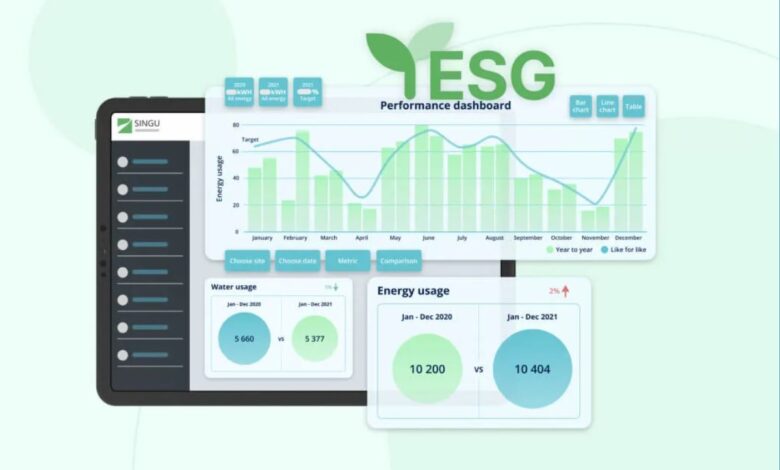
Introduction to ESG Reporting Software
The landscape of corporate sustainability has undergone a dramatic transformation in recent years, with Environmental, Social, and Governance reporting evolving from voluntary corporate citizenship initiatives into mandatory regulatory requirements. As we navigate through 2026, companies worldwide face an unprecedented array of sustainability disclosure obligations, from the European Union’s Corporate Sustainability Reporting Directive to California’s Climate Corporate Data Accountability Act, which took effect this year. These regulations demand not just general statements of intent but audit-grade data with clear provenance, consistent methodologies, and transparent governance.
1. Workiva
Workiva has established itself as one of the most comprehensive ESG reporting platforms available in 2026, serving over six thousand companies worldwide for corporate reporting, ESG disclosures, audit management, and risk oversight. The platform distinguishes itself through its emphasis on disclosure management, bringing together sustainability reporting with financial reporting in a unified workspace that ensures consistency across all external communications.
The platform’s architecture centers on connected data, meaning that when information is updated in one location, those changes automatically flow through to all connected reports and presentations. This capability proves particularly valuable for organizations managing complex reporting requirements across multiple regulatory frameworks. Workiva provides pre-built templates for major disclosure standards including the Corporate Sustainability Reporting Directive and International Sustainability Standards Board frameworks, significantly reducing the manual effort required to format reports according to specific regulatory requirements.
Workiva launched Workiva Carbon as a specialized module focused on carbon accounting, carbon management, and decarbonization planning. This addition strengthens the platform’s capabilities in the environmental dimension of ESG, enabling companies to track their carbon footprints with the same rigor they apply to financial data. The platform integrates seamlessly with multiple data sources, pulling information from enterprise resource planning systems, customer relationship management platforms, and operational databases to provide real-time visibility into sustainability metrics.
One of Workiva’s greatest strengths lies in its collaboration features. The platform supports multi-user access with clearly defined approval workflows, comprehensive version control, and detailed audit trails that document every change made to reports. These capabilities become essential when preparing for external assurance, as auditors can trace every data point back to its original source and verify the controls in place to ensure data accuracy. Companies preparing for limited or reasonable assurance on their sustainability reports find Workiva’s robust governance features invaluable.
The platform is particularly well-suited for large enterprises with established finance and sustainability teams. Accounting, finance, sustainability, audit, and risk professionals appreciate Workiva’s ability to eliminate manual tie-outs between different data sets and facilitate collaboration on company filings that span both financial and non-financial information. While the platform requires an upfront investment in setup and training, organizations that implement it properly report significant time savings and improved data quality in their reporting processes.
2. IBM Envizi ESG Suite
IBM Envizi ESG Suite represents enterprise-grade sustainability performance management software designed to handle the scale and complexity of large multinational organizations. The platform has been helping companies manage environmental data since well before ESG became mainstream, giving it deep institutional knowledge and proven methodologies that have been refined over years of practical application.
Envizi excels at consolidating diverse ESG data from across large, geographically dispersed organizations. The platform automatically collects information from various sources including enterprise resource planning and finance systems, property management databases, utility providers, and supplier data files. It then converts multi-metric, multi-currency cost and consumption data into comparable units and standardized time periods, creating a unified view of sustainability performance across the entire enterprise.
The platform’s greenhouse gas emissions calculation engine provides comprehensive coverage of Scopes one, two, and three emissions, applying recognized methodologies and maintaining detailed documentation of calculation approaches. This audit-ready structure ensures that organizations can defend their reported figures during external verification processes. Envizi includes audit records showing all changes made to data, and represents data quality visually through dashboards that highlight gaps, inconsistencies, or anomalies requiring attention.
IBM Envizi is particularly strong in emissions management and decarbonization planning. The platform helps organizations identify the most efficient and cost-effective paths to achieving reduction targets by analyzing where emissions are concentrated, evaluating the impact of potential interventions, and tracking progress over time. Companies using Envizi report that it has transformed their approach to carbon management, replacing what one sustainability manager described as the world’s largest spreadsheet with a systematic, scalable solution.
The platform integrates with IBM’s broader ecosystem of enterprise software and cloud services, enabling organizations that have already invested in IBM technology to leverage those existing relationships and infrastructure. Pricing for IBM Envizi ESG Suite starts at thirty thousand dollars per year, positioning it as an enterprise solution best suited for large organizations with substantial reporting obligations and the resources to implement comprehensive sustainability data management systems.
3. Persefoni
Persefoni has carved out a distinctive position in the ESG software market by specializing in carbon accounting and climate disclosure with a level of rigor that matches financial reporting standards. The platform is designed specifically for investor-grade reporting, making it particularly popular among financial institutions, asset managers, and companies facing intense scrutiny from investors and regulators regarding their climate-related risks and opportunities.
The platform’s architecture is built around what Persefoni calls a carbon ledger model, which applies double-entry accounting principles to emissions tracking. This approach ensures that all emissions are properly categorized, that calculations can be traced back to source data, and that the methodology remains consistent across reporting periods. The emphasis on auditability and transparency addresses a critical challenge in carbon accounting, where questions about data quality and calculation methodologies can undermine stakeholder confidence in reported figures.
Persefoni provides particularly strong capabilities for Scope three emissions reporting, which involves tracking indirect emissions from value chain activities like purchased goods and services, business travel, employee commuting, and downstream use of sold products. These emissions typically represent the largest portion of a company’s total carbon footprint but are notoriously difficult to measure accurately. Persefoni’s platform includes specialized tools and methodologies for estimating and tracking Scope three emissions, helping organizations develop comprehensive carbon footprints that include their full value chain impacts.
The platform supports global standards including the Task Force on Climate-related Financial Disclosures, Greenhouse Gas Protocol, and Securities and Exchange Commission climate disclosure requirements. It provides detailed documentation of calculation methodologies, assumptions, and data sources, enabling organizations to explain and defend their reported emissions figures. This level of transparency becomes increasingly important as climate disclosures transition from voluntary initiatives to mandatory regulatory filings subject to external assurance.
In a significant move toward democratizing access to carbon accounting, Persefoni launched a free tier of its platform, making basic carbon footprint calculation accessible to smaller organizations that might not have budgets for enterprise software. This initiative aligns with the company’s stated mission of reducing both commercial and technical barriers to creating accurate carbon footprints, enabling companies of all sizes to participate in global climate action.
4. Diligent ESG
Diligent ESG brings a unique perspective to sustainability reporting by approaching it through the lens of corporate governance and board oversight. The platform combines ESG tracking with board governance capabilities, recognizing that effective sustainability management requires engagement and accountability at the highest levels of corporate leadership.
Diligent’s platform centralizes data collection and measurement for environmental, social, and governance metrics, providing boards and executive teams with clear visibility into sustainability performance. The system supports automated reporting that reduces the manual effort required to compile ESG disclosures while maintaining the rigor and documentation standards necessary for external assurance. Organizations using Diligent report that it has transformed their ability to monitor ESG risks and opportunities in real time rather than discovering issues only during annual reporting cycles.

The platform includes specialized features for board reporting, enabling sustainability teams to present ESG performance to boards and audit committees in formats that facilitate strategic discussion and decision-making. These capabilities prove particularly valuable as boards face increasing expectations from investors and regulators to exercise active oversight of climate risks, social issues, and governance practices. Diligent helps ensure that boards have the information they need to fulfill these oversight responsibilities effectively.
Diligent ESG also provides benchmarking capabilities that enable organizations to compare their performance against industry peers and identify areas where they are leading or lagging. This competitive intelligence helps companies set ambitious yet realistic targets and understand how their ESG performance positions them relative to peers competing for the same investors, customers, and talent.
The platform’s intuitive user interface makes it accessible to executives and board members who may not have deep technical expertise in sustainability metrics but need to understand organizational performance and emerging risks. By making ESG data comprehensible and actionable for senior leaders, Diligent helps bridge the gap between sustainability specialists and executive decision-makers, fostering more informed strategic discussions about how ESG issues impact business performance and long-term value creation.
5. Workday
Workday approaches ESG reporting from the perspective of human capital and social metrics, leveraging its established position as a leading provider of human resources and workforce management software. The platform’s ESG capabilities are included at no additional cost for existing Workday customers, making it an accessible option for organizations already using Workday for human resources, payroll, and benefits management.
The platform excels in social reporting dimensions of ESG, providing tools to track workforce diversity, equity and inclusion metrics, employee safety and wellbeing indicators, and training and development investments. These social metrics have become increasingly important to investors and regulators, with many disclosure frameworks now requiring detailed information about workforce composition, pay equity, employee turnover, and occupational health and safety performance.
Workday enables organizations to calculate Scope three emissions related to employee activities including business travel and commuting. The platform also supports supplier sustainability assessment, helping companies evaluate the ESG commitments and performance of vendors in their supply chain. This supplier risk management capability addresses growing expectations that companies understand and manage ESG risks not just within their direct operations but throughout their value chains.
The platform’s data and analytics capabilities deliver sustainability insights directly to decision-makers through intuitive dashboards and reports. Because Workday already serves as the system of record for human resources data in many organizations, leveraging it for ESG reporting eliminates the need to transfer workforce information to separate sustainability platforms, reducing data quality risks and administrative burden.
Workday’s approach makes particular sense for organizations where social and governance dimensions of ESG are most material to their business model and stakeholder expectations. Professional services firms, healthcare organizations, educational institutions, and other people-intensive businesses find Workday’s workforce-focused ESG capabilities well-aligned with their reporting needs and strategic priorities.
6. Prophix One
Prophix One positions itself as a financial performance platform that integrates ESG reporting alongside traditional financial planning, budgeting, forecasting, and consolidation functions. This unified approach recognizes that sustainability performance increasingly impacts financial outcomes and that finance teams play a central role in ensuring the quality and credibility of ESG data.
The platform is designed specifically for the Office of the CFO, serving chief financial officers, financial analysts, controllers, chief information officers, and business leaders who need to see ESG metrics in the context of overall organizational performance. Prophix One enables finance teams to apply the same rigor, controls, and assurance processes to ESG data that they apply to financial data, helping organizations build confidence in their sustainability disclosures.
Prophix One centralizes ESG data from diverse business systems through flexible import capabilities, integration options, and validation rules that ensure data quality at every stage of the collection and reporting process. The platform supports the full range of ESG metrics required by major disclosure frameworks while also enabling organizations to track custom indicators specific to their industry or strategic priorities.
The platform includes robust scenario planning and forecasting capabilities that enable organizations to model the financial impacts of sustainability initiatives. Companies can evaluate the costs and benefits of potential investments in renewable energy, energy efficiency improvements, or emissions reduction projects, making more informed decisions about where to allocate resources for maximum impact. This financial integration helps ensure that sustainability considerations become part of mainstream business planning rather than remaining siloed in separate sustainability departments.
Prophix One receives particularly strong ratings from users for customer service and support, ease of integration and deployment, and evaluation capabilities. These operational strengths matter significantly when implementing ESG software, as organizations need platforms that can be deployed relatively quickly, integrate smoothly with existing systems, and provide responsive support when questions or issues arise.
7. KEY ESG
KEY ESG represents a new generation of specialized sustainability management software designed specifically to streamline the complex process of ESG reporting for both investors and operating companies. The platform emphasizes flexibility and customization, enabling organizations to select from a library of over one thousand regulation-specific data points or create custom metrics tailored to their unique business context and stakeholder requirements.
The platform’s data collection workflow management capabilities stand out as a key differentiator. KEY ESG enables sustainability teams to send structured data requests to colleagues across the organization, set reminders, track response status, and consolidate inputs into a unified dataset. This orchestration of internal data collection addresses one of the most time-consuming aspects of ESG reporting, where sustainability teams often struggle to gather necessary information from operational teams that may not understand what data is needed or why it matters.
KEY ESG provides application programming interface integrations that enable automated data flows between the platform and other business systems. Organizations can pipe data into the platform from sources like utility databases, human resources systems, and procurement platforms, reducing manual data entry and the associated risks of transcription errors. Similarly, validated ESG data can be exported from KEY ESG into other systems for financial reporting, investor relations, or public disclosure purposes.
The platform supports the full spectrum of environmental, social, and governance metrics including comprehensive Scope one, two, and three carbon accounting. It provides pre-built templates aligned with major reporting frameworks while also enabling organizations to create customized reports that address specific stakeholder needs or regulatory requirements unique to their jurisdiction or industry.
KEY ESG positions itself as particularly well-suited for large organizations and global enterprises that need a platform capable of supporting rapid and accurate data collection, streamlining multiple reporting and compliance obligations, and driving sustainability performance improvement through advanced analytics. The platform helps organizations transform their sustainability data from a compliance burden into a competitive advantage by providing insights that inform strategic decision-making and operational improvements.
8. Microsoft Cloud for Sustainability
Microsoft Cloud for Sustainability leverages the company’s Azure cloud infrastructure and Power Platform to provide organizations with ESG data management capabilities that integrate seamlessly with existing Microsoft technology investments. For companies already using Microsoft 365, Dynamics 365, or Azure cloud services, this platform offers native integration that eliminates many of the technical challenges associated with implementing standalone ESG software.
The platform centralizes activity data related to energy consumption, carbon emissions, water usage, and waste generation within the Microsoft ecosystem. It applies emissions calculation logic using recognized methodologies and provides dashboards built on Power BI that enable real-time visibility into sustainability performance. Organizations can leverage Microsoft’s artificial intelligence capabilities through Copilot to generate insights, identify anomalies, and answer questions about their ESG data using natural language queries.
Microsoft Cloud for Sustainability connects ESG data with operational and financial information stored in other Microsoft systems, enabling integrated analysis that reveals relationships between sustainability performance and business outcomes. Companies can evaluate how energy efficiency improvements impact operating costs, assess the carbon intensity of different product lines or business units, and model the financial implications of various decarbonization scenarios.
The platform is particularly strong for organizations with significant presence in the Microsoft technology estate who want to minimize the complexity of integrating yet another vendor into their information technology landscape. By keeping ESG data management within the Microsoft environment, companies can leverage existing security protocols, user access controls, and data governance frameworks rather than establishing separate processes for sustainability data.
Microsoft’s commitment to its own ambitious sustainability goals, including becoming carbon negative by 2030, adds credibility to the platform. The company applies its software internally to manage its own ESG performance, providing real-world validation of the platform’s capabilities and demonstrating alignment between the technology provider’s products and its own sustainability commitments.

9. Coolset
Coolset represents a specialized ESG reporting platform designed specifically for compliance-focused teams working with European sustainability regulations including the Corporate Sustainability Reporting Directive, European Sustainability Reporting Standards, Voluntary SME standard, and EcoVadis assessments. The platform takes a structured, template-driven approach that guides organizations through reporting requirements step by step, reducing the complexity and confusion that often accompanies new regulatory obligations.
The platform’s guided templates incorporate the latest regulatory requirements and provide clear instructions about what information is needed for each disclosure. Artificial intelligence capabilities suggest answers based on available data and provide automated filling of certain fields, significantly reducing the manual effort required to complete reports. All suggested content is clearly linked to original source documents and supporting evidence, ensuring that organizations maintain audit trails that can withstand external assurance.
Coolset enables cross-framework data reuse, recognizing that many ESG metrics required by different standards overlap substantially. Organizations can enter data once and leverage it across multiple reporting frameworks, eliminating redundant work and ensuring consistency across various disclosures. This efficiency becomes increasingly valuable as companies face expanding reporting obligations across multiple jurisdictions and stakeholder groups.
The platform includes comprehensive emissions tracking covering Scopes one, two, and three, with specialized capabilities for collecting supplier data and other value chain information. Coolset structures stakeholder engagement processes, sending targeted data requests to suppliers, business units, or other parties and tracking responses to ensure complete information collection.
Coolset targets lean sustainability teams and mid-market companies with between two hundred fifty and five thousand employees. These organizations often lack the resources to implement enterprise-grade platforms but face sophisticated reporting requirements that exceed the capabilities of spreadsheets and manual processes. Coolset’s approach of providing structure, guidance, and automation at an accessible price point addresses this mid-market segment effectively.
10. EnergyCAP
EnergyCAP approaches ESG reporting through the lens of operational efficiency and energy management, recognizing that for many organizations, environmental impact stems primarily from energy consumption and associated emissions. The platform specializes in utility bill management, meter data analysis, and building performance optimization, making it particularly valuable for organizations with substantial real estate portfolios or energy-intensive operations.
The platform automatically collects data from utility bills, smart meters, submeters, and building management systems, converting diverse data formats into standardized structures suitable for sustainability reporting. EnergyCAP applies calculation methodologies to convert energy consumption into greenhouse gas emissions, tracks performance against baselines, and identifies opportunities for efficiency improvements that simultaneously reduce environmental impact and operating costs.
EnergyCAP provides specialized support for ENERGY STAR Portfolio Manager integration, enabling organizations that benchmark building performance through this widely used program to streamline their workflows. The platform also supports sustainability reporting requirements specific to the real estate sector, including building performance standards and benchmarking regulations increasingly common in major cities.
The platform’s strength in operational energy management distinguishes it from more general-purpose ESG software. While many platforms focus primarily on disclosure and compliance, EnergyCAP emphasizes using data to drive actual environmental improvements through better energy management. Organizations using the platform gain insights into consumption patterns, anomaly detection that identifies equipment problems or unusual usage, and project tracking capabilities that measure the impact of efficiency investments.
EnergyCAP proves particularly valuable for real estate owners, universities, healthcare systems, and other organizations managing large building portfolios. These entities face detailed environmental reporting requirements while also needing operational tools to manage utility costs and maintain efficient facilities. EnergyCAP’s combination of compliance support and operational management creates value beyond what standalone reporting platforms can deliver, helping organizations turn their environmental data into actionable business intelligence.
Key Considerations When Selecting ESG Software
Choosing the right ESG reporting platform requires careful consideration of several factors specific to your organization’s needs, resources, and strategic objectives. The software market offers solutions ranging from specialized tools focused on specific aspects of ESG to comprehensive platforms attempting to address all sustainability management needs. Understanding your organization’s particular requirements and constraints will help narrow the field to solutions most likely to succeed in your environment.
Regulatory requirements should drive the initial assessment of any ESG software. Organizations must understand which reporting frameworks and disclosure obligations apply to them, whether those are primarily European regulations like the Corporate Sustainability Reporting Directive, emerging United States requirements like California’s climate disclosure laws, voluntary frameworks like the Global Reporting Initiative, or industry-specific standards from bodies like the Sustainability Accounting Standards Board. The platform you select must support the specific frameworks and reporting formats required by your regulators and stakeholders.
Data complexity and sources represent another critical consideration. Some organizations have relatively straightforward ESG data needs that can be met through manual entry and simple integrations, while others face complex data collection challenges spanning global operations, extensive supply chains, and diverse data sources. Companies with substantial energy management needs may prioritize platforms with strong utility data management capabilities, while professional services firms might emphasize workforce and social metrics. Assessing where your ESG data currently lives and how difficult it will be to consolidate that information helps determine what level of integration and automation capabilities you require.
Organizational maturity in sustainability management affects which platforms make sense for your situation. Companies just beginning their ESG journey often benefit from guided, template-driven solutions that provide structure and reduce ambiguity about what information is needed. More mature organizations with established sustainability teams may prefer flexible platforms that can be customized to their specific processes and reporting approaches. Understanding where your organization sits on this maturity spectrum helps identify solutions that will support your current needs while accommodating future growth.
The involvement of finance teams in ESG reporting continues to increase as sustainability disclosures become subject to the same audit and control standards traditionally applied to financial information. Platforms that integrate ESG data management with financial planning and reporting capabilities enable organizations to apply consistent governance approaches across both financial and non-financial information. For companies where the Chief Financial Officer’s office plays a central role in sustainability reporting, this integration can prove invaluable.
Finally, practical considerations around implementation complexity, ongoing maintenance requirements, and total cost of ownership deserve careful attention. ESG software represents a multi-year commitment requiring initial implementation effort, ongoing data management, user training, and eventual upgrades as regulatory requirements evolve. Organizations should realistically assess their internal capacity to implement and maintain these systems, considering whether they have dedicated resources for this work or whether it will stretch already busy sustainability and information technology teams.
Conclusion
The ESG reporting software landscape in 2026 reflects the maturation of sustainability management from aspirational goal-setting to rigorous, audit-ready data management and disclosure. The ten platforms profiled in this article represent diverse approaches to addressing the challenges organizations face in collecting, validating, analyzing, and reporting environmental, social, and governance data. From comprehensive enterprise solutions like Workiva and IBM Envizi to specialized platforms like Persefoni’s carbon-focused offering and EnergyCAP’s energy management emphasis, these tools provide capabilities that were barely imaginable just a few years ago.
The proliferation of ESG software options creates both opportunities and challenges for organizations seeking to modernize their sustainability management. The good news is that whatever your organization’s specific needs, industry focus, geographic footprint, or sustainability maturity level, viable solutions exist to support your reporting objectives. The challenge lies in navigating the crowded marketplace to identify platforms that align with your particular requirements and constraints.

As regulatory requirements continue to expand and stakeholder expectations for transparency intensify, investing in robust ESG software becomes increasingly unavoidable. The question is no longer whether to implement these systems but rather which platform will best position your organization for success in an era where sustainability performance shapes access to capital, attracts talent, influences customer loyalty, and impacts competitive positioning. The platforms profiled in this article have demonstrated their capabilities in helping organizations meet these challenges, providing the technological foundation necessary for credible, consistent, and strategic sustainability management in 2026 and beyond.