5.1 Magnitude Earthquake Jolts Bay Of Bengal, Kolkata Feels The Tremors!
Panic in Kolkata as Early Morning Quake Strikes; Experts Warn of Future Seismic Risks

An earthquake of magnitude 5.1 hit the Bay of Bengal on Tuesday morning, with tremors felt in Kolkata and several parts of West Bengal. The National Center for Seismology (NCS) reported that the quake occurred at 6:10 am.
An India Meteorological Department official said the earthquake was recorded near Puri in Odisha. The official said the quake occurred 91 km in the Bay of Bengal. He added that the tremor was recorded at latitude 19.52 N and longitude 88.55 E. Though the earthquake tremors caused momentary panic among the residents of Kolkata, no immediate reports of damage or casualties have surfaced.
“EQ of M: 5.1, On: 25/02/2025 06:10:25 IST, Lat: 19.52 N, long: 88.55 E, Depth: 91 Km, Location: Bay of Bengal,” the NCS posted on X.
Many took to social media to share their experiences, with some posting about the sudden jolts they felt early in the morning. Hashtags related to the earthquake trended briefly as users discussed the impact and checked on others’ safety.
An X user posted, “Earthquake Alert! Received a Google Earthquake Alert at around 6:10 am in Kolkata. Reports suggest the epicentre might be 175 km from Orissa. Did anyone else feel the tremors? I am awaiting official confirmation. Stay alert and stay safe!”
“Earthquake in Kolkata! 5.3 magnitude. Just felt and posting cause awake,” another user wrote.
Seismic Risk in Kolkata:
Kolkata is in Seismic Zone III, meaning it faces a moderate risk of quakes. While it’s not as prone to major quakes as places such as Northeast India, the Himalayas, or Gujarat, tremors do shake the city from time to time. These usually come from seismic activity in nearby regions such as the Bay of Bengal, Nepal, or North-East India rather than from faults directly under Kolkata.

Kolkata has witnessed various tremors in the past, some of which have created panic but hardly caused much damage. Experts opine that even though Kolkata is located in a moderate-risk area, urban planning and earthquake-resistant construction should be the priority to guarantee safety.
Officials have asked residents to remain calm and ready for the possibility of aftershocks. Emergency response officials are standing by, although no evacuation was immediately ordered.
Preparedness Measures and Safety Tips:
Since earthquakes are unpredictable, the experts highlight the significance of earthquake preparedness. The primary safety precautions are:
- Stay indoors during tremors: If indoors, cover under a sturdy piece of furniture, such as a table, and protect your head and neck.
- Avoid using elevators: In a quake, use stairs instead of elevators, as power failures may trap individuals inside.
- Secure heavy furniture: Bookshelves, cabinets, and other items should be anchored to the walls to prevent them from tipping over.
- Identify safe zones: Know the safest places to cover during a quake in your home, school, or workplace.
- Keep emergency supplies: Have a stock of essential supplies, including water, non-perishable food, a first aid kit, and a flashlight.
Recent Seismic Activity in India:
3.7 Magnitude Earthquake Strikes Himachal’s Mandi:
On Sunday, at 8:42 am8:42 am, a moderate-intensity quake hit Himachal Pradesh’s Mandi district. Tremors were felt in parts of the district, though no loss of life or property was reported, officials said.
According to the Met Office, the earthquake was 3.7 magnitude and had an epicentre in the Mandi region at 31.48 degrees latitude and 76.95 degrees longitude. The MeT office said the earthquake struck at a depth of 7 km near Kiargi in the Sundernagar area. The Mandi district is in seismic zone 5, a high-damage risk zone.
Impact on Infrastructure and Government Response:
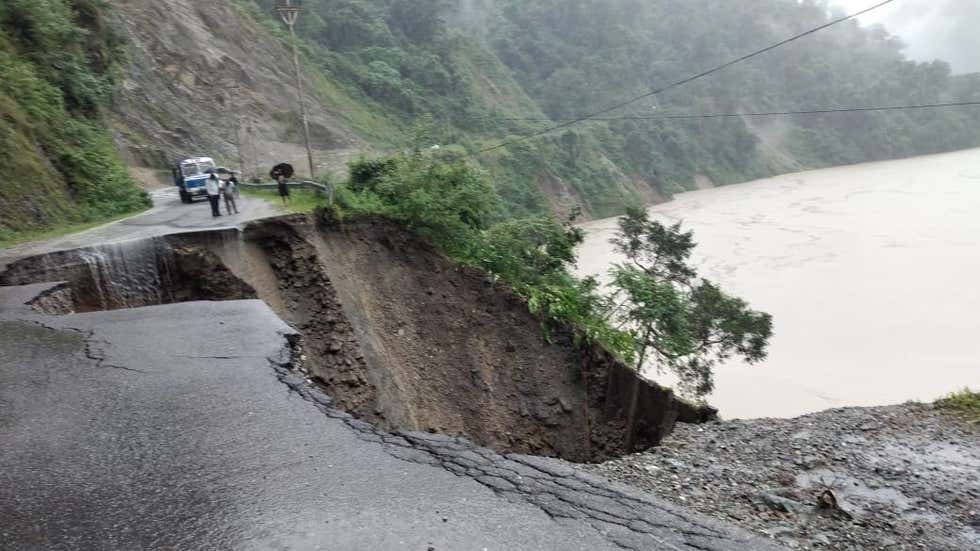
Though Kolkata’s infrastructure is mostly unfazed by the recent quake, experts take caution about the possible risks involved in aged buildings and uncontrolled constructions. State governments have assured themselves that they will stand ready in the eventuality of their action with disaster response teams if needed and continue their assessment process of looking for potential underlying structural damage.
West Bengal Chief Minister spoke about the incident, advising people to be calm and obey safety protocols if aftershocks occur. “We closely monitor the situation, and our emergency teams are on standby. Public safety is our top priority,” she stated. Local authorities are also coordinating with the National Disaster Response Force to assess vulnerabilities and update emergency response protocols.
Historical Earthquakes in West Bengal:
Though less quake-prone than the Himalayas, West Bengal has seen significant seismic activity. Some of the considerable earthquakes are:
- The 1897 Assam Earthquake: This 8.1-magnitude quake affected parts of eastern India, including Bengal, causing widespread destruction.
- The 1934 Bihar-Nepal Earthquake: Magnitude of 8.0, this quake caused extensive damage in Bihar and parts of Bengal.
- The 1950 Assam Earthquake: Measuring 8.6 on the Richter scale, this was one of the strongest earthquakes in India and caused tremors in Bengal.
Seismic observations indicate that even though Kolkata does not lie directly on a fault line, the city may get major tremors as a result of seismic movement in the vicinity. This further highlights the importance of quake-resistant buildings and stringent safety measures.
Expert Opinions on Future Risks:
Though no devastating earthquake has ravaged Kolkata, the seismologists say a more powerful one can be detrimental. Due to its old architectural type, dense population, and spontaneous expansion, the city is vulnerable to significant devastation in the case of a larger earthquake.

“The recent shake-up is a wake-up call for that Kolkata cannot be shielded against seismicity,” stated well-known geologist Dr Arvind Mishra. Strict construction norms and stepped-up public disaster preparation must be prioritised first.
Conclusion:
The recent quake in the Bay of Bengal has put people’s minds at ease about being earthquake ready. The earthquake was a wake-up call that earthquakes occur at any time even though nothing significant was damaged. Politicians, governments, and individuals need to be vigilant and prioritise disaster preparedness to reduce future risk and loss of lives.