BeerBiceps Verdict: Supreme Court Balances Free Speech And Content Regulation In India
Ranveer Allahbadia Wins Free Speech Battle, But Content Creators Must Navigate Decency & Morality Standards

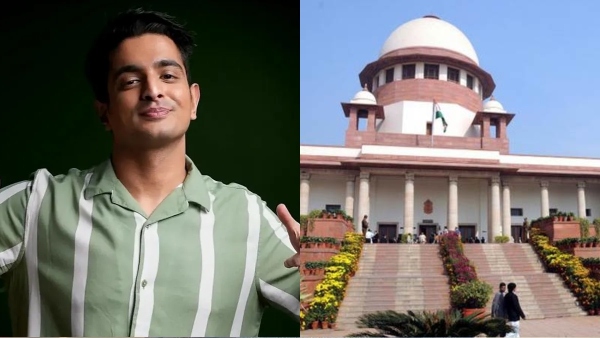
The Indian Supreme Court decided in the case of “BeerBiceps,” whose actual name is Ranveer Allahbadia.’ It has allowed him to continue his show on decency and morality standards. The decision has reignited controversy over content moderation, Freedom of speech, and the duties of digital content creators in India.
Background of the Case
Renowned podcaster and YouTuber Ranveer Allahbadia‘s programs were put on hold temporarily for alleged violation of content standards. His celebrity, commercial, and political interviews were analyzed for potential infringement of decency and morality standards demanded under Indian legislation. Issues were pointed out in the case of some interviews that were found offensive by certain authorities to the people and therefore measures and legal actions were taken.
Allahbadia and his attorneys took the issue to the Supreme Court when they objected to censoring his content. They objected to his program as an informative and educational forum whose content is open to public discussion and not for offending material.
Supreme Court’s Ruling
In its ruling, the Supreme Court ruled that while authors of content like Ranveer Allahbadia have the right to Freedom of speech and expression, they are also bound by certain ethics. The court restated that the tone of online content must respect the nation’s cultural and moral ethos but still allow for honest debate.
The court maintained, “Freedom of expression is a natural right, but one subject to reasonable limitation. Internet authors have to maintain a balance between imagination and responsibility.” The order allows Allahbadia to revive his show with specific directions so that content needs are fulfilled.
Implications of the Ruling
This ruling has infuriated the media and online content communities. Although Allahbadia’s supporters consider this a victory for India’s Freedom of speech, others see the ruling as banning excessive censorship while setting a precedent for other content-related matters.
On the other hand, critics argue that the ruling is still open to interpretation, subjective decency, and morality standards could give rise to future conflicts. Others think that these rulings would increase the inspection and control of websites with independent content.
Legal Context and Content Regulation in India
India has also seen several content providers, filmmakers, and social media influencers censored for decency and morality violations. The IT Rules 2021 also established digital content guidelines for digital platforms, such as offending content rules, misinformation rules, and public order rules.
The Supreme Court decision is in line with modern content policy but establishes case-by-case precedent. Content sites and hosting facilities need to be careful about future paradigm shifts in law so as not to be prohibited or subject to legal proceeding.
Public Reactions and Industry Views
- Supporters’ Perceptions: Most creators and influencers have welcomed the ruling. A few journalists, podcasters, and YouTubers have welcomed the court for reaching the side of Freedom of expression without neglecting responsible content. Convinced supporters believe that this ruling will make digital platforms liberally soften their rules about content.
- Critics’ Views: Social activists and lawyers feel that the ruling does not go far enough to define ‘decency and morality.’ They think vague interpretations can lead to further content removals or self-censorship by creators who do not wish to be sued.
Impact on Digital Content Creation in India
Ranveer Allahbadia’s case is not unusual. India has witnessed a range of controversies under which web programs, stand-up comedians, and web series have been sued for matters about morality and decency. Some of the most recent examples are:
- Tandav Controversy (2021): Amazon Prime web series Tandav invited controversy and legal reprimand for seeming religious insensitivity.
- Munawar Faruqui’s Arrest (2021): The comic was detained for allegedly offending religious sensitivities during a stand-up show.
- OTT Censorship Debates: Certain web series like ‘Paatal Lok’ and ‘Mirzapur’ have been requested to be censored due to their content and approach towards sensitive topics.
The Supreme Court’s decision in the case of Ranveer Allahbadia provides insight into bringing law to online content in India. Online content producers will need to re-strategize their content in terms of legal and ethical issues.
What This Means for Content Creators
For artists, the decision is a balance between responsibility and freedom of speech. Leading points are:
- Guidelines Knowledge: Content creators must understand digital media guidelines to avoid future legal problems.
- Self-Rule: Websites and influencers can implement in-house review procedures to ensure their content meets ethical and legal standards.
- Legal Preparedness: Legal advice or professional support can be helpful for content creators dealing with regulatory scrutiny.

The Future of Digital Media Regulation
With India’s digital content space evolving very quickly, future policies for content regulation can include better definitions and norms. All the stakeholders, including digital platforms, government officials, and legal experts, will have a bearing on the policy regulations.
In this case, the Supreme Court’s decision is a landmark in India’s online content regulation history. It is a defence mechanism for creators and initiates an age of culturally dignified and responsive content generation.
At Last: BeerBiceps & Show
Ranveer Allahbadia’s situation is a reflection of India’s fragile balance of content control. The Supreme Court ruling allowed him to produce his show but always bearing decency and morality provisions in place. Producers, regulators, and viewers have to balance between Freedom of creativity and moral responsibility with the embrace of media going digital.
The ruling in this matter will carry weight in forthcoming content regulation arguments in the Indian context, providing a precedent for treating similar instances in India’s rapidly evolving digital space. Whether it leads to an open or closed content world remains to be seen, but this much is sure—content moderation, censorship, and internet freedom debates are just starting.