Canada Election Crisis Deepens! India Slams Trudeau’s Govt For Misinformation And Khalistani Nexus!
India hits back at Canada’s claims of foreign election interference, calling them baseless. Meanwhile, tensions escalate as India accuses Canada of harboring separatist groups.

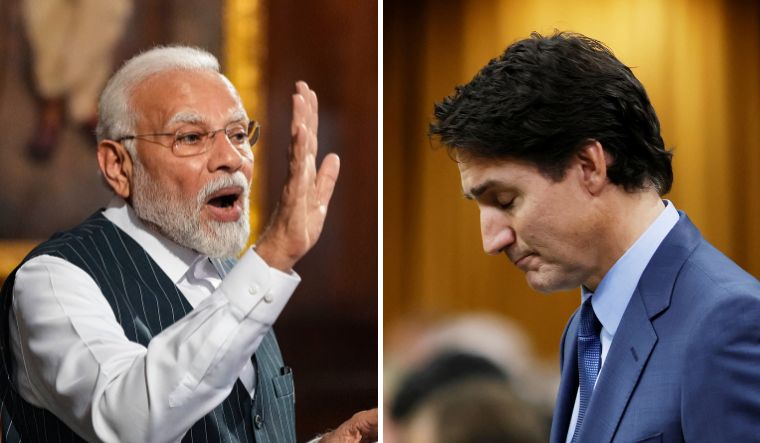
Recently, in a fresh diplomatic standoff, India dismissed a Canadian commission’s report allegations that claimed that foreign governments had interfered with Canada elections. According to the MEA, such “insinuations” cannot stand against accusations it has levied against Canada that it is continually interfering with India’s internal affairs. In the process, India-Canada relations remained further strained since ties between both countries had gone sour for a few months due to several political and security issues.
Background of the Canadian Commission Report
The Canadian Commission on Election Integrity released a report claiming that certain foreign entities had attempted to influence Canada’s elections. However, the report did not directly name India; parts of the document reference the alleged meddling of foreign governments. Canada has grown louder about potential threats to elections from international players, such as cyber security threats, propaganda, and political financing issues.
This report comes as the world has seen more pressure on democratic processes due to increased scrutiny of foreign influence. For several years, Western nations have raised alarms concerning election interference. The Canadian government has been investigating the possibility of foreign interference in the proto-protectant system in that country.
India’s Response: Strong Rejection of Allegations
India’s Ministry of External Affairs (MEA) outrightly dismissed the report, terming its contents “baseless and politically motivated”. In an interview, the spokesperson for the MEA said:
“Canada has been consistently interfering in India’s internal affairs. These baseless allegations aim to shift focus away from the real issues plaguing Canada.”
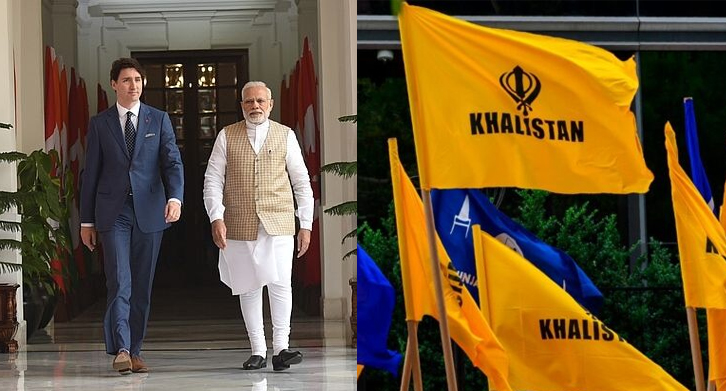
The MEA further said that this allegation by Canada comes at a time when India has drawn the attention of the world several times regarding the activities of various terrorist groups based in Canada. It alleged that the neighbouring country of India was giving sanctuary to organizations tied to anti-India separatist movements, including Khalistani factions that aim at undermining the sovereignty of India.
India’s Counter Accusations Against Canada
Counter-accusations accompanied India’s rejection of the Canadian report. Indian officials highlighted the following concerns:
- Support for Separatist Movements: India has long criticized Canada for allowing pro-Khalistan groups to operate openly. The Indian government has provided evidence that some of these groups are involved in activities that undermine India’s security and sovereignty.
- Illegal Migration and Organized Crime: The MEA believes the soft immigration policy of Canada created an environment facilitating illegal migration as well as criminal activities. Canada has repeatedly allowed Indian-origin networks to expand the scope of Indian-origin criminal groups.
- Failure to Address Security Concerns: Indian diplomats also raised security concerns over attacks against Hindu temples as well as other Indian-origin communities in Canada by urging the government of Canada to take decisive measures.
Escalating Tensions in India-Canada Relations
India-Canada relations have been on a downward trajectory for the past year due to multiple issues, including:
- The Killing of Hardeep Singh Nijjar: The killing of Khalistani leader Hardeep Singh Nijjar has caused a diplomatic fallout between Canada and India. Canada alleged Indian involvement in his murder, an accusation India completely denies.
- Visa Suspensions and Trade Disruptions: India suspended, temporarily, some of its services of visa procedures for Canadian Nationals. Services continue to be administered, but on high alert, tensions are ever-present between the two countries.
- Economic and Strategic Disagreements: India and Canada have also been on a collision course regarding trade negotiations and Indo-Pacific security strategies. This has displayed interest in raising cooperation with India’s regional rivals, making diplomacy increasingly complex.
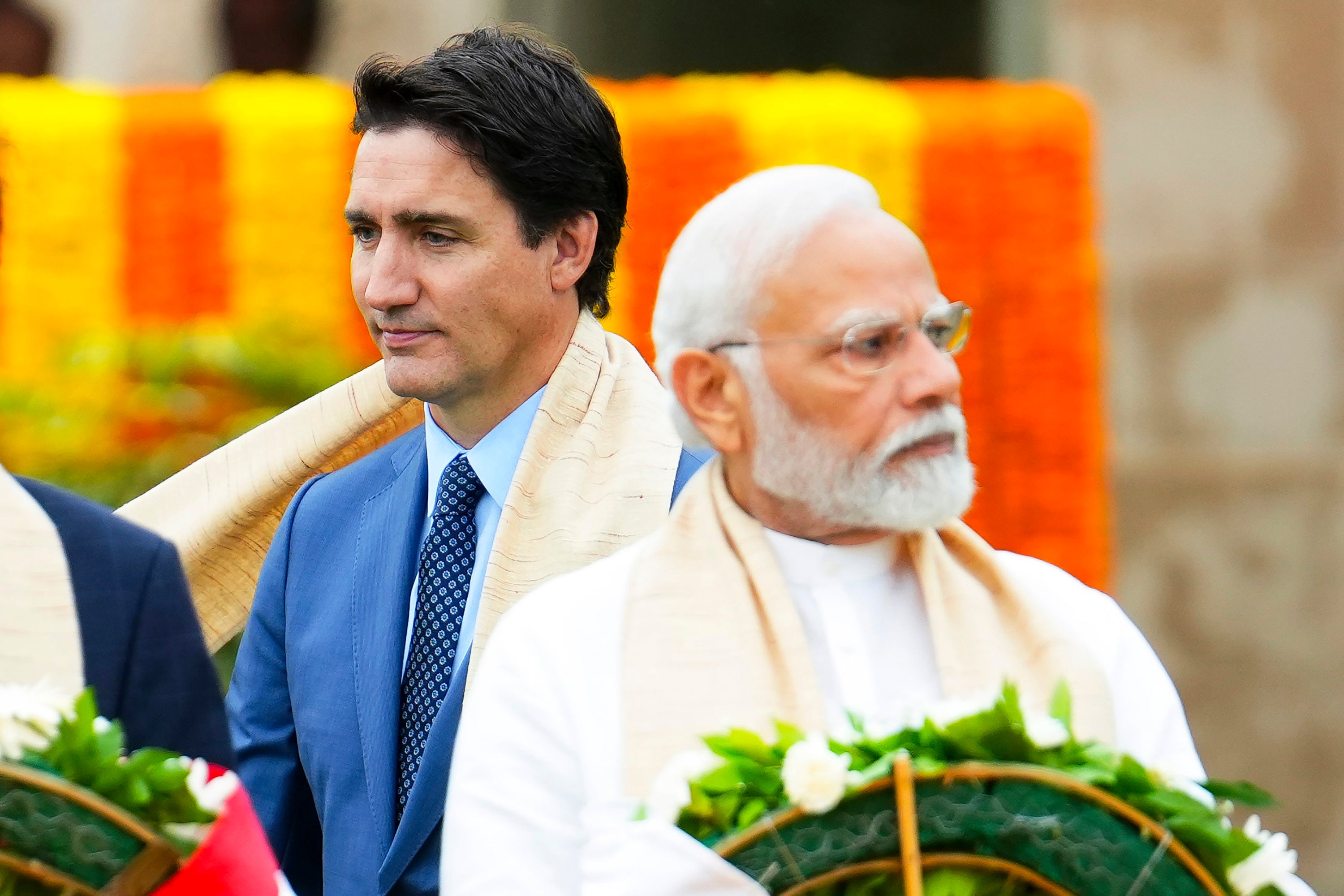
Historical Context: India-Canada Relations Over the Years
India and Canada tense relationship is an old development because it has, over time experienced several important episodes:
- 1985 Air India Bombing: At least 329 people were killed when an Air India flight was bombed in 1985 in one of the deadliest terrorist attacks involving Canada and India, which was about Khalistani extremists operating from Canada.
- Diplomatic Tensions Over Khalistan: India has repeatedly warned that Khalistanis are growing and may adversely affect bilateral ties between India and Canada.
- Trade Relations Fluctuations: India has several business ties with Canada since Canada invests enormously in technology, agriculture, and education. At times, political disagreements bring a barrier to full economic cooperation.
Implications of India’s Rejection
There might be serious diplomatic repercussions if India rejects the Canadian Commission’s recommendations outright:
- Further Strain on Bilateral Relations: The outright rejection could add to mistrust between the two nations, making trade, security, and diplomatic cooperation difficult in the future.
- Impact on the Indian Diaspora in Canada: Tensions will also affect the nearly 1.4 million people of Indian origin who reside in Canada, causing challenges for Indian expatriates in business, travel, and educational pursuits.
- Global Perception: This controversy might be used to brand India internationally, predominantly by Western nations. India will likely gather support from other countries to mitigate these allegations and strengthen its stand.
- Possible Economic Backlash: Canada and India have trade relationships worth billions annually. Tensions running for so long could lead to economic slumps in key sectors, such as IT, education, and energy cooperation.
- Security implications: Will dilute diplomatic relations and cooperation between the two countries on intelligence and security issues. It will be difficult to counter international terrorism as well as organized crime.
Reactions from the International Community
Several world powers have watched the developments with interest:
- United States: The U.S. remains neutral but has called on both nations to talk and de-escalate.
- United Kingdom: The UK, home to a large Indian and Sikh diaspora, has also urged restraint and diplomatic resolution.
- Other Allies: India and Canada are important trading and strategic partners; therefore, other EU and Indo-Pacific nations keep a careful eye on the situation.
Conclusion: A Path Forward for Canada Elections?
The diplomatic discord between India and Canada is a growing concern that needs careful management. Both countries have strong economic and cultural ties that political discourses should not compromise. It is too early to say whether Canada will redefine its stance on India’s security concerns or if India will agree to more excellent diplomatic communication on this front.
To move forward, both nations must:
- Engage in Diplomatic Talks: Governments should engage in bilateral talks to determine grievances and solutions.
- Strengthen Bilateral Agreements: Strengthening trade and security agreements can give India and Canada mutual gains without political wrangling.
- Address Key Concerns: Canada should take India’s security concerns seriously, while India should be open to discussions on democratic integrity and fair governance.
Global leaders may call India and Canada to engage in constructive dialogue over mutual concerns to stabilize their relationship as tensions escalate.