
The corporate banking landscape has undergone a remarkable transformation in recent years, with digital platforms becoming the central nervous system of modern business finance. As we navigate through 2026, corporate banking apps have evolved far beyond simple transaction tools into sophisticated financial command centers that integrate treasury management, cash flow optimization, payment automation, and real-time analytics. This comprehensive guide examines the ten leading corporate banking applications that are reshaping how businesses manage their financial operations.
The Evolution of Corporate Banking Technology
Corporate banking has experienced a fundamental shift from branch-based operations to cloud-native, mobile-first platforms. According to recent industry data, the global core banking software market reached approximately $12.4 billion in 2025 and is projected to reach $21.6 billion by 2030, expanding at a compound annual growth rate of about 10%. The broader digital banking platform market is expected to surge to around $107 billion by 2030, reflecting a rapid annual growth rate of nearly 20%.
This explosive growth is driven by corporate treasurers and CFOs demanding instant access to financial data, seamless integration with existing business systems, and the ability to manage complex, multi-entity operations from anywhere in the world. The most successful corporate banking apps in 2026 share several key characteristics including robust security frameworks, intuitive user experiences, comprehensive API ecosystems, and intelligent automation powered by artificial intelligence and machine learning.
1. JPMorgan Chase Connect
Chase Connect stands as one of the most comprehensive corporate banking platforms available in 2026, serving as the digital backbone for thousands of middle market and enterprise clients. The platform enables businesses to manage multiple accounts and control cash flow from a unified dashboard accessible anywhere, anytime.
Chase Connect provides businesses with complete visibility into up to 24 months of transaction history, allowing financial teams to analyze patterns and make data-driven decisions. The platform’s payment capabilities are particularly robust, enabling users to receive digital invoices and send payments to vendors and employees through multiple channels. Companies can also send digital invoices and quickly process incoming payments, streamlining their accounts receivable processes.
The reporting functionality within Chase Connect allows businesses to create custom reports that refresh automatically, eliminating manual data gathering and reducing the risk of errors. Security features include comprehensive fraud protection with check protection services and check monitoring, while ACH capabilities help businesses manage automated clearing house transactions efficiently.
Chase Connect integrates seamlessly with the Chase Mobile app, allowing business leaders to access their accounts, schedule and approve payments, add and entitle users, and perform critical banking functions on the go. The platform’s ability to integrate with accounting software programs enables businesses to download data directly, saving time and allowing finance teams to focus on strategic initiatives rather than administrative tasks.
For businesses operating internationally, Chase Connect supports payments in nearly 70 currencies, making it an ideal solution for companies with global operations. The platform’s user management features allow businesses to establish individual account access levels with customized permissions, ensuring proper controls while maintaining operational efficiency.
2. Bank of America CashPro
Bank of America’s CashPro App represents a significant advancement in corporate banking technology, particularly with its recent introduction of Capital Markets Insights for US-based clients. This feature provides a centralized mobile view of market and investment-grade issuance data, simplifying debt issuance decisions for CFOs and treasurers.
The CashPro platform integrates complex, high-value data directly into the widely used application, making Bank of America an indispensable part of corporate treasurers’ daily workflows. Information that was formerly scattered across multiple sources such as emails, phone calls, or third-party channels is now aggregated in a single mobile application, elevating the user experience and reducing friction in decision-making processes.
Bank of America has invested heavily in creating a unified digital experience across its various banking products. The bank consolidated five separate apps into one platform, enabling 57 million digital clients to view and manage their full financial lives through a single, personalized experience. This massive update reimagined how clients interact with their finances, combining banking, investing, and retirement management within one simplified mobile experience.
The CashPro App offers a comprehensive payments and transfer hub, providing one location for clients to pay bills, transfer money between accounts, and receive domestic and international wire transfers. Starting in 2024, clients gained the ability to send domestic and international wire transfers in more than 140 currencies to 200 countries, all from the mobile app, available in English and Spanish.
The platform includes Bank of America’s suite of digital solutions, with tools tailored to each client’s financial needs. The app’s user-friendly design has been recognized with industry awards, including the 2024 Celent Model Bank award for Customer-Centered Innovation, reflecting the company’s commitment to continuously evolving its digital capabilities.
3. Citibank CitiDirect
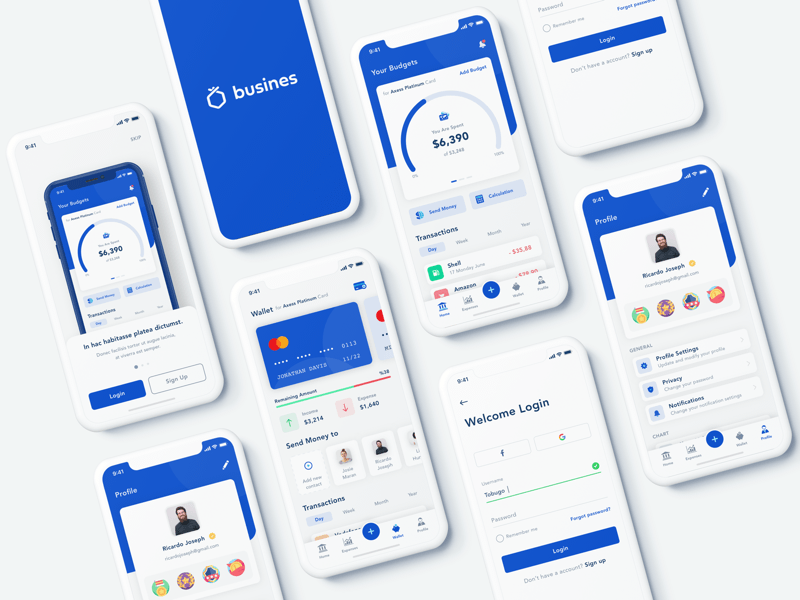
Citibank’s Treasury and Trade Solutions division serves as an integral part of the bank’s Institutional Clients Group, providing services to public sector clients, corporations, and financial institutions in over 120 countries. The CitiDirect platform has been completely reengineered from the ground up to meet the evolving needs of modern corporate treasuries.
CitiDirect is being transformed into a microservices-based framework that enables different parts of the bank’s technology stack to be combined and organized in ways that adapt to specific client needs. This contemporary approach opens up new possibilities for collaboration, allowing companies and their treasuries to smoothly integrate various systems and applications with their bank in ways that align with their specific transactional or informational needs.
The platform’s architecture facilitates easy integration with fintech companies that specialize in vertical solutions, strengthening the bank’s ability to roll out true end-to-end solutions faster. This microservices approach gives Citibank the ability to respond quickly to changes in client and marketplace demands, whether that involves connecting directly to an app-based company for payment processing or implementing other custom integration requirements.
Citi’s treasury management services enable account access and global transactions 24 hours a day via phone, the CitiBusiness online mobile app, and the website. The platform offers real-time and historical reporting, with the ability to customize and schedule reports and receive daily transmissions in standardized formats supported by many global institutions and platforms via SWIFT, BAI2, and EDI.
The platform’s working capital solutions encompass receivables management, payments processing, corporate cards, liquidity and investments, and channel services. Citi processes approximately $4 trillion in flows daily and maintains one of the largest global financial infrastructures with 400 connections to cash and securities clearing systems, making it a trusted partner for 90% of Global Fortune 500 companies.
4. Brex
Brex has emerged as a transformative force in corporate banking by integrating treasury management, spend controls, and automation into a unified digital platform. Through its partnership with Column NA (Member FDIC), Brex provides checking accounts, treasury accounts, and vault accounts in a single interface, allowing businesses to view and manage their entire financial operations from one platform.
The platform offers competitive yields without traditional banking constraints, with businesses able to access funds with 100% liquidity and no minimum balance requirements while earning returns on deposits. This approach reflects modern corporate banking principles that integrate traditional financial services with current technology to improve business cash flow.
Brex’s integrated spend management solution addresses a common pain point in corporate finance by unifying traditionally fragmented tools. Finance departments can manage corporate cards, track expenses, and handle treasury operations through a single dashboard, eliminating the need to navigate multiple systems. The automated expense categorization and tracking features streamline workflow for finance teams, reducing time spent on manual administrative tasks.
The platform provides extensive global payment and banking capabilities across multiple currencies, facilitating wire transfers in over 40 currencies and supporting local currency card issuance while maintaining centralized control over foreign exchange operations. Artificial intelligence serves as the foundation for Brex’s financial workflows, powering automated features for modern corporate finance including spend controls, approval flows, accounting, and accounts payable operations.
Brex offers three service tiers to accommodate different business needs. The Essentials plan is available at no cost, providing businesses with core financial tools including a Brex business account with no monthly service or wire transfer fees. The platform’s travel and expense management solution combines intuitive usability with corporate oversight capabilities, integrating travel booking and expense management into a single experience while maintaining compliance requirements.
5. Mercury
Mercury offers digital-first banking specifically tailored for e-commerce startups and growing tech businesses. The platform combines intuitive design with practical tools including checking and savings accounts, ACH transfers, domestic and international wires, and easy integrations with accounting and payroll software.
The platform’s design philosophy prioritizes simplicity and efficiency, making it particularly attractive to technology companies and startups that value streamlined operations. Mercury’s focus on the tech sector has allowed it to develop features and integrations that specifically address the needs of high-growth companies, including venture-backed startups and digital-native businesses.
Mercury provides businesses with the financial infrastructure they need to operate efficiently in a digital-first economy. The platform’s integration capabilities allow companies to connect their banking operations with other essential business tools, creating a seamless financial ecosystem that reduces manual work and improves accuracy.
6. Bluevine
Bluevine has established itself as a comprehensive business banking platform that combines checking and savings accounts with corporate cards, expense management tools, and bill pay automation. The platform provides multi-entity cash visibility and up to approximately $75 million of FDIC-insured coverage via partner banks, making it particularly suitable for teams focused on scaling their operations.
Business checking built specifically for small and medium-sized businesses allows users to manage checking, bill pay, and cash flow from one platform with no monthly fees on the Standard plan and unlimited transactions. The platform’s sub-account feature enables businesses to create up to 20 sub-accounts to separate funds for taxes, payroll, or projects, providing greater clarity into where company money is allocated.
FDIC insurance through Coastal Community Bank (Member FDIC) and a sweep network of program banks extends coverage up to $3 million, offering 12 times the standard coverage of $250,000. Premier plan customers can access higher yields in a treasury account with no minimum balance, while Standard and Plus customers with at least a $50,000 balance are also eligible for enhanced yield options.
From one dashboard, businesses can pay vendors by ACH, wire, or check, send invoices and accept payments online or in person, and manage accounts payable. The Bluevine Business Debit Mastercard supports everyday spending for business owners and their teams. Additionally, Bluevine offers a revolving line of credit up to $250,000, allowing business owners to draw, repay, and draw again without submitting a new application, with instant access when linked to a Bluevine checking account.
7. Slash
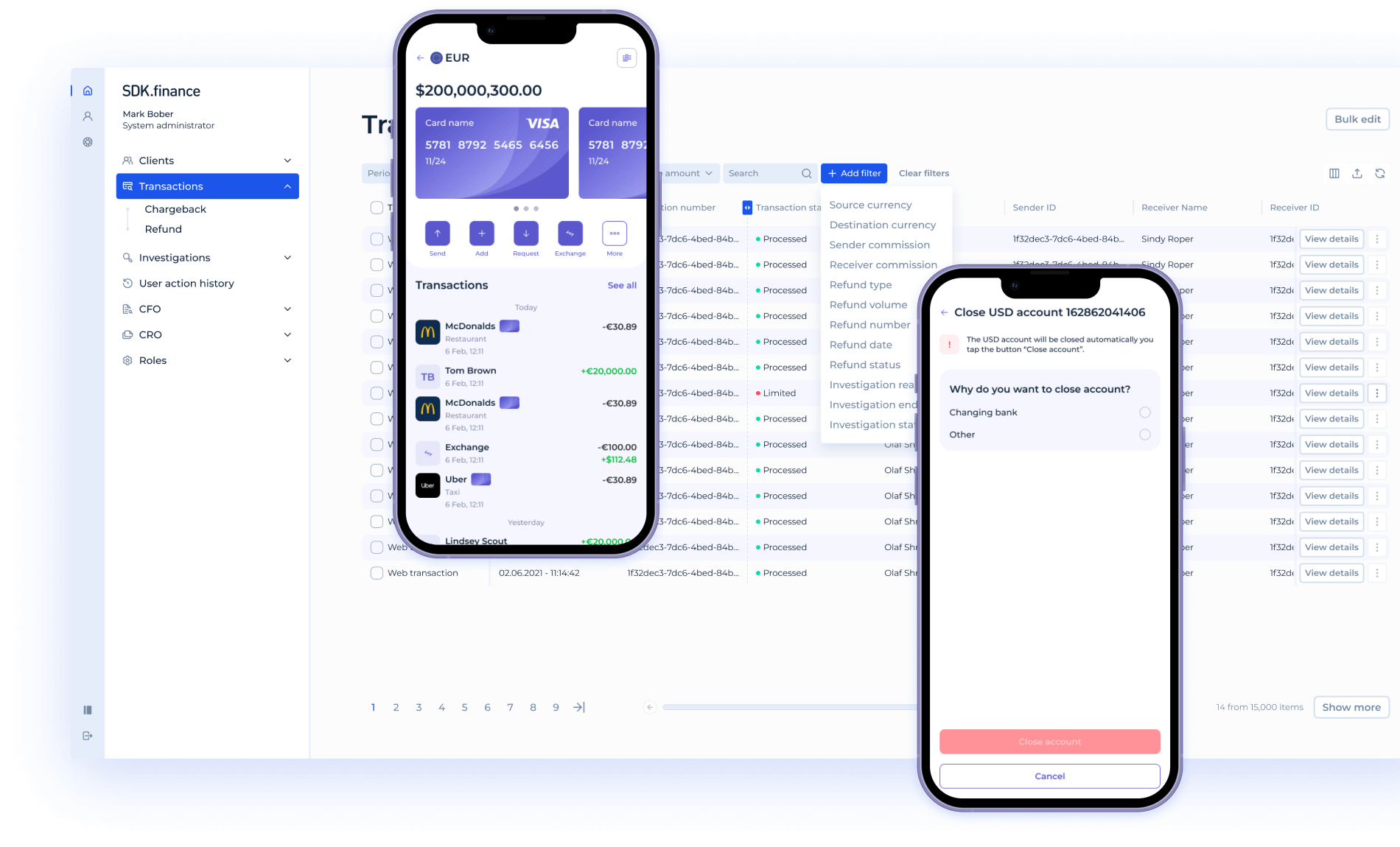
Slash has distinguished itself by taking a vertical approach to corporate banking, blending day-to-day banking services with software solutions that streamline expense analytics, accounting, and multi-entity support. The platform represents leadership in digital banking for teams seeking speed, reliability, and scalability in their financial tools.
Slash’s corporate cards offer up to 2% cash back on eligible spend, integrated into their online banking platform with extensive spend tracking, analytics, and controls. The platform’s expense management and multi-entity support capabilities provide consolidated views of financial ledgers through digital interfaces, dashboards, and mobile apps, allowing businesses to manage various transactions, bank accounts, and corporate cards in one place rather than scrambling through multiple systems.
The platform offers seamless integration with business software through APIs that connect with third-party applications including QuickBooks and other accounting tools, crypto wallets, payment platforms, and more. This integration ecosystem allows businesses to create a customized financial technology stack that meets their specific operational needs.
Slash tailors its features for niche industries, differentiating itself through industry-specific products and services, workflows, and accessibility to everyday financial transactions such as loans, lending, and vendor payments. This specialization allows the platform to provide deeper value for businesses operating in specific sectors compared to one-size-fits-all banking solutions.
8. Grasshopper Bank
Grasshopper Bank provides digital business banking with an innovative platform and experienced team dedicated to corporate and end-client banking needs. The bank offers comprehensive financing solutions including SBA lending for businesses looking to buy a company, revamp facilities, buy out a partner, or refinance debt.
The platform specializes in serving venture capital and private equity firms, providing financing solutions to support all stages of funds’ lifecycles and the unique needs of these financial institutions. Grasshopper also offers flexible commercial real estate financing options to help with investing needs, making it a versatile partner for businesses with diverse financing requirements.
From any device, users can make and schedule payments via check or ACH, send personalized invoices directly to customers’ inboxes, and receive payments faster. The platform enables report generation, transaction reconciliation with Autobooks accounting, or seamless integration with QuickBooks or preferred accounting software. Users can stay updated on incoming, coming due, and past due customer payments while managing users, setting permissions, creating approval workflows, and establishing security measures.
9. Finastra
Finastra provides comprehensive software solutions for financial institutions, serving as a major player in the global banking software market. The company develops diverse products, solutions, and services catered toward retail banks, corporate banks, Islamic banks, credit unions, insurance companies, and non-financial institutions.
Finastra’s platform emphasizes enhancing customer experience, speeding up process time, and improving business results through a blend of digital solutions, robotic process automation, artificial intelligence, advanced machine learning, and Internet of Things technology. The company offers solutions that leverage disruptive next-generation technologies, providing competitive advantages to businesses.
The platform’s focus on innovation and comprehensive coverage of banking needs makes it particularly valuable for large financial institutions seeking to modernize their technology infrastructure while maintaining robust operational capabilities across multiple service lines and customer segments.
10. nCino
nCino partners with more than 1,800 financial services providers globally through its single software-as-a-service platform. The company helps financial institutions serving corporate clients streamline their operations and improve efficiency through cloud-based solutions designed specifically for banking workflows.
The platform’s focus on providing a unified SaaS solution allows financial institutions to consolidate their technology stack and reduce the complexity of managing multiple disparate systems. This approach improves operational efficiency, reduces costs, and enables faster deployment of new features and capabilities.
nCino’s widespread adoption among financial services providers reflects the industry’s recognition of the value that purpose-built, cloud-native solutions can deliver for corporate banking operations. The platform’s ability to scale with growing institutions while maintaining security and compliance standards makes it a strategic choice for banks seeking to modernize their corporate banking capabilities.
Key Trends Shaping Corporate Banking Apps in 2026
Several major trends are defining the corporate banking app landscape in 2026. Mobile-first design has become the default, with apps optimized for phones, tablets, and desktops with touch gestures, swipeable cards, and adaptive layouts. Designers focus on thumb-friendly areas, minimal taps, and adaptable grids to ensure seamless experiences across all contexts.
Onboarding processes have been revolutionized, with long forms and password setup hurdles replaced by conversational, assisted, and fast experiences. Modern onboarding guides users through setup while minimizing friction, recognizing that first impressions significantly impact long-term platform adoption and satisfaction.
Accessibility has evolved from an afterthought to a core component of user experience design. Top apps invest in voice control, high contrast modes, larger tap zones, and screen reader support. Voice-enabled banking assists users who prefer or require hands-free interaction, with commands as simple as saying “transfer 50 dollars to Sarah” becoming standard functionality.
Integration capabilities have expanded dramatically, with banking apps now connecting seamlessly with accounting platforms, tax tools, wallets, payroll systems, and more. APIs connect personal and corporate finance to the larger ecosystem of work and life, making banking apps feel like system centers rather than isolated tools. User experience design facilitates deep integrations without clouding core functionality.
Artificial intelligence and machine learning power increasingly sophisticated features including automated expense categorization, fraud detection, predictive cash flow analytics, and intelligent spending recommendations. These technologies work behind the scenes to reduce manual work while providing actionable insights that help businesses optimize their financial operations.
Selecting the Right Corporate Banking App
Choosing the appropriate corporate banking app requires careful consideration of multiple factors. Business size and complexity play a crucial role, with different platforms optimized for startups, small businesses, middle market companies, or large enterprises. The specific features required vary significantly based on operational scale and organizational structure.
Industry-specific needs often influence platform selection, as some apps provide specialized features for particular sectors such as law firms, real estate companies, venture capital funds, or technology startups. Businesses benefit from choosing platforms that understand their industry’s unique requirements and compliance obligations.
Integration requirements determine how well a banking app will fit into existing technology ecosystems. Companies should evaluate which accounting software, payroll systems, expense management tools, and other business applications they use, then select a banking platform with robust API connections to those systems.
Global operations necessitate platforms with strong international capabilities including multi-currency support, foreign exchange services, international wire transfers, and local payment methods in key markets. Businesses with significant cross-border activity should prioritize platforms with proven expertise in international banking.
Security and compliance cannot be compromised, making it essential to evaluate each platform’s security architecture, fraud protection capabilities, regulatory compliance features, and track record. Financial institutions with strong security practices, insurance coverage, and transparent security protocols provide peace of mind for businesses entrusting them with critical financial operations.
The Future of Corporate Banking Technology
Looking ahead, corporate banking apps will continue evolving toward greater intelligence, automation, and personalization. Platforms increasingly serve as financial advisors rather than mere transaction processors, using data analytics and artificial intelligence to provide proactive recommendations and insights.
The boundaries between banking, accounting, treasury management, and financial planning continue to blur as platforms expand their capabilities and deepen integrations. This convergence creates opportunities for businesses to consolidate their financial technology stack while gaining better visibility and control across all aspects of their finances.
Blockchain technology and digital currencies are beginning to influence corporate banking platforms, with some institutions exploring integration of cryptocurrency services, blockchain-based payment rails, and distributed ledger technology for various financial operations. While still emerging, these technologies represent potential future capabilities that forward-thinking businesses should monitor.
Embedded finance continues gaining traction, with banking services increasingly integrated directly into business workflow tools, e-commerce platforms, and vertical software solutions. This trend allows businesses to access financial services within the context of their daily operations rather than switching between separate applications.
Conclusion
The corporate banking app landscape in 2026 offers unprecedented choice and capability for businesses of all sizes. From established financial institutions like JPMorgan Chase, Bank of America, and Citibank leveraging their global infrastructure and comprehensive service offerings, to innovative fintech companies like Brex, Mercury, and Bluevine reimagining corporate finance with modern technology, businesses can select platforms aligned with their specific needs and growth trajectories.
Success in today’s business environment requires financial infrastructure that provides real-time visibility, seamless automation, robust security, and intelligent insights. The ten corporate banking apps highlighted in this guide represent the current state of the art in digital business banking, each bringing unique strengths and capabilities to the market.
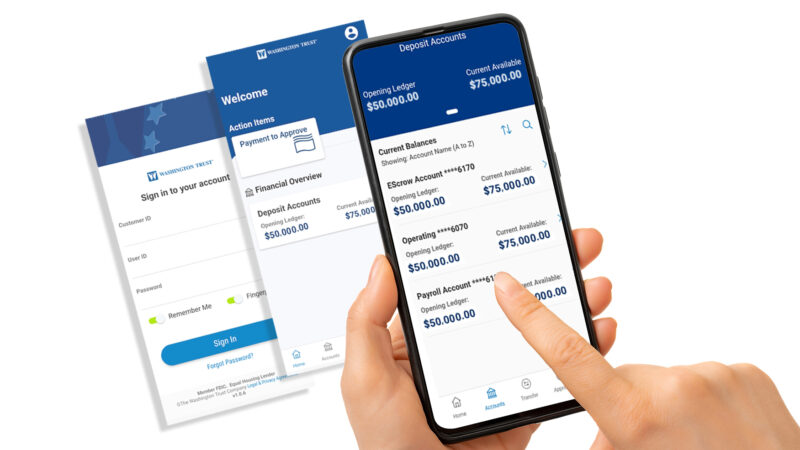
As technology continues advancing and business needs evolve, corporate banking apps will remain essential tools for financial management, strategic planning, and operational excellence. Companies that invest time in selecting the right platform and fully leveraging its capabilities position themselves for greater efficiency, better financial decision-making, and sustainable competitive advantage in an increasingly digital business landscape.