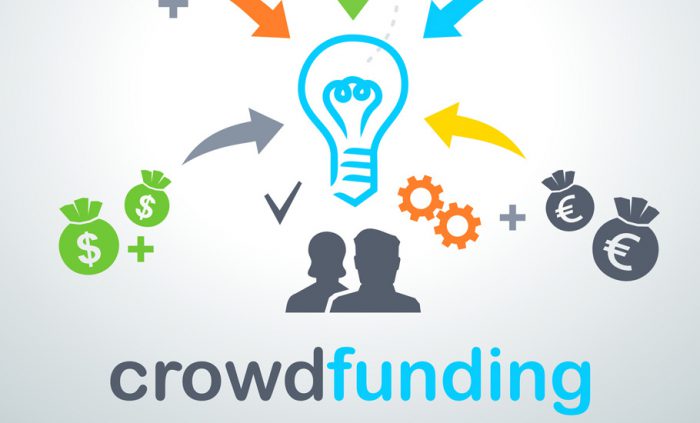
The landscape of fundraising in India has undergone a remarkable transformation over the past decade, with crowdfunding emerging as a democratized alternative to traditional financing methods. What began as a novel concept has now matured into a thriving ecosystem that enables individuals, nonprofits, startups, and creative professionals to raise capital directly from the public. The Indian crowdfunding market has experienced explosive growth, with leading platforms collectively facilitating billions of rupees in fundraising across medical emergencies, social causes, creative projects, and business ventures.
Crowdfunding represents a fundamental shift in how Indians approach both giving and receiving financial support. Unlike traditional bank loans that require extensive documentation and collateral, or venture capital that demands significant equity stakes, crowdfunding allows campaigners to present their needs or ideas directly to potential supporters through compelling stories and transparent documentation. This direct connection between those seeking funds and those willing to contribute has created an environment where a medical emergency can receive life-saving support within hours, a creative film project can find its audience before production begins, and a promising startup can validate its business model while raising initial capital.
The regulatory environment for crowdfunding in India has evolved significantly as well. The Securities and Exchange Board of India now oversees equity crowdfunding platforms, establishing clear guidelines to protect both investors and fundraisers. Meanwhile, donation-based crowdfunding operates in a more flexible regulatory space, allowing platforms to innovate rapidly in response to emerging social needs. This dual regulatory approach has fostered different types of platforms, each serving distinct purposes and audiences within the broader crowdfunding ecosystem.
As India’s digital payment infrastructure has matured and internet penetration has reached previously underserved communities, crowdfunding platforms have scaled their operations dramatically. The convergence of smartphone adoption, digital payment systems like UPI, and increased social media engagement has created ideal conditions for crowdfunding to flourish. Campaigns that might have struggled to reach beyond immediate social circles can now achieve viral distribution, attracting support from across the country and even internationally.
1. Ketto: Leading India’s Medical Crowdfunding Revolution
Ketto has established itself as one of India’s most recognized crowdfunding platforms since its founding in October 2012. The Mumbai-based platform has facilitated fundraising for more than three hundred and twenty thousand campaigns, collectively raising over two thousand crore rupees. What distinguishes Ketto in the crowded marketplace is its dominant position in medical crowdfunding, where urgent financial needs meet the platform’s ability to quickly verify cases and mobilize community support.
The platform’s evolution reflects broader trends in Indian crowdfunding. While Ketto initially served startups and nonprofits, it pivoted toward medical emergencies as founders recognized the acute need for healthcare financing in a country where medical insurance coverage remains limited and catastrophic illnesses can bankrupt families. This strategic focus has paid dividends, as medical campaigns now constitute the overwhelming majority of successful fundraisers on the platform.
Ketto operates on a transparent fee structure, charging a five percent success fee on funds raised. This business model aligns platform incentives with campaign success, as Ketto earns revenue only when fundraisers meet their goals. The platform has invested heavily in features that improve campaign performance, including dedicated sections for urgent cases requiring immediate funding and campaigns that offer tax benefits to donors contributing to registered charitable organizations.
The platform’s technology infrastructure supports rapid campaign creation and verification, with fundraisers able to launch campaigns within minutes. Ketto has partnered with hospitals, medical institutions, and healthcare networks to streamline the verification process for medical cases, building trust with donors who want assurance their contributions support legitimate needs. The platform reports processing over three hundred crore rupees annually, with individual campaigns ranging from small personal causes to large-scale disaster relief efforts.
Ketto’s success has established it as a household name in India, with the platform actively involved in major relief efforts during natural disasters and health crises. The company’s ability to mobilize resources quickly, combined with its extensive donor base, has made it an essential part of India’s social safety net for those facing medical and personal emergencies.
2. Milaap: Building Trust Through Transparency
Founded in 2010, Milaap has grown into one of India’s largest crowdfunding platforms, having facilitated over fourteen hundred crore rupees in donations across more than one hundred thousand causes. The Bengaluru-based platform has distinguished itself through an unwavering commitment to transparency and a unique feature called Impact Partners, which are individuals and organizations vetted by Milaap to help campaign creators effectively deploy raised funds.
Milaap’s approach to crowdfunding emphasizes making the fundraising process accessible to anyone with a smartphone. The platform has deliberately simplified campaign creation to require less than five minutes and minimal technical knowledge, recognizing that many users approaching crowdfunding face urgent situations and limited digital literacy. This accessibility has enabled Milaap to serve communities across India, from metropolitan areas to rural regions where internet access has only recently become available.
The platform advertises a zero percent platform fee model, instead relying on voluntary contributions from donors to sustain operations. This approach removes a significant barrier for campaigners worried about fees reducing already scarce resources. Payment processing fees still apply based on the payment method selected, but the absence of mandatory platform fees has made Milaap particularly attractive for medical emergencies and education-related campaigns.
Medical emergencies form the largest category of campaigns on Milaap, with the platform becoming a go-to resource for funding cancer treatments, organ transplants, and critical surgeries. However, Milaap has maintained broader scope than pure medical platforms, supporting education initiatives, rural development projects, disaster relief, and community causes. This diversity reflects the platform’s mission to democratize access to financial support across multiple need categories.
Milaap has integrated artificial intelligence-driven chatbot technology to help campaigners develop compelling fundraising appeals. This technical innovation addresses a common challenge where well-intentioned campaigns fail to gain traction because they cannot effectively communicate their story or urgency. By providing real-time guidance during campaign creation, Milaap helps users craft narratives that resonate with potential donors.
The platform’s robust verification processes and commitment to transparency have built significant trust with its donor community. Milaap provides detailed updates on fund utilization and maintains communication channels between campaigners and supporters, fostering relationships that often extend beyond initial contributions as donors follow the progress of causes they have supported.
3. ImpactGuru: Innovating Healthcare Financing
ImpactGuru represents one of India’s fastest-growing crowdfunding platforms, having raised over fifteen hundred crore rupees since inception. The platform has positioned itself squarely at the intersection of healthcare financing and technology innovation, recognizing that India faces a massive gap between healthcare needs and affordable financing options. For millions of Indian families, a single critical illness can deplete savings and create debt that persists for generations, making platforms like ImpactGuru essential components of the healthcare ecosystem.
The Mumbai-based platform operates with a similar zero percent platform fee model supported by donor tips, though specific fees may apply for advanced services or managed campaigns depending on selected features. This flexible approach allows ImpactGuru to serve everyone from individuals launching urgent medical campaigns to nonprofits running sustained fundraising efforts requiring professional campaign management support.
ImpactGuru’s technology infrastructure sets it apart from competitors. The platform developed an artificial intelligence-supported story builder specifically for medical fundraisers, providing templates that help campaigners create standardized yet personalized campaign stories. This innovation addresses a critical challenge in medical crowdfunding where compelling storytelling can mean the difference between a campaign that reaches its goal and one that languishes unfunded.
The platform has achieved recognition beyond the crowdfunding industry, with awards including Best Social Impact Startup from News Corp and selection among the top five early-stage startups in India by TiE. ImpactGuru was also ranked among the top twenty-one startups globally to watch in its field, reflecting both its innovative approach and significant growth trajectory.
ImpactGuru’s investor roster includes major healthcare and technology companies such as RB Investments, Apollo Hospitals, and Currae Healthtech Fund, who collectively invested two and a half million dollars to support platform expansion. This backing from established healthcare providers signals confidence in ImpactGuru’s model and provides strategic partnerships that enhance the platform’s ability to serve medical fundraising needs.
The platform enables fund transfers from over one hundred countries, making it accessible to the global Indian diaspora who often seek ways to support family members or causes in India. ImpactGuru assigns dedicated relationship managers to assist with marketing and campaign management, providing hands-on support that can significantly improve campaign outcomes, particularly for complex medical cases requiring sustained fundraising efforts.
Beyond individual medical cases, ImpactGuru serves nonprofits, social enterprises, and startups seeking to fund initiatives with long-term social impact. This broader scope positions the platform as a comprehensive solution for various types of cause-based fundraising while maintaining its core strength in healthcare financing.
4. Wishberry: Empowering Creative India
Wishberry occupies a unique position in India’s crowdfunding landscape as the country’s premier reward-based platform focused on creative and innovative projects. Founded in 2009 by Priyanka Agarwal and Anshulika Dubey, Wishberry was inspired by Kickstarter and adapted that model for the Indian market. The platform has successfully funded over six hundred campaigns, raising more than sixteen crore rupees from a global community of funders who support creative ventures across arts, design, film, music, theatre, publishing, technology, games, and applications.
What distinguishes Wishberry is its heavy emphasis on curation, coaching, and feedback. Unlike platforms where anyone can launch a campaign with minimal oversight, Wishberry actively curates submitted projects, working with creators to refine their presentations and marketing strategies before campaigns go live. This hands-on approach has yielded impressive results, with Wishberry achieving a sixty-seven percent funding success rate, significantly higher than international competitors operating in similar spaces.
The platform operates on a reward-based model where backers receive exclusive rewards from project creators rather than financial returns. These rewards might include early copies of films or music albums, limited edition merchandise, recognition in project credits, or unique experiences related to the creative work. This approach creates a community of supporters who fund projects not for charity or profit but because they want to participate in bringing innovative ideas to life.
Wishberry has received funding from prominent investors including three-one-four Capital and Reliance Big Entertainment, raising three point three two million dollars across six funding rounds. The platform’s last funding round occurred in July 2018 when it secured one point four million dollars in Series A funding, which enabled expansion into crowdfunded film financing for low-budget cinema.
The platform has garnered recognition from major media outlets and industry figures, with coverage from Forbes, MTV, and Universal Music, alongside endorsements from entertainment industry veterans like Vishal Dadlani and Gul Panag. This credibility within creative communities has helped Wishberry attract high-quality projects and build trust among potential backers who want assurance their contributions support viable creative ventures.
Wishberry charges an upfront fee of two thousand five hundred rupees plus a ten percent commission on successfully funded campaigns, along with payment processing charges. While this fee structure represents higher costs than some donation-based platforms, the extensive support services Wishberry provides, including marketing consultation, campaign management, and public relations assistance, justify the premium for creators who need professional guidance.
The platform’s focus on creative projects fills a crucial gap in India’s cultural ecosystem, where traditional funding sources for arts and innovation remain limited. Banks rarely finance creative ventures due to their uncertain returns, while government grants involve complex application processes and limited availability. Wishberry democratizes access to funding for creative professionals who might otherwise lack resources to bring their visions to reality.
5. FuelADream: Flexible Funding for Social Innovation
FuelADream has carved out its niche as a crowdfunding platform that combines social causes, creative projects, and innovative funding models. Based in Bengaluru, the platform offers two distinct funding approaches that provide flexibility for different types of campaigns. The Keep All model allows campaigners to retain whatever funds they raise even if they don’t reach their full goal, while the Keep What You Get model follows the traditional all-or-nothing approach where funds are released only if the target amount is achieved.
This dual model addresses different risk profiles and campaign types. Medical emergencies or ongoing social programs often benefit from the Keep All approach, where even partial funding can make meaningful impact. Creative projects or product launches might prefer the all-or-nothing model, where creators need full funding to deliver on promised rewards or complete production. By offering both options, FuelADream accommodates diverse fundraising needs within a single platform.
The platform provides comprehensive support beyond just hosting campaigns, taking responsibility for marketing and public relations efforts on behalf of campaigners. This managed approach particularly benefits nonprofits and individual campaigners who lack marketing expertise or resources to effectively promote their causes. FuelADream’s team works actively to amplify campaigns through media outreach, social media promotion, and targeted communications to potential donor communities.
FuelADream emphasizes storytelling as central to successful fundraising, providing tools and guidance to help campaigners craft compelling narratives that connect emotionally with potential supporters. The platform recognizes that effective crowdfunding requires more than just stating a need; it demands authentic storytelling that helps donors understand why a cause matters and how their contribution creates impact.
The platform serves diverse causes including social justice initiatives, environmental projects, education programs, disaster relief, and creative ventures ranging from independent films to innovative product launches. This broad scope has helped FuelADream build varied communities of supporters who engage with different types of campaigns based on their interests and values.
FuelADream’s approach appeals particularly to organizations seeking partnership in fundraising rather than just platform access. The hands-on support model makes sense for complex campaigns requiring sustained promotion and donor engagement over time, though it comes with associated fees that campaigners should weigh against the value of professional campaign management.
6. Catapooolt: Bridging Rewards and Equity
Catapooolt operates as a hybrid crowdfunding platform offering both reward-based and equity-based funding models, making it one of the more versatile platforms in the Indian market. The platform focuses on early-stage businesses, creative projects, and social innovation across sectors including technology, healthcare, agritech, and consumer products. This positioning allows Catapooolt to serve startups and entrepreneurs at various stages, from initial concept validation through reward campaigns to actual capital raising through equity offerings.
The platform’s reward-based campaigns enable creators to validate market interest in new products or services before committing to full production. Supporters can back projects in exchange for early access to products, exclusive merchandise, or unique experiences, allowing creators to build customer communities while generating initial capital. This model has proven particularly effective for technology products, innovative consumer goods, and creative works where pre-orders can fund production.
Catapooolt’s equity crowdfunding component operates under SEBI regulations, allowing registered businesses to raise capital by offering equity stakes to multiple small investors. This democratizes startup investing, traditionally accessible only to wealthy angel investors or institutional venture capital firms. Investors can participate with relatively small amounts, building diversified portfolios across multiple ventures rather than committing large sums to single investments.
The platform emphasizes thorough due diligence and verification processes for both reward and equity campaigns. For equity offerings, Catapooolt ensures companies meet regulatory requirements, provide accurate financial information, and clearly communicate risks to potential investors. This professional approach has helped build credibility in a segment where regulatory compliance and investor protection remain paramount concerns.
Catapooolt’s position as a hybrid platform makes it valuable for entrepreneurs who might start with a reward campaign to validate product-market fit before subsequently raising growth capital through equity offerings. This progression allows businesses to de-risk their ventures while building relationships with early supporters who might later become equity investors.
The platform has attracted attention from startups across India seeking alternatives to traditional venture capital, particularly in sectors like agricultural technology and social enterprises where impact considerations complement profit motives. Catapooolt’s focus on these areas aligns with growing investor interest in businesses that generate both financial returns and positive social or environmental outcomes.
7. Donatekart: Reinventing Charitable Giving
Donatekart represents one of the most innovative approaches to charitable giving in India, operating on a unique product donation model that distinguishes it from traditional cash-based crowdfunding platforms. Founded by NIT alumni and incubated at T Hub Hyderabad and Zone Startups at the Bombay Stock Exchange in Mumbai, Donatekart enables nonprofits to create wishlists of specific products needed for their programs, which donors can then purchase and have delivered directly to the organization.
This product-based model addresses several challenges in traditional charitable giving. Nonprofits often struggle to articulate specific needs in monetary terms, and donors sometimes prefer contributing tangible items rather than cash, wanting assurance their donations directly support intended purposes. Donatekart bridges this gap by allowing organizations to specify exactly what they need, from educational materials and medical equipment to food supplies and clothing, while donors can see precisely what their contribution provides.
The platform has received numerous accolades including recognition in the Forty Under Forty list and the Nasscom Social Innovation Award, reflecting its innovative approach to social impact. Donatekart’s model particularly appeals to corporate donors and individuals who value transparency and want direct visibility into how their contributions create impact.
Donatekart processes significant monthly volumes, reportedly collecting five to six crore rupees worth of products monthly. This scale demonstrates substantial demand for product-based giving platforms that make charitable contributions more tangible and accountable. The platform has successfully organized large-scale donation drives, including a live distribution program for Mumbai Dabbawalas that collected more than two and a half crore rupees.
The platform’s focus exclusively on registered nonprofits ensures donors contribute to legitimate organizations working on genuine social causes. Donatekart handles logistics of product procurement and delivery, removing friction that might otherwise discourage donations. This full-service approach makes giving as simple as online shopping, with donors selecting items from nonprofit wishlists and completing transactions through familiar e-commerce interfaces.
While Donatekart’s model works exceptionally well for certain types of charitable needs, it complements rather than replaces cash-based crowdfunding for situations requiring flexible funding or urgent cash needs. The platform has found particular success with education programs, community development initiatives, and disaster relief efforts where specific material needs can be clearly identified and communicated.
8. Crowdera: Global Giving Economy Platform
Crowdera brings a distinctive philosophy to Indian crowdfunding, operating as part of the global Giving Economy movement that emphasizes abundance through contribution rather than accumulation. Founded in 2009 by Chet Jainn along with co-founders Chai Atreya and Rich Matsuura, Crowdera began in Silicon Valley before establishing operations in India, where it now operates as a Section 8 Company, a legal structure reserved for nonprofit and social impact organizations.
The platform’s connection to the Giving Economy Conclave movement sets it apart from purely commercial crowdfunding platforms. Crowdera actively promotes principles of abundance and generosity through events, awards programs, and thought leadership, positioning crowdfunding as part of a broader cultural shift toward collaborative economics. This philosophical foundation attracts campaigners and donors who resonate with values-driven approaches to social change.
Crowdera serves new enterprises, organizations, causes, and emergency situations through a global crowdfunding platform. The platform has earned coverage from major media outlets including Financial Times, Inc42, NDTV Profit, and ZeeNews, building credibility across business and social impact communities. Crowdera offers both free basic plans and premium plans that charge five percent of funds raised, providing options for different budgets and campaign complexities.
The platform’s technology infrastructure emphasizes artificial intelligence-powered Software as a Service and Platform as a Service solutions for enterprise-level organizations and charities. This technical sophistication enables features like multi-level peer-to-peer fundraising, where supporters can create their own fundraising pages connected to a central campaign, donor collaboration tools, and corporate giving programs that allow companies to match employee donations or organize team fundraising initiatives.
Crowdera’s focus on empowering global nonprofits working toward United Nations Sustainable Development Goals connects individual campaigns to larger frameworks of social progress. This alignment helps donors understand how specific contributions fit into broader movements addressing poverty, inequality, climate change, and other systemic challenges. The platform actively promotes this connection through educational content and campaign framing that links immediate needs with long-term development objectives.
The platform’s registered status in India as a nonprofit organization aligns its incentives with campaigner success rather than profit maximization. While Crowdera charges fees for premium services, its nonprofit structure ensures revenues support platform development and movement building rather than shareholder returns. This structure resonates with socially conscious users who prefer supporting platforms that share their values.
9. Pepcorns: Democratizing Startup Investment
Pepcorns represents the evolution of equity crowdfunding in India, operating as a SEBI-compliant platform that enables small and medium enterprises to raise capital by offering equity to large numbers of small-ticket investors. The platform addresses a fundamental gap in India’s startup ecosystem where traditional venture capital focuses on high-growth technology companies while countless other businesses struggle to access growth capital despite solid fundamentals and profitability.
The platform’s minimum investment threshold of one thousand rupees democratizes startup investing in ways previously impossible. Historically, angel investing required substantial wealth, personal networks connecting investors with founders, and expertise evaluating early-stage ventures. Pepcorns removes these barriers, allowing ordinary Indians to build diversified startup portfolios with modest amounts previously insufficient for angel investing.
Pepcorns connects private investors, entrepreneurs, venture capitalists, angels, experts, and mentors in an ecosystem that provides value beyond just capital raising. The platform offers educational resources and webinars that enhance investor understanding of fundamentals, helping participants better assess and analyze investment opportunities. This education component addresses knowledge gaps that might otherwise discourage retail participation in startup investing.
The platform operates under SEBI’s framework for equity crowdfunding, which mandates specific disclosure requirements, caps on amounts that can be raised, and investor protection measures. These regulations create structure in a space that could otherwise enable exploitation of unsophisticated investors. Pepcorns’ compliance infrastructure ensures companies provide detailed business information, financial statements, and risk disclosures before soliciting investments.
Pepcorns’ focus on closing India’s wealth gap through democratized investing reflects broader trends toward financial inclusion. The platform recognizes that startup investing has generated significant wealth for early backers of successful ventures, but this wealth creation has been largely restricted to elite networks with access to deal flow. By opening these opportunities to retail investors, Pepcorns aims to distribute wealth creation more broadly across society.
The platform carefully curates listed companies, conducting due diligence to ensure businesses meet basic standards before offering equity to the public. This curation protects investors from obviously problematic ventures while still allowing them to make informed decisions about inherently risky early-stage investments. Pepcorns provides detailed company profiles, founder backgrounds, financial metrics, and business plans to support investor decision-making.
For startups, Pepcorns offers advantages beyond capital raising. Successful equity crowdfunding campaigns create communities of invested supporters who often become brand advocates, early customers, and sources of valuable feedback. The public nature of campaigns also generates marketing exposure and validates business models through market response.
10. LetsVenture: Private Market Access Platform
LetsVenture operates in the premium segment of India’s crowdfunding and startup investment landscape, providing a curated marketplace where startups connect with sophisticated investors for private market transactions. While LetsVenture clarifies it is not technically a crowdfunding platform, instead defining itself as a closed marketplace for startups and investors to discover and syndicate, its role in democratizing access to private market investments places it within the broader ecosystem.
The platform registered with SEBI as an Alternative Investment Fund, a classification that brings specific operational requirements and restrictions. As a registered AIF, LetsVenture can source investments only from experienced investors meeting specific criteria including net tangible assets of at least two crore rupees. The definition of experienced investors extends to early-stage investors, serial entrepreneurs, senior management professionals with minimum ten years experience, or corporate firms with net worth exceeding ten crore rupees.
These requirements position LetsVenture distinctly from platforms like Pepcorns that target retail investors. Instead, LetsVenture serves the segment between traditional angel investing and institutional venture capital, providing infrastructure for syndicated investments where multiple qualified investors participate in funding rounds. This model reduces individual risk exposure while enabling investors to access deals that might otherwise require prohibitively large commitments.
LetsVenture’s curation process ensures only quality startups access its investor network. The platform conducts thorough due diligence, evaluating business models, market opportunities, founding teams, and financial projections before listing companies. This professional vetting provides value to investors who might lack resources to independently assess numerous opportunities.
The platform has recently faced fraudulent impersonation attempts, with scammers creating fake websites like letsventurecredit.com to deceive users into sharing sensitive personal information. LetsVenture has filed reports with Bangalore Police and actively warns users to interact only with official platforms. This incident highlights the importance of security and trust in financial platforms handling sensitive transactions.
For startups, LetsVenture provides access to a network of qualified investors who can move quickly once interested in opportunities. The syndication model allows companies to close funding rounds efficiently without needing to pitch hundreds of individual angels. LetsVenture also provides strategic value through its investor network, which often includes industry experts and successful entrepreneurs who contribute operational guidance alongside capital.
LetsVenture’s evolution reflects maturation of India’s startup ecosystem, where professional investment infrastructure now supports transactions that previously occurred through informal networks. The platform has facilitated funding for numerous successful Indian startups, helping establish track records that attract continued investor participation and platform growth.
The Future of Crowdfunding in India
India’s crowdfunding ecosystem stands at an inflection point as digital adoption accelerates, regulatory frameworks mature, and public awareness grows. The collective impact of platforms like Ketto, Milaap, and ImpactGuru in medical financing has demonstrated crowdfunding’s potential to supplement inadequate healthcare financing systems. Millions of Indians have contributed to campaigns, creating cultural shifts in how communities respond to individual needs and collective challenges.
The regulatory environment continues evolving, particularly for equity crowdfunding where SEBI refines frameworks balancing innovation encouragement with investor protection. As regulations clarify and professionalize, we can expect greater institutional participation and larger transaction sizes in equity segments. Meanwhile, donation-based platforms will likely continue innovating around verification, transparency, and donor engagement to maintain trust while scaling operations.
Technology integration will shape future developments, with artificial intelligence enhancing campaign creation, fraud detection, donor matching, and outcome measurement. Blockchain could provide immutable records of fund flows, increasing transparency and reducing misappropriation risks. Integration with digital payment ecosystems will make contributing even more frictionless, potentially enabling micro-donations that aggregate into significant support.

The platforms profiled here represent diverse approaches to crowdfunding, each serving specific needs within India’s vast and varied population. From medical emergencies to creative dreams, from social causes to startup investments, these platforms collectively demonstrate how technology can democratize access to resources and opportunity. As India’s digital economy continues expanding, crowdfunding will increasingly serve as essential infrastructure connecting those with needs to those willing to help, creating communities of mutual support that transcend traditional boundaries.