The technology landscape in India has transformed as organizations recognize that delivering software quickly and reliably requires more than talented developers. The discipline known as DevOps, which bridges the gap between software development and IT operations, has become essential for companies competing in digital markets. As we move through 2026, understanding which DevOps consulting companies truly excel can mean the difference between successful digital transformation and costly misadventure.
Understanding What DevOps Consulting Actually Means
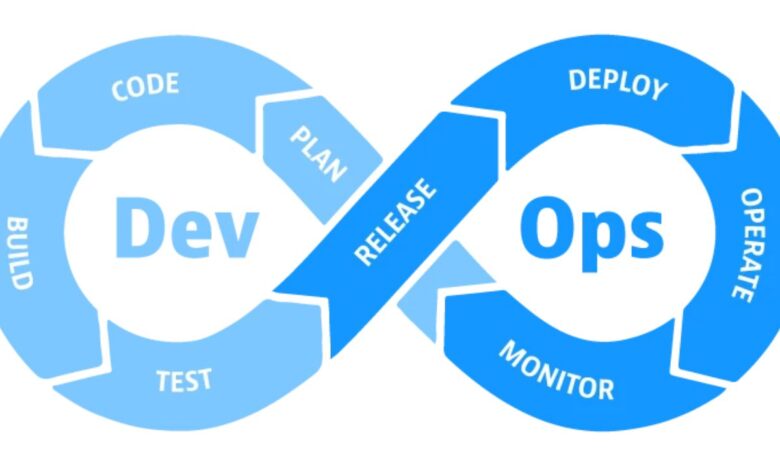
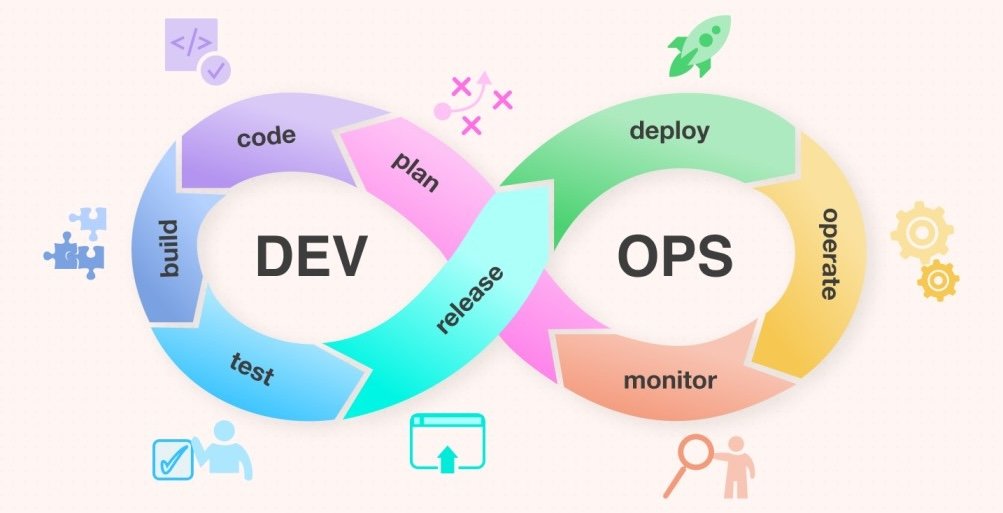
Before examining the leading companies, it helps to understand what DevOps consulting entails and why organizations seek external expertise. DevOps represents a fundamental shift in how software gets built and delivered, combining cultural changes, process automation, and technological tools to enable faster, more reliable releases.
When companies engage DevOps consultants, they seek help across several dimensions. The cultural transformation involves changing how development and operations teams collaborate, breaking down organizational silos that traditionally slowed software delivery. The technical implementation focuses on establishing continuous integration and delivery pipelines, containerization strategies using Docker and Kubernetes, infrastructure as code practices, and comprehensive monitoring systems. The process optimization component helps organizations adopt agile methodologies, implement effective testing strategies, and establish metrics providing visibility into software delivery performance.
Most organizations recognize these transformations require specialized knowledge their existing teams may not possess, particularly when navigating the complex ecosystem of tools and choosing approaches that fit their specific context.
The Leading DevOps Consulting Companies Transforming Indian Organizations
1. Tech Mahindra: Enterprise-Scale DevOps Transformation
Tech Mahindra has established itself as one of India’s most comprehensive DevOps consulting providers for large enterprises undertaking complex transformations. The company brings decades of experience working with global corporations, informing its approach to DevOps implementations that must integrate with existing enterprise systems.
Tech Mahindra’s end-to-end service model covers assessment and strategy, tool selection and implementation, team training, and ongoing managed services. The company maintains partnerships with major cloud providers including Microsoft Azure, AWS, and Google Cloud Platform. Tech Mahindra emphasizes automation at scale for organizations managing hundreds or thousands of applications, with industry-specific expertise in telecommunications, banking, and manufacturing helping consultants understand regulatory and business constraints.
2. Wipro: Cloud-Native DevOps Excellence
Wipro has invested heavily in DevOps capabilities aligned with cloud-native architectures, recognizing most modern implementations occur in cloud environments. The company’s CloudOps and DevOps practice combines consulting expertise with proprietary platforms accelerating implementations.
Wipro emphasizes containerization and microservices architectures, helping organizations decompose monolithic applications into smaller, independently deployable services. The company has developed automation frameworks codifying best practices for continuous integration, delivery, infrastructure provisioning, and security integration. Wipro’s strength lies in handling complex migration scenarios where organizations simultaneously modernize applications, adopt cloud infrastructure, and implement DevOps practices.
3. Infosys: Platform-Driven DevOps Acceleration
Infosys approaches DevOps through platforms and automation, having developed proprietary tools that accelerate implementations while reducing complexity. The company’s DevOps on Cloud platform provides pre-configured pipelines, automated testing frameworks, and integration with popular development tools.

Infosys emphasizes metrics and continuous improvement, helping organizations establish comprehensive monitoring across infrastructure, applications, and business processes. The practice includes site reliability engineering specialists applying software principles to infrastructure challenges. Infosys has developed particular expertise in regulatory compliance within DevOps environments, essential for financial services and healthcare where rapid releases must meet stringent controls.
4. Tata Consultancy Services: Research-Backed DevOps Innovation
TCS brings a research-oriented mindset to DevOps consulting, operating innovation labs where emerging practices are explored before client introduction. The TCS DevOps methodology emphasizes value stream mapping to understand how work flows through organizations and identify bottlenecks slowing software delivery.
TCS maintains strong partnerships with DevOps tool vendors including GitLab and Jenkins, ensuring consultants stay current with evolving capabilities. The company has developed frameworks for assessing DevOps maturity, helping organizations understand their current state and create roadmaps for progressive improvement.
5. HCL Technologies: Agile DevOps Integration
HCL Technologies has built its DevOps practice around tight integration with agile development methodologies, recognizing that DevOps works best when aligned with how development teams actually operate. HCL’s offerings include assessment services, transformation roadmaps, implementation support, and managed DevOps services for organizations preferring to outsource ongoing operations.
HCL has developed particular strength helping organizations adopt infrastructure as code practices, allowing infrastructure to be version controlled and managed using the same processes as application code. The HCL approach emphasizes pragmatic improvements delivering measurable business value quickly, building confidence through concrete wins before expanding to broader transformations.
6. Mindtree: Application-Centric DevOps
Mindtree, now part of LTI Mindtree, has built DevOps expertise closely tied to application development and modernization. The company’s consultants understand that DevOps implementations must account for application architecture. The Mindtree DevOps framework includes modules for legacy application assessment, identifying containerization candidates versus those requiring fundamental redesign.
Mindtree emphasizes developer experience, recognizing DevOps success depends on development teams embracing new tools and practices. Implementations focus on self-service capabilities empowering developers to provision environments, deploy code, and access monitoring data without manual approvals from operations teams.
7. Persistent Systems: Product Engineering DevOps
Persistent Systems brings a product engineering perspective to DevOps consulting, having worked extensively with independent software vendors requiring continuous releases to remain competitive. The company’s DevOps practice specializes in feature flagging systems allowing code deployment to production while features remain hidden until ready for release.
Persistent has expertise in progressive delivery techniques including canary releases, where new versions gradually roll out to increasing percentages of users while monitoring for issues. The company works extensively with startups and growth-stage companies, bringing perspectives from high-velocity environments where DevOps must support multiple daily releases.
8. Nagarro: Digital Product Engineering Focus
Nagarro positions itself at the intersection of DevOps and digital product engineering, working primarily with organizations building customer-facing digital products. The company’s consultants understand DevOps in product contexts requires different practices than traditional enterprise IT, particularly around managing multiple environments and supporting experimentation.
Nagarro has developed expertise in cloud-native development using Kubernetes, service mesh technologies, and serverless computing. The company helps organizations build platforms that development teams can use to quickly spin up new services while maintaining consistency in deployment, monitoring, and management.
9. Mphasis: Automation-First DevOps
Mphasis has built its DevOps practice around automation and artificial intelligence, developing platforms that automate tasks traditionally requiring manual effort. The Mphasis DevOps platform incorporates machine learning algorithms that analyze deployment patterns, predict potential issues, and recommend optimizations.
The company has particular strength in test automation, having developed frameworks that automatically generate test cases based on application changes and user behavior patterns. Mphasis works extensively with financial services companies where regulatory requirements demand comprehensive audit trails and change controls even within rapid release environments.
10. Zensar Technologies: Business Outcome-Focused DevOps
Zensar Technologies differentiates itself through emphasis on business outcomes rather than purely technical implementations, beginning engagements by understanding business problems organizations are trying to solve before prescribing DevOps solutions. The company’s DevOps practice includes business analysts working alongside technical consultants to define metrics linking DevOps improvements to business results.
Zensar has developed industry-specific DevOps frameworks for retail, healthcare, and manufacturing that incorporate common challenges and proven solutions for those sectors. This industry focus allows faster implementations by leveraging knowledge from similar organizations rather than starting from generic approaches.
Choosing Your DevOps Consulting Partner Wisely
Understanding these leading companies helps you make informed decisions, but choosing the right partner requires considering several factors. The scale of your organization matters significantly, as firms specializing in enterprise implementations may be overly complex for smaller companies, while startup-focused firms may lack experience managing large-scale enterprise constraints.
Your industry and regulatory environment influences which consultants will be most effective, since experience navigating specific compliance requirements provides significant value. Organizations in regulated industries benefit from consultants who understand how to implement rapid delivery while maintaining necessary controls.
The current state of your technology infrastructure shapes the transformation approach, as organizations running applications in traditional data centers face different challenges than cloud-native companies. Your team’s current capabilities influence how much education and change management your transformation requires.
Cultural fit matters more than many organizations initially recognize, since DevOps transformations inevitably involve changing how teams work together. Consultants who understand your organizational culture and can navigate your change management processes prove more effective than those with superior technical knowledge but poor cultural alignment.
The Evolving DevOps Consulting Landscape
The DevOps consulting market in India continues evolving as practices mature and new technologies emerge. Platform engineering has emerged as the next evolution of DevOps, with organizations building internal platforms providing developers self-service access to infrastructure, deployment pipelines, and monitoring tools.
GitOps practices, which use Git repositories as the source of truth for infrastructure and application configurations, are gaining adoption as organizations seek declarative approaches to managing complex cloud environments. Security integration throughout the software development lifecycle, known as DevSecOps, has moved from optional enhancement to essential requirement as cyber threats proliferate.
The rise of artificial intelligence and machine learning in operations, sometimes called AIOps, represents another frontier where consulting companies are building capabilities. These technologies promise to automate complex operational decisions, predict failures before they occur, and optimize resource utilization beyond what rule-based systems can achieve.
Making Your Decision with Confidence
The DevOps consulting landscape in India offers diverse options serving organizations of different sizes, industries, and maturity levels. The companies profiled here represent the leading edge of this ecosystem, each bringing particular strengths and approaches that resonate with different organizational needs.
As you evaluate potential partners, remember that successful DevOps transformations depend not just on technical implementation but on cultural change, process evolution, and sustained commitment. The best consulting partner for your organization will be one that understands your specific context, aligns with your cultural values, and demonstrates willingness to transfer knowledge to your teams rather than creating dependency on external expertise.
Take time to speak with multiple firms, examine their case studies from similar organizations, and check references thoroughly. Request that consulting teams proposed for your engagement be involved in sales discussions so you can assess their expertise directly. Most importantly, ensure the consulting firm’s approach aligns with your organization’s capacity for change, as the most sophisticated DevOps practices prove worthless if your organization cannot sustain them after consultants depart.

The investment in DevOps consulting pays dividends when you select the right partner and commit to the organizational changes these transformations require. The companies profiled here have helped hundreds of organizations accelerate software delivery, improve reliability, and build capabilities that provide lasting competitive advantage. With careful evaluation and clear expectations, your organization can achieve similar success in its DevOps journey.