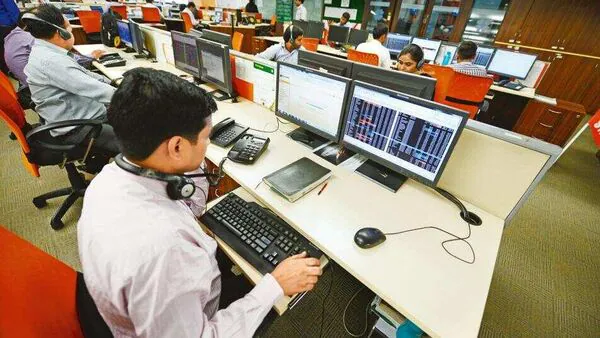
The landscape of stock trading in India has transformed dramatically over the past decade, evolving from telephone-based broker interactions and branch visits to sophisticated mobile applications that fit investing power into every smartphone. In 2026, India’s digital brokerage ecosystem stands as one of the world’s most vibrant retail trading markets, with over seven million trading app downloads recorded in 2024 alone and participation rates that skyrocketed following the pandemic-driven digital acceleration. The revolution began when discount brokers challenged the traditional full-service model that dominated for decades, introducing flat-fee structures and zero-commission delivery trades that democratized market access for millions of first-time investors.
Today’s digital brokerage platforms serve diverse investor profiles ranging from complete beginners making their first systematic investment plan contributions to sophisticated traders executing complex options strategies with advanced technical analysis tools. The distinction between full-service brokers offering comprehensive research, advisory services, and relationship managers versus discount brokers emphasizing low costs, digital efficiency, and self-directed investing has become more pronounced, yet some platforms successfully blend elements of both approaches. Understanding which platform aligns with individual trading styles, investment goals, and service expectations has become crucial as the market matures and regulatory frameworks evolve.
This comprehensive analysis examines the leading digital brokerage platforms shaping India’s investment landscape in 2026, evaluating each on critical parameters including user base, technological capabilities, fee structures, research offerings, and overall value proposition. Whether seeking the lowest possible costs, bank-grade security, advanced charting tools, or comprehensive educational resources, investors will find platforms tailored to their specific requirements among these market leaders that collectively serve tens of millions of active traders and investors across the country.
1. Groww
Groww has emerged as India’s largest stock broker by active client count, serving approximately thirteen million users as of early 2026 and commanding an impressive market share of around twenty-three percent. The platform’s remarkable ascent from its 2017 launch as a mutual fund investing application to its current position atop the brokerage hierarchy demonstrates the power of user-centric design combined with strategic product expansion. Groww fundamentally transformed complex investing into accessible financial participation through clean interfaces, straightforward processes, and educational content that demystifies markets for newcomers.
The platform’s core value proposition centers on simplicity without sacrificing capability. Groww offers zero brokerage on equity delivery trades, making it exceptionally attractive for long-term investors who employ buy-and-hold strategies. The account opening process exemplifies the platform’s commitment to removing friction, with digital KYC enabling new users to establish accounts within minutes using Aadhaar authentication and video verification. The interface design prioritizes clarity over information density, presenting essential data without overwhelming users who may find traditional trading terminals intimidating.
Groww’s strength in mutual fund investing remains evident even as equity trading capabilities have expanded. The platform provides seamless access to systematic investment plans, allowing users to automate monthly contributions toward wealth-building goals with minimal effort. The integration between mutual funds and direct equity investing creates natural progression paths for investors who begin with relatively conservative fund allocations before gradually exploring individual stock selection as confidence and knowledge develop.
In 2026, Groww continues attracting first-time investors and millennials who appreciate mobile-first experiences optimized for smartphones rather than desktop computers. The platform’s educational initiatives including webinars, articles, and in-app guidance help users understand fundamental concepts without requiring them to seek external resources. For investors prioritizing simplicity, low costs, and gentle learning curves over advanced technical analysis or intensive research reports, Groww represents an ideal entry point into India’s capital markets.
2. Zerodha
Founded in 2010 by brothers Nithin and Nikhil Kamath, Zerodha pioneered the discount brokerage model in India and fundamentally disrupted an industry dominated by percentage-based commission structures that made frequent trading prohibitively expensive for retail investors. With approximately seven point nine million active clients, Zerodha maintains its position as the second-largest broker despite facing intensifying competition from newer platforms. The company’s flagship trading platform Kite has become synonymous with reliability, speed, and professional-grade functionality accessible to retail traders.
Zerodha’s brokerage structure revolutionized the industry by introducing flat twenty-rupee fees per trade for futures and options alongside zero charges for equity delivery. This pricing model eliminated the traditional conflict of interest where brokers benefited from churning client portfolios, instead aligning broker and client interests around platform quality and customer retention. The transparent fee schedule with no hidden charges resonated strongly with informed investors who understood how traditional percentage-based commissions eroded returns over time.
The Kite platform represents Zerodha’s technological crown jewel, delivering institutional-quality trading infrastructure to retail users. Advanced charting capabilities through integrations with TradingView and ChartIQ enable sophisticated technical analysis rivaling professional trading desks. The platform’s execution speed and stability during high-volatility periods have earned particular praise, with users reporting reliable performance even during market-moving events when some competing platforms experience slowdowns or outages. Zerodha’s commitment to maintaining robust server infrastructure rather than skimping on technology investments has created durable competitive advantages in execution reliability.
Beyond core trading, Zerodha has developed complementary products including Coin for direct mutual fund investing, Console for portfolio analysis, and Varsity offering comprehensive educational content covering everything from basic concepts to advanced derivatives strategies. The educational materials have become industry benchmarks, helping millions of Indians understand markets while simultaneously building brand loyalty. In 2026, Zerodha remains the preferred choice for active traders, serious investors, and anyone prioritizing platform stability combined with advanced tools, even as some newer platforms offer superficially attractive marketing promotions.
3. Angel One
Angel One stands among India’s largest brokers with approximately seven point six million active clients, distinguished by successfully blending full-service capabilities including research and advisory with competitive discount broker pricing. This hybrid approach addresses a significant market need for investors who want low costs but lack the confidence or time for completely self-directed investing. The platform’s ARQ Prime artificial intelligence engine provides personalized stock recommendations based on individual risk profiles and investment objectives, effectively democratizing advisory services traditionally reserved for high-net-worth clients.
The research ecosystem at Angel One represents a major differentiator from pure discount brokers. Regular reports covering sectors, individual stocks, macroeconomic trends, and technical analysis help investors make informed decisions grounded in fundamental and technical perspectives. For investors transitioning from mutual funds to direct equity investing or those seeking validation for their investment theses, this research infrastructure provides valuable support without requiring expensive portfolio management services or advisory relationships.
Angel One’s technology platforms across web, mobile, and desktop applications deliver comprehensive functionality for equity cash, derivatives, commodities, currencies, and mutual funds. The mobile application emphasizes user experience with intuitive navigation and quick access to frequently used features, while the desktop platform caters to power users requiring multiple monitors and advanced order types. The platform supports various trading styles from long-term investing through systematic investment plans to active intraday trading with leverage facilities.
In 2026, Angel One continues attracting investors who appreciate having research support and AI-driven recommendations alongside discount broker economics. The platform serves as a middle ground between completely self-directed platforms like Zerodha and traditional full-service relationships, providing enough guidance to boost confidence while maintaining fee structures that don’t significantly erode returns. For investors willing to pay slightly higher fees in exchange for comprehensive research and personalized recommendations, Angel One delivers compelling value.

4. Upstox
Backed by prominent investors including Tiger Global and industrialist Ratan Tata, Upstox has established itself as one of India’s fastest-growing brokers with approximately two point four million active clients. The platform emphasizes execution speed, modern design aesthetics, and competitive pricing that appeals particularly to millennials and younger traders who grew up with sophisticated consumer technology. Upstox positions itself as the broker for users who demand contemporary interfaces and lightning-fast order execution without legacy system constraints.
The platform’s technological infrastructure prioritizes speed across every interaction point from login to order confirmation. Upstox Pro, the company’s flagship trading application, delivers real-time market data, advanced charting through integrated technical analysis tools, and one-click order placement that minimizes time between decision and execution. For active traders operating in volatile markets where seconds matter, execution speed can significantly impact profitability, making Upstox’s performance-oriented architecture particularly valuable.
Upstox maintains the flat-fee pricing model common among discount brokers, charging twenty rupees per trade for futures and options with zero brokerage on equity delivery. The account opening process leverages video KYC and Aadhaar-based verification to enable activation within hours rather than days. The platform supports comprehensive product offerings including equities, derivatives, commodities, currencies, and mutual funds, allowing users to consolidate their entire investment portfolio within a single interface.
In 2026, Upstox continues appealing to active traders who prioritize speed and modern user experiences. The platform’s clean design and intuitive workflows reduce cognitive load during trading sessions, helping users maintain focus on market analysis rather than struggling with interface complexity. While some users report occasional stability issues during extreme market conditions compared to Zerodha’s proven resilience, Upstox’s combination of speed, design, and competitive pricing maintains strong appeal among digitally-native investors who value sleek technology.
5. ICICI Direct
Operating as the retail trading arm of ICICI Securities, ICICI Direct represents one of India’s most established full-service brokers with backing from one of the country’s largest private sector banks. The platform serves investors seeking bank-grade security, comprehensive research, and integrated financial services beyond basic trading. ICICI Direct attracts conservative investors who prioritize institutional credibility and multi-generational brand trust over absolute minimum costs.
The full-service model delivers significant value through extensive research coverage spanning equity, derivatives, commodities, and currencies. Dedicated research teams produce detailed company analysis, sector reports, technical studies, and regular market commentary helping investors understand broader contexts influencing individual securities. For investors who lack time or expertise to conduct independent research, this institutional-quality analysis provides foundations for informed decision-making. ICICI Direct also offers relationship managers for premium clients, providing personalized service and guidance unavailable from discount brokers.
ICICI Direct’s technology platforms include web-based terminals, mobile applications for iOS and Android, and desktop software catering to different user preferences. The bank integration enables instant fund transfers between savings accounts and trading accounts without the delays sometimes experienced when linking external bank accounts to standalone brokers. This seamless financial ecosystem proves particularly convenient for users who maintain primary banking relationships with ICICI Bank.
The brokerage structure at ICICI Direct follows traditional percentage-based models with various plans offering different fee schedules based on trading volume and account type. While these fees exceed discount broker rates, many customers willingly pay premiums for comprehensive research, relationship management, and bank-affiliated reliability. In 2026, ICICI Direct continues serving investors who value full-service relationships, extensive research infrastructure, and banking integration even when these benefits command higher fees than bare-bones execution platforms.
6. HDFC Securities
HDFC Securities operates as the brokerage subsidiary of HDFC Bank, leveraging one of India’s most trusted financial brands to attract conservative, long-term investors seeking stability and comprehensive services. The platform emphasizes deep research capabilities, seamless banking integration for HDFC Bank customers, and access to diverse investment products beyond basic equity trading. HDFC Securities appeals particularly to investors who maintain primary banking relationships with HDFC Bank and value unified financial management.
The research infrastructure at HDFC Securities produces regular reports covering fundamental analysis, technical analysis, derivatives strategies, and macroeconomic trends. The company employs dedicated analyst teams tracking specific sectors and companies, providing detailed coverage that helps investors understand business models, competitive dynamics, and valuation metrics. This institutional research, typically produced for high-net-worth clients and institutional investors, becomes accessible to retail traders through the HDFC Securities platform.
Technology platforms include the HDFC Sky mobile application alongside web-based trading terminals optimized for desktop usage. The bank integration proves especially valuable for HDFC Bank customers who can instantly transfer funds between accounts and view consolidated financial positions spanning banking, investments, loans, and insurance within unified interfaces. This ecosystem approach appeals to users seeking comprehensive financial management rather than standalone trading capabilities.
HDFC Securities follows percentage-based brokerage models with various plans accommodating different trading frequencies and volumes. While fees exceed discount broker rates, the platform bundles significant value through research, advisory support, banking integration, and access to international equities, bonds, and alternative investments. In 2026, HDFC Securities continues attracting conservative investors who prioritize brand trust, comprehensive research, and integrated financial services over absolute minimum trading costs.
7. Kotak Securities
Kotak Securities operates as the brokerage arm of Kotak Mahindra Bank, offering balanced combinations of trading tools, investment options, and research support backed by one of India’s respected financial institutions. The platform caters to investors seeking middle-ground positions between discount brokers and full-service relationships, delivering advanced technological capabilities alongside institutional research and advisory services.

The platform provides comprehensive market access spanning equities, derivatives, commodities, currencies, mutual funds, bonds, and portfolio management services. This product breadth enables investors to construct diversified portfolios addressing various financial goals without maintaining relationships across multiple platforms. Kotak Securities emphasizes providing institutional-quality tools and research to retail investors, democratizing capabilities traditionally reserved for high-net-worth segments.
Technology platforms include mobile applications, web terminals, and desktop software equipped with advanced charting, technical indicators, and order management tools. The integration with Kotak Mahindra Bank facilitates seamless fund movements and consolidated financial views for existing bank customers. The research team produces regular market commentary, stock recommendations, and strategy reports helping investors navigate complex market environments.
In 2026, Kotak Securities attracts investors seeking balanced approaches combining technological sophistication with research support. The platform appeals to users willing to pay moderately higher fees than pure discount brokers in exchange for comprehensive research, advisory services, and banking integration, particularly those who already maintain banking relationships with Kotak Mahindra Bank and value unified financial management ecosystems.
8. 5Paisa
5Paisa has carved a niche as an ultra-low-cost broker offering diverse investment products including equities, derivatives, commodities, currencies, mutual funds, insurance, and even international equities. The platform’s name reflects its original pricing strategy charging five rupees per trade, though current structures vary by plan and product. 5Paisa targets cost-conscious investors who trade frequently and seek to minimize the cumulative impact of transaction fees on portfolio returns.
The platform provides comprehensive product access enabling investors to construct globally diversified portfolios incorporating Indian equities, international stocks, bonds, mutual funds, and alternative investments through single accounts. This breadth proves particularly valuable for investors employing sophisticated allocation strategies requiring exposure across multiple asset classes and geographies. The low-cost structure makes such diversification economically feasible for retail investors who might otherwise face prohibitive fees.
Technology platforms include mobile applications and web-based terminals delivering real-time market data, advanced charting, and comprehensive order management. The platform supports various order types, bracket orders, cover orders, and other tools enabling active traders to implement complex strategies. Research support includes regular market updates, stock recommendations, and technical analysis helping users make informed decisions.
In 2026, 5Paisa continues appealing to high-frequency traders and cost-conscious investors who execute numerous transactions monthly and understand how even small per-trade fees compound into significant costs over time. The platform’s diverse product offerings combined with ultra-low pricing create compelling value propositions for investors comfortable with self-directed investing and minimal hand-holding.
9. Motilal Oswal
Motilal Oswal represents one of India’s oldest and most respected brokerage houses, emphasizing research-driven investing and wealth management for serious long-term investors. The firm has built reputation over decades through detailed fundamental research, accurate earnings forecasts, and disciplined investment philosophies. Motilal Oswal attracts investors who value deep company analysis and institutional-quality research over absolute minimum costs.
The research infrastructure at Motilal Oswal produces comprehensive coverage across sectors with particular strength in banking, financial services, infrastructure, and capital goods. Research reports delve into business model analysis, competitive positioning, management quality assessment, and detailed financial modeling providing frameworks for understanding intrinsic value. This fundamental analysis appeals to value investors seeking to identify mispriced securities trading below intrinsic worth.
Technology platforms deliver comprehensive functionality across mobile, web, and desktop applications supporting trading in equities, derivatives, commodities, currencies, and mutual funds. The platforms integrate research reports, model portfolios, and personalized recommendations helping translate analysis into actionable investment decisions. Motilal Oswal also offers portfolio management services and wealth management for high-net-worth individuals seeking professional asset management.
In 2026, Motilal Oswal continues serving investors who prioritize research quality and long-term wealth creation over short-term trading gains. The platform appeals particularly to users willing to pay premium fees in exchange for institutional-quality research, proven investment frameworks, and comprehensive wealth management services. For serious investors building substantial portfolios over decades rather than speculating on short-term price movements, Motilal Oswal delivers research infrastructure justifying its higher fee structures.
10. Paytm Money
Paytm Money entered the brokerage space leveraging its parent company’s massive digital payments ecosystem and brand recognition among digitally-savvy consumers. The platform emphasizes mutual fund investing alongside equity trading, maintaining particularly strong capabilities in systematic investment plans and goal-based investing. Paytm Money has attracted approximately one point four million active clients through its user-friendly interfaces and integration with the broader Paytm financial ecosystem.
The platform’s core strength lies in simplifying mutual fund investing through direct plans offering lower expense ratios than regular plans distributed through traditional intermediaries. Users can establish systematic investment plans with amounts as low as one hundred rupees, making wealth building accessible to investors with limited initial capital. The goal-based investing framework helps users define financial objectives, establish appropriate timelines, and select suitable investment products aligning with specific goals.
Equity trading capabilities complement the mutual fund focus, providing comprehensive access to cash equities, futures, options, commodities, and currencies. The mobile-first design optimizes experiences for smartphone users who conduct most financial activities through mobile devices rather than desktop computers. Account opening leverages video KYC and Aadhaar integration enabling rapid activation, while the familiar Paytm brand provides comfort for users already engaged with the payments ecosystem.
In 2026, Paytm Money continues growing its client base, adding over one hundred thousand active users during 2025 even as some larger platforms experienced client exodus. The platform appeals particularly to mutual fund investors seeking low-cost direct plans alongside users who value the Paytm brand and ecosystem integration. For investors prioritizing systematic investing and goal-based planning over active trading, Paytm Money provides intuitive tools and competitive pricing.
The Regulatory Landscape And Market Dynamics
India’s brokerage industry operates under comprehensive regulation by the Securities and Exchange Board of India, which establishes rules governing broker registration, capital adequacy, client fund segregation, risk management, and investor protection. All brokers must maintain membership with recognized stock exchanges including the National Stock Exchange and Bombay Stock Exchange while adhering to strict operational and financial standards. This regulatory framework provides investor confidence that brokers maintain adequate safeguards protecting client assets.
The year 2025 witnessed significant regulatory intervention when SEBI introduced stricter rules governing futures and options trading following concerns about excessive retail speculation and losses. These regulations included higher margin requirements making leveraged positions more expensive, reduced weekly expiry contracts limiting short-term speculation opportunities, increased capital thresholds for options sellers, and enhanced taxation on derivatives gains. The regulatory tightening contributed to an industry-wide exodus of approximately five point three million active clients during 2025 as speculative traders exited markets or reduced activity levels.
Major platforms including Zerodha, Groww, Angel One, and Upstox all experienced significant client departures during this regulatory adjustment period. Zerodha lost approximately twelve point seven million active clients, while Groww declined by ten point three million and Angel One shed nearly ten million users. These departures primarily reflected futures and options traders who found the new regulatory environment less conducive to their strategies rather than fundamental platform dissatisfaction. Conversely, some smaller platforms including Paytm Money, SBICAP Securities, and ICICI Securities actually gained clients during this period, suggesting certain investor segments remained committed to equity investing despite derivatives market disruptions.
Choosing The Right Platform In 2026
Selecting appropriate brokerage platforms requires careful assessment of individual trading styles, investment goals, technical competence, and service preferences. Beginners who lack confidence making independent investment decisions benefit from platforms offering educational resources, research support, and simplified interfaces that don’t overwhelm with excessive information. Groww and Angel One excel in serving first-time investors through clean designs, comprehensive learning materials, and features like AI-driven recommendations reducing decision paralysis.
Active traders executing numerous transactions daily prioritize execution speed, advanced charting capabilities, and low per-trade costs that prevent fees from eroding profits. Zerodha and Upstox deliver professional-grade trading infrastructure with institutional-quality charting, rapid order execution, and flat-fee structures capping costs regardless of trade size. These platforms assume users possess sufficient knowledge to make independent decisions without requiring extensive research support or advisory services.
Long-term investors building wealth through systematic allocation strategies care primarily about low delivery charges, mutual fund capabilities, and platforms facilitating disciplined investing rather than encouraging active trading. Groww, Paytm Money, and most discount brokers offer zero brokerage on equity delivery combined with comprehensive mutual fund access supporting buy-and-hold strategies. These platforms help investors stay focused on long-term goals rather than getting distracted by daily market volatility.
Conservative investors prioritizing safety and comprehensive services over absolute minimum costs gravitate toward full-service brokers including ICICI Direct, HDFC Securities, and Kotak Securities. These platforms provide institutional research, relationship management, banking integration, and brand credibility that justify higher fees for users who value professional guidance and comprehensive financial ecosystems. The bank affiliations provide additional comfort regarding financial stability and regulatory compliance.
The Future Of Digital Brokerages
India’s digital brokerage landscape will continue evolving through technological innovation, regulatory development, and changing investor demographics. Artificial intelligence applications will become increasingly sophisticated, moving beyond simple stock screening toward comprehensive portfolio management, risk assessment, and personalized advisory services accessible to retail investors. Platforms that successfully deploy AI capabilities while maintaining human oversight and transparency will differentiate themselves from competitors relying purely on algorithmic recommendations.

Mobile-first experiences will further dominate as smartphone penetration increases and younger generations who have never known desktop-centric computing enter investing. Platforms that optimize every feature for small screens, touch interfaces, and on-the-go decision-making will capture growing market share from users who view desktop trading terminals as outdated artifacts. Voice-based trading and conversational interfaces may emerge as natural progressions for platforms serving less technically sophisticated users.
Fractional investing enabling purchase of expensive stocks with small amounts will likely expand, democratizing access to high-priced securities that otherwise require substantial capital. This innovation particularly benefits young investors building portfolios gradually through small periodic investments rather than large lump-sum deployments. Platforms that simplify fractional investing while maintaining transparent pricing and custody arrangements will appeal to emerging investor segments.
Regulatory evolution will continue shaping industry dynamics as SEBI balances investor protection imperatives against innovation encouragement. The recent derivatives regulations demonstrate regulatory willingness to intervene when retail speculation appears excessive, suggesting future rule changes may target other areas generating concern. Platforms that proactively engage with regulators, maintain conservative risk management, and prioritize sustainable business models over rapid growth will navigate regulatory changes most successfully.
Conclusion
India’s top digital brokerage platforms in 2026 represent diverse approaches to serving retail investors ranging from ultra-low-cost discount brokers enabling self-directed investing to full-service platforms providing comprehensive research and advisory support. Groww’s emergence as the largest platform by client count demonstrates the power of user-friendly design and accessible onboarding, while Zerodha’s sustained strength among active traders reflects enduring value of execution reliability and advanced tools. Angel One’s hybrid model blending discount pricing with research support addresses significant market needs for guided yet affordable investing.
Full-service platforms including ICICI Direct, HDFC Securities, and Kotak Securities continue serving investors who prioritize institutional research, banking integration, and comprehensive services over absolute minimum costs. These platforms deliver particular value for conservative investors, high-net-worth individuals, and users seeking professional guidance navigating complex market environments. Meanwhile, specialists like Paytm Money focus on specific investor segments through goal-based investing and mutual fund expertise.
The regulatory interventions during 2025 caused significant client exodus across the industry, particularly affecting platforms serving active derivatives traders. However, this consolidation may ultimately strengthen the ecosystem by reducing excessive speculation while maintaining robust participation from genuine investors building long-term wealth. Platforms that survived regulatory turbulence while maintaining client trust and technological excellence have emerged better positioned for sustainable growth.
Choosing the right brokerage platform requires honest self-assessment regarding trading frequency, risk tolerance, technical competence, and service expectations. First-time investors benefit from educational resources and simplified interfaces available through Groww or Angel One, while active traders require execution speed and advanced tools delivered by Zerodha or Upstox. Long-term investors prioritize low delivery charges and systematic investing capabilities, while conservative users value full-service relationships offering research and advisory support.
As India’s retail investor base continues expanding through digital accessibility and financial literacy initiatives, the brokerage platforms that combine technological excellence with appropriate service levels for target segments will thrive. The industry has matured significantly from the early discount brokerage disruption, with platforms now differentiating through specialized capabilities rather than competing purely on price. Investors in 2026 enjoy unprecedented choice spanning the full spectrum from ultra-low-cost self-directed platforms to comprehensive wealth management relationships, enabling every user to find solutions matching their unique requirements and preferences.