The Sky-High “No-Poach My Pilot” Battle Being Fought On The Ground. The Silent Turf War Between Airlines

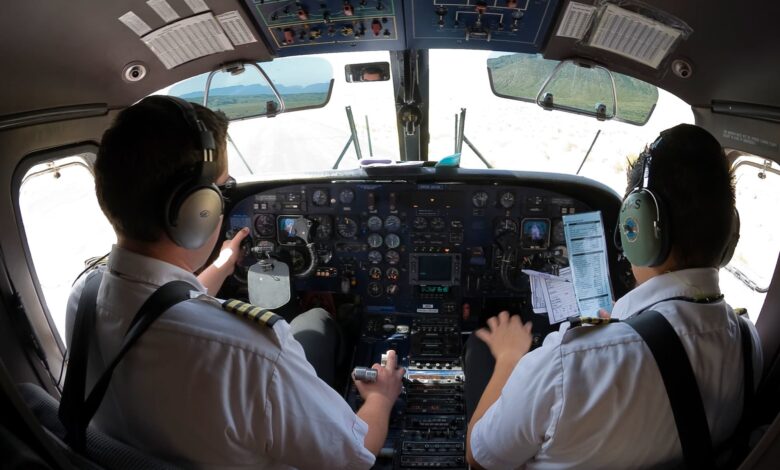
No-Poach My Pilot. The Indian aviation industry is facing an intense standoff over pilot hiring, with allegations surfacing about a covert “no-poach” agreement between two of the country’s biggest airlines—IndiGo and Air India.
The Airline Pilots Association of India, ALPA India, an affiliate of the International Federation of Airline Pilots Association, has accused both airlines of an unspoken understanding that prevents them from hiring each other’s pilots. If true, this raises serious legal and ethical questions about employment rights and fair competition.
An Unofficial Hiring Blockade?
ALPA India has raised the issue with the Ministry of Civil Aviation, arguing that restricting movement between airlines is unfair to pilots and violates fundamental employment rights. The allegations stem from instances where Air India pilots who received offers from IndiGo suddenly had their employment letters revoked.
This pattern, the association believes, suggests an informal “no-poach” agreement designed to prevent pilot movement between the two dominant airlines. However, both Air India and IndiGo have remained silent on these claims, with an IndiGo official dismissing them as baseless.
The term “poaching” itself is controversial. ALPA India’s President, Captain Sam Thomas, argues that calling it “poaching” is an HR-driven misnomer that misrepresents a normal and healthy aspect of employment competition.
Why should trained manpower be restricted from seeking better opportunities? he asks, emphasizing that open hiring practices promote a level playing field and greater career mobility for pilots.
A Long-Standing Issue in Indian Aviation
This is not the first time such hiring controversies have surfaced. In the past, airlines like Akasa Air have accused competitors of aggressively luring away their pilots.
Similar instances have occurred worldwide, where airlines facing a talent crunch resort to lucrative offers to attract experienced crew members. However, what sets the current scenario apart is the alleged mutual understanding between Air India and IndiGo, if it exists, that blocks pilots from switching between the two giants.
The aviation industry is no stranger to fluctuating employment dynamics. Pilots often move between airlines based on working conditions, career growth opportunities, and financial incentives. IndiGo, for instance, has long been considered an excellent employer, offering strong career growth and leadership opportunities for its pilots. But as the industry evolves, pilots naturally seek options that align with their career needs, and restricting their movement could set a dangerous precedent.

A Looming Pilot Shortage
Beyond the hiring dispute, a much bigger issue is that India is facing a serious pilot shortage, especially with massive aircraft orders in place (over 1,000 narrow-body aircraft expected in the coming years), the industry needs thousands of new pilots.
Captain Thomas estimates that the shortage stands at approximately 4,500 captains. The demand will only rise, putting immense pressure on airlines to find talent, whether through domestic training programs or by hiring expatriate pilots.
Currently, India is one of the few countries where foreign pilots earn significantly more than their Indian counterparts with similar experience. This disparity, coupled with a lack of structured pilot training at the grassroots level, aggravates the crisis.
The industry could face severe operational challenges, if immediate actions are not taken including grounded aircraft due to a lack of trained personnel.
A Flawed Talent Pipeline
One of the fundamental issues is the inefficiency of India’s pilot training ecosystem – becoming a commercial pilot is a lengthy and bureaucratic process, often hampered by outdated regulations. For example, a trainee pilot must apply for a “computer number,” a process that should be simple but often takes months due to bureaucratic red tape. These delays, combined with high training costs and limited government support, discourage many aspiring pilots from entering the industry.
To address the looming shortage, experts argue that India needs a major overhaul in its pilot training framework which includes –
–Faster regulatory processes to streamline pilot licensing and certification.
–Increased investment in flight training organizations (FTOs) to expand the supply of skilled pilots.
–Government incentives or subsidies to make pilot training more accessible.
–Stronger collaboration between airlines and training institutions to create a steady talent pipeline.
The Last Bit
While the no-poach controversy continues to unfold, it is likely to become irrelevant in the long run as the pilot shortage worsens. History suggests that airlines will eventually abandon restrictive hiring practices when faced with a critical lack of crew.
Captain Thomas recalls similar past situations when airlines were forced to offer hefty joining bonuses of up to ₹15 lakh to attract pilots during crisis periods. Given the massive expansion plans of Indian carriers, such a scenario is not far-fetched.
For now, will regulatory authorities intervene to prevent hiring restrictions, or will airlines continue their unofficial tug-of-war?
If India is to sustain its aviation boom, ensuring a fair and competitive employment opportunities is just as crucial as acquiring new aircraft, as without the right people to fly them, all expansion plans will remain grounded in reality.