
The e-commerce landscape in India is transforming at an unprecedented pace in 2026, with automation emerging as the cornerstone of successful online retail operations. As consumer expectations continue to evolve toward faster deliveries, seamless experiences, and personalized interactions, manual processes simply cannot keep pace with market demands. The adoption of automation tools has shifted from being a competitive advantage to an absolute necessity for survival in India’s dynamic digital marketplace.
According to recent industry data, by 2027, approximately ninety percent of e-commerce companies are expected to adopt some form of automated order management system to remain competitive. Brands that invest in modern automation tools are experiencing significantly higher returns on investment compared to those relying on legacy systems. In India’s fast-moving 2026 e-commerce ecosystem, the right automation tools empower brands to fulfill orders faster, scale efficiently, and build stronger customer loyalty while reducing operational overhead.
This comprehensive guide explores the ten most essential e-commerce automation tools that Indian sellers, D2C brands, and marketplace vendors should consider in 2026 to streamline their operations and maximize growth potential.
1. Unicommerce – Comprehensive Order and Warehouse Management
Unicommerce stands as one of India’s most trusted e-commerce enablement platforms, serving over seven thousand brands across India, Southeast Asia, and the Middle East. As a comprehensive Order Management System and Warehouse Management System, Unicommerce provides the technological backbone that high-growth D2C brands, enterprise retailers, and omnichannel-first businesses need to scale without friction.
The platform excels in providing real-time inventory accuracy across all sales channels, which has become the biggest competitive advantage for brands in 2026. With quick commerce platforms requiring ultra-fast restocking cycles every twenty-four to forty-eight hours, Unicommerce ensures brands maintain top discoverability and consistent availability on platforms like Blinkit, Zepto, and Instamart. The system offers intelligent courier allocation that automatically selects the optimal shipping partner based on factors like destination, weight, and service level requirements, leading to reduced return-to-origin rates and better delivery performance.
Unicommerce integrates seamlessly with over two hundred and eighty sales channels, logistics partners, and business applications, making it ideal for businesses selling across multiple marketplaces and their own websites. The platform’s warehouse management capabilities enable two times faster warehouse operations through features like barcode scanning, pick lists, and automated quality checks. For businesses managing complex operations, Unicommerce provides advanced features including vendor management, returns processing, and comprehensive analytics dashboards that offer complete operational clarity.
The pricing structure is customized based on business size and requirements, making it accessible for growing businesses while offering enterprise-grade capabilities for larger operations. For brands operating in 2026’s competitive environment where inventory must move in hours rather than days, Unicommerce delivers the automation infrastructure necessary to maintain efficiency at scale.
2. Shiprocket – Shipping and Logistics Automation
Shiprocket, developed by Bigfoot Retail Solutions, has established itself as India’s leading logistics software platform. The tool addresses one of the most challenging aspects of e-commerce operations in India: managing shipments across the country’s vast and diverse geography. Shiprocket provides access to multiple courier partners through a single integration, offering competitive rates starting at just nineteen rupees per five hundred grams, fast cash-on-delivery remittance, and reliable support infrastructure.
The platform’s intelligent shipping automation goes beyond simple label generation. Shiprocket’s rule-based workflow engine allows businesses to configure complex shipping logic, such as automatically selecting UPS Ground for orders over two pounds going to specific zones, or ensuring fragile items are always shipped through particular carriers known for careful handling. This level of automation minimizes dispatch times and enhances delivery tracking efficiency without requiring manual decision-making for each order.
In 2026, Shiprocket has expanded its offerings to include hyperlocal delivery capabilities through Shiprocket Quick, catering to the growing demand for same-day and next-day deliveries in metro cities. The platform provides end-to-end shipment tracking for both forward and reverse logistics, including detailed tracking history, real-time updates on package locations, and automated status notifications. This transparency reduces “where is my order” queries by up to eighty percent, significantly improving customer satisfaction while reducing support workload.
The integration ecosystem is particularly strong, with native connections to all major e-commerce platforms including Shopify, WooCommerce, Magento, Amazon, Flipkart, and Snapdeal. For businesses using order management systems like Unicommerce, the Shiprocket integration provides seamless logistics management from order processing through delivery tracking. The platform also offers branded tracking pages that allow businesses to maintain their brand identity throughout the post-purchase experience.
3. Klaviyo – Email and SMS Marketing Automation
Klaviyo has earned its reputation as the gold standard for e-commerce email and SMS automation, particularly for Shopify merchants but increasingly across all platforms in the Indian market. The tool specializes in creating personalized, data-driven marketing campaigns that feel genuinely relevant to each customer, moving far beyond generic mass emails.
What sets Klaviyo apart in 2026 is its sophisticated AI-powered segmentation capabilities. The platform analyzes customer behavior patterns, purchase history, browsing activity, and engagement levels to automatically group customers into highly targeted segments. This allows businesses to identify high-value customers, predict churn risks, forecast next order dates, and calculate customer lifetime value with remarkable accuracy. These insights enable merchants to send the right message to the right customer at exactly the right moment in their journey.
The platform excels at automating critical e-commerce workflows including abandoned cart recovery sequences that can recover up to thirty percent of lost sales, welcome series that engage new subscribers, post-purchase follow-ups that encourage reviews and repeat purchases, win-back campaigns targeting inactive customers, and personalized product recommendation emails based on browsing and purchase history. Each of these automations can be customized with dynamic content that adapts to individual customer preferences and behaviors.
Klaviyo’s deep integration with e-commerce platforms ensures that all customer data, from product views to purchase amounts, flows automatically into the system. This real-time data synchronization enables sophisticated triggered campaigns that respond immediately to customer actions. The platform’s attribution insights help businesses understand which campaigns actually drive revenue, allowing for data-driven optimization of marketing spend.
For Indian e-commerce businesses in 2026, Klaviyo’s pricing starts at forty-five dollars for email campaigns, with combined email and SMS packages beginning at sixty dollars monthly. While the cost is higher than some alternatives, the return on investment through improved conversion rates and customer retention typically justifies the expense for serious e-commerce operations.
4. Shopify Flow – Workflow Automation Platform
Shopify Flow represents a significant advancement in making automation accessible to everyone running a Shopify store, regardless of technical expertise. In 2026, the platform has undergone substantial improvements that make workflow creation dramatically faster and safer. What previously took thirty minutes to build now takes approximately three minutes, thanks to AI-powered workflow generation and improved testing capabilities.
The introduction of Sidekick, Shopify’s AI assistant, has revolutionized workflow creation. Store owners can simply describe what they want to automate in plain language, such as “tag customers as VIP when they place an order over two hundred dollars” or “send me a notification when inventory falls below ten units,” and Sidekick generates a complete workflow in seconds with proper triggers, conditions, and actions ready for review. This democratization of automation means that even non-technical store owners can implement sophisticated business logic without writing code.
Flow’s new test run feature addresses one of the biggest concerns with automation: the fear of making mistakes that affect real orders or customers. The preview function shows exactly what a workflow will do before activation, lighting up the execution path step-by-step using sample data. Each condition displays why it evaluates as true or false, and actions that would trigger appear in the preview without actually touching real orders, customers, or inventory. This safety net gives store owners confidence to experiment with automation without risk.
The vertical workflow layout introduced in 2026 makes complex automations easier to visualize and manage. Multiple steps can be bulk-selected and reorganized, making it simple to maintain even dozens of active workflows. The platform supports integration with any custom apps installed in the Shopify ecosystem, including third-party applications like ShipStation, allowing for sophisticated cross-platform automations.
Common use cases for Shopify Flow include automatic customer segmentation and tagging, inventory alerts and reorder notifications, fraud detection and order flagging, automatic order routing to different fulfillment centers, loyalty program management, and gift card automation. These workflows run continuously in the background, handling business operations automatically while store owners focus on growth initiatives.

5. Omnisend – Omnichannel Marketing Automation
Omnisend has positioned itself as the comprehensive marketing automation solution specifically designed for e-commerce businesses that need to coordinate campaigns across multiple channels. Unlike tools that focus primarily on email, Omnisend excels at creating unified customer journeys that span email, SMS, push notifications, WhatsApp, and even on-site messaging, all managed from a single platform.
The platform’s visual journey builder uses an intuitive drag-and-drop interface that helps marketing teams set up complex multi-step, multi-channel workflows without technical knowledge. A customer might receive an abandoned cart email, followed by an SMS reminder six hours later, then a push notification the next day, all coordinated seamlessly based on their engagement with each message. This orchestrated approach significantly improves conversion rates compared to single-channel campaigns.
For Indian e-commerce businesses in 2026, WhatsApp integration has become particularly valuable as the platform dominates customer communication preferences in the country. Omnisend allows businesses to incorporate WhatsApp messages into their automated workflows, sending order confirmations, shipping updates, and promotional offers through customers’ preferred communication channel. This local market adaptation makes the tool especially relevant for Indian sellers.
The platform provides easy integrations with major e-commerce platforms including Shopify, BigCommerce, and WooCommerce, ensuring that customer data and order information flow automatically into the marketing system. Pre-built automation templates help businesses quickly implement proven workflows for welcome series, abandoned cart recovery, post-purchase engagement, product recommendations, and customer reactivation.
While Omnisend offers powerful capabilities, some users note that the learning curve can be steep for advanced features, and template designs may feel somewhat limited compared to specialized email platforms. Additionally, reporting capabilities may not go as deep as finance teams require for detailed attribution analysis. However, for businesses prioritizing omnichannel customer engagement over specialized single-channel excellence, Omnisend delivers exceptional value.
6. Zapier – Universal Integration and Workflow Automation
Zapier serves as the ultimate integration layer for e-commerce businesses that use multiple tools across their operations. With connections to over three thousand applications, Zapier allows businesses to create automated workflows, called “Zaps,” that connect different software solutions without requiring coding skills or technical resources.
The power of Zapier lies in its ability to bridge gaps between applications that don’t natively integrate with each other. For example, when a new order comes through Shopify, Zapier can automatically create a row in Google Sheets for accounting purposes, send a notification to a Slack channel for the fulfillment team, add the customer to a Mailchimp list for post-purchase emails, and create a task in Asana for quality assurance follow-up. This level of cross-platform automation eliminates manual data entry and ensures information flows seamlessly across business systems.
Multi-step Zaps enable complex workflows with conditional logic, allowing businesses to create sophisticated automation sequences that adapt based on specific conditions. The platform’s task history feature provides visibility into past automation runs, making it easy to troubleshoot issues or verify that workflows executed correctly. Shared folders enable team collaboration on Zaps, ensuring everyone stays aligned on automation strategies.
For Indian e-commerce businesses managing operations across inventory management systems, accounting software, marketing platforms, customer support tools, and analytics dashboards, Zapier acts as the connective tissue that keeps everything synchronized. The platform supports popular Indian business tools and international platforms alike, making it valuable for businesses operating in both local and global markets.
While Zapier is incredibly versatile, businesses should be aware that complex multi-step Zaps can consume task limits quickly on lower-tier plans, potentially increasing costs as usage scales. The platform operates on a task-based pricing model, with free plans available for basic automations and paid plans scaling based on monthly task volumes.
7. Zoho CRM – Customer Relationship Management Automation
Zoho CRM provides comprehensive customer relationship management automation specifically tailored for e-commerce businesses operating in the Indian market. The platform helps businesses manage the entire customer lifecycle from initial lead capture through post-purchase engagement and repeat sales, with particular strength in automation that reduces manual sales and support tasks.
The system’s lead management automation captures prospects from multiple sources including website forms, social media, and email campaigns, automatically scoring and routing them to appropriate team members based on predefined criteria. This ensures that high-value leads receive immediate attention while lower-priority contacts enter nurture sequences designed to build relationships over time.
Workflow automation in Zoho CRM can handle tasks like sending follow-up emails after specific time intervals, updating deal stages based on customer actions, assigning tasks to team members when deals reach certain milestones, and generating alerts when high-value customers show signs of churning. These automated workflows ensure consistent execution of business processes without requiring constant manual oversight.
For e-commerce businesses, Zoho CRM’s integration capabilities with major platforms and its native connection to other Zoho products like Zoho Inventory, Zoho Campaigns, and Zoho Books create a comprehensive business management ecosystem. The platform’s AI assistant, Zia, provides predictive sales analytics, suggests optimal times to contact leads, and even drafts emails based on conversation context.
The pricing structure makes Zoho CRM accessible to businesses of all sizes, with plans starting at affordable monthly rates for small teams and scaling to enterprise solutions with advanced customization and automation capabilities. For Indian businesses, Zoho offers local data hosting options and compliance with Indian data protection regulations, adding an extra layer of security and legal compliance.
8. HubSpot – All-in-One Marketing, Sales, and Service Automation
HubSpot represents the comprehensive solution for businesses seeking to unify their marketing, sales, and customer service operations under a single platform. While positioned at a higher price point than specialized tools, HubSpot’s value proposition lies in its ability to provide seamless automation across the entire customer journey from initial awareness through long-term retention.
The marketing automation capabilities include sophisticated email campaign builders, landing page creation tools, social media scheduling and monitoring, content management systems, and SEO optimization features. All of these components work together within a unified customer database that tracks every interaction, providing a complete picture of customer behavior and preferences.
Sales automation streamlines the entire sales process through features like automatic email sequences that nurture leads over time, meeting scheduling tools that eliminate back-and-forth coordination, deal pipeline visualization with automatic stage progression, and predictive lead scoring that helps sales teams prioritize their efforts. The platform’s conversation intelligence features even analyze sales calls to provide coaching recommendations.
For e-commerce businesses in India during 2026, HubSpot’s customer service automation has become increasingly valuable as competition intensifies and customer expectations rise. The platform includes ticketing systems that automatically categorize and route support requests, knowledge base tools that allow customers to find answers independently, live chat and chatbot builders that provide instant responses, and customer feedback collection systems that identify improvement opportunities.
The deep Shopify integration ensures that e-commerce data flows seamlessly into HubSpot, allowing for sophisticated segmentation and personalization based on purchase history, browsing behavior, and customer lifetime value. Businesses can create automation workflows that respond to specific e-commerce events like first purchase, subscription renewal, or cart abandonment with contextually relevant communications.
While HubSpot offers a free CRM with basic features, unlocking the full automation potential requires investment in paid marketing, sales, and service hubs. For businesses committed to creating exceptional customer experiences across all touchpoints and willing to invest in premium software, HubSpot delivers enterprise-grade capabilities with user-friendly interfaces.

9. Inventory Planner – AI-Powered Inventory Management
Inventory Planner addresses one of the most challenging aspects of e-commerce operations: maintaining optimal stock levels. In 2026, with quick commerce demanding rapid restocking cycles and marketplace penalties for stockouts becoming increasingly severe, intelligent inventory management has evolved from a nice-to-have feature to a critical business requirement.
The platform leverages artificial intelligence and machine learning to analyze historical sales data, seasonal patterns, promotional impacts, and market trends to generate highly accurate demand forecasts. These forecasts tell businesses exactly what to buy and when to buy it, removing guesswork from inventory decisions and reducing both stockouts that lose sales and overstocking that ties up capital.
Automated purchase order creation streamlines the reordering process, generating suggested orders based on forecasted demand, current stock levels, supplier lead times, and minimum order quantities. Businesses can review these suggestions and place orders with a single click, dramatically reducing the time spent on inventory management while improving accuracy.
The platform provides deep SKU-level profitability insights that help businesses identify which products drive profit and which merely consume resources. This visibility enables strategic decisions about product mix, pricing strategies, and promotional planning. The system can also identify slow-moving inventory early, allowing businesses to implement clearance strategies before products become dead stock.
For businesses operating across multiple warehouses or fulfillment centers, Inventory Planner provides centralized visibility into stock levels across all locations, enabling intelligent allocation decisions that reduce shipping costs and improve delivery times. The platform integrates seamlessly with major e-commerce platforms and order management systems, ensuring data stays synchronized in real-time.
Pricing varies based on business size and inventory complexity, with plans typically scaling based on order volumes and number of SKUs managed. For businesses struggling with inventory challenges or looking to optimize working capital efficiency, the return on investment through reduced stockouts and improved inventory turnover typically justifies the subscription cost within months.
10. Sendinblue (Brevo) – Marketing Automation and Communication
Sendinblue, recently rebranded as Brevo, provides a powerful yet accessible marketing automation and communication platform that helps e-commerce businesses connect with customers through email, SMS, and other channels. The platform stands out for offering robust automation capabilities at price points that make it accessible to small and medium-sized businesses.
The email marketing features include a drag-and-drop editor for creating professional campaigns without design skills, advanced segmentation tools that allow targeting based on customer behavior and attributes, A/B testing capabilities for optimizing subject lines and content, and comprehensive analytics that track opens, clicks, conversions, and revenue attribution. The platform’s transactional email functionality ensures that order confirmations, shipping notifications, and password resets reach customers reliably.
SMS marketing automation has become increasingly important in the Indian market where mobile-first consumers expect immediate communication. Brevo allows businesses to send promotional SMS campaigns, transactional notifications, and automated sequences triggered by specific customer actions, all managed from the same platform as email campaigns for consistent messaging across channels.
The marketing automation workflows support sophisticated multi-step sequences with conditional logic, allowing businesses to create nurture programs that adapt based on customer engagement. Common automations include welcome series for new subscribers, abandoned cart recovery that combines email and SMS touchpoints, post-purchase follow-ups requesting reviews and suggesting complementary products, and win-back campaigns targeting customers who haven’t purchased recently.
Brevo’s CRM features provide basic customer relationship management capabilities, allowing businesses to track deals, manage contacts, and coordinate sales activities without requiring a separate CRM subscription. While not as full-featured as dedicated CRM platforms, these capabilities suffice for many small to medium e-commerce operations.
The pricing structure makes Brevo particularly attractive for growing businesses, with a free plan supporting up to two thousand contacts and limited monthly email sends, and paid plans starting at approximately sixteen dollars monthly. Unlike many competitors that charge based on both contact list size and email volumes, Brevo’s pricing scales primarily with contact counts, making it predictable and often more economical for high-frequency communicators.
Implementing Automation Successfully in Your E-commerce Business
Selecting the right automation tools represents only the first step toward operational transformation. Successful implementation requires strategic thinking about which processes to automate first, how to integrate tools effectively, and how to measure results to ensure automation delivers promised benefits.
Begin by identifying the most time-consuming and error-prone manual processes in your operations. Common starting points include order processing workflows that currently require extensive manual data entry, inventory updates across multiple sales channels, customer communication sequences following purchases or abandoned carts, and shipping label generation and carrier selection. These high-frequency, repetitive tasks typically deliver the quickest return on automation investment.
When integrating multiple automation tools, ensure they work together seamlessly rather than creating isolated islands of automation. Most modern platforms offer API connections or native integrations with popular business tools, but verifying compatibility before committing to subscriptions prevents frustrating discovery of integration limitations after purchase.
Start with simple automations that deliver immediate value, then gradually expand to more complex workflows as your team develops confidence and expertise. Attempting to automate everything simultaneously often leads to overwhelming complexity and implementation failures. A phased approach allows for learning and adjustment based on real-world results.
Measure the impact of automation on key business metrics including order processing time, inventory accuracy rates, customer satisfaction scores, marketing conversion rates, and team productivity. These measurements justify continued investment in automation tools and identify opportunities for optimization or expansion into new automation areas.
The Future of E-commerce Automation in India
As we progress through 2026, several trends are shaping the evolution of e-commerce automation in India. Artificial intelligence is moving beyond simple rule-based automation toward predictive and prescriptive capabilities that anticipate customer needs, optimize pricing dynamically, forecast demand with increasing accuracy, and even generate personalized marketing content.
The integration between automation platforms is deepening, with tools increasingly offering pre-built connectors and workflow templates that span multiple applications. This evolution reduces the technical complexity of creating sophisticated automation ecosystems, making advanced capabilities accessible to businesses without extensive technical teams.
Voice commerce and conversational AI are expanding automation into new interaction channels. Customers increasingly expect to track orders, initiate returns, and get product recommendations through voice assistants and chat interfaces, requiring automation tools that can orchestrate these multi-modal experiences seamlessly.
The rapid growth of quick commerce platforms like Blinkit, Zepto, and Swiggy Instamart is pushing automation requirements toward real-time responsiveness. Inventory must update within minutes, not hours. Customer communications must trigger instantly. Fulfillment workflows must execute within tight time windows that leave no room for manual intervention.
Conclusion
E-commerce automation has evolved from a competitive advantage to an operational imperative for businesses operating in India’s dynamic digital marketplace in 2026. The ten tools explored in this guide represent the essential categories of automation that successful e-commerce operations require: comprehensive order and warehouse management through platforms like Unicommerce, shipping and logistics automation via Shiprocket, sophisticated marketing automation with tools like Klaviyo and Omnisend, workflow automation through Shopify Flow and Zapier, customer relationship management with Zoho CRM and HubSpot, intelligent inventory management through Inventory Planner, and cost-effective marketing communication via Brevo.
The specific combination of tools that works best depends on your business model, size, target market, and growth objectives. D2C brands selling primarily through their own websites may prioritize marketing automation and inventory management, while marketplace sellers might focus more heavily on order management and shipping automation. Omnichannel retailers require comprehensive integration across all categories.
What remains constant regardless of business model is the necessity of embracing automation to remain competitive. Manual processes cannot match customer expectations for speed, accuracy, and personalization that have become standard in 2026. The businesses that thrive in India’s e-commerce ecosystem will be those that leverage automation intelligently to deliver exceptional experiences while operating with maximum efficiency.
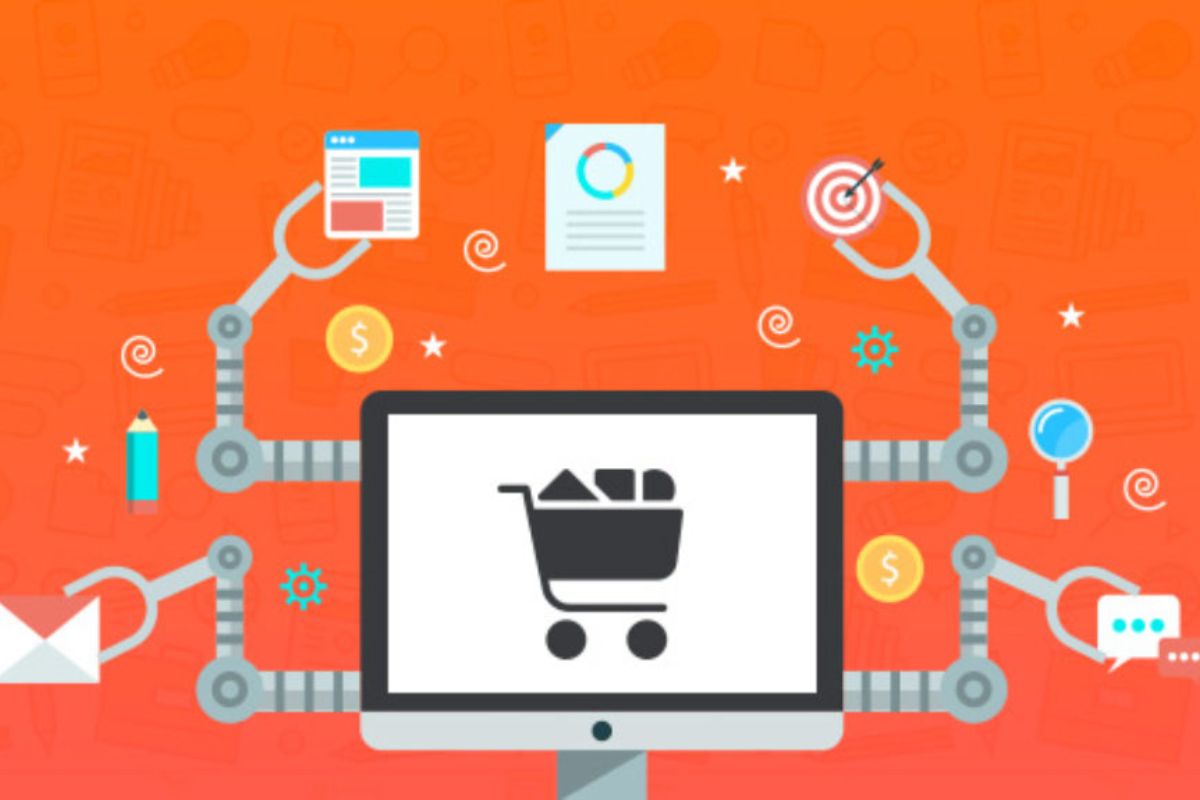
By carefully selecting automation tools aligned with business needs, implementing them strategically with proper integration and measurement, and continuously optimizing based on results, e-commerce businesses in India can build the operational foundation necessary for sustainable growth in an increasingly competitive and demanding marketplace. The investment in automation pays dividends through reduced errors, improved customer satisfaction, freed team capacity for strategic work, and the scalability to handle growth without proportional increases in operational complexity or costs.