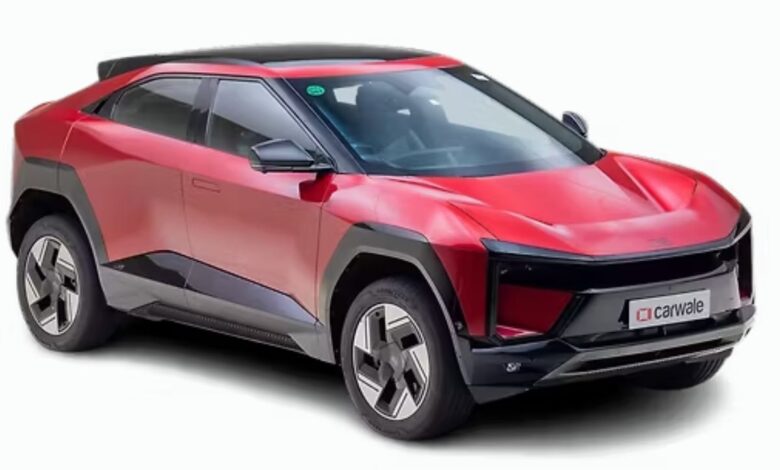
Introduction: India’s Electric Vehicle Revolution Reaches Critical Mass
India’s electric vehicle market has transformed dramatically in 2026, evolving from a niche experiment into a mainstream automotive segment that is fundamentally reshaping how Indians think about personal transportation. The convergence of multiple factors including rising fuel prices that have made petrol and diesel increasingly expensive, deteriorating urban air quality in major cities, substantial government incentives under schemes like FAME II, and most importantly, the arrival of genuinely compelling electric vehicles that match or exceed their petrol counterparts in features, performance, and total cost of ownership has created conditions where electric cars are no longer just environmentally conscious choices but smart financial decisions for millions of Indian families.
The year 2026 marks a watershed moment where electric cars have crossed into mass market acceptance. Industry data reveals that electric vehicle sales now represent approximately five percent of total passenger vehicle sales in India, up from negligible volumes just three years ago, with projections suggesting this could reach ten to fifteen percent by decade’s end.
This growth is being driven primarily by domestic manufacturers who have invested billions of rupees in developing India-specific electric platforms, battery technologies, and charging infrastructure that address the unique requirements of Indian consumers including affordability, range anxiety, charging convenience, and service network accessibility. International brands are also entering aggressively, bringing global electric vehicle expertise to the Indian market and creating healthy competition that benefits consumers through better products and competitive pricing.
1. Tata Nexon EV: The Undisputed Leader That Built India’s EV Market
The Tata Nexon EV stands as the vehicle that single-handedly proved electric cars could succeed in the Indian mass market. Since its launch in 2020, this compact electric SUV has sold over one hundred thousand units, making it India’s bestselling electric car by a substantial margin and establishing Tata Motors as the dominant force in Indian electric mobility. The current generation Nexon EV, which received a comprehensive update in late 2023, starts at rupees twelve point four nine lakh for the base Creative Plus variant with a thirty kilowatt-hour battery pack and extends to rupees seventeen point four nine lakh for the fully loaded Empowered Plus variant featuring the forty-five kilowatt-hour long-range battery.
What makes the Nexon EV so successful is its comprehensive package that addresses virtually every concern Indian buyers have about electric vehicles. The long-range variant delivers a certified range of four hundred fifty-three kilometers under ARAI testing conditions, which translates to approximately three hundred to three hundred fifty kilometers in real-world driving depending on conditions and driving style. This range eliminates anxiety for daily commuting and even enables weekend getaways to destinations within a couple hundred kilometers. The vehicle’s performance is genuinely impressive with zero to one hundred kilometer per hour acceleration achieved in under nine seconds, making it quicker than many petrol-powered SUVs in its segment while delivering the instant torque and smooth acceleration that characterizes electric vehicles.
The interior is where Tata has really elevated the Nexon EV above its petrol sibling. A twelve point three inch touchscreen infotainment system anchors the dashboard, paired with a fully digital instrument cluster that displays vehicle information, navigation, and charging data in clear, intuitive graphics.
The long-range variants feature a JBL audio system with nine speakers including a subwoofer that delivers premium sound quality. Safety is paramount with six airbags as standard across all variants, electronic stability control, hill hold assist, and comprehensive Advanced Driver Assistance Systems on higher trims including adaptive cruise control, lane keeping assist, automatic emergency braking, and blind spot monitoring. Tata recently announced a lifetime battery warranty for the forty-five kilowatt-hour battery pack on the Nexon EV, eliminating one of the biggest concerns buyers have about long-term electric vehicle ownership and providing unprecedented peace of mind.
The Nexon EV has established an extensive charging ecosystem with compatibility for both AC home charging using a seven point two kilowatt charger that fully charges the vehicle overnight and DC fast charging at public charging stations that can charge from twenty to eighty percent in approximately sixty minutes. The vehicle-to-load capability allows owners to use the car’s battery to power external devices including laptops, televisions, and even small appliances during power outages or while camping, essentially turning the car into a mobile power bank. For families seeking a practical, feature-rich, safe, and proven electric SUV that won’t break the bank, the Tata Nexon EV remains the gold standard in India’s electric vehicle market.
2. Tata Punch EV: Affordability Meets Advanced Technology
The Tata Punch EV represents the democratization of electric mobility in India, bringing advanced electric vehicle technology to a price point that makes it accessible to middle-class families who previously found electric cars prohibitively expensive. Launched in early 2024 and built on Tata’s new Acti.ev platform specifically designed for electric vehicles, the Punch EV starts at just rupees nine point nine nine lakh for the base Smart variant with a twenty-five kilowatt-hour battery and tops out at rupees fourteen point four four lakh for the fully loaded Empowered Plus variant with the thirty-five kilowatt-hour long-range battery.
This pricing makes it India’s most affordable feature-rich electric SUV and positions it competitively against petrol-powered micro SUVs while offering superior technology and lower operating costs.
The Punch EV is offered with two battery options that cater to different user needs and budgets. The medium-range variant with its twenty-five kilowatt-hour battery delivers eighty bhp and one hundred fourteen newton-meters of torque with a certified range of three hundred fifteen kilometers that translates to approximately two hundred to two hundred twenty kilometers in real-world city driving.
The long-range variant with the thirty-five kilowatt-hour battery bumps power to one hundred twenty bhp and torque to one hundred ninety newton-meters while extending range to four hundred twenty-one kilometers certified, or roughly three hundred to three hundred twenty kilometers in typical usage. This long-range variant can accelerate from zero to one hundred kilometers per hour in just nine point five seconds, making it surprisingly quick for an affordable electric vehicle.
The interior quality and feature content of the Punch EV punches well above its price point. Twin ten point two five inch screens dominate the dashboard with one serving as the digital instrument cluster and the other as the touchscreen infotainment system running Tata’s latest software with wireless Apple CarPlay and Android Auto, connected car features that allow remote climate control and charging status monitoring, and over-the-air update capability.
The vehicle features ventilated front seats that are rare at this price point, a panoramic sunroof, automatic climate control with air purifier and AQI display, six airbags as standard, three hundred sixty-degree camera with blind view monitoring, and regenerative braking with paddle shifters that allow the driver to adjust the level of brake energy recovery. The Punch EV achieved a five-star safety rating from Bharat NCAP, providing reassurance to safety-conscious families.
The compact dimensions make the Punch EV ideal for congested urban environments where parking is at a premium and narrow streets require nimble vehicles. The one hundred ninety millimeter ground clearance ensures it can handle India’s challenging road conditions including speed breakers, potholes, and uneven surfaces without scraping the underbody. Tata has equipped the Punch EV with both AC and DC charging capabilities, with the DC fast charging option allowing twenty to eighty percent charge in approximately sixty minutes using a fifty kilowatt charger. For buyers who primarily use their vehicle for city commuting and occasional highway trips, the Punch EV represents exceptional value by combining affordability with advanced features and genuine practicality.

3. Mahindra BE 6: The Performance Electric SUV Redefining Expectations
Mahindra’s BE 6 represents the Indian automaker’s bold entry into the premium electric vehicle segment with a product that challenges not just domestic competitors but also international luxury brands on technology, performance, and design. Built on Mahindra’s ground-up INGLO electric platform and powered by the MAIA artificial intelligence architecture that the company describes as the fastest automotive computing system in the world, the BE 6 starts at rupees eighteen point nine lakh for the base Pack One variant with fifty-nine kilowatt-hour battery and extends to rupees twenty-seven point six five lakh for the range-topping Pack Three variant with seventy-nine kilowatt-hour battery.
The BE 6’s design is genuinely distinctive with sharp lines, aggressive cuts and creases, flush door handles on the front doors with traditional handles integrated into the C-pillar on rear doors, and distinctive lighting signatures including LED projector headlights and C-shaped daytime running lights. The vehicle’s proportions with a length of four thousand three hundred seventy-one millimeters, width of one thousand nine hundred seven millimeters, and wheelbase of two thousand seven hundred seventy-five millimeters create a commanding road presence while maintaining maneuverability in urban environments.
The fifty-nine kilowatt-hour battery variant produces two hundred twenty-eight horsepower while the seventy-nine kilowatt-hour version bumps power to two hundred eighty-one horsepower, both delivering three hundred eighty newton-meters of torque. This enables zero to one hundred kilometer per hour acceleration in just six point seven seconds, making it one of the quickest SUVs in its price range regardless of powertrain.
The certified range of five hundred thirty-five kilometers for the smaller battery and six hundred eighty-two kilometers for the larger battery under Indian testing conditions represents genuine capability for long-distance travel, with real-world range typically between four hundred to five hundred kilometers depending on driving conditions.
The BE 6 supports ultra-fast charging at one hundred seventy-five kilowatt DC fast chargers that can charge from twenty to eighty percent in under twenty minutes, genuinely eliminating range anxiety for highway travel where such chargers are available along major routes. The vehicle features regenerative braking, three drive modes including Range for maximum efficiency, Everyday for balanced performance, and Race for maximum performance, plus an additional Boost mode that provides ten seconds of maximum torque for overtaking or spirited driving.
Inside, the BE 6 showcases Mahindra’s ambitions with dual twelve point three inch screens for the instrument cluster and infotainment display, augmented reality head-up display that projects navigation and vehicle information onto the windshield, sixteen-speaker Harman Kardon audio system with Dolby Atmos that creates immersive three-dimensional sound, ventilated and powered front seats with multiple adjustment options, panoramic glass roof, and Level 2 Plus ADAS with five radars and one vision camera enabling features like autonomous emergency braking, adaptive cruise control with stop-and-go, lane keeping assist with lane centering, blind spot monitoring, and even automated parking that can handle perpendicular, parallel, and angled parking plus remote controlled parking via smartphone.
The BE 6 represents Mahindra’s vision of electric vehicles as technology platforms that deliver not just transportation but comprehensive connected experiences that integrate with users’ digital lives.
4. Mahindra XEV 9e: Luxury Redefined Through Electric Innovation
The Mahindra XEV 9e serves as Mahindra’s flagship electric offering, positioned above the BE 6 with more premium positioning, luxurious interior, and elegant design language that emphasizes sophistication over the BE 6’s sporty aggression. Priced from rupees twenty-one point nine lakh to rupees thirty-one point two five lakh, the XEV 9e targets buyers seeking premium electric SUV experience without stepping into ultra-luxury territory occupied by German brands. The XEV 9e shares the INGLO platform and many mechanical components with the BE 6 including the same battery options of fifty-nine kilowatt-hour and seventy-nine kilowatt-hour, identical powertrain specifications, and similar performance figures including zero to one hundred kilometer per hour in six point eight seconds.
What differentiates the XEV 9e is its distinctive design and interior presentation. The exterior adopts an upright SUV silhouette with more traditional proportions compared to the BE 6’s aggressive coupe-like stance. The front features an illuminated Mahindra Infinity logo that the company will use specifically for its electric vehicles, connected LED daytime running lights, and an imposing grille-less front fascia. The side profile showcases character lines that emphasize the vehicle’s length and presence while dual-tone alloy wheels and gloss black cladding on wheel arches add premium touches. The rear features connected LED tail lights in an inverted U-shape and an illuminated Infinity logo on the tailgate.
The interior is where the XEV 9e truly distinguishes itself with what Mahindra calls the Wide Cinemascope configuration featuring three twelve point three inch screens spanning one hundred ten point zero eight centimeters across the dashboard, creating an immersive digital cockpit. This includes screens for the driver’s display, central touchscreen infotainment, and a dedicated passenger display that allows the front passenger to control entertainment, navigation, and climate functions independently.
The XEV 9e features LiveYourMood functionality with pre-set themes called Calm, Cozy, and Club that adjust ambient lighting, sound profiles with signature sonic tunes curated by composer AR Rahman, seat positioning, and climate control to create different cabin atmospheres. The EyeDentity driver and occupant monitoring system tracks driver fatigue and attention, doubles as a selfie camera, and enables video calling when stationary.
The XEV 9e includes Secure360 surveillance that uses the three hundred sixty-degree camera system and in-cabin camera to detect and record surroundings when the vehicle is parked, storing footage in the vehicle and providing live view via mobile app for security monitoring. Autopark uses twelve ultrasonic sensors to enable fully autonomous perpendicular, parallel, and angled parking with no driver input required, controlled via smartphone or key fob.
The XEV 9e received a five-star safety rating from Bharat NCAP and comes equipped with seven airbags as standard, Level 2 Plus ADAS with comprehensive active safety features, and vehicle-to-load capability. For buyers seeking the pinnacle of Mahindra’s electric vehicle technology in a package that emphasizes luxury, sophistication, and cutting-edge features, the XEV 9e represents compelling value compared to imported premium electric SUVs.
5. MG Windsor EV: The Crossover Redefining Electric Practicality
The MG Windsor EV entered the Indian market in late 2024 with a unique proposition combining spacious cabin packaging, innovative battery subscription model, and competitive pricing that has quickly made it one of India’s bestselling electric vehicles. Starting at rupees eleven point nine eight lakh and topping out at rupees fifteen point nine five lakh, the Windsor EV positions itself between affordable electric cars like the Punch EV and premium offerings like the Nexon EV’s top variants. What makes the Windsor EV particularly interesting is its battery subscription option where buyers can purchase the vehicle at a lower upfront cost and pay a monthly subscription for battery usage, reducing the initial financial barrier to electric vehicle ownership.
The Windsor EV is built on MG’s global electric vehicle architecture and features a fifty-one kilowatt-hour battery pack that delivers a certified range of three hundred thirty-two kilometers. While this range is lower than some competitors, MG has designed the Windsor EV specifically for urban and suburban use where daily driving rarely exceeds one hundred to one hundred fifty kilometers.
The vehicle’s strength lies in its interior space and practicality with a unique rear seat that reclines significantly, creating what MG calls “Infinity Lounge” seating that provides exceptional comfort for rear passengers on long journeys. The flat floor enabled by the electric platform architecture creates generous legroom, and the airy cabin with large windows and available panoramic glass roof makes the interior feel more spacious than the vehicle’s exterior dimensions suggest.
The Windsor EV features a fifteen point six inch touchscreen infotainment system, the largest screen MG has installed in any vehicle in India, running the company’s latest i-Smart software with wireless smartphone connectivity, connected car features, and navigation. An eight point eight inch digital driver’s display provides essential vehicle information in clear graphics. The vehicle comes equipped with automatic climate control, ventilated front seats, ambient lighting, powered tailgate, and comprehensive safety features including six airbags, electronic stability control, hill hold assist, and ADAS with adaptive cruise control and automatic emergency braking on higher variants. The Windsor EV supports DC fast charging that can charge from ten to eighty percent in approximately fifty-five minutes using a DC fast charger.
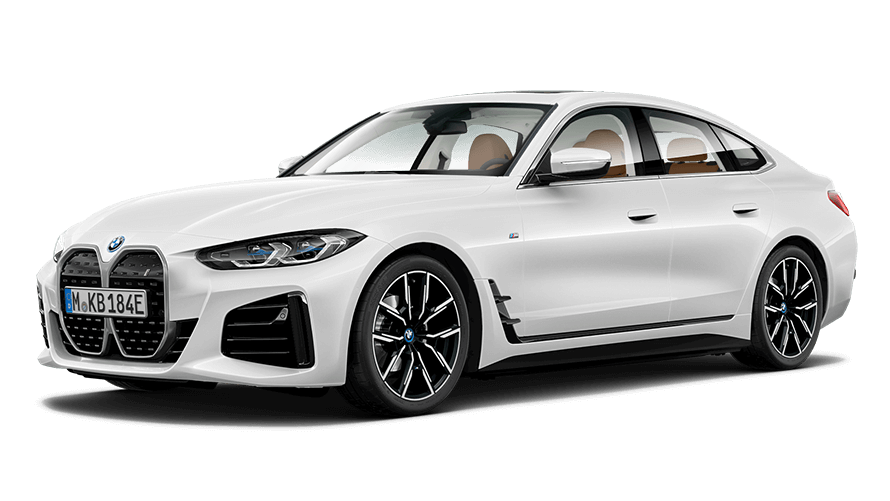
What makes the Windsor EV particularly appealing is MG’s understanding of Indian buyer concerns and its efforts to address them through features like the battery subscription model that reduces upfront costs and transfers battery degradation risk to the company, an extensive service network leveraging MG’s established dealership infrastructure, and competitive pricing that makes it accessible to a broad range of buyers. For families prioritizing interior space, comfort, and practical features over maximum range or performance, the Windsor EV represents an excellent choice that delivers genuine electric vehicle benefits at a reasonable price.
6. Tata Tiago EV: The Gateway Electric Car
The Tata Tiago EV holds the distinction of being India’s most affordable five-seater electric car, making it the entry point for many families making their first transition from petrol to electric vehicles. Priced from rupees seven point nine nine lakh to rupees eleven point eight nine lakh, the Tiago EV is based on the popular Tiago hatchback but features comprehensive electric vehicle-specific updates including a modified design, electric powertrain, and enhanced interior features. The vehicle is offered with two battery options including a nineteen point two kilowatt-hour battery delivering certified range of two hundred fifty kilometers and a twenty-four kilowatt-hour battery extending range to three hundred fifteen kilometers.
The Tiago EV may be Tata’s entry-level electric offering but it doesn’t compromise on essential features or safety. The vehicle features a seven-inch touchscreen infotainment system with smartphone connectivity, digital instrument cluster, automatic climate control, regenerative braking with two levels of adjustment, and comprehensive safety equipment including dual airbags as standard with four airbags available on higher variants, ABS with EBD, rear parking sensors, and ISOFIX child seat anchors. The permanent magnet synchronous motor delivers sixty-one horsepower and one hundred ten newton-meters of torque, providing adequate performance for city driving and highway cruising though acceleration is more leisurely than more powerful electric vehicles.
The Tiago EV’s compact dimensions with a length of just three thousand seven hundred seventy millimeters make it ideal for congested urban environments where parking is challenging and narrow streets are common. The one hundred seventy millimeter ground clearance is adequate for most road conditions though less than SUV rivals. The vehicle’s low center of gravity enabled by floor-mounted batteries actually improves handling and stability compared to the petrol Tiago. Charging is accomplished via AC home charging that fully charges the vehicle overnight or DC fast charging that can charge from ten to eighty percent in approximately sixty minutes for the larger battery.
For buyers seeking the most affordable entry into electric vehicle ownership, particularly those with modest daily commuting needs primarily within city limits, the Tiago EV represents exceptional value. The vehicle delivers the fundamental benefits of electric mobility including zero tailpipe emissions, low operating costs with electricity being significantly cheaper than petrol per kilometer traveled, smooth and quiet operation, and minimal maintenance requirements compared to petrol vehicles with their complex engines and exhaust systems. The Tiago EV proves that electric vehicles don’t need to be expensive to be effective transportation solutions.
7. MG Comet EV: The Ultra-Compact Urban Electric Solution
The MG Comet EV represents a unique proposition in the Indian market as an ultra-compact two-door electric vehicle designed specifically for dense urban environments where space is at an absolute premium. Priced from rupees six point three one lakh to rupees eight point eighty-two lakh, the Comet EV is among India’s most affordable electric vehicles though its quirky design, compact dimensions, and limited seating configuration make it appeal to a specific buyer demographic rather than mainstream families. The vehicle features a tiny seventeen point three kilowatt-hour battery pack that delivers a certified range of two hundred thirty kilometers, which translates to approximately one hundred sixty to one hundred eighty kilometers in real-world driving.
The Comet EV’s design is polarizing with some finding its boxy proportions and friendly face endearing while others consider it too unconventional for Indian tastes that generally favor traditional automotive styling. The vehicle measures just two thousand nine hundred seventy-four millimeters in length, one thousand five hundred five millimeters in width, and one thousand six hundred forty millimeters in height, making it one of the smallest cars sold in India and enabling parking in spaces where larger vehicles cannot fit. The interior accommodates four adults though rear passengers will find space tight, and the design emphasizes vertical space with tall roofline and upright seating creating adequate headroom despite compact footprint.
Features include a ten-inch touchscreen infotainment system, digital instrument cluster, automatic climate control, panoramic glass roof that makes the compact cabin feel more spacious and airy, and safety equipment including dual airbags, ABS with EBD, rear parking sensors, and ISOFIX anchors. The electric motor produces forty-one horsepower and one hundred ten newton-meters of torque, adequate for city speeds though highway performance is leisurely with top speed limited to one hundred five kilometers per hour. The Comet EV supports both AC and DC charging with DC fast charging capable of charging from ten to eighty percent in approximately sixty minutes.
The Comet EV is ideal for buyers who need an electric vehicle primarily for short urban commutes, have access to home charging, and value compact dimensions that make city driving and parking effortless over spaciousness or highway capability. For young professionals living in dense urban cores, for use as a second car for running errands and city driving while maintaining a larger vehicle for family travel, or for elderly drivers seeking easy-to-park and simple-to-operate transportation, the Comet EV offers compelling benefits despite its unconventional package.
8. Tata Curvv EV: The Stylish Electric Coupe-SUV
The Tata Curvv EV represents Tata Motors’ entry into the increasingly popular coupe-SUV segment, combining SUV practicality and ground clearance with coupe styling characterized by a sloping roofline that creates a distinctive silhouette. Priced from rupees seventeen point four nine lakh to rupees twenty-one point nine nine lakh, the Curvv EV positions itself in the premium electric SUV segment competing with vehicles like the Mahindra BE 6 and upcoming models from other manufacturers. The vehicle is offered with two battery options including a forty-five kilowatt-hour battery delivering certified range of five hundred two kilometers and a fifty-five kilowatt-hour battery extending range to five hundred eighty-five kilometers.
The Curvv EV’s design is its calling card with flowing lines, muscular proportions, distinctive lighting signatures including sequential turn indicators and connected LED tail lights, flush door handles, and aerodynamic elements that reduce drag and improve efficiency. The coupe roofline does compromise rear headroom compared to traditional SUVs though Tata has worked to minimize this through clever packaging and a scooped headliner. The vehicle’s four thousand three hundred eight millimeter length, two thousand five hundred sixty millimeter wheelbase, and one hundred ninety millimeter ground clearance create presence while maintaining maneuverability and capability on India’s varied road conditions.
The interior showcases Tata’s latest design language with a twelve point three inch touchscreen infotainment system, ten point two five inch digital instrument cluster, premium materials and finishes, ventilated front seats, powered driver seat with memory function, panoramic sunroof, ambient lighting with multiple color options, and comprehensive connected car features. The JBL audio system with nine speakers including subwoofer delivers premium sound quality. Safety equipment is comprehensive with six airbags as standard, all-wheel disc brakes, electronic stability control, Level 2 ADAS with adaptive cruise control, lane keeping assist, automatic emergency braking, blind spot monitoring, and three hundred sixty-degree camera system.
Performance is strong with the larger battery variant producing one hundred ninety bhp and three hundred fifty newton-meters of torque, enabling zero to one hundred kilometer per hour acceleration in under nine seconds. The vehicle offers multiple drive modes, regenerative braking with paddle shifters, and both AC and DC fast charging capability with the latter enabling twenty to eighty percent charge in approximately forty-five minutes using a sixty kilowatt charger. For buyers seeking distinctive styling combined with strong electric vehicle credentials, comprehensive features, and Tata’s proven electric vehicle expertise and service network, the Curvv EV represents a compelling choice in the premium electric SUV segment.
9. Hyundai Ioniq 5: Global Excellence Meets Indian Market
The Hyundai Ioniq 5 brings Korean automotive giant Hyundai’s global electric vehicle expertise to India with a product that represents the cutting edge of electric mobility technology, design, and features. Priced from rupees forty-five lakh to rupees fifty-five lakh, the Ioniq 5 positions itself in the premium to luxury electric SUV segment competing with vehicles like the Mercedes-Benz EQA, BMW iX1, and Volvo XC40 Recharge. The vehicle is built on Hyundai’s dedicated Electric-Global Modular Platform that was designed from the ground up for electric vehicles, enabling packaging innovations and capabilities impossible with converted petrol platforms.
The Ioniq 5’s design is distinctive and futuristic with sharp lines, parametric pixel LED lighting inspired by early digital aesthetics, clamshell hood that spans the full width of the vehicle, and a long wheelbase with short overhangs creating unique proportions. The vehicle measures four thousand six hundred thirty-five millimeters in length with a three thousand millimeter wheelbase that creates exceptional interior space and enables features like sliding and reclining rear seats with significant adjustment range. The flat floor and clever packaging create a cabin that feels closer to a large sedan or MPV than a typical SUV.
The interior is where the Ioniq 5 truly impresses with premium materials, minimalist design philosophy, dual twelve-inch displays for instrumentation and infotainment, augmented reality head-up display, relaxation seats that recline nearly flat for front passengers, vehicle-to-load capability through external outlets in the cabin and cargo area that can power external devices or even other electric vehicles, and comprehensive safety features including eight airbags, Level 2 ADAS with highway driving assist that enables semi-autonomous operation on highways, and vehicle-to-vehicle charging that allows the Ioniq 5 to charge other electric vehicles.
The seventy-two point six kilowatt-hour battery delivers a certified range of approximately six hundred thirty-one kilometers under Indian testing conditions, among the longest ranges available in India’s electric vehicle market. The dual-motor all-wheel-drive variant produces three hundred five horsepower enabling zero to one hundred kilometer per hour in just five point one seconds, making it one of the quickest SUVs available in India regardless of powertrain.
Perhaps most impressively, the Ioniq 5 supports ultra-fast charging at three hundred fifty kilowatt DC fast chargers where available, enabling charging from ten to eighty percent in just eighteen minutes, genuinely eliminating range anxiety for long-distance travel. For buyers seeking the absolute cutting edge of electric vehicle technology with global design, premium features, and performance that rivals or exceeds luxury performance SUVs, the Hyundai Ioniq 5 represents the pinnacle of what electric mobility can deliver in the Indian market in 2026.
10. Hyundai Creta Electric: Mainstream Electric SUV Excellence
The Hyundai Creta Electric represents the electrification of India’s bestselling midsize SUV, bringing electric mobility to the segment that accounts for the largest volume of SUV sales in the Indian market. Launched in January 2026, the Creta Electric is priced from rupees seventeen point nine nine lakh to rupees twenty-four point seven lakh, positioning it competitively against vehicles like the Tata Curvv EV and Mahindra BE 6. The vehicle is offered with two battery options including a forty-two kilowatt-hour battery delivering certified range of approximately three hundred ninety kilometers and a fifty-one point four kilowatt-hour long-range battery extending range to five hundred ten kilometers.

The Creta Electric maintains the design language of the popular petrol and diesel Creta models but features electric vehicle-specific updates including a closed-off grille, parametric pixel LED lighting that has become Hyundai’s electric vehicle signature, aerodynamic alloy wheels, and subtle badging that identifies it as an electric variant. The familiar design is intentional as Hyundai recognizes that Creta buyers appreciate the vehicle’s established styling and want electric propulsion without radical design departures that might appear too futuristic or unconventional.
The interior features comprehensive equipment including dual ten point two five inch displays for instrumentation and infotainment, Hyundai’s latest Bluelink connected car technology, wireless smartphone charging, ventilated front seats, powered driver seat, panoramic sunroof, ambient lighting, premium Bose audio system on higher variants, and Level 2 ADAS with features including adaptive cruise control with stop-and-go capability, lane keeping assist with lane centering, blind spot collision avoidance assist, and highway driving assist. Safety is comprehensive with six airbags as standard, all-wheel disc brakes, electronic stability control, hill start assist, and ISOFIX child seat anchors.
The electric motor produces one hundred thirty-five horsepower in the base battery variant and one hundred seventy-one horsepower in the long-range variant, both delivering instant torque and smooth acceleration characteristic of electric vehicles. The Creta Electric supports DC fast charging that can charge from ten to eighty percent in approximately fifty-eight minutes for the larger battery using a fifty kilowatt charger. For buyers seeking the familiarity and proven appeal of the Creta combined with electric propulsion, zero emissions, lower operating costs, and advanced features, the Creta Electric represents Hyundai’s bet that mainstream buyers are ready to embrace electric mobility when it’s delivered in familiar, trusted packages rather than radical departures from established automotive norms.
Conclusion: The Electric Future Has Arrived in India
India’s electric vehicle market in 2026 represents a remarkable transformation from the nascent, uncertain market that existed just five years ago. The ten vehicles profiled in this analysis demonstrate the diversity of offerings now available to Indian buyers spanning price points from rupees six lakh to over rupees fifty lakh, size categories from ultra-compact city cars to spacious SUVs, range capabilities from two hundred to over six hundred kilometers, and feature sets from basic transportation to cutting-edge technology platforms.
What unites these vehicles is their demonstration that electric mobility is no longer a compromise or sacrifice but often delivers superior experiences compared to petrol alternatives through instant torque and smooth acceleration, quieter operation, lower running costs with electricity cheaper than petrol per kilometer, minimal maintenance with far fewer moving parts than internal combustion engines, and increasingly comprehensive charging infrastructure that makes electric vehicle ownership practical even for buyers without dedicated home charging.
The challenges facing electric vehicle adoption in India remain real including the higher upfront purchase price compared to equivalent petrol vehicles though this gap is narrowing, charging infrastructure that remains unevenly distributed with major cities well served but smaller towns and rural areas lacking adequate public charging, range anxiety particularly for buyers who regularly undertake long-distance travel beyond electric vehicle ranges, and concerns about battery longevity and replacement costs though warranties like Tata’s lifetime battery warranty are addressing these fears. However, the trajectory is unmistakably positive with every passing month bringing new model launches, infrastructure expansion, technological improvements, and price reductions that make electric vehicles increasingly compelling.
For buyers considering electric vehicles in 2026, the message is clear: there has never been a better time to make the transition. The diversity of offerings ensures there is an electric vehicle suitable for virtually every use case, budget, and preference from compact city cars to spacious family SUVs, from affordable entry-level options to premium technology showcases.
The expanding charging infrastructure, improving service networks, proven reliability of established models like the Nexon EV, and comprehensive warranties provided by manufacturers all reduce the risks historically associated with electric vehicle ownership. The electric vehicle revolution in India is no longer coming, it has arrived, and the vehicles profiled in this analysis represent the vanguard of a transportation transformation that will fundamentally reshape how Indians move through their lives in the decades ahead.