India stands at the cusp of a remarkable transformation in electric mobility, with the electric vehicle charging market reaching approximately 1.56 million charging units in 2025 and growing at a projected compound annual growth rate that positions it among the fastest-expanding infrastructure markets globally. However, the physical chargers themselves represent only one dimension of this revolution.
Behind every charging station, every fleet of electric vehicles, and every seamless charging experience lies sophisticated software infrastructure that orchestrates the complex dance of energy management, payment processing, charger monitoring, and user experience optimization. These Software-as-a-Service platforms have emerged as the invisible nervous system of India’s electric vehicle ecosystem, enabling charge point operators to manage thousands of chargers efficiently, helping fleet operators maximize vehicle uptime while minimizing energy costs, and providing individual electric vehicle owners with the convenience they need to confidently embrace electric mobility.
Understanding these platforms requires recognizing that electric vehicle charging infrastructure faces unique challenges that traditional fuel distribution never encountered. Unlike petrol pumps where fuel flows at predictable rates and transactions are simple, electric vehicle charging involves variable charging speeds, complex pricing structures that may change based on time of day or grid demand, the need to manage power distribution across multiple simultaneous charging sessions to avoid overwhelming electrical infrastructure, and the integration of renewable energy sources and battery storage systems.
Software-as-a-Service platforms address these challenges by providing charge point operators, fleet managers, original equipment manufacturers, and other stakeholders with the digital tools necessary to deploy, monitor, optimize, and monetize charging infrastructure at scale.
1. IONAGE: Building India’s Unified Charging Ecosystem
IONAGE Technologies has positioned itself as a transformative force in India’s electric mobility landscape by creating what it describes as a neutral, purpose-built platform that connects electric vehicle owners, charge point operators, original equipment manufacturers, fleets, and communities through unified software solutions. The platform has experienced remarkable growth, serving over 100,000 users and partnering with 32 local and global enterprises by early 2026, demonstrating both the breadth of its capabilities and the trust it has earned within the industry.
In June 2025, IONAGE announced a strategic partnership with Hindustan Petroleum Corporation Limited to integrate more than 5,000 chargers from the energy giant into its platform, significantly expanding accessibility to public electric vehicle charging across India. This integration exemplifies IONAGE’s core value proposition: creating a single, comprehensive platform where electric vehicle owners can discover, access, and pay for charging across multiple charging networks without managing separate applications for each provider.
The technical foundation of IONAGE rests on its robust Charge Management System platform that offers comprehensive capabilities for charge point operators. The platform supports both Open Charge Point Protocol version 1.6J and Open Charge Point Interface versions 2.1.1 and 2.2.1, ensuring compatibility with a wide range of charging hardware while enabling interoperability between different charging networks.
For charge point operators, this means they can monitor real-time status, trends, and availability of chargers and sessions, manage user roles and permissions to control access to specific platform modules, implement sophisticated tariff management that maintains unit prices for electric vehicle charging, deploy over-the-air firmware updates that upgrade charger software remotely without physical site visits, and track revenue while monitoring payouts and generating detailed operational reports.
IONAGE’s strategic importance became even more pronounced through its partnership with Exicom Tele-Systems Limited, announced in March 2025. Exicom, which has deployed approximately 175,000 chargers nationwide and stands as one of India’s leading electric vehicle charging manufacturers, integrated its extensive charging solutions with IONAGE’s platform to create what both companies describe as a unified electric vehicle charging ecosystem.
Under this memorandum of understanding, charge point operators, fleet operators, original equipment manufacturers, and real estate developers gain access to optimized charging infrastructure powered by real-time insights, remote diagnostics, and predictive maintenance capabilities. These features deliver higher charger uptime, reduce operational costs, and facilitate scalable deployment, addressing critical concerns that have historically impeded the expansion of electric vehicle charging networks.
Beyond its charge management capabilities, IONAGE offers specialized products for different stakeholder groups within the electric vehicle ecosystem. IONAGE Nexus serves as the central platform for charge point operators to manage their entire electric vehicle charging business, tracking users, monitoring charging sessions, and controlling access with sophisticated tools. IONAGE Flo creates a curated marketplace linking charge point operators and fleet operators, making it easier for these parties to discover each other, connect based on geographic proximity and capacity needs, and respond to charging demands with tailored solutions.
For electric vehicle owners, the IONAGE App functions as the ultimate charging companion, allowing users to find public chargers, plan routes that account for charging stops, manage charging at home or on the go, and pay seamlessly across different charging networks through a single application. The platform also enables original equipment manufacturers to integrate real-time electric vehicle charging data into vehicle systems and navigation maps, boosting driver accessibility and confidence.
IONAGE’s ambitious vision extends beyond current operations. The company has outlined plans to enable over 100,000 charging points and help more than 10,000 small and medium-sized businesses enter the electric vehicle charging sector by 2028, democratizing access to what has traditionally been a capital-intensive industry dominated by large operators. This focus on empowering smaller businesses aligns with India’s broader economic development priorities while accelerating the deployment of charging infrastructure in underserved areas where large operators may find individual investments economically challenging.
2. Bolt.Earth: Scaling India’s Largest Charging Network
Bolt.Earth has achieved remarkable scale by establishing itself as India’s largest electric vehicle charging network operator, with over 100,000 chargers deployed and counting as of early 2026. However, the company’s significance extends beyond the physical chargers it operates. Bolt.Earth has developed comprehensive Software-as-a-Service solutions that power its own extensive network while also enabling other businesses, workplaces, and fleet operators to deploy and manage their own charging infrastructure. The company’s integrated approach combines hardware provision, installation services, and ongoing software management into a complete package that reduces the complexity and technical expertise required to enter the electric vehicle charging business.
The platform’s software capabilities address the full lifecycle of charging infrastructure deployment and operation. For site hosts considering electric vehicle charging installations, Bolt.Earth’s planning tools help identify optimal locations, determine appropriate charger quantities and types, and model financial returns based on expected usage patterns. The installation process has been streamlined dramatically, with the company reducing typical installation time from eight days to just 72 hours through refined procedures and experienced technical teams. This rapid deployment capability proves crucial for businesses seeking to quickly respond to electric vehicle adoption trends or meet regulatory requirements for charging infrastructure provision.
Once charging stations are operational, Bolt.Earth’s central management platform provides comprehensive oversight and control. Site hosts can monitor real-time usage across all their chargers, track energy consumption by individual station and aggregate it across depot groups or organizational divisions, and set energy policies that optimize costs by shifting charging to off-peak hours when electricity rates are lower. The platform’s automated power distribution ensures that available electrical capacity is allocated efficiently across multiple simultaneous charging sessions, preventing circuit overloads while maximizing the number of vehicles that can charge concurrently. These load management capabilities prove particularly valuable for businesses operating depot charging facilities where many fleet vehicles return simultaneously for overnight charging.
Raghav Bharadwaj, chief executive officer and founder of Bolt.Earth, characterized 2025 as a consolidation phase for India’s electric mobility ecosystem where the focus shifted from early adoption experiments to reliable, everyday charging availability. This observation reflects a broader maturity in the market where electric vehicle owners increasingly expect charging to work as seamlessly as refueling conventional vehicles, and businesses investing in charging infrastructure demand operational reliability and positive returns on investment. Bolt.Earth’s software platform addresses these expectations through features like predictive maintenance alerts that identify potential charger failures before they impact users, customer support integration that provides real-time assistance through the mobile application, and comprehensive analytics that help operators understand usage patterns and optimize their infrastructure investments.
The company’s roadmap for 2026 demonstrates continued ambition, with plans to install 20,000 advanced chargers featuring smart capabilities such as real-time availability displays, app-based payment processing, and artificial intelligence-optimized fast charging. These partnerships with automakers and real estate developers aim to make electric vehicle charging as fast and convenient as refueling at traditional petrol pumps, eliminating one of the primary psychological barriers to electric vehicle adoption. For businesses and institutions, Bolt.Earth offers not just technology but a complete pathway to participating in India’s green mobility transition while generating revenue from underutilized parking spaces and electrical capacity.

3. Numocity: White-Label Solutions for Global Reach
Numocity has carved a distinctive niche within India’s electric vehicle infrastructure landscape by focusing on white-label solutions that empower charging network operators to create branded charging experiences while leveraging Numocity’s sophisticated technical infrastructure. This approach recognizes that many organizations, whether they are utilities, petroleum companies expanding into electric mobility, automotive manufacturers, or property developers, desire the benefits of operating charging networks without investing resources to develop proprietary software platforms from scratch. Numocity’s white-label model allows these operators to launch professional, fully-featured charging networks that carry their own brand identity while the underlying technology, maintenance, and continuous improvement remains Numocity’s responsibility.
The company’s recognition by Forbes India and D Globalist as one of 200 select companies with global business potential in the Digital Global Emerging Markets and Startups awards of 2023, along with receiving the Company of the Year award, validates its technological sophistication and growth trajectory. These accolades reflect not just current capabilities but the platform’s potential to expand beyond India into other emerging markets facing similar electric vehicle infrastructure challenges. Numocity’s software architecture is designed for international deployment, supporting multilingual interfaces, diverse payment methods and currencies, varying regulatory frameworks across different jurisdictions, and integration with region-specific utility pricing structures.
Numocity’s Charge Point Management System provides operators with comprehensive tools to create and manage branded charging networks efficiently. The platform emphasizes ease of use, allowing operators without deep technical expertise to configure charging stations, set pricing policies, manage user accounts, and monitor network performance through intuitive dashboards. For electric vehicle owners, Numocity powers consumer-facing mobile applications that deliver seamless experiences for discovering charging locations, planning routes that incorporate necessary charging stops, making future reservations to guarantee charger availability during peak periods, and choosing from various secure payment methods including digital wallets, credit cards, and prepaid accounts.
One of Numocity’s most significant achievements came through its partnership with Gentari India to launch a roaming hub that gives Gentari Go users access to a wide network of charge point operators. This roaming capability addresses a fundamental challenge in electric vehicle charging where different operators historically maintained separate, incompatible networks requiring electric vehicle owners to manage multiple applications and payment accounts.
By enabling roaming, Numocity allows electric vehicle owners to access chargers across multiple operators through a single application, with billing consolidated through their primary charging service provider. For charge point operators, roaming expands the potential customer base for their infrastructure, as travelers passing through their coverage area can easily access and pay for charging even if they normally use a different primary charging network.
Numocity’s advanced energy management system represents another critical component of its value proposition, particularly for operators managing large charging installations. The system enables effortless operations through automated scheduling and power distribution, implements smart fault handling that detects and responds to equipment failures or grid disturbances, provides real-time monitoring across all connected chargers with immediate alerts for anomalies, and delivers data insights through comprehensive analytics that inform both operational decisions and strategic planning. The platform’s intelligent load management optimizes power distribution across charging sessions, while seamless roaming integration ensures that visiting electric vehicle owners experience the same convenience as regular users of the network.
4. Kazam: Smart Energy Management and Rapid Expansion
Kazam Energy has emerged as a significant force in India’s electric vehicle charging infrastructure sector by combining hardware manufacturing with sophisticated software platforms for charging management and energy optimization. In December 2025, the company secured 6 million dollars in fresh funding, reflecting investor confidence in its integrated approach to addressing India’s electric vehicle infrastructure needs. The capital injection enables Kazam to accelerate its mission of establishing India’s largest network of electric vehicle charging stations while advancing its smart and affordable solutions for electric bikes, scooters, cars, and commercial fleets.
In January 2025, Kazam unveiled its Low Electric Vehicle Direct Current Fast Charger designed specifically for two-wheelers and three-wheelers, delivering 6 to 12 kilowatts of output power. This product launch demonstrates Kazam’s understanding that India’s electric vehicle transition is being led by two-wheeler and three-wheeler segments where affordability and fast charging capabilities prove critical for commercial viability. Alongside the hardware launch, Kazam introduced an Energy Management System specifically designed for electric bus hubs, addressing the unique challenges of depot charging where large numbers of buses must be charged overnight within constrained time windows and electrical capacity limits.
Kazam’s software platform emphasizes smart charging management that goes beyond basic charger control to optimize energy consumption, reduce operational costs, and ensure fleet readiness. For depot operators managing electric bus or truck fleets, the Energy Management System provides sophisticated load balancing that distributes available electrical capacity across charging vehicles based on departure schedules and current battery states of charge. This intelligent orchestration ensures that vehicles needed earliest receive charging priority while preventing simultaneous charging of all vehicles that could trigger expensive utility demand charges or overwhelm site electrical infrastructure.
The platform’s fault detection and remote troubleshooting capabilities significantly reduce the operational burden of managing distributed charging infrastructure. When chargers experience malfunctions or communication failures, the system immediately alerts operators with detailed diagnostic information, often enabling remote resolution without dispatching technicians for on-site interventions. This capability proves particularly valuable for charging networks spanning multiple cities or rural areas where technical personnel may not be readily available. Kazam claims that its monitoring tools help operators achieve uptime rates exceeding 98 percent, substantially higher than industry averages and critical for commercial fleet operators where charging unavailability directly translates to lost revenue.
Kazam’s customer behavior analytics provide charge point operators with insights into usage patterns, peak demand periods, and charging session durations. These analytics inform both tactical decisions like adjusting pricing during peak periods to smooth demand and strategic planning such as identifying locations where additional charging capacity would generate strong returns. For fleet operators, the platform tracks individual vehicle charging patterns, identifies vehicles requiring maintenance based on abnormal charging behavior, and provides reporting tools for allocating charging costs across different departments or cost centers within organizations.
5. ChargeZone: Integrated Technology with Renewable Energy Focus
ChargeZone has distinguished itself within India’s electric vehicle charging landscape through its fully integrated approach that combines software-driven systems, hardware manufacturing, and renewable energy capabilities into comprehensive solutions. The company has established a substantial physical presence with more than 1,500 charging stations and 2,700 charge points deployed nationwide as of early 2026, creating both a retail charging network for individual electric vehicle owners and business-to-business solutions for fleet electrification. ChargeZone’s annual revenue reached approximately 61.1 crore rupees as of March 2025, demonstrating the commercial viability of integrated electric vehicle infrastructure provision.
ChargeZone’s technology platform emphasizes accessibility, community empowerment, and sustainable practices as core enablers for driving electric vehicle adoption across India. The company operates through dual channels that address different market segments with tailored approaches. For fleet electrification on the business-to-business side, ChargeZone provides complete charging solutions that include hardware installation, software management platforms, and ongoing operational support for commercial operators managing cars, buses, or delivery vehicles. For inter-city retail electric vehicle charging serving individual consumers, the company deploys fast-charging stations along major highways and in urban centers, making long-distance electric vehicle travel increasingly practical.
In January 2025, ChargeZone announced a significant partnership with Exicom Tele-Systems Limited to develop and deploy over 500 future-ready, high-power electric vehicle charging stations including installations integrated with renewable energy sources. Under this collaboration, Exicom develops and supplies ultra-high-power charging solutions leveraging its design-led manufacturing capability and homegrown software stack for remote charger management, while ChargeZone deploys these solutions at its expanding network of charging hubs and public locations. The companies outlined building greener charging stations as a top priority, with plans to extensively deploy renewable energy-supported installations that reduce the carbon footprint of electric vehicle charging.
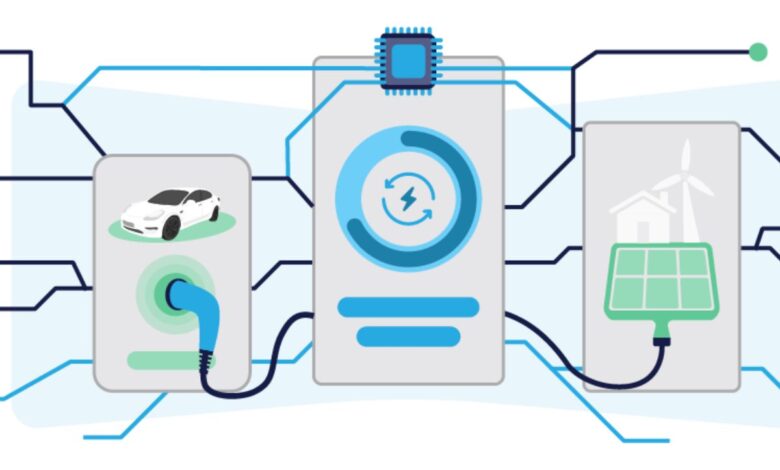
Exicom’s flagship Harmony Boost solution forms a key cornerstone of this partnership, providing battery energy storage system-integrated charging that ensures faster and more reliable charging while optimizing energy use and reducing peak grid loads. This battery-buffered approach allows charging stations to store excess energy during periods of low demand or high renewable generation, then release that energy during peak charging periods without drawing proportionally from the grid. For charge point operators, this capability reduces exposure to expensive utility demand charges that are based on peak power draw rather than total energy consumed. For the electrical grid, distributed battery storage at charging locations provides valuable flexibility that can help balance renewable energy intermittency.
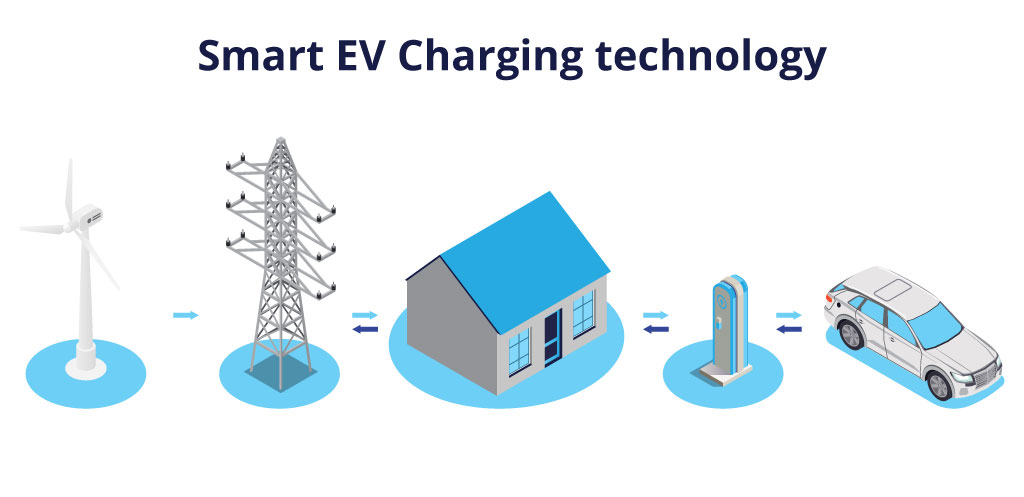
ChargeZone’s software platform manages the complex orchestration required to operate renewable energy-integrated charging stations effectively. The system monitors real-time grid electricity prices, solar panel or wind turbine generation at renewable-equipped sites, battery storage states of charge, and incoming charging demand to make moment-by-moment decisions about energy sourcing. During periods when renewable generation exceeds immediate charging demand and battery storage has capacity, excess energy is stored rather than exported to the grid. When charging demand peaks or renewable generation drops, the system seamlessly draws from battery storage to supplement grid power, reducing both costs and grid stress. This intelligent energy management represents the future of sustainable electric vehicle charging where the act of refueling produces minimal additional carbon emissions.

6. Statiq: Network Scale with Smart Features
Statiq has established itself as a leading provider of electric vehicle charging solutions in India through aggressive network expansion combined with software innovation that enhances the charging experience for electric vehicle owners while providing charging station hosts with comprehensive management capabilities. The company operates over 7,000 electric vehicle chargers deployed across 63 cities throughout India as of early 2026, making it one of the nation’s largest charging networks measured by geographic coverage and charger count.
Akshit Bansal, chief executive officer and founder of Statiq, articulated the company’s ambitious growth target of installing 25,000 electric vehicle charging stations by the end of 2024, a goal that reflects both the rapid pace of electric vehicle adoption and Statiq’s determination to maintain leadership within this expanding market.
Statiq’s software platform emphasizes creating a seamless user experience that matches the convenience electric vehicle owners expect from traditional refueling. The mobile application provides comprehensive functionality including locating nearby charging stations with real-time availability information, navigating to selected charging locations with integrated mapping, initiating and monitoring charging sessions directly through the smartphone application, and processing payments through multiple methods including digital wallets, credit cards, and prepaid accounts. This end-to-end digital experience eliminates the friction of managing physical payment cards or dealing with non-functional payment terminals that have frustrated electric vehicle owners at some charging networks.
For businesses and institutions hosting Statiq charging stations, the platform provides white-label solutions that allow organizations to offer charging services under their own brand while leveraging Statiq’s technical infrastructure and operational expertise. This approach proves particularly attractive for hotels, shopping centers, corporate campuses, and residential complexes that want to provide electric vehicle charging as an amenity for guests, customers, or residents without building internal technical capabilities. The white-label model allows these hosts to customize the user-facing application with their branding, set their own pricing policies within parameters that ensure operational sustainability, and access detailed analytics about charging patterns and revenue generation.
Statiq’s vision for 2026 centers on deploying advanced chargers with smart features that further enhance convenience and charging speed. The planned installations will incorporate real-time availability displays that show open charging spots before electric vehicle owners arrive, app-based payment systems that enable seamless transactions, and artificial intelligence-optimized fast charging that adjusts charging parameters based on vehicle battery condition, ambient temperature, and grid capacity to maximize charging speed while preserving battery health. These partnerships with automakers create opportunities for deeper integration where vehicles can communicate directly with charging infrastructure to negotiate optimal charging parameters, reserve charging slots in advance, and provide drivers with highly accurate estimates of charging time required to reach desired battery levels.
Statiq has forged partnerships with major ride-hailing platforms and original equipment manufacturers including MERU, Lithium Urban Technologies, BluSmart Mobility, Ather Energy, MG Motor, and Mahindra & Mahindra. These collaborations ensure that electric vehicle owners across multiple brands and use cases can rely on Statiq’s network for their charging needs. The company has also established partnerships with premium hospitality brands including Ascot Hospitality, Savoy Group, The Surya, and Crowne Plaza to install charging stations at hotel properties, addressing the needs of both hotel guests traveling in electric vehicles and local electric vehicle owners seeking convenient charging locations in commercial areas.
7. Exicom: Hardware Excellence with Software Integration
Exicom Tele-Systems Limited occupies a unique position within India’s electric vehicle infrastructure ecosystem as both a leading manufacturer of electric vehicle charging hardware and a provider of sophisticated software solutions for charging management and operations. The company’s installed base of approximately 175,000 chargers worldwide, with significant deployments across India, Southeast Asia, the Middle East, United States, and Europe, demonstrates its scale and technical capabilities. In December 2025, Exicom launched Exicom One, described as an end-to-end electric vehicle charging deployment solution for charge point operators and electric vehicle manufacturers that integrates hardware, software, and managed services into a single comprehensive offering.
Exicom One represents the company’s evolution from a component supplier toward a complete solutions provider capable of handling every aspect of charging infrastructure deployment and operation. The offering encompasses site planning that identifies optimal locations and designs electrical infrastructure, civil work and electrical integration to prepare sites for charger installation, firmware and software deployment to enable charger functionality and connectivity, and ongoing operation and maintenance to ensure continued reliability and performance. This turnkey approach appeals to charge point operators who want to focus on business development and customer relationships rather than managing complex technical deployments across multiple vendor relationships.
The strategic rationale behind Exicom One reflects the reality that successful electric vehicle charging operations require what the company describes as complex orchestration across civil work, electrical systems, firmware, software, and ongoing operations. Many charge point operators, particularly newer entrants attracted by government incentives and growing electric vehicle adoption, lack the internal expertise to manage these diverse technical domains effectively. By providing a single partner relationship for site planning through ongoing operation, Exicom reduces deployment complexity, accelerates time to market, and provides clear accountability when issues arise.
Exicom’s collaboration with IONAGE, formalized through a memorandum of understanding announced in March 2025, demonstrates the company’s commitment to interoperability and open standards within the electric vehicle charging ecosystem. Under this partnership, Exicom’s charging hardware integrates seamlessly with IONAGE’s robust Charge Management System platform, allowing charge point operators to choose best-in-class components from different vendors rather than being locked into single-vendor ecosystems. This integration provides charge point operators, fleet operators, original equipment manufacturers, and real estate developers with access to real-time insights, remote diagnostics, and predictive maintenance capabilities that improve charger uptime while reducing operational costs.
Exicom’s homegrown software stack for remote management of electric vehicle chargers emphasizes reliability, security, and comprehensive functionality. The platform monitors charger health continuously, detecting potential failures through analysis of charging session data, power consumption patterns, and communication link quality. When anomalies are identified, the system generates alerts with diagnostic information that often enable remote resolution through software resets, configuration adjustments, or firmware updates deployed over the air. For issues requiring physical intervention, the system provides technicians with detailed fault information that accelerates troubleshooting and repair.
8. Gaadin: White-Label Platform for Charge Point Operators
Gaadin has positioned itself as a provider of white-label electric vehicle charging management software solutions specifically designed to help charge point operators and charging network owners run and scale their operations effectively. The platform bundles comprehensive Charge Management System capabilities with consumer-facing mobile applications for both iOS and Android platforms, enabling charge point operators to launch professionally branded charging services without investing resources to develop proprietary software from scratch. This white-label approach recognizes that many organizations entering the electric vehicle charging sector possess expertise in real estate, energy, retail, or other domains but lack the specialized software development capabilities required to create and maintain sophisticated charging platforms.
Gaadin’s white-label model provides charge point operators with fully customizable software that carries their brand identity throughout the customer journey from discovery through payment and post-charging support. The mobile applications can be published under the operator’s name in app stores, use the operator’s color schemes and logos, and integrate with the operator’s customer service systems. This branding continuity proves important for organizations that view electric vehicle charging as an extension of existing customer relationships, whether those are hotel guests, shopping center visitors, residential tenants, or corporate employees.
The technical capabilities underlying Gaadin’s platform address the full spectrum of requirements for operating charging networks at scale. For charge point operators, the Charge Management System provides centralized oversight of all deployed chargers regardless of geographic distribution, real-time monitoring of charging sessions including power delivery rates and session durations, user management tools that control access permissions and payment methods, tariff configuration that implements complex pricing structures based on time of day, location, charging speed, and customer segment, and revenue management that tracks income, manages operator payouts for third-party sites, and generates financial reports.
Gaadin’s consumer-facing applications emphasize ease of use and reliability, addressing common frustrations electric vehicle owners experience with some charging networks. The charger discovery function shows nearby charging stations with real-time availability information, filtering options based on connector types and charging speeds, and turn-by-turn navigation to selected locations. Session initiation can be accomplished through multiple methods including scanning QR codes at chargers, selecting from a map interface within the application, or using radio-frequency identification cards for frequent users who prefer physical authentication tokens. Payment processing supports diverse methods including credit cards, digital wallets, prepaid accounts that users fund in advance, and subscription plans that provide unlimited or discounted charging for fixed monthly fees.
The platform’s analytics capabilities provide charge point operators with insights that inform both operational improvements and strategic expansion decisions. Usage analytics show patterns in charging session timing, durations, and energy consumption that help operators understand customer behavior and identify opportunities for additional capacity deployment. Revenue analytics break down income by location, charger, time period, and customer segment, enabling operators to identify their most profitable assets and customer groups. Equipment performance analytics track charger uptime, fault frequencies, and maintenance costs, informing decisions about equipment replacement or vendor relationships.
9. RoadGrid: Integrated Hardware and Software Innovation
RoadGrid has distinguished itself within India’s electric vehicle charging sector through its dual-revenue business model that combines manufacturing and selling charging hardware with owning and operating public and commercial charging stations. In January 2026, the startup secured 120 million rupees in funding that will be deployed across three strategic priorities: expanding manufacturing capacity to meet existing orders and anticipated future demand, upgrading backend software platforms that help operators monitor usage and detect faults early, and rolling out additional charging stations for urban and commercial applications.
RoadGrid’s hardware portfolio demonstrates versatility by supporting electric two-wheelers, three-wheelers, and passenger cars through different charger models optimized for each vehicle category. This broad compatibility positions RoadGrid well within the Indian market where electric vehicle adoption is occurring across multiple vehicle segments simultaneously, each with distinct charging requirements and use patterns. Two-wheeler and three-wheeler owners typically need lower-power charging that can occur overnight at home or during work shifts for commercial vehicles, while passenger car owners increasingly demand fast-charging capabilities that enable mid-trip recharging during longer journeys.
The company’s backend software platform addresses critical operational challenges that charging station operators face when scaling beyond a handful of chargers. Real-time monitoring provides visibility into each charger’s operational status, current charging sessions, energy delivery rates, and any fault conditions requiring attention. This comprehensive oversight enables operators managing hundreds or thousands of chargers across multiple cities to quickly identify and address issues rather than discovering problems only when frustrated customers report non-functional chargers.
Early fault detection represents a particularly valuable capability that can dramatically reduce downtime and maintenance costs. The platform continuously analyzes operational data from chargers including communication patterns, power delivery consistency, connector locking mechanisms, and payment system responsiveness. When patterns emerge that suggest impending failures, even if the charger is currently functional, the system generates predictive maintenance alerts that allow operators to schedule proactive repairs during low-demand periods rather than responding to emergency failures during peak usage times. This predictive approach minimizes customer impact while reducing maintenance costs by enabling planned service rather than emergency responses.
Customer behavior analytics help charging station operators understand utilization patterns and optimize their networks for better financial performance and customer satisfaction. The platform tracks metrics including average session duration, peak usage times, customer return frequency, and payment method preferences. These insights inform decisions about pricing structures, identifying locations where additional chargers would relieve congestion during peak periods, and recognizing underutilized chargers where marketing initiatives or pricing adjustments might increase usage.
10. Pulse Energy: Virtual Charging Networks for Fleet Management
Pulse Energy has developed a distinctive approach within India’s electric vehicle infrastructure sector by focusing on virtual charging networks specifically designed for fleet operations. Rather than owning and operating physical charging infrastructure, Pulse Energy creates software platforms that aggregate access to park and charge hubs, public fast chargers, home charging solutions, and other distributed charging resources into unified virtual networks that fleet operators can access through single billing relationships and management interfaces.
This virtual network model addresses several challenges that fleet operators face when transitioning to electric vehicles. Traditional fleet vehicles could refuel at any branded or independent fuel station with simple credit card payments and straightforward expense reconciliation. Electric vehicle charging proves more complex because different charging networks may require separate user accounts, have incompatible payment systems, use different pricing structures, and provide varying levels of service quality and reliability. Pulse Energy’s platform abstracts away this complexity by providing fleet operators with unified access to diverse charging resources while handling authentication, payment, and expense allocation behind the scenes.
Fraud prevention represents a critical component of Pulse Energy’s value proposition for fleet operators. When fleet vehicles use company-provided fuel cards at traditional petrol pumps, preventing unauthorized use proves relatively straightforward through vehicle identification validation and geographic restrictions.
Electric vehicle charging creates new fraud vectors because charging sessions typically occur at locations where vehicles are parked for extended periods without direct oversight, charging can be initiated through smartphone applications rather than physical cards, and charging speeds and costs vary dramatically based on charger types and usage patterns. Pulse Energy’s platform implements sophisticated fraud detection that flags suspicious charging patterns, verifies that charging sessions align with vehicle locations and movements, and provides detailed auditing capabilities that help fleet managers identify and address misuse.
Emissions tracking functionality addresses the growing importance of environmental reporting for corporate fleet operators. Many organizations have established sustainability commitments that include reducing greenhouse gas emissions from transportation, and electric vehicle adoption represents a primary strategy for achieving these goals. However, accurately quantifying emissions reductions from fleet electrification requires tracking not just that vehicles used electricity instead of petroleum but also accounting for the carbon intensity of the electrical grid at specific times and locations where charging occurred. Pulse Energy’s platform integrates grid carbon intensity data, charging session timing and location information, and vehicle efficiency metrics to calculate accurate emissions figures that fleet operators can include in sustainability reports and carbon accounting.
The Infrastructure Behind India’s Electric Revolution
These ten software platforms represent the technological foundation enabling India’s transition toward electric mobility at scale. While physical chargers capture public and media attention as the visible manifestation of charging infrastructure, the software systems orchestrating charger operations, managing energy flows, processing payments, and optimizing network performance prove equally critical to creating the seamless, reliable charging experience that electric vehicle adoption requires. The platforms profiled here address diverse market segments and employ different business models, yet all share the common purpose of making electric vehicle charging more accessible, affordable, and dependable for Indian consumers and businesses.
India’s aspiration to reach 30 percent electric vehicle penetration by 2030 depends fundamentally on charging infrastructure availability and reliability. Government policies including the Prime Minister Electric Drive Revolution in Innovative Vehicle Enhancement scheme provide crucial financial support with a budget of approximately 1.23 billion United States dollars, but converting this policy support into deployed, operational charging infrastructure requires the sophisticated software platforms that these companies provide. As the market continues its rapid expansion from 26,000 charging stations currently to the nearly 3 million stations industry estimates suggest will be needed by 2030, the role of infrastructure software will only grow in importance.
The competitive dynamics within this sector reflect a healthy diversity of approaches ranging from hardware manufacturers like Exicom and Kazam building software capabilities to complement their physical products, pure software companies like IONAGE and Gaadin focusing exclusively on platform provision, and integrated operators like Bolt.Earth and Statiq combining network ownership with software development. This diversity benefits the market by providing options for different customer needs while driving innovation through competition. The numerous partnerships announced throughout 2025 and early 2026 demonstrate industry recognition that collaboration, open standards, and interoperability serve the collective interest of accelerating electric vehicle adoption even as companies compete for market share.
For entrepreneurs, investors, and established companies evaluating opportunities within India’s electric vehicle ecosystem, understanding these software platforms and the critical roles they perform provides essential context for strategic decision-making. The transition to electric mobility represents not merely a substitution of electric motors for internal combustion engines but a fundamental reimagining of transportation infrastructure where software, data, and connectivity prove as important as physical hardware in delivering value to customers and enabling profitable operations.