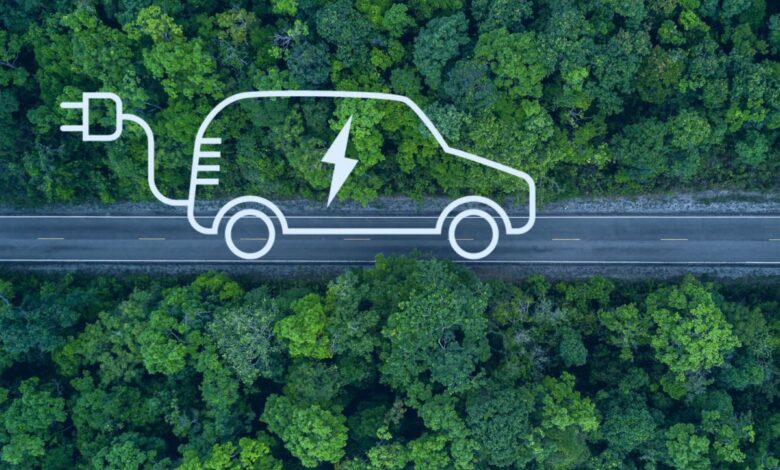
India’s electric vehicle infrastructure landscape has reached a critical inflection point in 2026, transitioning from experimental deployments to large-scale, commercially viable operations that are reshaping urban mobility and logistics across the nation. The country currently operates approximately 26,000 public charging stations, yet industry projections indicate a staggering requirement of nearly three million stations by 2030 to support the government’s ambitious electrification targets.
This massive infrastructure gap represents both an extraordinary challenge and an unprecedented business opportunity for innovative startups that are pioneering solutions to make electric vehicle charging as ubiquitous, convenient, and affordable as traditional fuel distribution. These infrastructure companies are not merely installing charging hardware but are creating comprehensive ecosystems that integrate smart energy management, renewable power sources, sophisticated software platforms, payment systems, and customer service networks to deliver seamless experiences for electric vehicle owners while generating sustainable returns for investors and site hosts.
The electric vehicle charging market in India reached 1.56 million charging units in 2025 and continues growing at one of the world’s fastest rates, fueled by supportive government policies including the Prime Minister Electric Drive Revolution in Innovative Vehicle Enhancement scheme with its approximately 1.23 billion dollar budget, aggressive state-level incentives, and rapidly declining battery costs that are making electric vehicles economically competitive with conventional alternatives.
However, the physical availability of reliable charging infrastructure remains the single most significant barrier to mass electric vehicle adoption, as consumers cite range anxiety and charging inconvenience as primary concerns that prevent them from transitioning away from internal combustion engines. The startups profiled in this comprehensive analysis have emerged as the critical enablers addressing these infrastructure challenges through technological innovation, creative business models, strategic partnerships, and aggressive capital deployment.
1. Bolt.Earth: India’s Largest Charging Network Operator
Bolt.Earth has established itself as India’s undisputed leader in electric vehicle charging infrastructure, having deployed over 100,000 chargers across the country by early 2026 and continuing to expand at a remarkable pace. The company’s founder and chief executive officer, Raghav Bharadwaj, characterized 2025 as a consolidation phase for India’s electric mobility ecosystem where the industry shifted focus from early experimental deployments to ensuring reliable, everyday charging availability that electric vehicle owners can depend upon. This strategic emphasis on operational reliability rather than merely expanding charger counts has proven successful in building user trust and repeat usage patterns that create sustainable network effects benefiting both Bolt.Earth and the broader electric vehicle ecosystem.
The startup has dramatically reduced installation timelines from the industry standard of eight days down to just 72 hours through refined processes, experienced technical teams, and streamlined coordination with electrical utilities and site hosts. This rapid deployment capability allows businesses seeking to add electric vehicle charging amenities to respond quickly to tenant demands, regulatory requirements, or competitive pressures without enduring lengthy installation delays that might cause them to postpone or abandon electrification plans. For fleet operators transitioning to electric vehicles, Bolt.Earth’s speed means that charging infrastructure can be deployed in parallel with vehicle procurement rather than requiring sequential planning that extends transition timelines.
Bolt.Earth’s comprehensive platform addresses the entire lifecycle of charging infrastructure from initial site assessment and planning through ongoing operations and maintenance. The company’s software provides site hosts with real-time visibility into charger utilization patterns, energy consumption tracking by individual station or aggregated across organizational divisions, and automated power distribution that prevents electrical overloads while maximizing the number of simultaneous charging sessions. These load management capabilities prove particularly valuable for businesses operating depot charging facilities where many fleet vehicles return simultaneously for overnight charging, as intelligent power allocation ensures all vehicles receive adequate charging without requiring expensive electrical service upgrades.
The company’s ambitious roadmap for 2026 includes deploying 20,000 advanced chargers featuring smart capabilities such as real-time availability displays visible through mobile applications before drivers arrive, app-based payment processing that eliminates the need for physical cards or cash handling, and artificial intelligence-optimized fast charging that adjusts charging parameters based on vehicle battery condition, ambient temperature, and available grid capacity to maximize charging speed while preserving long-term battery health. These partnerships with automakers create opportunities for deeper integration where vehicles can communicate directly with charging infrastructure to negotiate optimal charging parameters, reserve charging slots in advance, and provide drivers with highly accurate estimates of charging time required to reach desired battery levels.
2. Statiq: Comprehensive Network with Premium Partnerships
Statiq operates over 7,000 electric vehicle chargers deployed across 63 cities throughout India as of early 2026, representing one of the nation’s largest charging networks measured by both geographic coverage and charger count. The company’s founder and chief executive officer, Akshit Bansal, identified smart government policies including subsidies and incentives coupled with a growing nationwide trend toward clean and sustainable mobility as the primary drivers propelling India’s electric vehicle sector forward throughout 2025. This policy support has created favorable conditions for private sector infrastructure investment by reducing financial risks and improving returns on charging infrastructure deployments.
Statiq’s strategic approach emphasizes creating seamless user experiences that match the convenience electric vehicle owners expect from traditional refueling. The company’s mobile application provides comprehensive functionality including locating nearby charging stations with real-time availability information that shows which chargers are currently occupied or available, navigating to selected charging locations with integrated mapping and traffic-aware routing, initiating and monitoring charging sessions directly through smartphones without requiring separate authentication cards, and processing payments through multiple methods including digital wallets, credit cards, and prepaid accounts that users fund in advance for discounted rates.
The startup has forged partnerships with major ride-hailing platforms and original equipment manufacturers including MERU, Lithium Urban Technologies, BluSmart Mobility, Ather Energy, MG Motor, and Mahindra & Mahindra, ensuring that electric vehicle owners across multiple brands and use cases can rely on Statiq’s network for their charging needs. These collaborations create network effects where more vehicles using the platform attract additional charging infrastructure investments, which in turn makes the network more attractive to additional electric vehicle buyers considering whether adequate charging infrastructure exists to support their anticipated usage patterns.
Statiq has also established partnerships with premium hospitality brands including Ascot Hospitality, Savoy Group, The Surya, and Crowne Plaza to install charging stations at hotel properties. These installations address the needs of both hotel guests traveling in electric vehicles who require overnight charging and local electric vehicle owners seeking convenient charging locations in commercial areas with amenities including restaurants, shopping, and entertainment that make charging sessions productive rather than wasted waiting time. The company articulated an ambitious goal of installing 25,000 electric vehicle charging stations by the end of 2024, demonstrating commitment to aggressive expansion that keeps pace with accelerating electric vehicle adoption.
For businesses and institutions hosting Statiq charging stations, the platform provides white-label solutions that allow organizations to offer charging services under their own brand while leveraging Statiq’s technical infrastructure and operational expertise. This approach proves particularly attractive for hotels, shopping centers, corporate campuses, and residential complexes that want to provide electric vehicle charging as an amenity without building internal technical capabilities, hiring specialized staff, or managing relationships with multiple technology vendors. The white-label model allows hosts to customize user-facing applications with their branding, set pricing policies within parameters ensuring operational sustainability, and access detailed analytics about charging patterns and revenue generation.

3. SUN Mobility and Indofast Energy: Battery Swapping Innovation
SUN Mobility represents a fundamentally different approach to electric vehicle infrastructure by focusing on battery swapping rather than traditional charging, addressing one of the most significant barriers to electric vehicle adoption in commercial applications where downtime for charging directly reduces earning potential for drivers and fleet operators. Founded in 2017 as a joint venture between SUN Group and Maini Group under the leadership of Chetan Maini, who previously founded Reva that became Mahindra Electric, and Uday Khemka, Vice Chairman of SUN Group, the company has raised 135 million dollars in funding from prominent investors including Bosch, Helios Climate Ventures, and Private Infrastructure Development Group, achieving a valuation of 213 million dollars.
The company’s innovative technology separates battery ownership from vehicles through an energy-as-a-service model where fleet operators and individual vehicle owners pay only for energy consumed rather than purchasing expensive batteries upfront. This separation addresses the high upfront cost barrier that prevents many potential electric vehicle buyers from making the transition, as batteries typically represent 35 to 40 percent of total vehicle cost. SUN Mobility deploys Smart Batteries that are smaller, modular, and importantly interoperable across different vehicle platforms and form factors including two-wheelers, three-wheelers, and increasingly heavy commercial vehicles, creating economies of scale and operational flexibility that single-vehicle-type solutions cannot match.
The company’s Quick Interchange Stations enable two-minute battery swaps that eliminate the multi-hour downtime associated with conventional charging, a critical advantage for commercial vehicle operators whose business models depend on maximizing time generating revenue rather than waiting for batteries to charge. With over 65 swap points across 14 cities in India by 2021, and aggressive expansion plans announced since then, SUN Mobility has powered over 400,000 rides covering more than six million kilometers, pioneering the roadmap for battery swapping infrastructure that industry experts increasingly recognize as essential for heavy commercial vehicle electrification where battery sizes and charging times make conventional charging impractical.
In 2025, SUN Mobility’s joint venture with Indian Oil Corporation, operating as Indofast Energy, launched an innovative franchise program offering entrepreneurs and business owners potential annual returns of up to 30 percent for operating battery swapping stations. The franchise initiative aims to dramatically expand access to electric vehicle charging and battery swapping infrastructure through a low-investment business model requiring minimum space of approximately 250 square feet and investment ranging from 10 lakh to 40 lakh rupees. This democratization of infrastructure ownership allows small business owners, petrol pump operators, and entrepreneurs to participate in the electric mobility transition while generating new revenue streams from underutilized real estate.
Indofast Energy currently operates more than 200 franchise partner stations across over 12 cities with focused expansion planned for Tier-I and Tier-II cities including Jaipur, Mumbai, Pune, Bengaluru, Hyderabad, and Chennai. The company’s ambitious target of establishing 10,000-plus stations by 2027 would create one of the world’s largest battery swapping networks, fundamentally changing the economics and convenience of electric vehicle ownership in India. The company has also announced plans to deploy approximately 300 solar-powered battery swapping kiosks, integrating renewable energy generation directly into infrastructure operations to reduce both operating costs and the carbon footprint of electric vehicle charging, moving toward a truly sustainable mobility ecosystem.
4. Battery Smart: Two and Three Wheeler Swapping Specialist
Battery Smart has carved out a focused niche within India’s electric vehicle infrastructure ecosystem by concentrating exclusively on battery swapping technology for two-wheelers and three-wheelers, the vehicle segments experiencing the most rapid electric vehicle adoption in India and representing the largest addressable market for battery swapping infrastructure. Founded in 2019 by Pulkit Khurana and Siddharth Sikka, the New Delhi-based startup allows customers to swap electric vehicle batteries at its stations rather than waiting for traditional charging, addressing the critical challenge that commercial vehicle operators face where charging downtime directly reduces income-earning potential.
The company’s network has grown remarkably since beginning operations in June 2020, now operating more than 175 live battery swapping stations across Delhi, Gurgaon, and Noida. Battery Smart has completed over seven lakh battery swaps and services more than 2,500 electric two-wheelers and three-wheelers daily as of early 2026, demonstrating both the viability and necessity of battery swapping infrastructure in urban areas where space for charging stations remains limited and time proves valuable for commercial vehicle operators working on extremely thin profit margins. This daily throughput validates the business model and confirms that commercial vehicle operators value the ability to swap depleted batteries for fully charged ones in minutes rather than accepting multi-hour charging breaks that reduce daily earnings.
Battery Smart’s target customer segment consists primarily of electric rickshaw owners and commercial two-wheeler operators including delivery personnel working for e-commerce and food delivery platforms. These vehicle owners operate businesses where every rupee matters and cannot afford extended downtime for charging that would prevent them from accepting ride requests or delivery assignments during peak demand periods when earnings potential reaches its maximum. The ability to quickly exchange batteries allows these operators to maintain productivity throughout their shifts, fundamentally improving the economics of electric vehicle operation compared to conventional charging approaches that require multi-hour breaks.
The strategic partnership between Battery Smart and Zypp Electric, announced in 2024, exemplifies how different players within the electric vehicle ecosystem are collaborating to create comprehensive solutions rather than competing across all dimensions. Under this partnership agreement, 2,000 Zypp Electric two-wheelers have been integrated onto Battery Smart’s network, allowing Zypp’s delivery fleet to access battery swapping stations across the National Capital Region. This collaboration enables both companies to leverage their respective strengths, with Zypp focusing on fleet management and vehicle deployment while Battery Smart concentrates on charging infrastructure and energy management, creating value for both organizations and their shared customers.
Battery Smart’s infrastructure approach represents an asset-light model for fleet operators who can expand vehicle numbers without incurring large capital expenditures associated with batteries and charging equipment. The subscription-based or pay-per-swap pricing model makes electric vehicle adoption financially accessible for individual operators and small fleet owners who might otherwise be priced out of the electric mobility market by the high upfront costs of vehicle ownership including expensive lithium-ion batteries. This democratization of access to electric mobility infrastructure supports broader social goals of economic inclusion while simultaneously expanding the addressable market for electric vehicles.
5. ChargeZone: Renewable Energy Integration Leader
ChargeZone has distinguished itself within India’s electric vehicle charging landscape through its fully integrated approach combining software-driven systems, hardware manufacturing, and renewable energy capabilities into comprehensive solutions that address both infrastructure deployment and environmental sustainability. The company has established substantial physical presence with more than 1,500 charging stations and 2,700 charge points deployed nationwide as of early 2026, creating both a retail charging network for individual electric vehicle owners and business-to-business solutions for fleet electrification. ChargeZone’s annual revenue reached approximately 61.1 crore rupees as of March 2025, demonstrating commercial viability and sustainable unit economics.
In January 2025, ChargeZone announced a transformative partnership with Exicom Tele-Systems Limited to develop and deploy over 500 future-ready, high-power electric vehicle charging stations including installations integrated with renewable energy sources. Under this collaboration, Exicom develops and supplies ultra-high-power charging solutions leveraging its design-led manufacturing capability and homegrown software stack for remote charger management, while ChargeZone deploys these solutions at its expanding network of charging hubs and public locations. The companies identified building greener charging stations as a top priority, with plans to extensively deploy renewable energy-supported installations that reduce the carbon footprint of electric vehicle charging, ensuring that the environmental benefits of electric vehicles extend beyond zero tailpipe emissions to encompass the entire energy supply chain.
Exicom’s flagship Harmony Boost solution forms a key cornerstone of this partnership, providing battery energy storage system-integrated charging that ensures faster and more reliable charging while optimizing energy use and reducing peak grid loads. This battery-buffered approach allows charging stations to store excess energy during periods of low demand or high renewable generation, then release that energy during peak charging periods without drawing proportionally from the electrical grid. For charge point operators, this capability reduces exposure to expensive utility demand charges based on peak power draw rather than total energy consumed, potentially transforming charging operations from marginally profitable to highly attractive businesses.
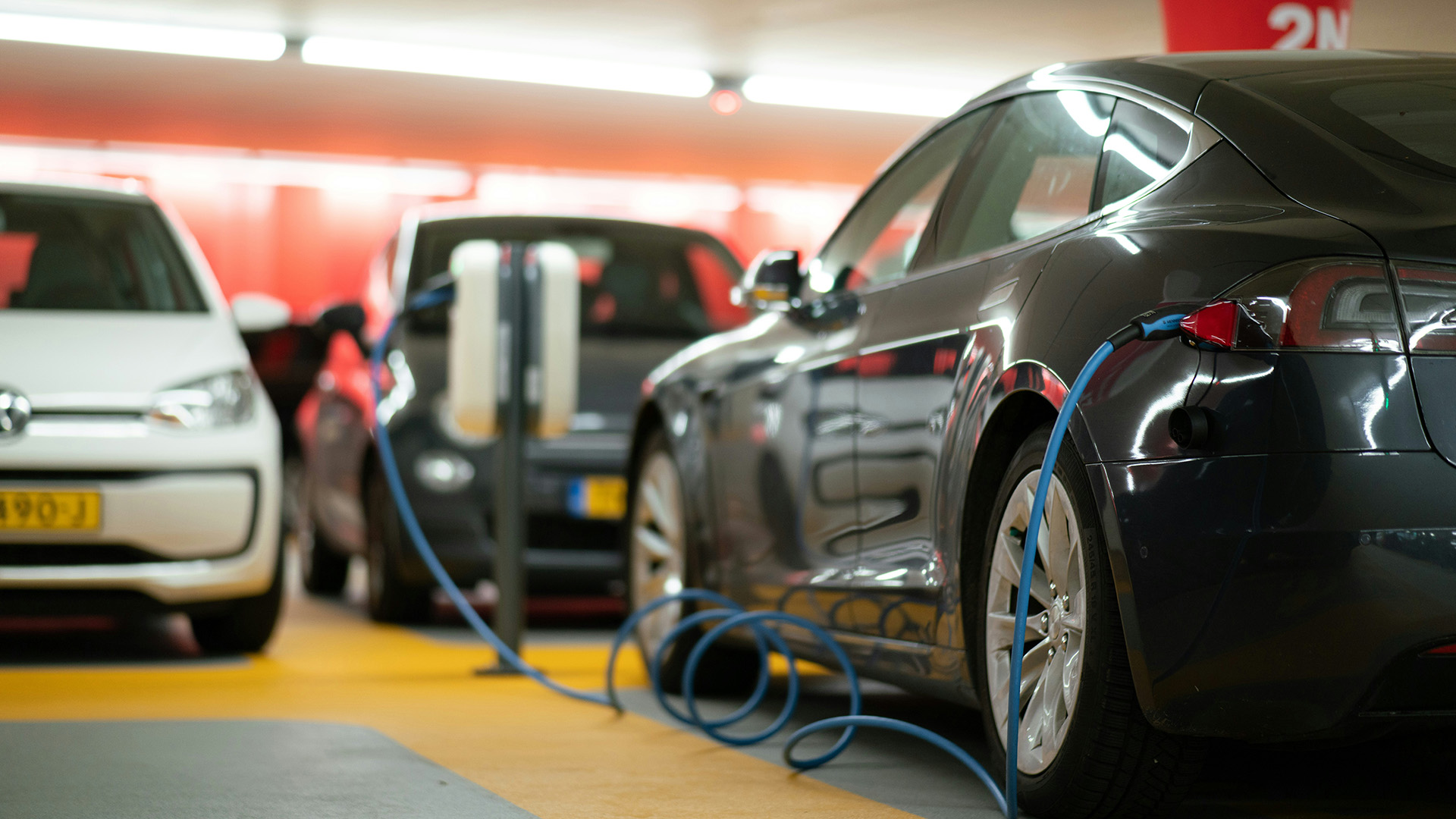
ChargeZone’s software platform manages the complex orchestration required to operate renewable energy-integrated charging stations effectively, monitoring real-time grid electricity prices, solar panel or wind turbine generation at renewable-equipped sites, battery storage states of charge, and incoming charging demand to make moment-by-moment decisions about energy sourcing and allocation. During periods when renewable generation exceeds immediate charging demand and battery storage has available capacity, excess energy is stored rather than exported to the grid at unfavorable rates. When charging demand peaks or renewable generation drops below requirements, the system seamlessly draws from battery storage to supplement grid power, reducing both operational costs and grid stress while maximizing utilization of clean energy resources.
The company operates through dual channels addressing different market segments with tailored approaches. For fleet electrification on the business-to-business side, ChargeZone provides complete charging solutions including hardware installation, software management platforms, and ongoing operational support for commercial operators managing cars, buses, or delivery vehicles. For inter-city retail electric vehicle charging serving individual consumers, the company deploys fast-charging stations along major highways and in urban centers, making long-distance electric vehicle travel increasingly practical and reducing range anxiety that has historically deterred potential electric vehicle buyers.
6. RoadGrid: Universal Charging with Patented Technology
RoadGrid has emerged as an innovative force within India’s electric vehicle charging sector through its development of patented universal electric vehicle chargers that work across different vehicle types and use cases, addressing a fundamental market fragmentation that has increased infrastructure costs and complexity. In January 2026, the startup announced raising 120 million rupees in a pre-Series A funding round led by early-stage investor Venture Catalysts, with participation from strategic and angel investors including Kamal Puri of Skyline Group of Companies, IPV, FAAD Network, Let’s Venture, Vrinda Goel of Pace Group, Haresh Patel of Arthanomics, and Maneesh Shrivastav of Alpha Value.
RoadGrid follows a dual-revenue business model that supplies charging hardware to electric vehicle manufacturers and fleet operators while simultaneously earning recurring revenue from public and commercial charging stations that the company owns and operates. This diversified approach allows RoadGrid to benefit from both equipment sales providing upfront capital recovery and long-term infrastructure usage generating predictable recurring cash flows, creating balanced risk-return profiles attractive to investors seeking exposure to India’s electric vehicle infrastructure buildout. The equipment sales business provides validation of technology quality and market acceptance while the network operations business captures ongoing value from infrastructure investments.
The new funding will be deployed across three strategic priorities that address different aspects of scaling the business. Manufacturing capacity will be expanded to meet existing orders and accommodate anticipated future demand as electric vehicle adoption accelerates. The company will also upgrade its backend software platform that helps operators monitor charger usage patterns, detect equipment faults early through predictive analytics, and analyze customer behavior to optimize network operations and identify high-potential locations for additional infrastructure deployment. In parallel, RoadGrid plans to roll out additional charging stations for urban and commercial applications, expanding geographic coverage and increasing network density in existing markets to improve convenience for electric vehicle owners.
RoadGrid’s universal charger technology addresses a key challenge in India’s electric vehicle ecosystem where different vehicle categories including two-wheelers, three-wheelers, and passenger cars require different charging standards and power levels, historically making charging stations expensive and operationally complex to operate. RoadGrid’s solution offers single chargers compatible with multiple vehicle types, reducing equipment costs by eliminating the need to purchase and install separate chargers for each vehicle category, simplifying maintenance by standardizing components and reducing spare parts inventory requirements, and allowing drivers to access the same network regardless of vehicle type, improving utilization rates and customer satisfaction.
Dr. Apoorva Ranjan Sharma, Founder and Managing Partner of Venture Catalysts, emphasized that India’s electric vehicle transition stands at an inflection point where charging infrastructure will serve as the backbone of transformation. He noted that RoadGrid is building a rare combination of deep-tech hardware innovation, scalable software platforms, and on-ground execution capability, with patented universal chargers and integrated platforms addressing real market gaps across vehicle categories and use cases. This comprehensive approach spanning technology development, manufacturing, software, and operations positions RoadGrid to capture value across the electric vehicle infrastructure value chain.
7. Magenta Mobility: Integrated Electric Logistics Ecosystem
Magenta Mobility has positioned itself as one of India’s largest electric mobility providers for three-wheel electric vehicles across seven cities, delivering electrified last-mile delivery logistics while also operating over 20 charging and parking hubs in these urban centers. Founded in 2018, the company has raised 41.5 million dollars across seven funding rounds from 61 investors, achieving annual revenue of 83.1 crore rupees as of March 31, 2025, and employing 292 people as of July 2025. Magenta ranks first among 50 active competitors in terms of total funding, demonstrating investor confidence in its integrated approach to electric mobility.
Magenta pursues an ecosystem strategy providing solutions to all stakeholders including customers, driver partners, original equipment manufacturers, and financiers rather than focusing narrowly on single aspects of the electric vehicle value chain. The company enters into business-to-business contracts with customers including some of India’s largest e-commerce, food delivery, and online logistics companies such as Amazon India, which has publicly stated its commitment to inducting 10,000 electric vehicles to its fleet by 2025 as part of sustainability initiatives to minimize environmental impact of operations. These corporate partnerships provide stable, predictable demand that supports infrastructure investments and fleet expansion.
The company’s integrated offering spans vehicle provision, charging infrastructure, fleet management technology, and driver support services, creating comprehensive solutions that address all operational requirements for businesses transitioning delivery operations to electric vehicles. This full-stack approach eliminates the complexity of coordinating multiple vendors for vehicles, charging equipment, software platforms, and maintenance services, accelerating adoption by reducing implementation friction. For corporate customers focused on core business operations rather than building electric vehicle expertise, Magenta’s turnkey solutions prove particularly attractive.
Magenta’s charging and parking hubs serve dual purposes as infrastructure for the company’s own fleet operations and as revenue-generating assets available to other electric vehicle operators in surrounding areas. This dual-use model improves infrastructure utilization rates while generating additional revenue streams that enhance return on infrastructure investments. The hubs incorporate intelligent energy management, maintenance facilities, driver amenities, and security features that create premium charging experiences compared to basic public chargers, potentially commanding pricing premiums that improve financial performance.
In 2025, Magenta announced enrollment of delivery executives in India’s e-Shram Program, demonstrating commitment to worker welfare and formalization of gig economy employment. The company also partnered with Montra Electric to expand electric vehicle use in logistics applications, leveraging complementary capabilities to accelerate market penetration. Under the leadership of current chief executive officer Maxson Lewis, who founded two additional companies, Magenta continues pursuing its mission to electrify and decarbonize freight transportation across India through adaptable electric mobility solutions combining technology, vehicles, infrastructure, and services.
8. Exicom Tele-Systems: Manufacturing Scale with Software Integration
Exicom Tele-Systems occupies a unique position within India’s electric vehicle infrastructure ecosystem as both a leading manufacturer of charging hardware and a provider of sophisticated software solutions for charging management and operations. The company’s installed base of approximately 175,000 chargers worldwide with significant deployments across India, Southeast Asia, the Middle East, United States, and Europe demonstrates its manufacturing scale and technical capabilities. In December 2025, Exicom launched Exicom One, described as an end-to-end electric vehicle charging deployment solution for charge point operators and electric vehicle manufacturers integrating hardware, software, and managed services.
Exicom One represents the company’s evolution from component supplier toward complete solutions provider capable of handling every aspect of charging infrastructure deployment and operation. The offering encompasses site planning that identifies optimal locations and designs electrical infrastructure to support charging loads, civil work and electrical integration to prepare sites for charger installation including trenching, conduit installation, and electrical panel upgrades, firmware and software deployment to enable charger functionality and cloud connectivity, and ongoing operation and maintenance ensuring continued reliability and performance. This turnkey approach appeals to charge point operators who prefer focusing on business development and customer relationships rather than managing complex technical deployments across multiple vendor relationships.
The strategic rationale behind Exicom One reflects recognition that successful electric vehicle charging operations require complex orchestration across civil work, electrical systems, firmware, software, and ongoing operations. Many charge point operators, particularly newer entrants attracted by government incentives and growing electric vehicle adoption, lack internal expertise to manage these diverse technical domains effectively. By providing single partner relationships covering site planning through ongoing operations, Exicom reduces deployment complexity, accelerates time to market, and provides clear accountability when issues arise, de-risking infrastructure investments for charge point operators.
Exicom’s collaboration with IONAGE, formalized through a memorandum of understanding announced in March 2025, demonstrates commitment to interoperability and open standards within the electric vehicle charging ecosystem. Under this partnership, Exicom’s charging hardware integrates seamlessly with IONAGE’s robust Charge Management System platform, allowing charge point operators to choose best-in-class components from different vendors rather than being locked into single-vendor ecosystems. This integration provides charge point operators, fleet operators, original equipment manufacturers, and real estate developers with access to real-time insights, remote diagnostics, and predictive maintenance capabilities improving charger uptime while reducing operational costs.
Exicom’s homegrown software stack for remote management of electric vehicle chargers emphasizes reliability, security, and comprehensive functionality. The platform monitors charger health continuously, detecting potential failures through analysis of charging session data, power consumption patterns, and communication link quality. When anomalies are identified, the system generates alerts with diagnostic information often enabling remote resolution through software resets, configuration adjustments, or firmware updates deployed over the air. For issues requiring physical intervention, the system provides technicians with detailed fault information accelerating troubleshooting and repair, minimizing downtime impacts on customers and revenue.
9. ElectreeFi: Smart Charging Management Platform
ElectreeFi has established itself as a leader in smart, Internet of Things-enabled platforms for electric vehicle charging management, battery swapping coordination, fleet control, load balancing, and roaming solutions that empower sustainable electric mobility. Operating under Techperspect Software Private Limited and based in Hyderabad, the company focuses on providing comprehensive backend web application platforms that serve as command centers for electric vehicle charging infrastructure management, monitoring, and optimization. ElectreeFi’s solutions integrate Open Charge Point Protocol 2.0 compliance at their core, ensuring compatibility with charging hardware from multiple manufacturers while enabling true interoperability between different charging networks.
The platform’s cloud-based architecture allows operators to manage charging stations from any original equipment manufacturer charger regardless of hardware vendor, eliminating vendor lock-in concerns that have historically prevented charge point operators from upgrading or replacing equipment as technology evolves. This hardware-agnostic approach proves particularly valuable in India’s fragmented electric vehicle charging market where multiple hardware manufacturers compete and standardization remains incomplete. ElectreeFi enables operators to deploy best-available charging hardware while maintaining unified software management across heterogeneous equipment fleets.
ElectreeFi’s comprehensive backend platform revolutionizes how charging infrastructure is managed, monitored, and optimized by consolidating all operational functions onto single dashboards. Charge point operators gain real-time visibility into charger status across distributed networks, energy consumption tracking by individual charger or aggregated across locations and time periods, user management capabilities controlling access permissions and payment methods, dynamic pricing tools implementing time-of-use rates or demand-based pricing, and detailed analytics revealing utilization patterns, peak demand periods, and financial performance metrics informing both tactical operations and strategic planning.

For electric vehicle owners, ElectreeFi powers consumer-facing mobile applications delivering seamless charging experiences. Users can discover nearby charging stations with real-time availability showing which chargers are currently occupied or available, plan routes incorporating necessary charging stops with accurate time estimates, make advance reservations guaranteeing charger availability during peak periods, and complete payments securely through multiple methods including digital wallets, credit cards, and subscription plans. This end-to-end digital experience eliminates friction points that have frustrated electric vehicle owners at some charging networks where non-functional payment terminals or unclear pricing structures create negative experiences.
The platform’s advanced features including auto-start charging that initiates sessions automatically when vehicles connect without requiring manual authentication, load balancing that distributes available electrical capacity across multiple simultaneous charging sessions preventing circuit overloads, and integration capabilities with renewable energy sources and battery storage systems position ElectreeFi at the forefront of smart charging technology. The company serves diverse customer segments including office parks and commercial properties installing charging amenities for tenants and visitors, residential complexes providing controlled access charging for residents, and fleet operators managing depot charging for commercial vehicles.
10. EVERTA: Smart Charging Infrastructure Provider
EVERTA has emerged as a significant player within India’s electric vehicle charging infrastructure sector by focusing on deploying smart charging solutions with advanced features enhancing both user experience and operational efficiency. The company’s founder and managing director, Benny Parihar, has emphasized that government support at both central and state levels has proven pivotal in shaping India’s electric vehicle charging ecosystem, with initiatives like PM E-DRIVE and progressive state electric vehicle policies helping move the sector from expansion phase to execution phase throughout 2025. This policy support has created favorable conditions enabling private sector companies like EVERTA to deploy infrastructure at scale with reasonable confidence in investment returns.
EVERTA’s approach emphasizes not merely deploying charging hardware but ensuring deployed infrastructure delivers reliable performance, high uptime, and positive user experiences that build confidence in electric vehicle ownership. The company recognizes that poor experiences with non-functional chargers, unclear pricing, or difficult payment processes create lasting negative impressions that discourage potential electric vehicle buyers from making purchase commitments. By focusing on infrastructure reliability and user experience quality, EVERTA aims to be among the charging network operators that accelerate rather than impede electric vehicle adoption through superior operational execution.
The company’s smart charging infrastructure incorporates features addressing common pain points electric vehicle owners experience with first-generation charging networks. Real-time availability displays allow drivers to identify open charging spots before arriving at locations, reducing frustration from discovering all chargers occupied after driving to stations. Mobile application integration enables seamless payment processing, session monitoring, and receipt generation without requiring separate authentication cards or dealing with malfunctioning payment terminals. Intelligent charging algorithms optimize charging parameters based on vehicle battery condition, ambient temperature, and grid capacity to maximize charging speed while preserving long-term battery health.
EVERTA’s recognition that infrastructure suited to Indian conditions represents a critical success factor reflects understanding that charging networks cannot simply replicate approaches developed for mature markets with different grid characteristics, climate conditions, user behaviors, and regulatory frameworks. The company has tailored its infrastructure designs, operational procedures, and business models to address specifically Indian challenges including power quality variations, high ambient temperatures affecting equipment performance, diverse vehicle types with different charging standards, and price-sensitive customers requiring affordable charging options.
Looking toward 2026 and beyond, EVERTA emphasized that the next major milestone for India’s electric vehicle charging sector involves building a strong charging backbone with indigenous technology and smart energy management rather than simply increasing raw charger counts. This focus on technology localization, energy optimization, and intelligent operations reflects maturation of the industry from its early experimental phase toward sustainable, professionally operated infrastructure networks delivering consistent quality and generating acceptable financial returns for operators and investors.
The Infrastructure Foundation for India’s Electric Future
The ten startups profiled in this comprehensive analysis represent diverse approaches to addressing India’s electric vehicle infrastructure challenges, each contributing critical capabilities necessary for successful mass electrification of transportation. Bolt.Earth and Statiq have established extensive charging networks providing geographic coverage and customer convenience. SUN Mobility, Indofast Energy, and Battery Smart pioneered battery swapping infrastructure addressing time constraints and affordability barriers preventing commercial vehicle electrification. ChargeZone leads renewable energy integration ensuring environmental benefits extend beyond vehicle emissions. RoadGrid developed universal charging technology addressing market fragmentation. Magenta Mobility created integrated logistics solutions. Exicom brought manufacturing scale and turnkey deployment capabilities. ElectreeFi provided sophisticated software platforms. EVERTA emphasized operational reliability and Indian market adaptation.
These companies collectively address the multifaceted infrastructure requirements necessary for India to achieve its ambitious electric vehicle adoption targets, including physical hardware deployment, software platforms for management and optimization, payment systems enabling convenient transactions, energy management addressing grid constraints and renewable integration, maintenance networks ensuring reliability, and customer service creating positive experiences. The diversity of approaches ranging from charging to battery swapping, from hardware manufacturing to software platforms, and from urban networks to highway corridors demonstrates healthy ecosystem development with multiple pathways toward solving infrastructure challenges.
The transition from 26,000 current charging stations to nearly three million required by 2030 represents an extraordinary scaling challenge requiring massive capital deployment estimated in billions of dollars, coordination across utilities and municipalities, technology standardization balancing innovation with interoperability, and operational excellence delivering reliability and customer satisfaction. The startups profiled here have demonstrated ability to raise capital, deploy infrastructure, achieve operational performance, and generate revenue, positioning them as likely leaders in India’s electric vehicle infrastructure sector as the market expands dramatically over coming years. Their success will fundamentally determine whether India achieves its electric mobility ambitions, making infrastructure development among the most consequential activities shaping the nation’s environmental, economic, and energy future.