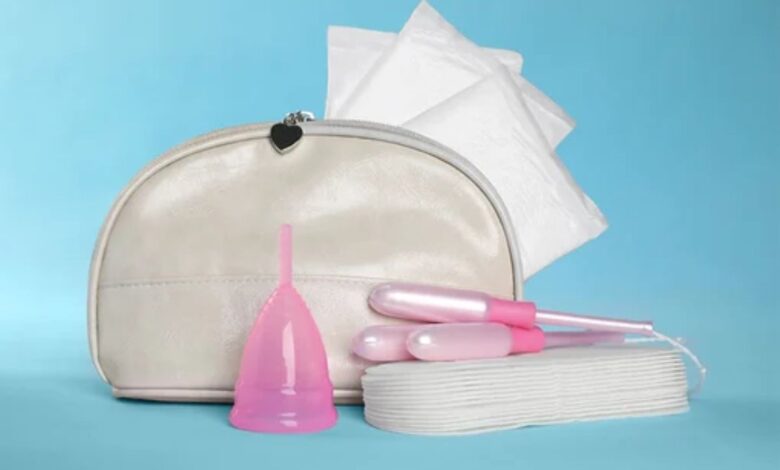
India’s female hygiene market is undergoing one of the most meaningful transformations in the country’s consumer goods history — and the story is as much sociological as it is commercial. For decades, menstrual hygiene in particular remained a profoundly underdiscussed subject, constrained by social taboo, limited product access in rural areas, and low awareness of the health consequences of inadequate menstrual care.
In 2026, that picture has shifted dramatically. Driven by government initiatives like the Pradhan Mantri Jan Aushadhi Scheme (which provides subsidised sanitary pads at ₹1 per pad through Jan Aushadhi Kendras), NGO-led awareness campaigns, ASHA worker networks, and the rise of a vocal, health-literate urban consumer base, female hygiene has moved from the margins of FMCG strategy to its very centre.
The Indian female hygiene market — encompassing sanitary napkins, tampons, menstrual cups, period underwear, intimate wash, and panty liners — was valued at approximately $1.1–1.3 billion in FY2024 and is projected to cross $2 billion by 2027. Yet penetration of modern menstrual hygiene products still stands at roughly 36–40% nationally, meaning the majority of the market is still untapped — a fact that has attracted both legacy FMCG giants and agile D2C startups to invest aggressively in this space.
This article provides a comprehensive, factually grounded guide to the Top 10 Female Hygiene Product Brands in India in 2026, covering what makes each brand significant, who it serves, and why it deserves its place in this important market.
1. Whisper (Procter & Gamble India)
Parent: Procter & Gamble | Segment: Sanitary napkins, panty liners | Market Position: Largest brand by value share
Whisper is India’s single largest female hygiene brand by market share and has occupied that position for nearly four decades. Launched in India in 1989 by Procter & Gamble, Whisper was, for a generation of urban Indian women, the first branded sanitary product they ever used — and its consistent investment in product innovation, consumer education, and distribution has kept it at the top of a market that has grown dramatically more competitive since then.
Whisper’s product range in 2026 spans its core Whisper Ultra, Whisper Choice, Whisper Bindazzz Night (a widely advertised extra-long, overnight variant), and its premium XL+ and Odour Lock range — a portfolio that covers consumers from mass-market price points to premium performance. What distinguishes Whisper is its sustained investment in consumer education: its “Touch the Pickle” campaign (2014) became one of the most awarded FMCG campaigns in Indian history by directly challenging the menstrual taboos that still prevent many Indian women from using hygienic products with confidence. P&G India continues to invest in rural distribution through chemist networks, kirana stores, and self-help group channels that reach women in markets its competitors have not fully penetrated.
2. Stayfree (Johnson & Johnson / Kenvue)
Parent: Kenvue (formerly Johnson & Johnson Consumer) | Segment: Sanitary napkins, overnight pads, ultra-thin variants
Stayfree is Whisper’s most direct competitor for the title of India’s largest sanitary napkin brand, and the two have been locked in a fierce market share battle for the better part of three decades. Now operating under Kenvue — the consumer health company that Johnson & Johnson spun off in 2023 — Stayfree’s portfolio includes its flagship Stayfree Secure, Stayfree All Night, Stayfree Dry Max, and Stayfree Advanced Ultra-Thin range.
Stayfree’s competitive strength lies in its deep penetration across both urban and semi-urban retail channels, and its consistent marketing investment — including its long-running “Be More” platform that connects menstrual hygiene to women’s aspirations and freedom — has kept the brand emotionally resonant with Indian consumers. Stayfree’s All Night variant, which addresses one of Indian women’s most frequently cited hygiene concerns, has been a particularly strong performer in the overnight segment. In 2026, Stayfree’s distribution through pharmacy chains like Apollo Pharmacy, MedPlus, and general trade channels continues to be a key strength.
3. Sofy (Unicharm India)
Parent: Unicharm Corporation (Japan) | Segment: Sanitary napkins, panty liners, intimate wash
Sofy is the Indian brand of Unicharm — Japan’s largest personal care company and one of the world’s most technically sophisticated manufacturers of absorbent hygiene products. Unicharm’s manufacturing expertise, developed across the Japanese market where product quality expectations are extraordinarily high, gives Sofy a consistent product quality advantage that has earned it a loyal, premium-minded consumer base in India.
Sofy’s signature Body Fit range of contoured, body-mapping napkins and its SlimFit ultra-thin variants appeal to urban Indian women who prioritise comfort and discretion. Sofy has also been one of the more progressive brands in India in launching panty liners as a daily freshness product — a category that remains significantly underpenetrated in India compared to Japan and South Korea, and one that represents substantial future growth potential. Sofy’s marketing, which tends to focus on product performance rather than social messaging, positions it as a trust-driven choice for discerning consumers.
4. Carmesi
Founded: 2018 | Headquarters: Gurugram | Segment: Biodegradable sanitary pads, rash-free pads, menstrual cups, intimate wash | Type: D2C brand
Carmesi is one of India’s most thoughtfully built D2C female hygiene brands and a company that recognised early that the next generation of Indian women would demand something the legacy FMCG giants could not easily offer: truly natural, chemical-free, biodegradable menstrual products. Founded by Tanvi Johri, Carmesi’s sanitary pads are made with a natural corn-based top layer instead of synthetic plastic — a meaningful innovation for women with sensitive skin who experience rashes and discomfort with conventional plastic-surface pads.
Carmesi’s product range in 2026 includes its core biodegradable pads, flushable liners, 100% natural menstrual cups, natural intimate wash, and a growing range of personal care products targeted at the health-conscious, environmentally aware urban woman. The brand distributes through its own website, Amazon, Nykaa, and BigBasket, and has built a community of loyal customers who associate the brand with transparency about ingredients — a value that is increasingly central to how younger Indian women make purchase decisions. Carmesi represents a new category of trust that is built on what is not in the product, just as much as what is.
5. Pee Safe
Founded: 2013 | Headquarters: New Delhi | Segment: Toilet seat sanitizer, menstrual cups, tampons, sanitary pads, intimate wash | Type: D2C brand
Pee Safe began its life with one of the most singular product ideas in Indian consumer health: a toilet seat sanitizer spray that gave women a practical solution to the very real problem of using public restrooms safely. Founded by Vikas Bajaj and Srijana Bagaria, the company took a problem that was universally experienced but almost never spoken about in commercial contexts and built a product around it — then systematically expanded into a full-spectrum female hygiene brand.
In 2026, Pee Safe’s portfolio is impressively broad: organic cotton sanitary pads, tampons (one of very few Indian brands actively investing in tampon category development), menstrual cups, intimate wash, period pain relief patches, and its original toilet seat sanitizer range. The company’s willingness to tackle categories that other brands have left underserved — particularly tampons and toilet hygiene — reflects a genuine understanding of the full spectrum of women’s hygiene needs rather than a narrow focus on the most commercially comfortable categories. Pee Safe distributes through over 7,000 offline outlets as well as all major e-commerce platforms and its own D2C website.
6. The Woman’s Company
Founded: 2020 | Headquarters: Mumbai | Segment: Organic cotton pads, tampons, menstrual cups | Type: D2C brand

The Woman’s Company is among the most focused and mission-driven female hygiene startups in India, built on a single commitment: ensuring that every product it makes is crafted from certified organic cotton with no chlorine bleaching, no synthetic fragrances, and no plastic in contact with the skin. Co-founded by Anika Parashar, the company has found a receptive and growing audience among urban Indian women who have become increasingly aware of the endocrine-disrupting chemicals commonly found in conventional sanitary products.
What distinguishes The Woman’s Company in 2026 is its success in building a loyal subscriber base — its subscription model, which delivers customisable monthly period boxes, creates predictable revenue and very high customer retention. Its tampons, which the brand has invested in marketing with the same directness and normalisation that its Western counterparts pioneered decades ago, are gaining traction among younger urban consumers in metro cities. The brand’s clean, minimalist packaging and its Instagram-native communication style have made it a benchmark for how female hygiene brands can speak to the next generation of Indian consumers without euphemism or condescension.
7. Niine
Founded: 2018 | Headquarters: Noida, Uttar Pradesh | Segment: Biodegradable sanitary napkins, mass-market and rural access | Type: Indian startup with social mission
Niine is perhaps the most mission-aligned female hygiene brand on this list, built with a deliberate mandate to address India’s menstrual hygiene challenge not just in urban markets but in the semi-urban and rural India where the problem is most acute. Founded by Amar Tulsiyan and Gaurav Garg, Niine’s sanitary pads are manufactured using a biodegradable airlaid core that replaces the conventional SAP-and-plastic construction found in most mass-market pads — making them safer for skin and significantly less environmentally damaging.
Niine’s pricing strategy is consciously inclusive: its products are priced to compete with Whisper Choice and Stayfree Secure at the mass-market tier, recognising that sustainability cannot be a premium-only privilege in a country where price remains the primary adoption barrier for millions of women. In 2026, Niine distributes across 20+ states through a combination of general trade, e-commerce, and partnerships with government and NGO programmes that actively place its products in underserved communities. Its transparent communication about product materials and its menstrual health education initiatives have earned it significant goodwill in both the trade and consumer communities.
8. Sirona Hygiene
Founded: 2015 | Headquarters: Gurugram | Segment: Menstrual cups, feminine hygiene sprays, herbal intimate wash, period pain relief, menstrual discs | Type: D2C brand
Sirona Hygiene is one of India’s most innovative female hygiene brands and the company most responsible for popularising the menstrual cup among Indian consumers — a product that was virtually unknown in mainstream India before the mid-2010s. Founded by Deep Bajaj and Mohit Bajaj, Sirona systematically built awareness around menstrual cups through educational content, social media, and partnerships with gynecologists — changing the conversation from “what is this” to “why am I only hearing about this now” among a generation of informed Indian women.
Sirona’s 2026 product portfolio is among the most comprehensive in the D2C female hygiene segment, including menstrual cups (in multiple sizes), the relatively new menstrual disc (a category innovation it pioneered in India), feminine hygiene sprays, intimate wash, UTI test strips, herbal period pain roll-on products, and hair removal products for women. The brand’s presence on Amazon, Flipkart, Nykaa, and its own D2C channel, combined with its clinical-grade credibility built through doctor partnerships, make it the go-to brand for Indian women seeking alternatives to conventional disposable products.
9. Nua Woman
Founded: 2017 | Headquarters: Mumbai | Segment: Customisable sanitary pads, period pain management, feminine hygiene | Type: D2C subscription brand
Nua Woman is built around a genuinely original insight: that menstrual flow and comfort needs vary significantly from woman to woman, and even month to month — and that a single standardised pad product cannot serve every woman well. Founded by Rishi Bhatnagar, Nua offers a customisable subscription service in which customers build their own monthly period kit by selecting pad types (regular, heavy, overnight), quantities, and combination of the brand’s rash-free, plant-based top sheet pads according to their personal needs.
This personalisation model, which the brand executes through its own app and website, has created an unusually high engagement and retention rate. Women who subscribe to Nua don’t just buy a product — they develop a personalised hygiene routine that keeps them coming back every month. Beyond pads, Nua has expanded into period pain management with its heat-activated patch for cramp relief (a category that addresses a near-universal menstrual experience that has historically been medically underserved in India), intimate hygiene wipes, and intimate wash. Nua’s clinical tone, ingredient transparency, and personalisation engine have made it one of the most respected female hygiene D2C brands in urban India.
10. Paree (Shemora Feminine Care)
Founded: 2018 | Headquarters: Ahmedabad, Gujarat | Segment: Affordable sanitary napkins, Tier 2 and Tier 3 focus | Type: Indian mass-market brand
Paree is a relatively young but rapidly growing Indian female hygiene brand that has made significant inroads in the value-to-mid market segment by focusing sharply on the consumer that the premium D2C brands largely ignore: the price-conscious woman in Tier 2, Tier 3, and semi-urban India who wants a quality branded product at a price that feels genuinely accessible. Founded in Ahmedabad, Paree’s pads are manufactured in India and distributed through a traditional trade network supplemented by e-commerce.
What Paree has done exceptionally well is build brand salience in a crowded value segment through targeted regional language marketing and consistent product availability in markets where larger brands have patchy retail coverage. Its straightforward, no-frills product lineup — focused on core performance features like absorbency and leak protection without premium positioning — resonates with consumers for whom the act of switching to a branded hygienic product is itself a significant step forward. In 2026, Paree’s growing distribution across pharmacy chains and kirana networks in Gujarat, Maharashtra, and Rajasthan makes it a genuinely compelling challenger brand at the mass end of the market.
Understanding the Market These Ten Brands Are Shaping
Reading across these ten brands, one of the most important patterns is the coexistence of two very different kinds of progress happening simultaneously in India’s female hygiene market. The first is the inclusion frontier: brands like Niine, Paree, and the Jan Aushadhi scheme are working to ensure that the hundreds of millions of Indian women who currently lack access to any modern menstrual hygiene product get access to something safe, affordable, and dignified.
The second is the quality-and-awareness frontier: brands like Carmesi, Nua, Sirona, The Woman’s Company, and Pee Safe are working to ensure that women who already use hygiene products understand the full spectrum of choices available — from organic cotton pads to menstrual cups and discs — and can make informed decisions about what goes on and in their bodies.
Both frontiers matter deeply, and the brands that recognise this complexity — rather than treating India as a single monolithic market — are the ones building the most enduring commercial and social value. The female hygiene category in India is no longer just a consumer products story. It is a public health story, a women’s rights story, and one of the most important chapters in India’s ongoing journey toward gender equity.
Disclaimer: Market figures, brand claims, and company data are based on information available through mid-2025. Readers are encouraged to verify current product offerings and distribution through the respective brand websites and industry sources such as IQVIA, Nielsen, and the Ministry of Health and Family Welfare’s NFHS data.