Green On The Brochure, Red In The Ledger; How Jaggi Brother’s Gensol Played In Gray Area?

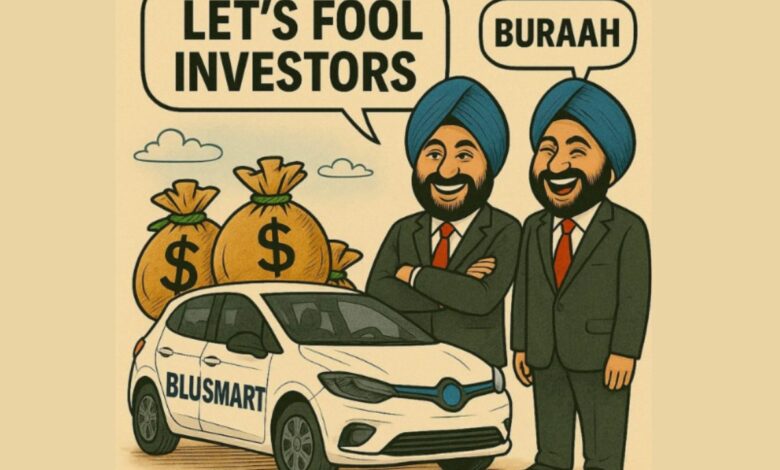
When Solar Dreams Sour: The Jaggi Brothers’ EV Empire Unravels
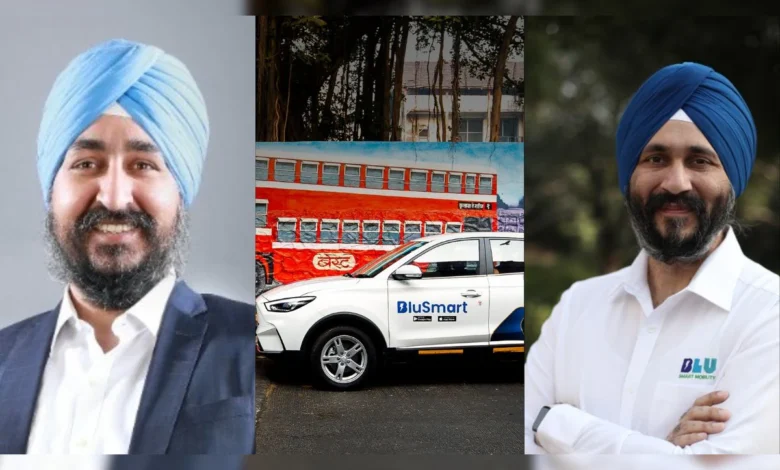
Gensol Engineering, founded by army-officers’-sons Anmol and Puneet Singh Jaggi, once stood atop India’s renewable-energy boom. In December 2021, the clean-energy crusade appeared unstoppable: Gensol bagged a ₹22.50 crore solar-power contract for 10.7 MWp of ground-mounted and rooftop installations. The Jaggi brothers, both IIT graduates, were hailed as visionary entrepreneurs, lending lustre to India’s green-mobility narrative. Their startup BluSmart Mobility promised an all-electric cab fleet with zero-surges and greener commutes.
Fast-forward to late 2025, and the narrative has sharply flipped. The Enforcement Directorate (ED) is combing through Gensol’s books, its offices raided, devices seized, and assets frozen. Puneet Jaggi was detained during a FEMA raid at a Delhi hotel in April 2025, while Anmol remains overseas. Official filings now describe ₹977.75 crore in Gensol loans (mostly for EV procurement) with over ₹260 crore unaccounted for. In short order, SEBI barred the Jaggi brothers from the markets and BluSmart suspended its services. This is the cold accounting of four years: from cushioned solar-project wins to being a full-blown “conspicuous piggy bank”.
Promising Heights and Hidden Risks
In the earlier chapters of their saga, Anmol and Puneet Jaggi cultivated an image of patriotic innovation. Gensol’s 2021 order book boasted projects for public-sector clients and captive industrial power needs. BluSmart’s pitch of electric cabs disrupted narratives and venture decks with tales of hundreds of millions invested and government-backed loans from IREDA and PFC. But by 2025, SEBI and ED detectives would reveal that much of this success was built on high-leverage fantasies.
One startling revelation was that, Gensol raised nearly ₹977.75 crore in loans between FY22–24 (from IREDA and PFC) ostensibly to buy 6,400 EVs for BluSmart. An interim SEBI order found only 4,704 vehicles were actually procured, leaving roughly ₹263 crore missing. (By way of perspective, missing 263 crore is like finding out the emperor’s new car fleet was actually a DLF Camellias penthouse and a golf cart of cash.) Experts now say lenders’ exposure ballooned nearly 30-fold in just two years. Go-Auto, one key vendor, confirmed it was owed over ₹50 crore by Gensol, and halted further EV deliveries. PFC and IREDA formally complained to police about alleged fraud and default, triggering the legal cascade.
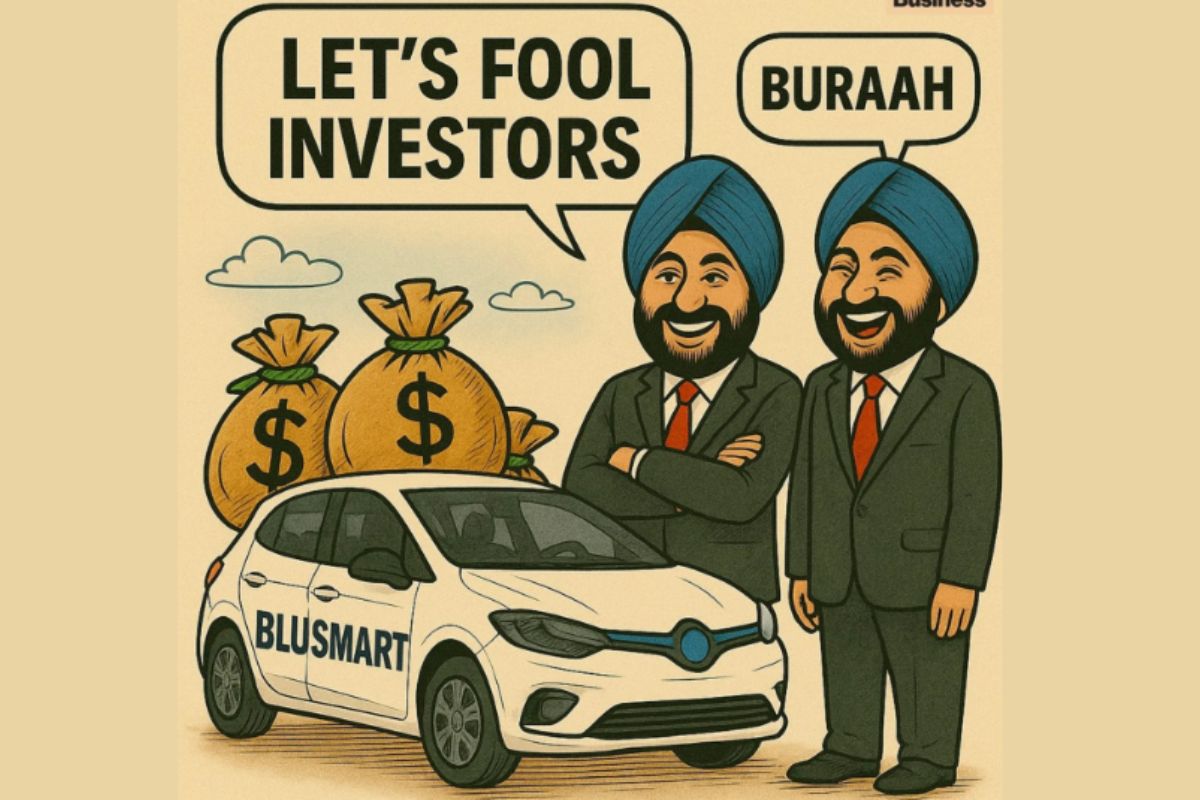
Meanwhile, despite the Jaggi duo’s swagger, corporate governance apparently collapsed. Sebi’s April 2025 order notes that the promoters ran the listed company like a family proprietorship. Funds earmarked for green projects were diverted via a web of affiliates: buying apartments in Gurugram, paying off credit cards, even shuffling cash through shell entities.
For example, investigators found that ₹42.94 crore of a ₹71.41 crore EV loan went straight into a DLF Camellias luxury flat in Gurugram – via a promoter-controlled firm. Another ₹40 crore was routed to Wellray Solar Industries, also tied to the Jaggi family. The rest reportedly hopped through entities named Gensol EV Lease, GoSolar Ventures, and even BluSmart itself, in a deliberate attempt to blur the trail. In sum, investigators say, company accounts were apparently used as private credit cards for flashy lives.
Sebi’s Scissors: Lopping off Credibility
By April 2025 Sebi had stepped in with a scathing interim order. It accused Gensol of a “collapse of corporate-governance norms,” noting Gensol’s own filings had repeatedly claimed “no default,” even as auditors later discovered fabricated documents covering up missed debt payments. In plain English: Gensol told credit agencies everything was rosy, while secretly juggling IOUs. (ICRA promptly dropped Gensol’s rating to “D” after finding these phantom letters.)
Sebi also drilled down on Gensol’s vaunted EV strategy: an NSE visit found the Chakan factory nearly deserted (two or three workers and a mere ₹1.6 lakh in monthly power bills), even though Gensol had toutede preorders for 30,000 EVs at an expo. Those turned out to be hollow memoranda of understanding with no firm pricing or delivery dates – classic puffery to inflate the stock price.
The regulator’s findings are unforgiving: out of the ₹663.89 crore sanctioned specifically for vehicles, the audit could only account for ₹567.73 crore (the cost of the 4,704 EVs plus equity). That left a ₹262 crore gap that SEBI says “was suspected to have been rerouted for personal and private gain”. In other words, funds vanished into the Jaggi brothers’ personal ventures. SEBI barred both brothers from the stock markets and from holding any managerial roles, and ordered Gensol’s planned stock split to be frozen. With their ‘permission to party’ revoked, the Jaggi brothers quietly resigned from their posts. But by then Gensol’s reputation was in tatters: its market cap had plummeted from over ₹4,300 crore to roughly ₹506 crore in under a year.
The ED Enters: Money Trails and Mahadev
As SEBI lashed Gensol, the Enforcement Directorate (ED) moved in. In late April and again in May 2025, ED teams raided Gensol offices in Delhi, Gurugram and Ahmedabad. Puneet Jaggi was detained in Delhi, while Anmol was reported to be abroad. The trigger? Alleged violations of the Foreign Exchange Management Act (FEMA) and the Prevention of Money Laundering Act (PMLA) stemming from the same fund diversions SEBI flagged.
ED sources told reporters that roughly ₹200 crore had been funneled through a shell car dealer and cycled back to Gensol-linked entities, some used on luxury homes. The agency also probed whether overseas betting proceeds were seeping into Gensol’s stock. It found that ED offices in Raipur and elsewhere had already frozen over half a million Gensol shares held by FPIs linked to an illegal betting app, Mahadev Book.
This was no coincidence: Hyderabad-based ‘hawala king’ (as mentioned in ED’s press releases) Hari Tibrewal, accused in the Mahadev racket, once owned the very Zenith entity that bought Gensol stock. ED officials say money laundered via Mahadev flowed into the markets and manipulated Gensol’s share price. On April 16, 2025 alone, searches at over 50 locations – from Delhi to Mumbai – were part of a broad Mahadev probe that yielded frozen assets worth ₹3,002 crore.
In mid-2025 ED had frozen more than ₹573 crore of securities nationwide, including those tied to Gensol. Filings show ED (Raipur) held 520,063 Gensol shares (1.35% of equity) as of Dec 2024. And in December 2025, ED agents even conducted FEMA searches at Gensol’s offices and detained Puneet again, reiterating that billions meant for EVs had been funneled into “numerous shell entities” and promoter relatives.
Throughout, Gensol has denied wrongdoing and says no official notice was received. Yet lenders have lost patience: sources report some are quietly preparing insolvency filings against Gensol and BluSmart to salvage their dues. One expert quipped that a NCLT entry would put a legal manager on watch before any more money disappears.
BluSmart’s Purse Strings Go Limp
It wasn’t only Gensol that lurched from glory to ghost-town. BluSmart Mobility – the Jaggis’ flagship EV cab startup – also has been in free-fall. In early 2025 BluSmart halted all new bookings and told customers it would “temporarily close bookings on the app,” promising refunds for wallet balances by some unspecified date. Weeks later, BluSmart’s CEO quietly hired forensic auditors (Grant Thornton) to trace funds after regulators publicly accused its co-founder of misusing vehicle loans.
Today BluSmart’s fate hangs by a thread. Its once-8,500-vehicle fleet is immobilized; credit lines are frozen. Drivers complain of unpaid dues and stranded EVs. The startup mantra “abh BluSmart nahi hai” (“now BluSmart is no more”) trended on social media as loyal customers found cabs offline. In a sign of how ugly things have gotten, private equity firm Eversource Capital has reportedly offered to buy BluSmart at a 60% haircut – valuing it at only ₹800–1,000 crore versus ₹2,561 crore a year earlier. But one condition is non-negotiable: oust the Jaggi brothers from the board. Their continued presence, in light of SEBI’s charges, is simply untenable.
Behind the scenes, BluSmart’s executive turnover has been dizzying, and creditors (including battery and car suppliers) are circling for repayment. At its high-water mark, BluSmart rode a wave of clean-energy zeal; now it embodies the very opposite: how an EV dream can end up in an ED scheme.
Is It Wrong If We Do A Mock Eulogy for Gensol’s Green Empire?
Oh brave new world, said the newscasters, that has such men in it! The Jaggi brothers once championed a greener India. They graced cover stories extolling solar parks and electric vehicles, borrowing billions from state-run banks to propel India’s mobility. Today they are grappling not with assembly lines of EVs, but with sleuths in plainclothes and freezer doors on bank accounts.
If we write the obituary of their empire, it would read something like: “Gensol Engineering (2007–2025), an ambitious experiment that briefly lit up promoters’ balance sheets more than the electric mobility sector. It is survived by a trail of interrogations, forensic auditors, and a slew of bemused retail investors. Its final resting place will likely be a NCLT boardroom under insolvency proceedings.”
Yet, even as we mock the Icarus-esque rise and fall, the post-mortem cannot ignore the broader lessons. It wasn’t just “bad luck” or some cosmic mis-forecast of solar winds. The Jaggis themselves – miles ahead in the entrepreneurship race – apparently chose personal gain over promised progress. Luxury apartments, flashy demos and headline-grabbing partnerships (remember the 3,000-EV Refex deal that evaporated by spring 2025?) all turned out to be smoke and mirrors.
Compare this fate to the gleaming pre-IPO dream: Gensol once touted thousands of EV pre-orders and major EPC contracts, winning media praise and investor funds. In hindsight, however, every high-dollar loan seems to have been a Trojan horse. The company’s auditors and credit agencies will no longer tune out the inconsistencies: ICRA discovered that Gensol was issuing no-default statements even as payroll and loan payments were overdue. Once “sound as a solar panel,” it turned out the foundation was rusted.
The Scarlet A’s of Accounting and Ethics
The Jaggi story is part cautionary tale, part political parable. When regulators like SEBI finally pry open such corporate Pandora’s boxes, the details stagger. Figures like ₹2.6 billion unaccounted for and ₹262 crore siphoned stick out like bad plugs in a Tesla. They show how state-backed institutions can find themselves unwitting high-stake gamblers in startups’ crowdsourced casinos. (Side note: IREDA and PFC – after this debacle, their boards will be scowling at every startup pitch with binocular vigilance.)
The Jaggi brothers’ saga underscores a systemic blind spot: public money, once lent for public good, ending up as promoter perks. It mirrors other high-profile collapses where “promoters are rich, company is poor”. Even Silicon Valley isn’t safe from similar tales, but Indian regulators have lately been less patient with optics of “fake it till you make it.” Union Minister Piyush Goyal’s warning in 2025 to startups – that “unethical shortcuts” aren’t worth the pride of nation-building – was in large part directed at companies like Gensol.
The final irony: An enterprise built on sustainability earned the biggest carbon footprint on corporate conscience. Tens of thousands of EV trips anticipated by project documents have been replaced by hours of gavel pounding in courtrooms. All that remains is a cautionary footnote in India’s entrepreneurship history.
Conclusion: A Wake-Up Call for Green Visions
There is some comfort in seeing accountability catch up. Sebi’s mid-2025 crackdown and the ED’s continuing probes have sent a clear message: hype and hubris have a cost, and someone pays the price. For Jaggi and Jaggi, it’s law enforcement and locked portfolios. For others, it should be due diligence and governance.
India’s clean-tech ambitions will survive Gensol’s implosion – after all, other companies out there quietly power solar plants and EV fleets without scandal. But investors and policymakers will (hopefully) remember this tale when vetting the next “Tesla of India.” The next founders will know that a gilded ESG narrative can’t paper over phantom factories or phantom loans.

This mock eulogy for Gensol ends on a didactic note: those who promise solar suns had better have the receipts for their rays. Otherwise regulators will be the ones shutting off the lights.