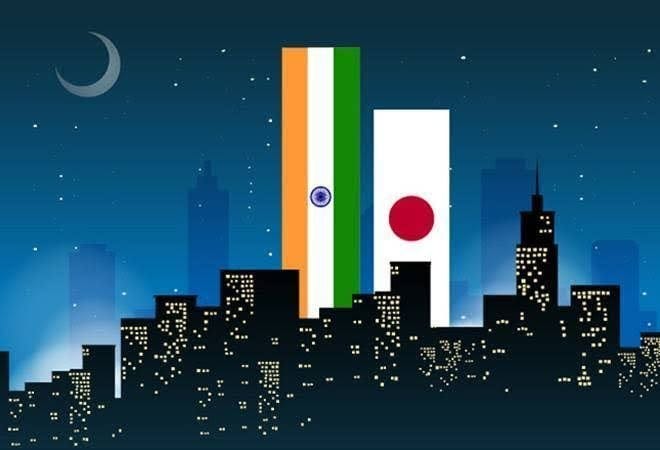
India has officially crossed the $4 trillion GDP mark.
Social media timelines are flooded with celebratory posts. TV studios are glowing red, saffron, and green with manufactured euphoria. The country is now the 4th largest economy, even surpassing Japan – the headlines are grand, the visuals even grander, but reality?
Not so much.
Why are we questioning this milestone, because – what lies beneath this GDP milestone is a staggering and painful contrast between numbers on paper and the lived experience of millions. The celebration is hollow when 80 crore Indians still rely on free ration to survive, when infrastructure is crumbling (even in important cities like Mumbai, Bengaluru) and so much more that we will talk about below, but first
- Per Capita GDP: A Reality Check

Let us begin with what GDP actually means for you, the individual. Because GDP is not wealth in your pocket – per capita GDP is closer to the truth.
Here’s the real picture –
India’s per capita GDP: $2,878
Japan’s per capita GDP: $33,138
UK’s per capita GDP: $55,000
So yes, we’re 4th largest by total size, but when it comes to how much the average Indian earns, we’re still near the bottom of the global heap. In fact, India has the lowest per capita income among G-20 nations.
Economic Slowdown, A Sugarcoated Denial?
While cheerleaders of the regime chant GDP figures, real economic indicators show signs of fatigue, if not crisis –
—Household savings have nearly halved, from ₹11.61 lakh crore in FY20 to just ₹6.52 lakh crore in FY25.
—Loans against gold are up 71%, a direct sign that people are pawning their last assets to survive.
—Auto sector growth has slowed to a crawl — just 6% growth in FY25.
—FMCG sales, once a strong pulse of rural demand, are flatlining.
—Two-wheeler sales, the classic indicator of middle-class mobility, are declining.
Hence, would one call this progress or an economic anaemia masked by loud propaganda?!

Despair You Can Measure By Suicides and Joblessness
Let us start putting things into perspective – in this “$4 trillion economy”, two farmers commit suicide every hour. That’s over 19 people a day dying due to economic distress. And yet, somehow, we continue to pat ourselves on the back for achieving “growth.”
Meanwhile, PhDs and engineers line up for peon jobs. The number of applicants for safai karmachari (cleaning staff) positions often includes postgraduates. What does that say about job creation?
And while the government cheers “development,” demand for MGNREGA, the rural job guarantee scheme meant for distress situations, is consistently rising. Hence, if this is development, what does crisis look like?
The Middle-Class Trap, From Aspirational to Broke
India’s middle class – once a symbol of dreams and upward mobility – is now reeling under inflation, low wages, and mounting debt.
Average income: ₹2.6 lakh per year, or ₹22,000 a month.
So in actuality, in terms of national income share, we are at levels seen before the British even started ruling India. A decade of “reform” has brought us full circle, back to colonial-era stagnation.
Wage Shame, The 5th Lowest in the World
India’s workforce – both skilled and unskilled – is paid less than most countries in the world. 60% of Indians earn ₹100 a day; that’s barely enough for two meals, let alone rent, schooling, or healthcare.
Meanwhile, the top 1% continues to get richer, and big corporations thrive on tax cuts, incentives, and government-backed bailouts. So yes, GDP grows – but only for a select few.
The Ration Nation
Let this figure sink in – over 800 million Indians need government-distributed free food grains.
If the economy was truly booming, wouldn’t fewer people need state support? Why is a nation claiming superpower status unable to feed half its population without subsidies?
The truth is – GDP growth without income redistribution is just an illusion of prosperity.
What exactly have we achieved?
We’ve had a decade of loud announcements, grand optics, vanity projects, and global summits but zero real upliftment for the common citizen.
—Jobs? Missing.
—Healthcare? Grossly underfunded.
—Education? Treated as a low-priority sector.
—Rural economy? Still limping.
And what has been the government’s response?
Redefine poverty, silence data, and sell hope, not real change!
The Last Bit, Who Is This $4 Trillion GDP For?
The question we need to ask ourselves are these – does life feel better today than it did a decade ago? Do we care about being the “4th largest economy” if schools lacks teachers, if neighbourhood hospital lacks beds, and if home kitchen runs on debt?
The GDP figure makes no sense to the average Indian. It’s a stat for investors, not citizens; for Bhakt economists and PR machines, not for the farmer in Vidarbha, the jobless youth in Bihar, or the bankrupt middle class family in Delhi.
India is not its GDP. India is its people. And right now, its people are struggling. Celebrating a milestone while ignoring mass misery is not patriotism it’s delusion!