Is OnePlus Being Quietly Wound Down? What The Brand’s Crisis Says About The Future Of Android
The global smartphone industry is eliminating its former challengers. Asus is out, HTC and LG are relics, and now OnePlus faces unsettling questions. Reports of dismantling, falling sales, and quiet restructuring expose a market that no longer tolerates mid-tier innovators.

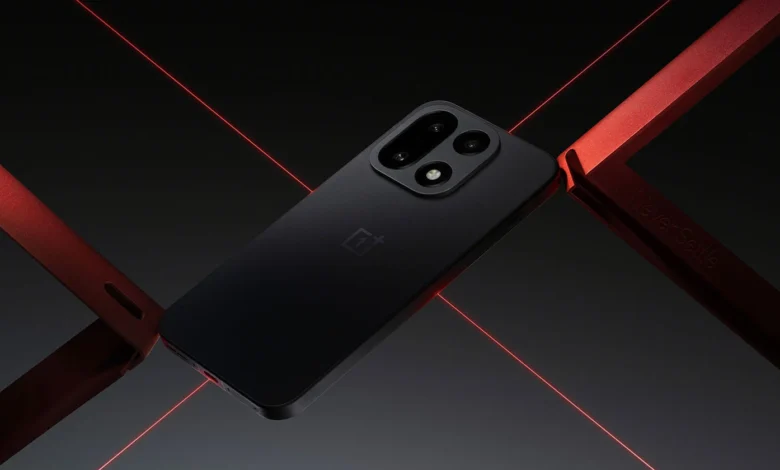
OnePlus has suddenly found itself at the centre of a storm. At a time when the global smartphone market is proving brutally unforgiving, the once-admired Android brand is now facing uncomfortable questions about its own future. Just last week, tech giant Asus quietly bowed out of the smartphone business, joining former Android heavyweights HTC and LG in conceding defeat in an increasingly cut-throat handset arena.
Now, a bombshell report suggests OnePlus could be heading down a similar path—only far more quietly. According to Android Headlines, OnePlus is allegedly being “dismantled,” with claims of plunging shipments, cancelled devices, shuttered offices, and deep internal restructuring. The report sent ripples across the Android ecosystem, forcing OnePlus into swift damage-control mode across multiple regions.
Owned by China’s BBK Group alongside Oppo and Vivo, OnePlus has firmly denied any plans to shut down. But behind these assurances lies a more unsettling reality, one that extends beyond a single brand and illustrates how today’s smartphone market is steadily squeezing out mid-tier challengers.
The Report That Triggered Alarm Bells
Android Headlines painted a grim picture. According to the report, OnePlus has seen shipments fall more than 20% in 2024, dropping from around 17 million units to between 13 and 14 million. Multiple products -including the much-anticipated OnePlus Open 2 foldable and the OnePlus 15s compact flagship – were allegedly scrapped. The brand’s US headquarters in Dallas was reportedly shut in 2024 without announcement, while teams across Europe and North America were reduced to skeletal operations.
“The evidence is damning,” the publication wrote. “Shipments in freefall. A premium stronghold that collapsed almost overnight. Headquarters shuttered without announcement. Partnerships ended. Western teams gutted. Product cancellations. And every major decision now flows from China.”
OnePlus swiftly rejected the claims while OnePlus India called the reports “false” and “misinformation,” insisting that business operations continue normally. Similar statements came from OnePlus Europe and North America, all emphasizing that after-sales support, software updates, and customer rights remain fully guaranteed.
Yet denials alone have not quelled the unease.
A Brand Losing Its Identity
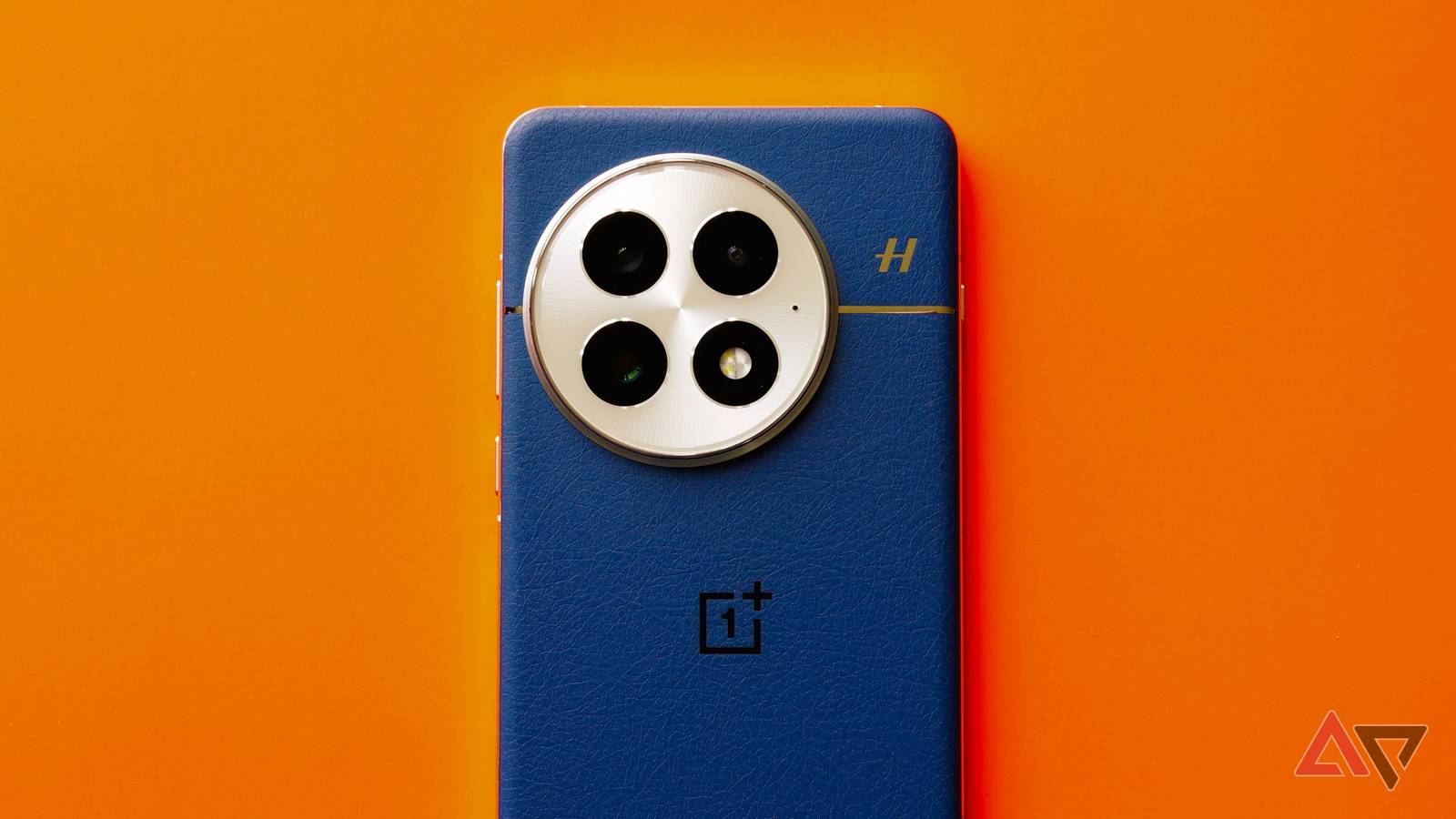
Over the past few years, OnePlus has been steadily converging with Oppo. OxygenOS, once a defining feature that set OnePlus apart, is now functionally identical to Oppo’s ColorOS. The last flagship, OnePlus 15, launched without the Hasselblad camera branding that had become a hallmark of the brand, while Oppo retained the partnership.
Industry watchers say this signals something deeper: OnePlus is no longer being run as an independent innovator, but as a cost-managed sub-brand within the Oppo ecosystem.
And the numbers reinforce that view.
While Oppo grew by 2.8% in 2024, OnePlus contracted sharply. India – once OnePlus’s strongest market, has been especially brutal. The company’s market share there reportedly fell to 3.9% in 2024, compared to Oppo’s 12%. In the premium segment, OnePlus’s share collapsed by nearly 70% in a year, plunging from around 21% to just 6%.
Even more alarming: over 4,500 retail partners across six Indian states reportedly stopped selling OnePlus devices due to razor-thin margins, service issues, and rigid sales conditions. When retailers can’t make money selling your phones, the problem is not marketing, it’s the business model itself.
Structural Retreat, Not A Temporary Slump
China hasn’t offered relief either. OnePlus’s domestic market share slipped from 2% to 1.6% in 2024, missing ambitious internal targets and losing ground to aggressive local competitors.
Operational changes suggest this isn’t a short-term correction. The Dallas headquarters closure, silent layoffs across Europe, and drastic downsizing of regional teams point to a systematic dismantling of independent operations rather than a strategic pivot. By some estimates, teams in major European markets were reduced from dozens of employees to fewer than ten, without formal announcements.
These are not the moves of a company investing in growth but that of a brand being folded inward.
The Indian Backlash And Quality Concerns
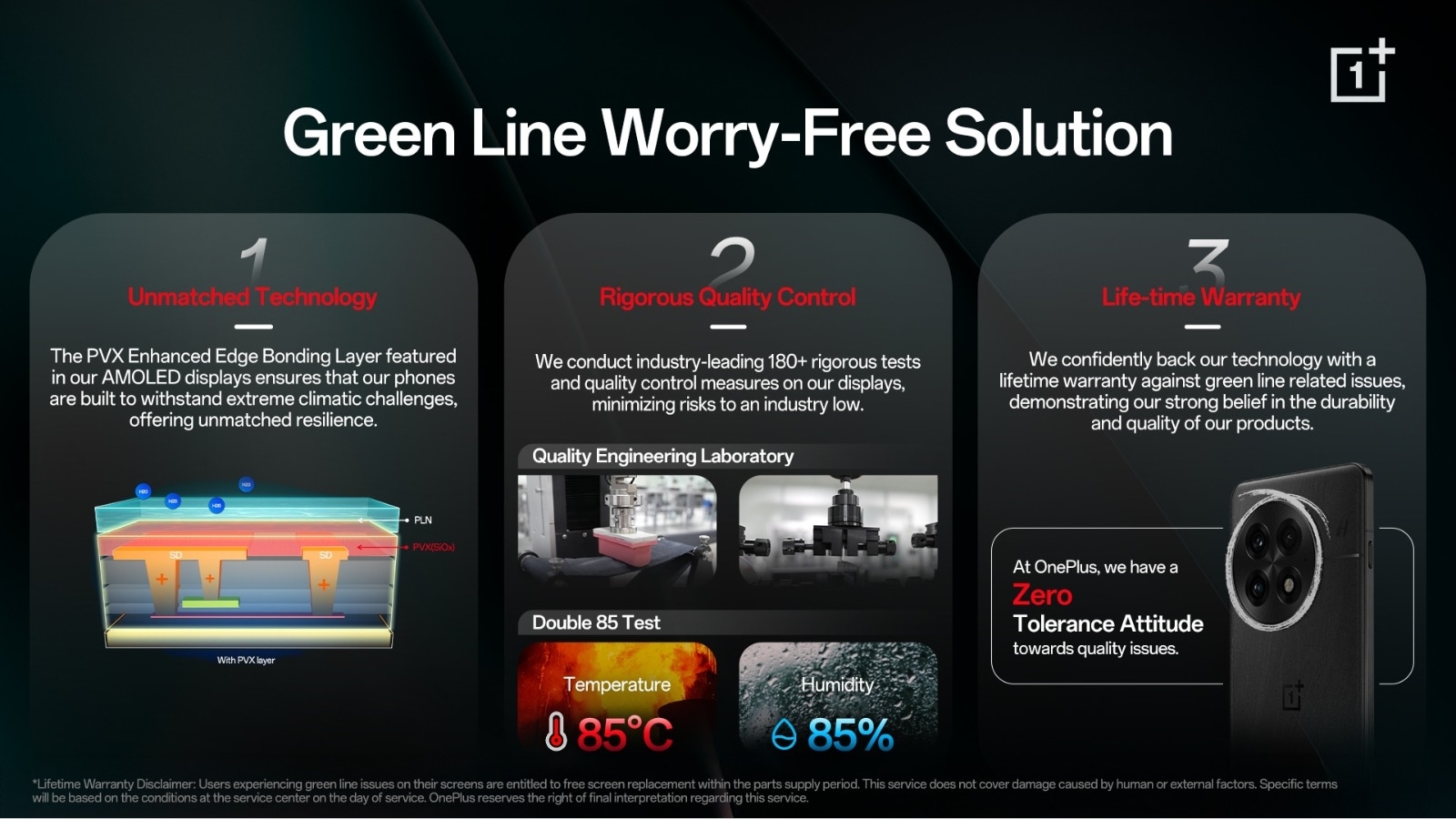
Compounding the crisis are lingering quality issues, particularly the infamous “green line” display problem that affected multiple OnePlus models. Despite lifetime warranty assurances in some regions, the issue has left a lasting dent in consumer trust.
The company has also faced regulatory and legal headwinds, including a ₹93 crore GST demand linked to its lifetime warranty program and reports of legal scrutiny involving senior leadership overseas. While OnePlus has not publicly detailed these matters, they have further clouded the brand’s image at a time when confidence is already fragile.
Why This Matters Beyond OnePlus
Even if OnePlus survives in name, the broader Android ecosystem should be paying close attention.
OnePlus once occupied a rare and vital position, small enough to move fast, bold enough to take risks, yet influential enough to force industry giants like Samsung and Google to respond. Its innovations in fast charging, clean software, and value-driven flagships reshaped consumer expectations across Android.
That innovative middle ground is now collapsing.
At roughly 1.1% of global smartphone shipments, OnePlus simply cannot justify the costs of independent operations – separate marketing teams, regional headquarters, dedicated R&D, and localized partnerships. Once volumes fell, those structures became liabilities.
Even massive financial backing hasn’t helped. In 2022, Oppo reportedly committed nearly $14 billion to support OnePlus through retail expansion and low-margin sales. Yet by 2024, Oppo grew modestly while OnePlus continued to shrink, suggesting the problem is structural, not financial.
Geopolitical realities only worsen the equation. Rising US–China tensions have made Western markets more hostile for Chinese brands, even as competition intensifies and margins shrink.

A Managed Decline, Not A Dramatic Exit
This is why a sudden shutdown seems unlikely. Instead, OnePlus appears headed toward a quieter outcome: managed consolidation. Fewer products. Less differentiation. Shared platforms. The brand survives for its residual loyalty, while the innovation engine that once made it matter is slowly switched off.
From “Never Settle” to settling for survival, the shift is sharp.
The Bigger Warning Sign
OnePlus’s predicament shows a harsh truth about the smartphone industry in 2026: scale is everything. The market no longer leaves room for brands that are neither budget giants nor ultra-premium monopolies.
If a brand with OnePlus’s recognition, loyal fanbase, and proven influence cannot survive independently, the message is simple – challenger brands are being priced out of existence. And when that happens, consumers lose more than just another logo on a phone box. They lose competition, pressure on incumbents, and the kind of risky innovation that once made Android exciting.
Whether OnePlus fades quietly or stabilizes in a diminished form, the direction is unmistakable. The industry is consolidating, and the innovative middle ground is disappearing, slowly, silently, and with managed precision.
Can OnePlus survive?