Is Trump’s “Cash Squeeze” Strategy The Secret Weapon To End The War?
Trump advocates for aggressive economic measures against Russia. Can sanctions bring peace?

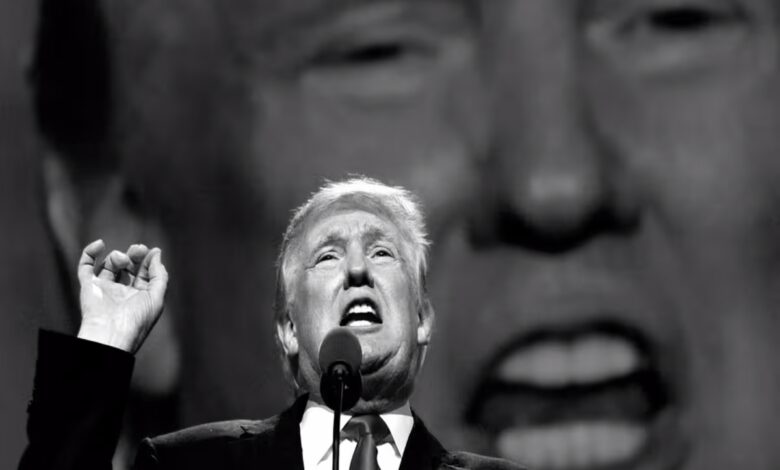
US President Donald Trump has issued a strong statement about the Russia-Ukraine war. In a recent social media post, he said that Russia is “absolutely pounding” Ukraine on the battlefield and proposed instituting massive banking sanctions, tariffs, and other economic sanctions against Russia. The statement reflects the current geopolitical tensions and questions whether economic sanctions work in ending global conflicts. This piece goes deep into Trump’s comments’ implications, the historical sanctions on Russia, and the consequences of international stability.
Russia-Ukraine Background to the Conflict
The tension between Russia and Ukraine intensified in February 2022 when Russia launched a total attack on Ukraine. The conflict resulted in devastation across the region, loss of life, and a humanitarian crisis, resulting in condemnation by the global community.
Western countries, such as the US, the European Union, and NATO allies, have placed many sanctions on Russia in an attempt to break down its economy and discourage its military operations. The sanctions have not ended the conflict, with Russia finding ways to endure the pressure of economic sanctions and Ukraine still standing against aggression with the help of Western military aid.

Trump’s Position on the Conflict
The assertion made by Donald Trump reflects his foreign policy stance, which is more likely to be defined by assertive economic policies than by military action. He has chosen economic war above conventional military conflict, as seen by his proposal for “large-scale banking sanctions, sanctions, and tariffs on Russia” during his administration. In invoking both Russia and Ukraine to “get to the table right now before it is too late,” Trump positions himself as a peace broker who can negotiate peace at the cost of economic pressure.
The Effect of Economic Sanctions
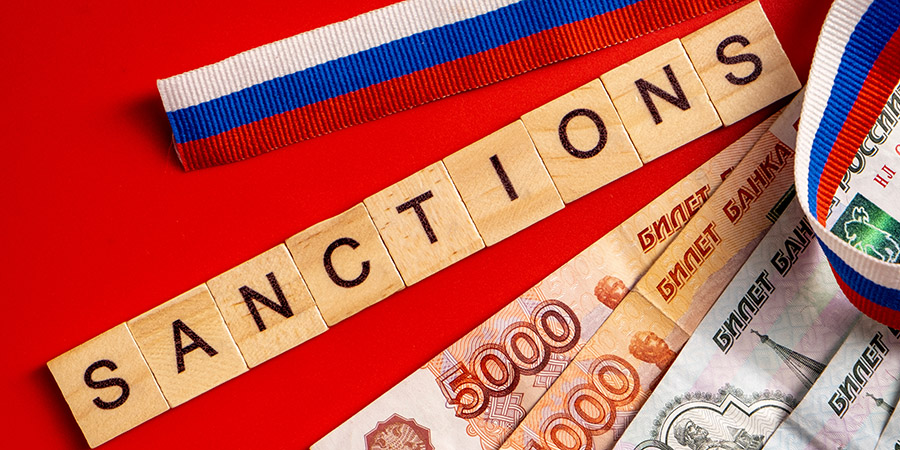
Economic sanctions have been a central instrument of US foreign policy for many years. Sanctions are intended to damage an enemy’s economy, restrict its capacity to fund military endeavours and compel political leadership to adhere to them. In the case of Russia, prior sanctions have been aimed at its financial system, oil exports, and influential persons around President Vladimir Putin. Yet the efficacy of these steps is questionable.
Short-Term Effects of Sanctions on Russia
- Depreciation of Currency: Sanctions have created volatility in the Russian ruble, reducing purchasing power in Russia.
- Inflation and Financial Instability: There has also been pressure of inflation in the Russian economy, causing prices of services and goods to rise higher.
- Decrease in Energy Exportation: The Limitation of Russian oil and gas exports has impacted the government’s revenues but with alternative purchasers such as China and India, the impact.
Long-Term Resilience and Adaptation
Despite the financial strain, Russia has been resilient by finding other trading partners and adopting policies to mitigate the effect of sanctions. Sanctions may not be sufficient to make Russia negotiate, especially with its strategic interests in Ukraine, according to some analysts.

The Role of the United States in the Conflict
The US has been one of Ukraine’s most prominent allies, providing billions of dollars’ worth of military, intelligence, and humanitarian aid. Trump’s remark depicts a transition toward economic pressure and not military support, but his foreign policy platform as a whole is not clearly defined. With another comeback, his position regarding Ukraine would guide US policy in the future, either by continuing to impose more sanctions or by reversing direct involvement.
Possible Geopolitical Ramifications
1. Tense U.S.-Russia Relations
If large-scale banking sanctions and tariffs were introduced, diplomatic relations between the US and Russia would be further strained. Russia retaliated once against sanctions through countermeasures such as trade restrictions and expulsions of diplomats.
2. Economic Effect on Global Markets
The sanctioning of Russian banks destabilizes international markets, particularly the commodities and energy markets. Because Russia is a key exporter of energy and petroleum, heightened sanctions would lead to a price shock effect worldwide, which would affect the economic status of foreign nations.
3. Pressure on Europe
European countries, some dependent on Russian energy, would suffer additional economic hardship. Although the EU has cut its reliance on Russian gas, a tightening of sanctions could raise prices for consumers and companies.
Can Economic Sanctions Bring Peace?
The essence of Trump’s reasoning is that economic pressure will cause Russia and Ukraine to sit down at the negotiating table. Although past precedents, like sanctions on Iran and North Korea, indicate economic difficulty has the power to shape policy, there is no certainty that Russia will be swayed by pressure. Additionally, Ukraine might be unwilling to negotiate on terms that do not guarantee its territorial sovereignty and integrity.
Final Thoughts
Donald Trump’s request to have more sanctions and tariffs on Russia marks an era of relying on economic means to decide international conflicts. Sanctions are likely to bring pressure, but they are volatile as a weapon for stopping the war. Russia vs. Ukraine is a geopolitically complex affair that needs solutions on more than just economic sanctions. With world leaders facing this crisis, diplomacy, war tactics, and financial actions must balance one another to offer a long-term solution.
It is doubtful whether Trump’s suggested method would bring peace or increase tensions. However, his remark has reopened controversies regarding applying economic sanctions in contemporary warfare.