Is Wellbeing Nutrition Doing Well Competing In India’s Booming Nutrition Market?

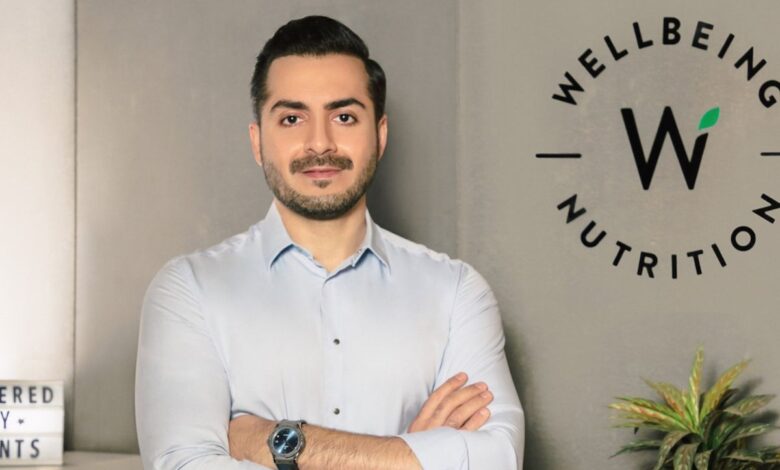
India’s nutraceutical and health supplements market has exploded in recent years, with a flurry of direct-to-consumer (D2C) brands vying for a slice of the wellness pie. Amid growing health consciousness, 45% of Indian consumers say they take supplements to prevent issues. New-age nutrition brands have mushroomed across categories. One standout is Wellbeing Nutrition, a science-driven “clean label” wellness brand founded in 2019 by Avnish Chhabria. Backed by marquee investors (including Hindustan Unilever), Wellbeing Nutrition claims to blend cutting-edge research with natural ingredients in convenient formats. But is this young startup actually doing well in the market, and how does it fare against formidable homegrown competitors like OZiva, MuscleBlaze, Fast&Up, Plix, and others?
Wellbeing Nutrition’s Rapid Growth and Financials
Wellbeing Nutrition has seen exceptional revenue growth, suggesting it is indeed making its mark. The company closed FY2024-25 (FY25) with about ₹170 crore in revenue, more than double the previous year’s scale. According to a company spokesperson, this represents over 100% year-on-year growth, indicating a dramatic jump in sales. For context, filings show it had ₹70 crore in operating revenue in FY24, so reaching ₹170 crore by FY25 is a massive leap.
Impressively, this growth has come alongside improving unit economics where Wellbeing’s losses have not ballooned in proportion. Net losses in FY25 were “a little over ₹30 crore”, only slightly higher than the ₹32 crore loss incurred in FY24. In other words, the startup more than doubled revenue while holding annual losses roughly steady, greatly reducing its burn rate as a percentage of revenue (from ~46% of revenue in FY24 to ~18% in FY25).
Profitability is still on the horizon, but in sight. Wellbeing’s leadership projects reaching EBITDA break-even by end of FY26, with full profitability by FY27. They are targeting ₹350 crore in gross sales for FY26 and ₹600–650 crore by FY27, ambitious goals that, if met, would firmly entrench Wellbeing Nutrition among the top players. Notably, the brand already turned CM3 (Contribution Margin 3) positive in recent quarters, indicating that after accounting for cost of goods, marketing, and fulfillment, the contribution-level losses are minimal (just ~2% at CM3 level in early FY26). This points to a path of steadily improving margins.
Funding and backing: To fuel its growth, Wellbeing Nutrition has raised relatively modest capital by startup standards, about $14 million (~₹115 Cr) to date. Its Series B round of $10 million in Dec 2022 was led by Fireside Ventures and Hindustan Unilever (HUL). HUL, one of India’s FMCG giants, bought a 19.8% stake for ₹70 Cr in that round, signaling strong corporate belief in Wellbeing’s potential.
Having HUL as a strategic investor not only validates Wellbeing’s model but could offer synergies in R&D expertise and distribution muscle over time. Interestingly, HUL’s involvement also means Wellbeing Nutrition shares a backer with one of its competitors (OZiva, which HUL now controls, more on that later). Aside from equity, Wellbeing recently raised ₹25 Cr in venture debt (Apr 2025) to fund working capital and expansion, reflecting confidence from institutional lenders as well.
In summary, Wellbeing Nutrition is “doing well” by most metrics of early-stage businesses. It has achieved explosive top-line growth, attracted blue-chip investors, expanded sales channels, and kept its financial runway relatively healthy by reining in burn rate. But success in the nutrition market is relative; to truly gauge its performance, we must examine how Wellbeing stacks up against other players in this crowded arena.
Strategy: Science-Backed Innovation and Premium Positioning
Before comparing numbers with competitors, it’s important to understand Wellbeing Nutrition’s strategy and positioning, which define how it competes:
- Product Innovation: Wellbeing Nutrition prides itself on being a “science-first” brand focused on clinically researched formulations and novel delivery formats. It pioneered convenient formats like Melts® – fast-acting oral nutrition strips that dissolve on the tongue, as well as effervescent tablets, gummies, and newly launched Slow Release capsules for daily nutrients. By combining trending natural ingredients with pharmaceutical-grade technology, Wellbeing differentiates itself from generic pill-makers. The breadth of its portfolio is also notable, spanning daily multivitamins, immunity boosters, sleep aids, gut health, hair/skin supplements, stress relief, and more. This wide coverage allows it to address multiple consumer needs under one brand umbrella.
- Premium Branding (Less Discounting): Unlike many D2C peers that chased growth via heavy discounting, Wellbeing has consciously chosen a more premium positioning. Co-founder Saurabh Kapoor notes that “people look at us as the most premium brand with higher quality, and quality that does not come at a heavy discount.” The company halved its discounting in the last year and still saw customers continue to buy, validating its pricing power. In fact, management highlights that the overall nutraceutical category’s price points are rising as consumers value quality. Example, omega supplement prices moved up from ₹600–700 to ₹1,100+ on average. Wellbeing seems comfortable staying at the higher end of the price spectrum, banking on its research-backed claims to justify it.
- Educational Marketing – Science over Hype: In line with its ethos, Wellbeing’s marketing has focused on educating consumers about the science behind its products. “We went back to our core,” Kapoor says, by communicating about clinical studies, ingredient sourcing, and the scientific rationale of the products. This is a slightly more sober approach compared to flashy influencer campaigns of some rivals. It aligns with expert calls for transparency in the industry. Observers note that in the largely unregulated supplements market, brands need to openly share ingredients and scientific evidence rather than hide behind proprietary claims. Wellbeing’s strategy to build trust through credible information could foster a loyal customer base that values efficacy over quick-fix promises.
- Omnichannel Distribution: A key aspect of how Wellbeing Nutrition is competing is its broad channel presence. While many D2C brands begin online-only, Wellbeing has aggressively expanded offline. As of FY25, roughly 70% of sales still come from online channels (its own D2C website, marketplaces like Amazon/Nykaa, and even quick-commerce apps) but a full 25% now comes from retail stores. The brand is present in 3,700+ brick-and-mortar outlets across India including pharmacies, modern trade, malls, and airports. Another 5–10% of revenue comes from international markets (exports). This omnichannel play gives Wellbeing a wider reach and visibility beyond the digital bubble, an advantage over startups that are still predominantly online. Notably, quick commerce is growing very fast for Wellbeing (100% month-on-month) as it taps into consumers’ impulse purchase for wellness products on 10-minute delivery apps. The company is also developing a subscription and loyalty program to drive repeat purchases in the coming months.
- Global Ambitions: Despite being a young Indian brand, Wellbeing Nutrition has set its sights globally. It is already shipping to over 25 international markets including the US, UK, UAE, and Southeast Asia. International sales, while still a small portion (under 10%), are growing and expected to 5x next year. This early global push could help Wellbeing build a niche among the Indian diaspora and health enthusiasts abroad, distinguishing it from purely domestically-focused competitors. The founder envisions building one of “India’s most trusted global nutrition brands”, and the cross-border traction lends credibility to that vision.
- New Categories Pipeline: To stay ahead, Wellbeing Nutrition is continually expanding its product range. It plans to roll out 20–25 new products in FY26 alone. Two high-potential categories on the roadmap are Kids’ Nutrition (vitamins and supplements for children) and Gut Health (probiotics, fiber supplements, etc.). These are logical adjacencies that some competitors haven’t fully tapped yet, entering them could open new customer segments and give Wellbeing a first-mover edge in those niches.
Overall, Wellbeing Nutrition’s game plan is to compete on innovation, quality, and multi-channel presence rather than on price warfare. It is positioning itself as a trusted, upscale brand; a strategy that might limit its appeal to only price-sensitive masses, but could yield higher customer lifetime value and brand loyalty among discerning consumers. Now, with this context, let’s see how the company stacks up against its peers on key metrics.
But There Is Always A Crowded Field: Wellbeing Nutrition vs Other Domestic Nutrition Brands
The Indian wellness market has become fiercely competitive, with startups and conglomerates jostling for dominance. Traditional FMCG companies have also jumped in via acquisitions, seeing the D2C nutrition boom as the next big opportunity. Wellbeing Nutrition’s main competitors can be grouped into two broad categories:
- Direct-to-Consumer nutraceutical brands (largely digital-first, targeting general wellness) – e.g. OZiva, Plix, Kapiva, Nyumi, Gynoveda, etc.
- Sports nutrition and supplement players (focusing on fitness, protein, endurance) – e.g. MuscleBlaze (by HealthKart), Fast&Up (by Fullife) and others.
Let’s examine some of the prominent names:
OZiva: Plant-Based Pioneer Riding on HUL’s Shoulders
OZiva was one of the early D2C nutrition startups in India, established in 2016, and gained popularity with its plant-based protein powders and herbal supplements. It built a portfolio spanning women’s health, beauty (hair/skin), men’s fitness, and general wellness products. OZiva also differentiated by offering personalized diet plans and fitness content to its customers via an app/community, adding a service layer on top of products.
Financially, OZiva saw rapid growth initially, but its trajectory has been turbulent more recently. It grew from ₹72 crore revenue in FY21 to ₹124.2 crore in FY22 (72% YoY growth), marking it as a rising star. However, by FY23 and FY24, OZiva’s scale stagnated around the ₹100 crore mark. In fact, sales declined ~19% in FY23 to about ₹100 crore (perhaps due to pandemic-era demand normalization), and then in FY24 rose a mere 4% to ₹104 crore. In other words, OZiva’s FY24 revenue (~₹104 Cr) was still lower than its FY22 peak.
Profitability-wise, OZiva’s story is unusual. The company actually reported a net profit of ₹58.8 crore in FY23, but this was purely thanks to a one-time gain of ₹95.5 crore (likely related to the HUL transaction or a financial adjustment). Stripping that out, OZiva was loss-making. Indeed, excluding the extraordinary gain, losses were ~₹45.8 crore in FY23. In FY24, under HUL’s ownership, OZiva recorded a net loss of ₹44 crore, essentially the same ballpark as its normalized loss in FY23. So, despite cost rationalizations, it has yet to turn a genuine profit.
A major development for OZiva was being acquired by Hindustan Unilever, which completed a 51% majority stake purchase in January 2023 for ₹264 crore (valuing OZiva at about ₹514 Cr). HUL will acquire the remaining 49% by 2026, making OZiva a full subsidiary. The FMCG giant valued OZiva’s brand at ₹361 crore on its books. This acquisition gives OZiva a huge leg up in terms of resources – HUL can bring its vast distribution network (especially in pharmacies and beauty retail) to push OZiva’s products, and possibly integrate OZiva’s digital community with HUL’s own healthcare initiatives. HUL’s annual report noted strategic opportunities in premium health/beauty channels and that it’s investing in in-store execution for brands like OZiva.
How OZiva competes: OZiva’s brand appeal lies in being 100% plant-based and “free-from” nasties, which resonates with a segment of consumers seeking natural alternatives. It has products like herbal blends for hair growth, skin glow, anti-aging, PCOS, etc., often marketed with a holistic wellness tone. OZiva has also leveraged influencer marketing and endorsements in the past to build awareness. For example, it was not uncommon to see social media testimonials and celebrity fitness influencers talking about OZiva’s protein shakes or biotin supplements. Now with HUL at the helm, OZiva may pivot to more mainstream advertising as well.
However, OZiva’s flat growth the last two years indicates it’s no longer the runaway leader – competition from the likes of Wellbeing Nutrition and others is siphoning away online market share. Also, the integration into a large corporate structure might have slowed its agility. In customer perception, OZiva is still a known and trusted name (especially after the HUL stamp of approval), but it might be seen as somewhat less innovative lately compared to newcomers.
It remains a key competitor to Wellbeing Nutrition in categories like plant-based protein, beauty supplements, and general wellness, especially in the digital space. Yet, as of FY25, Wellbeing’s revenue (₹170 Cr) has actually surpassed OZiva’s (~₹104 Cr) by a considerable margin, showing how quickly the tables can turn.
Plix: Tasty Nutrition with Marico Muscle
Plix, founded in 2018, is another prominent D2C nutraceutical brand that competes in the plant-based, clean-label segment. Branded as “The Plant Fix,” Plix’s philosophy is to make nutrition “less intimidating and more enjoyable”. The company offers a wide array of vegan, non-GMO, gluten-free supplements, ranging from protein powders and superfood blends to weight management gummies, effervescent vitamin fizzies, and even skin and hair nutrition products. Plix is known for creative offerings like a 90-day weight loss challenge with its pills or “skin perfecting” serum combos, all marketed with a fun, youthful vibe. It heavily uses celebrity and influencer marketing, often showcasing testimonials and transformations on social media to attract millennials.

Financially, Plix has been on a strong growth curve. The brand’s turnover more than doubled in FY2022-23 to ₹106 crore (up from ~₹50 Cr in FY22). Filings show ₹99.6 Cr in operating revenue for FY23 (likely standalone) with net loss of ₹9.6 Cr, a relatively small loss margin (~10% of revenue) compared to most peers. This indicates Plix was closing in on breakeven at ₹100 Cr scale. In FY24, Plix continued its ascent reportedly reaching ₹147.8 Cr revenue with a ₹10 Cr loss, though this was before a major corporate deal that changed its trajectory.
In July 2023, Marico Ltd (the FMCG company behind brands like Parachute oil) announced it will acquire a majority 58% stake in Plix’s parent (Satiya Nutraceuticals) for ₹369 Cr. Immediately, Marico took a 32.75% stake and assumed board control, making Plix a subsidiary, with plans to buy the remainder by 2025. This was a landmark deal in the sector, underscoring how traditional FMCG are betting on D2C nutrition.
Marico’s CEO stated the Plix investment aligns with their strategy to expand into “value-added wellness foods and nutrition,” and praised Plix as one of the leading digital-first nutrition brands. With Marico’s backing, Plix can rapidly scale offline distribution (e.g., leveraging Marico’s sales network to get into supermarkets and chemist shops). Indeed, Plix has stated intentions to ramp up its currently D2C-heavy model with a stronger omnichannel presence in coming years.
For Wellbeing Nutrition, Plix is a close competitor given their similar size and overlapping categories. Both emphasize plant-based ingredients and cater to lifestyle-oriented consumers. However, Plix’s branding is a bit more mass-market and playful (think candy-colored packaging, dessert-like flavors), which might appeal to younger consumers who are new to supplements.
Customer perception of Plix is that it’s accessible and tasty – nutrition that doesn’t feel like “medicine”. On the flip side, Wellbeing Nutrition projects a more scientific and premium image, which could attract a slightly different segment (those more serious about proven efficacy and willing to pay extra). With Marico’s ownership, Plix now has deep pockets and retail reach to challenge Wellbeing even in pharmacies and stores, not just online. But as of now, Wellbeing’s growth has outpaced Plix’s, and it remains to be seen if Plix’s new clout will accelerate its momentum or lead to the kind of post-acquisition slowdown OZiva experienced.
MuscleBlaze (HealthKart): The Sports Nutrition Juggernaut
No discussion of nutrition competitors in India is complete without MuscleBlaze, the dominant homegrown sports nutrition brand, famous for protein powders and bodybuilding supplements. MuscleBlaze is the flagship brand of HealthKart (Bright Lifecare Pvt Ltd), which has been around since 2011 and pioneered the online supplement retail space. Over time, HealthKart developed its own product lines, MuscleBlaze (whey proteins, gainers, creatine, etc.), HK Vitals (general health vitamins), and Gritzo (kids’ nutrition), and also operates a chain of 200+ retail stores across 90 cities. In essence, HealthKart is both a brand owner and a distribution platform.
In terms of sheer scale, HealthKart towers above the newer D2C startups. In FY2023-24, HealthKart’s consolidated revenue crossed the ₹1,000 crore mark hitting ₹1,021 Cr in operating revenue (₹1,069 Cr including other income). This was a 23% YoY growth from ₹832 Cr in FY23. More significantly, HealthKart swung to profitability in FY24, posting a net profit of ₹37 Cr after years of losses. (It had a net loss of ₹165 Cr in FY23, implying major improvements in cost structure in one year.) These numbers dwarf Wellbeing Nutrition’s ₹170 Cr or others’ ~₹100 Cr revenues. It highlights that MuscleBlaze/HK isn’t just doing well; it’s the market leader by a wide margin in sales.
How has HealthKart achieved this? Being an early entrant, it captured the sports nutrition boom as India’s gym culture grew. MuscleBlaze built a reputation as a trustworthy, affordable alternative to imported protein brands, focusing on quality testing (they famously have Labdoor certifications and authenticity verification to counter the problem of fake supplements in India).
The company’s scale also comes from its hybrid model: besides selling MuscleBlaze and HK Vitals products, HealthKart’s website/app serves as a multi-brand retailer for other supplement brands. This likely contributed to overall revenue, though the majority of sales (₹990 Cr of ₹1,069 Cr in FY24) were its own product sales. HealthKart’s wide offline footprint (franchise stores) further cements MuscleBlaze’s presence among bodybuilders and fitness enthusiasts nationwide.
For Wellbeing Nutrition, MuscleBlaze represents a different segment of competition. MuscleBlaze’s core audience is gym-goers looking to build muscle or improve performance, a segment Wellbeing only recently started catering to (they launched a whey protein line after consumer demand). So there is some direct overlap now, but generally Wellbeing has focused on holistic wellness for everyday health, whereas MuscleBlaze is a specialist in sports nutrition.
In terms of customer perception, MuscleBlaze is seen as the go-to brand for serious fitness supplementation, often mentioned in the same breath as global brands like Optimum Nutrition. Its marketing involves athlete endorsements and fitness influencer tie-ups. MuscleBlaze products are also competitively priced for the protein category, which is a different pricing strategy than Wellbeing’s premium vitamins.
That said, as Wellbeing Nutrition grows towards its ₹600 Cr+ targets, it may encroach more into MuscleBlaze’s domain (for example, if it expands its protein offerings or sports hydration products). Conversely, HealthKart could introduce more wellness-oriented SKUs to capitalize on trends (they already have HK Vitals multivitamins, fish oil, etc., which compete indirectly with Wellbeing’s supplements).
So far, though, the two have occupied somewhat adjacent spaces with limited friction. Wellbeing’s achievement of ₹170 Cr in 5 years is commendable, but HealthKart’s ₹1000+ Cr in ~12 years shows the upper bound of what a focused omnichannel approach can achieve. Interestingly, HealthKart too had to burn cash to scale, it raised over $360 million in funding to date, but now its EBITDA-positive status gives it staying power to ward off upstarts.
Fast&Up (Fullife Healthcare) and Niche Peers
Another notable competitor is Fast&Up, which along with its sister brand Chicnutrix, is owned by Fullife Healthcare. Fast&Up has carved a niche in active lifestyle and sports supplements, especially with its effervescent tablets for hydration (Fast&Up Reload is popular among runners), electrolytes, vitamin-C fizzies, BCAA workout drinks, etc. Chicnutrix (launched 2019) complements it by focusing on women’s wellness, with products like biotin for hair, collagen for skin, PCOS support, etc. Essentially, Fullife covers both the endurance athlete market and the beauty/health supplement market.
Fullife’s financials show moderate scale with improving economics. In FY23, Fullife had ₹171 Cr revenue, which grew about 10% to ₹188 Cr in FY24. While growth was modest, the company’s focus was profitability, it cut losses by 39%, bringing net loss down to ₹30 Cr in FY24 from ₹49 Cr in FY23. It achieved this by cost control: e.g., reducing ad spend by 22% (to ₹46 Cr) and other efficiencies.
Fullife’s revenue is solely from its products (Fast&Up and Chicnutrix), and it does not have other retail business streams. With around ₹191 Cr total income and ₹30 Cr loss in FY24, Fullife’s burn rate (~16% of revenue) is similar to Wellbeing’s, and it sits at a comparable scale (~₹188 Cr vs ₹170 Cr for Wellbeing that year).
Fast&Up has received significant investor interest too. Fullife raised over $40 million, including $22M from Morgan Stanley in 2021. Notably, late investor Rakesh Jhunjhunwala was also a shareholder, indicating the optimism around this segment. The brand is often present at sporting events, marathons, and has tie-ups with sports teams, which boosts its credibility among fitness communities.
From Wellbeing Nutrition’s standpoint, Fast&Up is a competitor on specific sub-categories (like effervescent vitamins, which both offer) and in the broader fight for consumers’ supplement budgets. Fast&Up’s strategy has been to focus on performance and convenience, appealing to people with active lifestyles who want quick nutrient intake (tablets that dissolve in water, etc.). Customer perception of Fast&Up is generally positive within its niche. It’s seen as scientifically sound and effective by athletes, though perhaps less known in the general wellness market compared to brands like Wellbeing Nutrition or OZiva.
Chicnutrix gives Fullife entry into general wellness for women, putting it in competition with Wellbeing’s hair/skin gummies or sleep aids. Overall, Fullife and Wellbeing are of similar age and size, and both are striving to break through a revenue plateau of ~₹150–200 Cr while inching toward profitability. They exemplify the wider challenge in this industry: achieving scale and profits concurrently.
Beyond these, there are other Indian brands each carving a niche:
- Kapiva: An Ayurvedic nutrition startup (backed by the same Fireside Ventures that funded Wellbeing), known for traditional wellness products like herbal juices, chyawanprash, ghee, etc., modernized for today’s consumers. Kapiva nearly doubled revenue to ₹114.5 Cr in FY23, but spent heavily on marketing (roping in influencers, with marketing spend equal to 35% of expenses) and ended with ₹64.5 Cr loss in FY23. Kapiva’s positioning is “natural, India’s ancient wisdom”, which appeals to a different set of consumers (those who trust Ayurveda). It competes with Wellbeing in categories like weight management or general health, though one could argue Kapiva’s biggest rivals are legacy Ayurvedic companies like Dabur or Himalaya. Still, Wellbeing and Kapiva do vie for the wellness-aware consumer’s wallet, one pitching modern science and the other pitching traditional remedies.
- Gynoveda: A smaller but notable player focused on women’s hormonal health and Ayurveda. Gynoveda offers supplement kits for PCOS, menstrual health, fertility, etc., blending Ayurvedic herbs with a digital consultation model. Its targeted approach makes it a category competitor to Wellbeing’s women’s health products. Gynoveda has raised funding and gained media attention, but its revenue is not publicly known to be large yet (likely in the tens of crores).
- Nyumi and Power Gummies: These are startups centered on the gummy vitamin trend. Nyumi, for instance, was launched by a former investment banker and creates gummy supplements for hair growth, sleep, UTIs, etc., aimed largely at urban women. Power Gummies (known for its celebrity-endorsed hair vitamin gummies) similarly taps into the chewable format. Both compete with Wellbeing’s gummy line and its general positioning of making nutrition easy and fun. They are smaller in scale but nibble at specific demographics with aggressive social media marketing.
- Bold Care, Beardo, etc.: Some brands like Bold Care focus on men’s wellness (hair loss, sexual health supplements) and have diversified into nutrition. While not direct competitors to Wellbeing’s core range, they occupy adjacent spaces and indicate how crowded the broader “self-care” market is.
What’s clear is that no single brand dominates all facets, each tries to differentiate by product type, ingredient philosophy, or target audience. Wellbeing Nutrition mainly clashes with those in the “holistic daily wellness” segment (OZiva, Plix, Kapiva, Nyumi, etc.), and to an extent with the “active/sports nutrition” segment (MuscleBlaze, Fast&Up) as it broadens its portfolio.

Competing Strategies: Marketing and Customer Perception
With many players in the fray, how each brand approaches marketing and how consumers perceive them can be make-or-break. Here’s how Wellbeing Nutrition is dealing with competitors on the brand-building front:
- Influencers vs. Expertise: Many D2C supplement brands have relied on influencer marketing, plastering Instagram with transformation stories, celebrity endorsements, and aspirational messaging. For example, Plix’s weight-loss pills were showcased by influencers promising 90-day results, and Kapiva paid dozens of influencers to tout its products, driving up marketing costs. Wellbeing Nutrition has been relatively restrained in this department. Instead of bombarding social media with discount codes, it has emphasized expert-led content (nutritionists explaining benefits, etc.) and PR around its scientific approach. That’s not to say Wellbeing is absent on Instagram, it does engage bloggers and posts slick visuals, but the tone is often educational. This might attract consumers who are skeptical of overly hyped influencer claims and prefer a brand that feels trustworthy and informative. On the flip side, competitors’ glitz may capture eyeballs faster among the young digital crowd. It’s a fine balance that Wellbeing will need to ensure its “serious” tone still breaks through to new customers who are browsing fun wellness content on social platforms.
- Celebrity Endorsements: In this industry, celebs have been roped in frequently. E.g., Bollywood actor Akshay Kumar invested in and endorses MuscleBlaze’s parent (he was seen promoting HealthKart/MuscleBlaze in campaigns), lending star power to the brand in the fitness community. Shilpa Shetty and other actors have been associated with Power Gummies. Even traditional FMCGs used celebrities (HUL had tapped athletes like Jasprit Bumrah for its Horlicks protein push). Wellbeing Nutrition so far hasn’t heavily leveraged film stars or cricketers as brand ambassadors publicly. This could be a deliberate choice to let product credibility speak, or due to budget constraints. If Wellbeing continues its growth, we might see it sign on a well-known face in the wellness space to amplify its visibility, especially as it ventures more into retail where a recognizable face on packaging can help.
- Customer Trust and Transparency: A critical factor in customer perception is trust. Are these supplements safe and do they work? Given the lax regulation in India’s OTC supplement space, there’s some consumer wariness. Brands that communicate transparently can win in the long run. Bold Care’s CEO noted they avoid any “unrealistic claims or false promises,” focusing on honest marketing with verified claims. Wellbeing seems aligned to this school of thought as it highlights clinically tested ingredients and avoids miraculous claims. Meanwhile, some competitors in the past did flirt with bold promises (e.g., rapid weight loss guarantees). If the market matures, consumers may gravitate more to brands that feel trustworthy and medically sound. Wellbeing’s challenge and opportunity is to cement itself as the credible, high-quality player. Already, industry insiders remark that many nutrition startups are finding it hard to maintain growth because competition is intense and consumers become skeptical of me-too products. Those perceived as genuine and effective will retain customers, while others might fade after the initial hype.
- Premium vs Mass Positioning: Wellbeing has positioned itself at a premium, which can foster an image of quality but also limits the mass reach. MuscleBlaze, by contrast, is more mass in its core segment (affordable proteins for the middle-class gym-goer). OZiva and Plix started online targeting mid-to-premium urban consumers, but under HUL and Marico respectively, they might launch more affordable SKUs to penetrate mass channels. For instance, HUL could bundle OZiva sachets or smaller packs to sell in tier-2 cities. Wellbeing Nutrition will have to calibrate how far it goes in chasing volumes versus maintaining an upmarket aura. Its decision to reduce discounting suggests it won’t join a price war, instead hoping that a sizable segment is willing to pay for what they perceive as the best quality. So far, that bet seems to be working as revenue keeps climbing. Customer reviews of Wellbeing products (on Amazon, etc.) often mention the good taste and noticeable benefits, albeit at a higher price. As long as that goodwill persists, Wellbeing can justify its pricing. But competitors will certainly try to undercut. Example, a Plix or Kapiva might offer a similar apple cider vinegar gummy at 20% less; so Wellbeing’s differentiation via formulation and brand prestige needs to stay strong.
- Retail Shelf Battles: In the retail channel (pharmacies and stores), Wellbeing now shares shelf space with not only supplement brands but also traditional OTC vitamins (like Revital, Supradyn from pharma companies) and FMCG-owned brands. Its retail contribution is 25%, which is significant. How does it deal with competitors here? Likely by premium placement (possibly paying for visibility) and by offering unique formats (the eye-catching strips packets might stand out among pill bottles). HUL’s backing could indirectly help. HUL has clout with retailers to ensure good placement, though HUL’s own child OZiva could be a conflict. Meanwhile, Fast&Up has a presence in major pharmacy chains (their tubes of fizzy tablets are often seen at Apollo or Wellness Forever stores). MuscleBlaze has its exclusive stores and gyms. The competition in retail will only heat up as Plix, OZiva (via HUL) and others also push offline. Wellbeing might consider exclusive tie-ups, for example, being the official wellness partner for a pharmacy chain or a fitness chain, to solidify its retail footprint against others.
In summary, customer perception of Wellbeing Nutrition is that of a high-quality, innovative brand that one can trust for scientifically crafted supplements. It is often mentioned in the same breath as “the premium segment’s answer to health needs.” Competitors like OZiva and Plix are seen as popular and effective too, though OZiva’s image may have taken a slight hit with slowing innovation post-acquisition, and Plix is still building a mainstream identity beyond digital channels. MuscleBlaze commands immense trust among fitness buffs but is less relevant for non-gym users. Fast&Up is respected in sports circles but not widely known outside.
Wellbeing’s task is to continue being “top-of-mind” for the everyday wellness consumer, even as rivals pour marketing dollars to grab attention. Its science-driven, somewhat understated approach is a double-edged sword. It cultivates a loyal base but could risk being overshadowed by noisier competitors. Striking the right balance in marketing will be key as the company scales.
Financial Face-off: Revenues, Funding, and Burn Rates
To directly compare how Wellbeing Nutrition is doing vis-à-vis competitors, let’s line up some key financial indicators side by side (as of the latest available fiscal year for each):
- Revenue Scale: Wellbeing Nutrition reported ₹170 Cr revenue in FY25. Among its peers, this is quite impressive for a 5-6 year old venture. OZiva did ₹104 Cr in FY24 (down from ₹124 Cr in FY22), so Wellbeing has overtaken OZiva in size. Plix clocked ~₹148 Cr in FY24 (per reports) and ₹106 Cr in FY23, meaning Wellbeing is in the same ballpark or slightly ahead. Fast&Up (Fullife) did ₹188 Cr in FY24, which is marginally more than Wellbeing’s FY25 figure – essentially neck and neck. Kapiva was at ₹114.5 Cr in FY23 and likely around ₹200 Cr or less in FY24 (if it sustained high growth), so Wellbeing in FY25 probably matches or exceeds Kapiva’s FY24. The outlier is HealthKart/MuscleBlaze with ₹1021 Cr in FY24 – an order of magnitude larger, but that’s an outlier given HealthKart’s head-start and broad business model. Among the newer D2C-born brands, Wellbeing Nutrition is clearly among the revenue leaders. It has basically joined the “₹100 Cr+ club” and then leapt to the “₹150 Cr+ club” within a year, surpassing many contemporaries.
- Growth Rates: In terms of momentum, Wellbeing’s >100% growth in FY25 stands out. OZiva has been flat or declining (4% growth in FY24). Plix grew ~40% in FY24 (106→148 Cr). Fast&Up grew ~10% in FY24. Kapiva grew ~94% in FY23 (pending FY24 data). Thus, Wellbeing Nutrition appears to be outpacing most rivals in growth, except perhaps Kapiva’s spurt. This rapid scaling could be attributed to its product launches, channel expansion, and possibly post-Covid wellness demand. An interesting point: Wellbeing achieved this growth without exorbitant marketing spends – it actually cut discounts and still grew – whereas Kapiva doubled revenue but spent huge on marketing (leading to big losses). It suggests Wellbeing may be operating more efficiently or benefiting from strong organic demand and repeat customers.
- Losses and Burn: None of the major D2C nutraceutical startups (barring HealthKart) are profitable yet, but their burn rates vary. Wellbeing’s loss was ~₹30 Cr on ₹170 Cr revenue (~18% negative margin). OZiva’s loss was ₹44 Cr on ₹104 Cr (~42% negative) in FY24. Plix’s loss was ~₹10 Cr on ₹148 Cr (~7% negative) in FY24 – exceptionally low burn, perhaps thanks to Marico’s efficient management. Fast&Up’s loss was ₹30 Cr on ₹191 Cr total (~16% negative). Kapiva’s loss was ₹64.5 Cr on ₹116 Cr (~56% negative) in FY23, showing a heavy cash burn for growth. Thus, Plix and Wellbeing appear to be closest to breakeven among these, with Plix already at single-digit crore losses and Wellbeing significantly improving its unit economics. On the other hand, Kapiva and OZiva (normalized) have been burning at very high rates.
It’s worth noting that Plix and Wellbeing, which have the lowest burns, both have strategic investors (Marico and HUL respectively) likely pushing for sustainable growth. In contrast, Kapiva (which had no large corporate owner yet) spent big to scale, and OZiva pre-HUL also did. This could imply that Wellbeing’s approach perhaps influenced by having HUL on board and a general market shift to prioritizing profitability is more measured.
The Fintrackr analysis observed that many nutrition startups find themselves at ₹150–200 Cr revenue with losses and face a tough road to become profitable at scale. Wellbeing is right at that juncture, as are Plix and Fullife. Who manages to “graduate” to the next level (₹500 Cr+ with profit) could depend on disciplined spending and continued growth.
- Funding and Runway: Wellbeing’s ~$14M funding is relatively small; it likely still has some runway left given moderate losses and the recent ₹25 Cr debt infusion. Plix by comparison got a massive ₹369 Cr investment from Marico (though that mostly went to acquiring shares; presumably some primary infusion for growth was included). OZiva had raised ~$17M before HUL’s buyout, and now HUL’s resources back it. Fullife (Fast&Up) raised $40M+, and Kapiva around $22M (with more reportedly on the way). HealthKart has raised over $150M and even recently got $153M more in a secondary round at a $500M valuation. In essence, all players have decent war-chests or parent support. Wellbeing’s war-chest is smaller, but having HUL as an investor may open doors or even future funding if needed. Importantly, the funding landscape in 2023-2024 has become tougher for D2C brands (VCs now demand a clear path to profitability, unlike the growth-at-all-costs mantra of earlier). So Wellbeing’s comparatively lean funding could be a blessing – it forced efficiency early. Meanwhile, some others are now course-correcting (e.g., Kapiva seeking ₹200-330 Cr new funding while still in losses).
- Valuation and Exits: In terms of market perception, OZiva’s valuation at acquisition was ~₹514 Cr in 2022; Plix’s deal implies roughly ₹635 Cr valuation (if 58% for ₹369 Cr) in 2023. HealthKart was valued ~$500M (₹4,100 Cr) in 2024 funding. Wellbeing Nutrition’s valuation isn’t publicly stated, but given HUL put ₹70 Cr for ~20% in 2022, that implied ~₹350 Cr valuation then. With revenue nearly 10x higher now than in FY22, its value likely increased substantially (though the market also values profitability). If it hits ₹350 Cr revenue by FY26 as planned, a unicorn valuation isn’t impossible if profitability is in sight.
All told, Wellbeing Nutrition is financially holding its own. It’s one of the fastest-growing and near the front of the pack on revenue, without excessive cash burn. It has not (yet) needed hundreds of crores of funding to compete, unlike some peers. This frugality could make its journey to profitability smoother. However, the next phase, breaking into a ₹300–600 Cr range, will pit it against both startup peers and the might of conglomerates.
Future Outlook: Can Wellbeing Win the Wellness Wars?
The competitive environment suggests a few likely trends that will shape Wellbeing Nutrition’s fortunes against its rivals:
- Consolidation by Big Players: As we’ve seen, Hindustan Unilever now owns OZiva and has a stake in Wellbeing; Marico owns Plix; Tata acquired curated health brands (e.g., Tata bought Soulfull cereals, invested in Curefoods etc.); and even pharma companies are eyeing nutraceuticals. The nutrition sector is consolidating under larger umbrellas. Wellbeing Nutrition may eventually face a strategic choice – continue solo with VC backing or tie up more deeply with an FMCG/Pharma giant for scale. Its current trajectory is strong independently, but having HUL on cap-table could hint at a potential bigger partnership if both sides agree. Competitors that have strong parents (like Plix/Marico, OZiva/HUL) will get distribution advantages and possibly better shelf space. Wellbeing will need to leverage HUL’s mentorship or network without being fully subsumed (unless an acquisition is in the cards). The next 2-3 years could see a shake-out where only a few large brands remain, possibly under conglomerates, while smaller ones either find niches or get acquired.
- Innovation and Product Moats: To stay ahead, continuous innovation is key. Wellbeing’s plan for 20+ new products in kids and gut health shows it’s trying to create fresh demand. Rivalry will extend to who can launch the next big trend – be it personalized nutrition kits, DNA-based supplement plans, or tech-enabled health tracking with supplements. Brands might also expand into healthy functional foods (snack bars, etc.) as adjacent markets. Whoever does this well could capture more share of the consumer’s “health wallet.” Wellbeing’s focus on R&D (it calls itself science-first) might give it an edge in introducing truly effective products rather than gimmicks. On the other hand, bigger competitors have more capital to invest in R&D or acquisitions of niche innovators.
- Reaching Profitability: Ultimately, doing “well” in the market isn’t just about top-line growth; it’s about building a sustainable business. Here, Wellbeing is on a promising path, aiming for EBITDA breakeven by FY27 or sooner. The Fintrackr analysis of Fullife encapsulated the industry’s plight well: many firms reach ~₹150-200 Cr revenue proving there’s a market, but “doing so profitably…in face of intense competition is another task altogether.”. Wellbeing’s relatively disciplined spending and improving contribution margins will be critical to survive the long game. If it hits its profitability timeline, it could emerge as one of the few large profitable D2C nutrition brands – a very strong position to be in as funding grows scarce for loss-makers. Conversely, if competition forces heavy marketing spends, that could delay profits. So far, Wellbeing has shown a willingness to slow customer acquisition (by cutting discounts) in favor of healthier margins, which bodes well for its profit goal.
- Consumer Trust and Brand Equity: With wellness products, brand trust compounds over time. A scandal or quality issue can topple a brand, while consistent results can turn customers into evangelists. Wellbeing Nutrition must maintain its quality rigor as it scales (e.g., ensuring every new product has robust testing). Competitors like MuscleBlaze experienced that early on – they had to invest in quality control to win trust in a market rife with counterfeit proteins. Similarly, as more people try various brands, word-of-mouth and reviews will drive winners. If Wellbeing can continue to delight customers (improved health, visible benefits from its supplements), it will earn strong retention in a space where loyalty can be fickle. Many consumers experiment with multiple brands – one month gummies from brand X, next month capsules from brand Y. Capturing and keeping these customers requires consistent efficacy and engagement (perhaps via that loyalty program they’re launching).
Is Wellbeing Nutrition doing well? Yes, by all indications, it has rapidly become one of India’s leading new-age nutrition brands, with robust growth and a clear plan to reach profitability. It has gained significant market share domestically and is even venturing abroad, reflecting confidence in its products. Consumers generally perceive it as a top-quality brand, which is a precious asset.

Can it deal with competitors? Also yes, if it continues executing its strategy. Wellbeing has shown it can adapt (expanding into proteins when customers asked, shifting communication when needed) and can hold its own in a tight market without burning cash recklessly. The next test will be scaling from ₹170 Cr to, say, ₹500 Cr, in the face of giant corporate-backed rivals. That will require astute management and perhaps deeper collaboration with its investor HUL to leverage synergies.
But if Wellbeing Nutrition stays true to its science-led ethos and keeps a sharp eye on financial health, it is well-positioned to be a long-term winner in India’s wellness revolution – potentially emerging as one of the handful of consumer health brands to achieve large scale and profitability in this crowded, dynamic market. The nutrition race in India is a marathon, not a sprint, and so far Wellbeing Nutrition has built a strong early lead in its lane. The finish line – a dominant, sustainable brand – is within sight, provided it navigates the competitive turns ahead with the same savvy it has shown thus far.